

 Náhled v interiéru
 Sdílet
 Sdílet
 Podrobnosti o díle
 Průvodce

 Stáhnout
 Podobné položky
 Rentgenové snímky
 Slideshow
 Q&A
Q&A Statistiky
St Anne Altarpiece (central panel)
 Oil On Panel
- WallArt
- Early Netherlandish Renaissance
 1507
1507 224.0 x 219.0 cm
 Musées Royaux des Beaux-Arts
 Zobrazit více
Giclée / Umělecký tisk
Giclée nebo plátěný tisk muzeální kvality s rychlou výrobou a širokou nabídkou povrchových úprav. ( Koupit ručně malovaný obraz Přepnout na digitální obraz)




P118B Kč10

P118H Kč10

P118W Kč10

P438Z Kč10

P508JH Kč12

P508YH Kč12

P805H Kč10

P805Z Kč10

P919BZ Kč10

P919G Kč10

P919XJ Kč10

P959ZH Kč10

P968JZ Kč12

W106C Kč8

W218G Kč10

W218JH Kč8

W218Y Kč10

W307PJ Kč10

W316G Kč10

W316PJ Kč8

W316Y Kč10

W398PJ Kč8

W4111J Kč10

W500HY Kč15

W500JH Kč15

W692G Kč12

W849H Kč8

W940BG Kč15

W953PJ Kč8




Vyberte si z našich přednastavených velikostí, které odpovídají původním proporcím díla.

Zadejte šířku a výšku, které potřebujete pro váš rám nebo stěnu. Tisk lze pouze oříznout, nikdy však nelze zvětšit obraz nad jeho původní rozměr, proto při výběru jiného formátu dochází ke ztrátě části obrazu. Před samotným tiskem vám zašleme digitální náhled k schválení. Obraz zobrazený na této stránce nenabízí skutečný výřez — ten uvidíte pouze v náhledu.
Celosvětové doručení () do 2 týdnů namísto standardních 4/5 týdnů. (31 říjen)

Zdarma celosvětová expresní doprava

Vysoce kvalitní lněné plátno

Kompletní pojištění přepravy

Záruka vrácení celního poplatku

Záruka věrného barevného souladu

100dení lhůta pro vrácení zboží (pouze při vadách výroby)

100% záruka vrácení peněz

Sleva při více objednávkách
 Skleněná varianta je dostupná pouze u rozměrů menších než 110 cm

St Anne Altarpiece (central panel)
Giclée / Umělecký tisk
Rozměry reprodukce
-


Celková cena za vybrané možnosti reprodukcí
Kč 1738
The St Anne Altarpiece: A Window into Renaissance Devotion
Quentin Massys’s “St Anne Altarpiece (central panel),” completed in 1509, is more than just a religious painting; it's a meticulously crafted microcosm of late medieval and early Renaissance ideals. Commissioned by the Confraternity of St Anne in Leuven, Belgium, this monumental work offers a profound glimpse into the spiritual life, social dynamics, and artistic innovations of its time. Measuring an impressive 224 x 219 cm, the central panel immediately commands attention with its rich palette, intricate detail, and carefully orchestrated composition – a testament to Massys’s skill as both a painter and a master of visual storytelling.
The scene depicted is centered around St Anne, the Virgin Mary's mother, revered for her piety and role as a model of domestic virtue. She sits serenely within a grand architectural setting, reminiscent of Italianate design – a deliberate nod to the burgeoning influence of Renaissance architecture on Northern European art. Surrounding her are her family: the infant Jesus nestled in her arms, Mary Cleophas (Mary Magdalene) and Mary Salome, both young women adorned in luxurious fabrics and jewels. The inclusion of these figures isn’t merely decorative; it underscores the importance of lineage, faith, and familial devotion within the context of 16th-century piety. The overall atmosphere is one of dignified reverence, a carefully constructed tableau designed to inspire contemplation and foster a sense of connection with the sacred.
A Symphony of Technique: Massys’s Renaissance Vision
Massys's mastery lies not only in his subject matter but also in his innovative technique. He skillfully employed oil paints – a relatively new medium at the time – to achieve unprecedented levels of realism and luminosity. Note the subtle gradations of color, the delicate rendering of fabrics, and the meticulous detail lavished upon each figure’s face and expression. The use of *sfumato*, a technique borrowed from Leonardo da Vinci, creates an atmospheric haze that softens edges and imbues the scene with a sense of depth and realism. The architectural background, painted in trompe-l'oeil fashion, further enhances this illusionistic effect, blurring the boundaries between reality and representation.
Furthermore, Massys demonstrates a keen understanding of perspective – a key element of Renaissance art. The receding planes of the architecture create a convincing sense of space, drawing the viewer’s eye into the scene. The figures are arranged in a pyramidal composition, lending stability and harmony to the overall design. This careful attention to detail reflects Massys's commitment to capturing not just the outward appearance but also the inner essence of his subjects.
Symbolism and Social Commentary
Beyond its religious subject matter, the altarpiece is rich in symbolic meaning. The inclusion of various saints, prophets, and biblical figures – such as David, representing Christ’s lineage – serves to reinforce the narrative of salvation and divine grace. The presence of wealthy patrons like Joost Vijdt and his wife Lysbette, depicted as donors on the wings of the altarpiece, highlights the close relationship between art and patronage during this period. It also subtly reflects the rising prominence of a new merchant class in Antwerp, eager to demonstrate their piety and social standing through artistic commissions.
The depiction of St Anne’s family is particularly noteworthy. The inclusion of her three daughters – Mary Cleophas, Mary Salome, and the young cousin of Jesus – represents the continuity of faith across generations. Each figure embodies different aspects of womanhood—the devout mother, the penitent Magdalene, and the youthful bride—reflecting the multifaceted roles women played in Renaissance society.
A Legacy of Innovation
The “St Anne Altarpiece” stands as a pivotal work in the development of Flemish painting. Massys’s innovative use of oil paint, his mastery of perspective, and his skillful integration of Italianate architectural elements foreshadowed the emergence of the Antwerp School – a vibrant artistic movement that would profoundly influence generations of artists. This altarpiece is not merely a devotional image; it's a window into a complex and dynamic society—a testament to the enduring power of art to reflect, shape, and inspire.
Otázky a odpovědi
Jakou paletu barev a jaký pocit v sobě spojuje dílo "St Anne Altarpiece (central panel)"?
Paleta Earthy díla „St Anne Altarpiece (central panel)“ od Quentin Matsijs harmonizuje s jeho Tranquil emocionálním vyzněním. Barva je jedním ze způsobů, jakými umělecké dílo předává pocity.
Jakou úroveň kontrastu má dílo „St Anne Altarpiece (central panel)“ od Quentin Matsijs?
„St Anne Altarpiece (central panel)“ od Quentin Matsijs vykazuje Statement kontrast mezi světlými a tmavými částmi.
Jsou barvy díla „St Anne Altarpiece (central panel)“ od Quentin Matsijs syté, nebo tlumené?
Dílo „St Anne Altarpiece (central panel)“ od Quentin Matsijs je zachyceno s Balanced Soft saturací.
Biografie umělce
Architekt antverpské školy
V živobylé a rozkvétající krajině šestnáctého století v Nizozemských nízčinách few jmen rezonuje s tak zásadní důležitostí jako Quentin Massys. Často oslavován jako průkopník antverpské školy, Massys byl malířem, který překlenul propast mezi pečlivou, duchovní oddaností rané nizozemské tradice a rodícím se humanismem severní renesance. Narodil se kolem roku 1466 v Louvnu v Belgii a jeho raný život zůstává tkaninou utkanou z legend a historických fragmentů. V dějinách umění se šeptá, že než kdykoliv uchopil jemný štětec, byl proškolen jako kovář – detail, který dodává jeho pozdější mistrovství v zachycování textur a materiálů hlubokou, hmatatémou váhu. Tato zkušenost s prací s kovem mu pravděpodobně vštíplá jedinečnou úctu k fyzickému světu, což mu umožnilo vykreslit lesk hedvábí, chladný záblesk mince i zašlavenou lidskou kůži s neporovnatelnou přesností.
Když se kolem roku 1490 přesunul z akademické atmosféry Louvanu do rušného obchodního centra Antverp, Massys začal vplétat svou vlastní, nezaměnitelnou nit do tkaniny flamandského umění. Jeho raná výchova, možná pod vedením Dirka Bouts, ho spojila s linií mistrů jako Hans Memling a Rogier van der Weyden. Od těchto předchůdců zdědil oddanost verisimilitudě – snaze o pravdivost v zobrazení. Massys však byl daleko od pouhého imitátora. Přestože si zachoval precizní detail charakteristický pro své předky, vdechl svým dílům novou, pulzující vitalitu a ochotu zkoumat složitosti lidské existence prostřednictí jak náboženské vznešenosti, tak i pronikavé sociální kritiky.
Mistrovství oddanosti a satiry
Massysova genialita spočívá v jeho neuvěřitelné schopnosti pohybovat se mezi dvěma zdánlivě neslučitelnými světy: posvátným a profanejším. Na jedné straně jeho náboženské kompozice slouží jako hluboké meditace nad vírou. V dílech jako Kristus na kříži s darci zachycuje syrovou, emocionální váhu ukřižování a využívá cit pro vysokou renesanci k představení scény, která je jak hluboce dojemná, tak technicky bezchybná. Jeho schopnost zobrazit božské skrze čočku lidského utrpení umožnila jeho náboženským tématům rezonovat s viscerální intimitou, díky čemuž se duchovní rozměr stává pro diváka hmatatelným.
Naproti tomu Massys byl mistrem satirického žánru, který svým štětcem přikládal zrcadlo měnící se sociální morálce své éry. Měl bystré oko pro lidské slabosti a často vytvářel scény, které propojovaly realismus s jemným, posměšným humorem. Tato dualita je nejvýraznější snad v jeho přístupu k portrétování a žánrovému malířství, kde dokázal přejít od klidné krásy Panny Marie s Dětětem k komplexnějším, morálně vrstveným zobrazením tehdejšího života. Jeho tvorba často zkoumala témata chamtivosti, pýchy a napětí mezi materiálním bohatstvím a duchovní čistotou, čímž se stal předchůdcem velkých žánrových malířů, které následovaly v následujících staletích.
Odkaz a umělecký význam
Historický význam Quentina Massyse nelze přehodnotit; byl katalyzátorem umělecké revoluce v Antverpách. Zavedením nových motivů a technik, při zachování pevného ukotvení v bohatých tradicích své vlasti, vytvořil základní plán pro malířskou školu, která dominovala Flandru po celé šestnácté století. Jeho vliv lze dohledat v celém vývoji severoevropského umění, neboť připravil cestu pro expresivnější, pozorovatelský styl, který přijal složitosti modernizujícího se světa.
Dnes si Massyse pamatujeme nejen jako řemeslníka, ale jako vyprávěče, který zachytil duši jedné éry. Jeho odkaz je uchován v neochvějné síle jeho obrazů:
- Technická inovace: Bezproblémová integrace preciznosti inspirované kovářstvím s fluidní elegancí renesančního olejomalířství.
- Antverpská škola: Zřízení trvalého uměleckého hnutí, které upřednostňovalo jak realismus, tak morální narativ.
- Humanistická perspektiva: Jedinečná schopnost spojit hlubokou posvátnost náboženských ikon s ostrým, pozorovatelským humorem sociální satiry.

Quentin Matsijs
1466 - 1530 , Belgie
Rychlé informace o umělci
- Artistic Movement Or Style: Antverpská škola
- Artists Or Movements Influenced By This Artist: ['Hans Memling']
- Artists Who Influenced This Artist: ['Dirk Bouts']
- Date Of Birth: Leuven, Belgie (okolo 1466)
- Date Of Death: 1530
- Full Name: Quentin Massys
- Nationality: Vlámský
- Notable Artworks:
- St Anne Altarpiece
- The Moneylender and His Wife
- Place Of Birth: Leuven, Belgie
Související články

El Greco: 25 mistrovských děl pro váš interiér | OriginalUniqueArt.com
Prozkoumejte 25 ikonických děl El Greco – španělského mistra renesance a baroka. Obdivujte jeho duchovní malby, portréty a unikátní styl na OriginalUniqueArt.com. Reprodukce obrazů pro váš interiér.

Giotto di Bondone: Top 25 mistrovských děl renesance pro váš domov | OriginalUniqueArt.com
Objevte 25 ikonických děl Giotta di Bondone – průkopníka renesance! Prozkoumejte fresky, náboženské obrazy a mistrovská díla plná emocí. Najděte umělecké reprodukce pro váš interiér na OriginalUniqueArt.com.

Fra Angelico: 25 mistrovských děl renesančního umění pro váš domov | OriginalUniqueArt.cz
Objevte 25 ikonických děl Fra Angelica – renesančního mistra andělských freskek a náboženských maleb. Prozkoumejte jeho techniku, inspiraci a duchovní poselství. Luxusní reprodukce obrazů pro váš interiér na OriginalUniqueArt.cz

Mastering Detail: A Guide to the Timeless Beauty and Technical Brilliance of Flemish Painting
Explore the exquisite precision of Flemish painting. From Jan van Eyck to Robert Campin, discover the revolutionary oil techniques and rich symbolism that defined the Northern Renaissance and continue to inspire fine art collectors today.
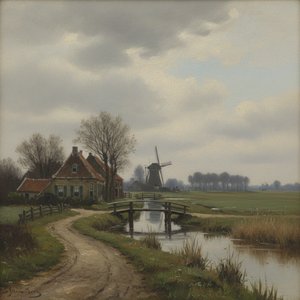
Jacob Henricus Maris: A Master of Dutch Atmospheric Realism & the Intimate Landscape
Explore the captivating world of Jacob Henricus Maris, a leading figure of the Dutch Hague School. Discover his atmospheric landscapes, signature brushstrokes & lasting influence on 19th-century art. Learn more at OriginalUniqueArt.