

 Zobrazit v interiéru
 Odeslat
 Sdílet
 Podrobnosti
 Průvodce

 Stáhnout obrázek
 Podobné kousky
 Rentgenové snímky
 Slideshow
 Statistiky
Up the River During Qingming
 Oil On Canvas
- WallArt
- Ming Dynasty Painting
 1644
1644 34.0 x 804.0 cm
 Národní palácové muzeum v Taipei
 Přečíst si více
Zakupte si digitální obraz ve vysokém rozlišení a vylepšeném provedení, který nabízí mnohem vyšší kvalitu než online náhled.
Každý soubor je pečlivě připraven našimi specialisty s využitím pokročilých nástrojů a odborné manuální retuše. Zajišťujeme, aby každý obraz disponoval výjimečnou ostrostí, přesnou barevnou věrností a jemnými detaily.
Finální soubor vám bude do 72 hodin zaslán e-mailem, optimalizovaný pro okamžité použití v profesionálním, redakčním i tiskovém prostředí. Nabízíme stejnou kvalitu, které důvěřují špičková designová studia, nakladatelství i galerie.
Digitální obrazy
Stáhněte si soubor ve vysokém rozlišení pro osobní prohlížení, tisk a kreativní projekty. ( Přepnout na tiskové verze Objednat ručně malovanou reprodukci)
Součást každé objednávky digitálního obrazu
Exponenciální digitální doručení, zaručené
Když si vyberete OriginalUniqueArt.com, nezískáváte pouze obrázek – získáváte digitální umělecké dílo s profesionálně vylepšenými detaily, zpracované s precizností a podpořené zárukou za spokojenost. Zde je vše, co vaše objednávka automaticky obsahuje:

Bleskové doručení e-mailem
Váš digitální obraz ve vysokém rozlišení vám bude zaslán e-mailem do 72 hodin od objednávky – připraven k okamžitému použití.

Digitální soubor s podporou AI
Vaše umělecké dílo je profesionálně optimalizováno pomocí pokročilých nástrojů umělé inteligence a manuální úpravy, což zajišťuje maximální úroveň detailu, ostrosti a přesnosti barev.

Doživotní bezplatné znovuodeslání
Soubor jste omylem smazali nebo ztratili? Žádný problém – kdykoliv vám ho znovu zašleme zcela zdarma.

Bez poplatků za dovoz – navždy
Užijte si své umělecké dílo okamžitě bez celních poplatků, daní nebo nákladů na dopravu – digitální stažení je vždy bez daňových povinností.

Záruka přesnosti barev
Díky profesionálním nástrojům a správě barev zajišťujeme, aby váš digitální obraz odrážel původní barvy co nejvěrněji.

100dená záruka spokojenosti
Pokud nebudete s digitálním obrázkem spokojeni, provedeme jeho revizi nebo vám vrátíme 100% platby do 100 dnů – bez jakýchkoliv dotazů.

100% záruka vrácení peněz
Nespokojeni? Získejte plnou náhradu peněz do 100 dnů od obdržení digitálního souboru – bez zbytečných dotazů.

Slevy při hromadných objednávkách
Při koupi 3 obrazů ušetříte 10% – Při koupi 5 obrazů ušetříte 15% – Při koupi 10+ obrazů ušetříte 20%. Ideální pro kreativní projekty, galerie a agentury.
A Glimpse into Imperial Life and Artistic Mastery
“Up the River During Qingming” – a title that conjures images of a vibrant, bustling scene, yet within its painted surface lies a profound meditation on life, death, and the ephemeral beauty of the natural world. Attributed to the masterful Qiu Ying, a painter who defied conventional artistic paths to forge his own legacy during the Ming Dynasty (1494-1552), this handscroll offers an unparalleled window into 17th-century China – a time of immense cultural flourishing and imperial grandeur. More than just a depiction of a river journey, it’s a meticulously crafted tableau that speaks volumes about social hierarchy, artistic innovation, and the enduring fascination with capturing fleeting moments.
The Painter's Journey: From Lacquer to Legend
Qiu Ying’s origins were remarkably unconventional. He began his career not within the established academies of art, but as a lacquer artisan – a skill that instilled in him an extraordinary attention to detail and a deep understanding of color and texture. This early apprenticeship honed his ability to render intricate patterns with precision, a quality that would become hallmarks of his later paintings. He subsequently studied under Zhou Chen in Suzhou, a renowned master who further refined his technique and exposed him to the prevailing artistic trends of the era. Qiu Ying’s journey is a testament to the power of self-directed learning and the diverse paths one can take to achieve artistic greatness.
A Symphony of Color and Technique
The scroll's visual impact is immediately arresting, dominated by a rich palette of mineral pigments – vibrant blues derived from lapis lazuli, shimmering greens sourced from malachite, and fiery reds achieved with cinnabar. Qiu Ying’s technique exemplifies the “gongbi” style, characterized by meticulous brushwork and an almost photographic realism. Notice the incredible detail in the rendering of the buildings lining the riverbank – each tile meticulously depicted, reflecting the opulence of imperial architecture. The water itself is treated with a remarkable fluidity, utilizing layered washes to create an illusion of movement and depth. The use of “wet-on-wet” technique further enhances this effect, blurring the boundaries between foreground and background.
Scenes of Celebration and Social Commentary
“Up the River During Qingming” is not simply a landscape painting; it’s a carefully constructed narrative. The scene unfolds along the Jinming River, teeming with activity as people celebrate the Qingming Festival – a time for honoring ancestors and visiting graves. We see elaborate boat races, lively dance performances, acrobatic displays, and even military reviews, all taking place within the confines of a grand palace complex. These activities are not merely decorative; they subtly comment on the social hierarchy of the time, with the emperor’s presence and lavish displays signifying his authority and power. The inclusion of stage performances suggests an appreciation for entertainment and cultural refinement.
Symbolism and the Ephemeral Nature of Life
Beyond its surface details, “Up the River During Qingming” is imbued with symbolic meaning. The river itself represents the flow of time, while the figures within the scene embody the diverse roles and aspirations of Ming Dynasty society. The meticulous detail with which Qiu Ying depicts the landscape – from the towering willow trees to the meticulously rendered buildings – underscores the importance of harmony between humanity and nature. Ultimately, the painting serves as a poignant reminder of the fleeting beauty of life and the enduring desire to capture it on canvas. It’s a masterpiece that continues to resonate with viewers centuries later, offering a glimpse into a bygone era and inviting us to contemplate our own place within the grand sweep of history.
Otázky a odpovědi
Proč má dílo „Up the River During Qingming“ právě takový autorský status?
Autorskoprávní status díla „Up the River During Qingming“ – patří do volného užití – autorská práva vypršela – vyplývá ze smrti umělce v roce 1552.
Jaká technika byla použita pro dílo „Up the River During Qingming“ od Qiu Ying?
Technikou díla „Up the River During Qingming“ od Qiu Ying je Oil On Canvas. Reprodukce mají za cíl věrně zachytit vzhled této techniky.
Patří „Up the River During Qingming“ od Qiu Ying mezi vyhledávaná díla směru Ming Dynasty Painting?
V rámci směru Ming Dynasty Painting má dílo „Up the River During Qingming“ úroveň popularity Recognized.
Biografie umělce
Život vytesaný štětcem: Svět Qiu Ying
Narodil se v pokročilých, skromných podmínkách roku 1494 ve městě Taicang, nedaleko dnešní provincie Jiangsu, a Qiu Ying vzlétl k nebesům jako jeden z nejslavnějších malířů dynastie Ming. Na rozdíl od mnoha umělců své éry, kteří těžíli ze vzdělaného rodinného původu a formálního vzdělání v ugruntovaných uměleckých kruzích, byla cesta Qiu Yingova neuvěřitelně vlastní. Svoji uměleckou cestu nezačal tradičními způsoby, ale jako učedník lakýrnika, kde si zdokonaloval dovednosti v detailní dekorativní práci – což byl základ, který hluboce ovlivnil preciznost charakteristickou pro jeho pozdější díla. Tato raná zkušenost mu vštěpila mistrovství v ovládání linie a barvy, vlastností, které dále zdokonaloval pod vedením Zhou Chena v Suzhou, tehdejším pulzujícím kulturním centru období Ming. Právě v tomto dynamickém prostředí Qiu Ying skutečně začal rozkvétat, vstřebával techniky a vyvíjel svůj vlastní, jedinečný umělecký hlas.Mistr všestrannosti: Styl a technika
Genius Qiu Yingův nespočíval v rigidním dodržování jedné školy či stylu, ale v jeho neobyčejné všestrannosti. Zatímco Suzhou bylo pevninou jemného štěpkového malování (shuimohua) preferovaného školou Wu, Qiu Ying prokázal výjimečnou schopnost ovládnout jak tento nuancovaný přístup, tak živobné a detailní techniky gongbi. Tato přizpůsobivost mu umožnila vyhovět rozmanitému klientelu s různým vkusem a ugruntovala jeho postavení vysoce žádaného umělce. S obratností propojoval tyto techniky a často do svých kompozic vnášel prvky stylu zelené a modré – známého svou bohatou kolorací a intricátní detailností. Jeho malby jsou odlišné neuvěřitelnou vyvážeností barev, pečlivou pozorností k detailu a schopností zachytit jak velkolepé panoramatické krajiny, tak intimní, jemně vykreslené scény. Tato technická zdatnost nebyla pouze otázkou dovednosti; byla to snaha o vyprávění příběhů, o předávání emocí a o vdechování života narativům na hedvábí či papíře.Mecenášství a rozkvět kariéry
Kariéra Qiu Yingova rozkvětala díky štědré podpoře bohatých patronů, kteří si neobjednávali díla z širokého spektra témat. Maloval krajiny naplno prosycené atmosférickou perspektivou, náboženské scény vyzařující duchovní oddanost, jemné zobrazení květin a zahrad pulzujících životem i poutavé figurativní kompozice, které zachycovaly samotnou podstatu svých postav. Mezi jeho nejslavnější tvorbu patří mistrovná ztvárnění jako Up the River During Qingming, inspirované ikonickým dílem ze severní dynastie Song; Lady in a Bamboo Grove, demonstrující jeho schopnost vykreslit elegantní postavy v přírodním prostředí; The Seven Sages of the Bamboo Grove, prokazující jeho pochopení klasických literárních témat; a Spring Morning in the Han Palace, živoucí zobrazení dvorského života. Klíčoví patroni, jako Chen Guan ze Suzhou, a později Zhou Fenglai a Xiang Yuanbian – oba významní sběratelé umění – hráli zásadní roli v podpoře jeho uměleckých snah a poskytovali mu svobodu k prozkoumávání vlastní kreativity a zdokonalování techniky.Odkaz a trvalý vliv
Talent a všestrannost Qiu Yingovi vynesly místo mezi „Čtyřmi mistry“ dynastie Ming – což je důkaz jeho hlubokého dopadu na čínské malířství. Propojil propast mezi tradičními styly a tehdejšími vkusy a vytvářel díla, která byla technicky brilantní i esteticky příjemná. Jeho malby odrážejí vlivy dřívějších mistrů, zejména těch ze dynastie Song, ale on tyto historické předchůdce uměle skloubil s estetikou své vlastní doby. On jen neimitoval; on syntetizoval, inovoval a nakonec vytvořil styl, který byl zcela jeho vlastní. Po svou smrt se vliv Qiu Yingův rozšířil na generace umělců, kteří obdivovali jeho mistrovskou techniku a inovativní přístup. Zůstává oslavovanou postavou v historii čínského umění, uctívanou pro svou schopnost zachytit krásu, předat význam a zanechat nezmazatelnou stopu v umělecké krajině. Dokonce i dnes zdobí jeho jméno kráter na Merkuru – což je důstojná pocta umělci, jehož vize sahala daleko za pozemské hranice. Jeho odkaz nadále vyvolává úžas a obdiv mezi milovníky umění po celém světě.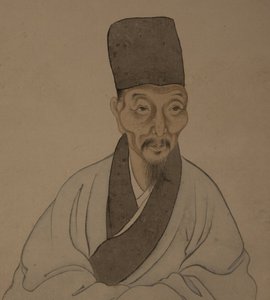
Qiu Ying
1494 - 1552 , Čína
Rychlé informace
- Artistic Movement Or Style: Gongbi, Wu School
- Artists Or Movements Influenced By This Artist: ['Umělci dynastie Ming']
- Artists Who Influenced This Artist: ['Mistři dynastie Song']
- Date Of Birth: 1494
- Date Of Death: 1552
- Full Name: Qiu Ying
- Nationality: Čínský
- Notable Artworks:
- Cesta vzhůru řekou během festivalu Qingming
- Dáma v bambusovém háji
- Sedmi mudrci v bambusovém háji
- Jarní ráno v paláci Han
- Place Of Birth: Taicang, Čína