

 Náhled
 Sdílet
 Sdílet
 Podrobnosti o díle

 Stáhnout
 Podobné položky
 Rentgenové snímky
 Slideshow
 Statistiky
Madonna with Writing Child
 Oil On Canvas
- WallArt
- Renaissance
 1498
1498 42.0 x 61.0 cm
 Philadelphia Art Museum
 Zobrazit více
Ručně malovaná olejová reprodukce
Ručně malovaná olejná barva na plátně ve vašem zvoleném rozměru i s rámem, vyrobená našimi umělci na zakázku. ( Přepnout na tisk Přepnout na digitální obraz)




P118B $10

P118H $10

P118W $10

P438Z $10

P508JH $12

P508YH $12

P805H $10

P805Z $10

P919BZ $10

P919G $10

P919XJ $10

P959ZH $10

P968JZ $12

W106C $8

W218G $10

W218JH $8

W218Y $10

W307PJ $10

W316G $10

W316PJ $8

W316Y $10

W398PJ $8

W4111J $10

W500HY $15

W500JH $15

W692G $12

W849H $8

W940BG $15

W953PJ $8




Vyberte si z našich přednastavených velikostí, které odpovídají původním proporcím díla.

Můžete zadat vlastní rozměry pro konkrétní rám nebo prostor. Pokud se vámi vybraná velikost neshoduje s proporcemi původního obrazu, dílo buď ořízneme, nebo jej doplníme ručně malovanými prvky. Před zahájením výroby vám bude zaslán digitální náhled ke schválení.
Upozorňujeme, že náhled na obrazovce neodpovídá skutečnému ořezu ani rozšíření. Pouze digitální náhled přesně zobrazí finální kompozici.
Ačkoliv je možné zvolit vlastní velikost, pro zachování původních proporcí doporučujeme vybrat rozměr z předdefinovaného seznamu.
Po přijetí objednávky vám tým OriginalUniqueArt.com zašle e-mail s pokyny a poskytne náhledovou verzi.
Celosvětová doprava () za 3–4 týdny namísto standardních 5 týdnů. (12 září). Bez kompromisů v kvalitě.

Zdarma celosvětová expresní doprava

Vysoce kvalitní lněné plátno

Kompletní přepravní pojištění

Záruka vrácení celního poplatku

Záruka přesného barevného shodu

100dená lhůta pro vrácení zboží (pouze při vadách)

100% garance vrácení peněz

Sleva při hromadné objednávce
 Skleněná varianta je dostupná pouze u rozměrů menších než 110 cm

Madonna with Writing Child
Technika reprodukce
Rozměry reprodukce
-


Celková cena za výběr
$ 300
A Glimpse into the Soul of Pinturicchio
Painted in 1498 by the enigmatic Bernardino di Betto, better known as Pinturicchio, the “Madonna with Writing Child” is more than just a devotional image; it’s a carefully constructed dialogue between piety and humanism, a subtle meditation on knowledge, faith, and the very act of creation. Born in Perugia during a period of immense artistic ferment – the High Renaissance blossoming across Italy – Pinturicchio forged his own distinctive path, one that blended the lingering elegance of Gothic traditions with the burgeoning innovations of the era. Unlike the monumental ambition of figures like Leonardo da Vinci or Michelangelo, Pinturicchio cultivated a style characterized by refined grace, intricate detail, and a vibrant, decorative sensibility, a testament to his skill in transforming established forms into something uniquely captivating.

The Composition: A Dance of Symbolism
At first glance, the painting presents a serene Madonna cradling her infant son. However, a closer examination reveals a complex tapestry of symbolism woven into every element. Mary, dressed in rich fabrics and adorned with a delicate crown – a subtle nod to royalty and divine grace – is not merely presenting a child; she’s actively engaged in the act of writing on a scroll. This isn't simply an illustration of biblical narrative; it represents the transmission of knowledge, faith, and ultimately, God’s word. The baby, mirroring his mother’s posture, holds a book, suggesting a nascent intellectual curiosity and a connection to the divine through learning. The background, subtly rendered, features two figures standing near trees – one on the left and another on the right - adding depth and narrative context, possibly representing the disciples or witnesses to this sacred moment.
A Glimpse into the Artist’s World
Pinturicchio's artistic journey was marked by a fascinating interplay of influences. Early in his career, he closely followed the style of Perugino, his master, absorbing the Umbrian painter’s luminous palette and meticulous attention to detail. However, as he matured, Pinturicchio developed a distinctly personal voice, characterized by an exquisite sense of color, a delicate handling of form, and a penchant for intricate decorative elements. His work reflects the artistic currents of his time – the lingering influence of Gothic traditions alongside the emerging innovations of the Renaissance. Notably, scholars believe that Pinturicchio drew inspiration from Byzantine mosaics, particularly in the use of gold leaf and the depiction of figures within circular compositions.
The Philadelphia Museum’s Masterpiece
Currently housed at the Philadelphia Museum of Art, this painting offers a rare opportunity to witness the genius of Pinturicchio firsthand. The scale of the work – 61 x 41 cm – allows for an intimate engagement with its details, revealing the artist's remarkable skill in capturing both the spiritual essence and the physical presence of his subjects. The painting’s preservation is a testament to the museum’s commitment to safeguarding artistic heritage, ensuring that future generations can appreciate this extraordinary work of art.
A Reproduction for Your Space
If you're captivated by the Madonna with Writing Child and its profound symbolism, consider commissioning a hand-painted reproduction from OriginalUniqueArt.com. Our skilled artisans meticulously recreate Pinturicchio’s style, capturing the painting’s luminous colors, intricate details, and emotional depth. A reproduction offers a beautiful way to bring this Renaissance masterpiece into your home or office, serving as a constant source of inspiration and contemplation.
Biografie umělce
Bernardino di Betto, Known as Pinturicchio
Bernardino Pinturicchio, or Pintoricchio – a nickname affectionately bestowed upon him for his diminutive stature – emerged from the artistic heartland of Perugia in 1454. His life unfolded during a period of immense cultural ferment, the High Renaissance blossoming across Italy, yet Pinturicchio carved out a unique path, one that blended the lingering elegance of Gothic traditions with the burgeoning innovations of the era. While giants like Leonardo da Vinci and Michelangelo strove for anatomical perfection and dramatic realism, Pinturicchio cultivated a style characterized by refined grace, intricate detail, and a vibrant, decorative sensibility. His journey wasn’t one of revolutionary upheaval, but rather of exquisite refinement – a testament to his skill in transforming established forms into something uniquely captivating.From Umbrian Workshops to Papal Commissions
Pinturicchio's early training remains somewhat shrouded in mystery, though it is believed he honed his skills under the guidance of lesser-known Perugian masters like Bonfigli and Fiorenzo di Lorenzo. A pivotal moment arrived when he entered the orbit of Pietro Perugino, a leading figure of the Umbrian school. According to Giorgio Vasari, Pinturicchio served as an assistant to Perugino, a collaboration that undoubtedly shaped his artistic development. This connection proved crucial in securing a commission for the Sistine Chapel in Rome during the early 16th century. Working alongside some of the most celebrated artists of the time – Botticelli, Ghirlandaio, and Signorelli among them – Pinturicchio contributed to this monumental project, though sadly his frescoes were later destroyed to make way for Michelangelo’s *Last Judgement*. This experience, however, served as a crucial stepping stone, exposing him to new influences and solidifying his reputation.A Prolific Period: Rome and the Borgia Apartments
The years between 1484 and 1492 marked a period of intense productivity for Pinturicchio, primarily centered in Rome. He received commissions from prominent families like the Della Rovere, adorning chapels within the church of Santa Maria del Popolo with his distinctive style. These works showcased his mastery of fresco technique, characterized by delicate figures, richly ornamented backgrounds, and a penchant for intricate decorative motifs. However, it was his work for Pope Alexander VI – Rodrigo Borgia – that truly cemented his place in art history. Commissioned to decorate the Borgia Apartments within the Vatican Palace between 1492 and 1494, Pinturicchio created a suite of rooms lavishly adorned with frescoes depicting mythological scenes, portraits, and allegorical representations. These apartments, though controversial due to their association with the infamous Borgia family, stand as a remarkable example of Renaissance decorative art, revealing Pinturicchio’s ability to blend classical motifs with his own unique aesthetic sensibility. The use of gold leaf, vibrant colors, and illusionistic techniques created an atmosphere of opulent splendor, reflecting the power and ambition of the papal court.Legacy and Enduring Influence
Pinturicchio's artistic legacy is one of refined elegance and meticulous craftsmanship. While he may not have possessed the same level of fame as some of his contemporaries, his influence on subsequent generations of artists is undeniable. His unique style – a harmonious blend of Gothic grace and Renaissance innovation – resonated with those who appreciated subtlety and detail. He demonstrated an exceptional ability to create visually stunning compositions that were both aesthetically pleasing and intellectually stimulating. His work in the Piccolomini Library in Siena, completed shortly before his death in 1513, stands as a testament to his enduring talent. The frescoes depicting scenes from the life of Pope Pius II showcase a clarity of form and color that foreshadows the High Renaissance style. Pinturicchio’s art continues to captivate viewers today, offering a glimpse into a world of beauty, refinement, and artistic mastery – a world where the delicate touch of a “little painter” left an indelible mark on the landscape of Italian Renaissance art.- Notable Works: Frescoes in the Sistine Chapel (destroyed), Borgia Apartments in the Vatican, Piccolomini Library in Siena.
- Influences: Perugino, Umbrian School of Painting, Gothic traditions.
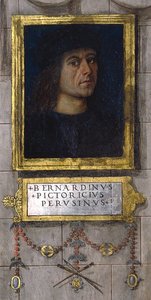
Pinturicchio
1454 - 1513 , Itálie
Rychlé fakta
- Artistic Movement Or Style: Renaissance
- Artists Who Influenced This Artist:
- Perugino
- Bonfigli
- Fiorenzo di Lorenzo
- Date Of Birth: 1454 Perugia
- Date Of Death: 1513 Siena
- Full Name: Bernardino di Betto
- Nationality: Italian
- Notable Artworks:
- Sistine Chapel frescoes
- Borgia Apartments decor.
- Saint Augustine
- Place Of Birth: Perugia Italy
Související články
Divine Love: A Curated Guide to the Most Iconic Madonna and Child Masterpieces in Art History
Embark on a sophisticated journey through art history with our curated guide to the most iconic Madonna and Child masterpieces. Discover the profound beauty, theological depth, and enduring legacy of these sacred Renaissance treasures.
Rafael: 25 mistrovských děl renesance pro váš domov | OriginalUniqueArt.cz
Objevte 25 ikonických děl Raffaela – od Sixtinské madony po Atény školu. Ponořte se do světa renesance a obdivujte mistrovské obrazy online. Reprodukce obrazů nejvyšší kvality pro váš interiér na OriginalUniqueArt.cz.
The Art of Italian Living: Transform Your Home with Timeless Landscapes and Renaissance Masterpieces
Elevate your home with the timeless romance of Italy. Discover expert-curated, hand-painted Italian landscapes and Renaissance-inspired masterpieces. From bespoke oil reproductions to custom portraits from photos, transform your space with elegance and artistic passion.
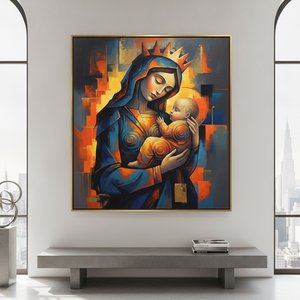
Madonna & Child Reimagined: The Ultimate Buyer’s Guide to Bold, Iconic Art for High-Impact Modern Walls
Transform classical icons into bold modern statements. Our expert artists specialize in reimagining the Madonna & Child motif through high-impact Pop Art and custom oil reproductions. Discover premium, hand-painted masterpieces designed to dominate your modern walls at OriginalUniqueArt.com.
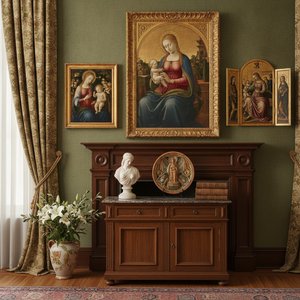
Timeless Grace: Curating the Sacred Beauty of Renaissance Madonna Masterpieces for Your Home
Transform your sanctuary with the serene beauty of Madonna and Child masterpieces. Explore our exquisite, hand-painted oil reproductions and bespoke religious art commissions. Bring timeless Renaissance grace into your home with museum-quality artistry from OriginalUniqueArt.com.