

 Zobrazit v interiéru
 Odeslat
 Sdílet
 Podrobnosti
 Průvodce

 Stáhnout obrázek
 Podobné kousky
 Rentgenové snímky
 Slideshow
 Statistiky
Deux Children Sitting,


 Přečíst si více
Giclée / Umělecký tisk
Giclée nebo plátěný tisk muzeální kvality s rychlou výrobou a širokou nabídkou povrchových úprav. ( Objednat ručně malovanou reprodukci Přepnout na digitální verzi obrazu)




P118B Kč10

P118H Kč10

P118W Kč10

P438Z Kč10

P508JH Kč12

P508YH Kč12

P805H Kč10

P805Z Kč10

P919BZ Kč10

P919G Kč10

P919XJ Kč10

P959ZH Kč10

P968JZ Kč12

W106C Kč8

W218G Kč10

W218JH Kč8

W218Y Kč10

W307PJ Kč10

W316G Kč10

W316PJ Kč8

W316Y Kč10

W398PJ Kč8

W4111J Kč10

W500HY Kč15

W500JH Kč15

W692G Kč12

W849H Kč8

W940BG Kč15

W953PJ Kč8




Vyberte si z našich přednastavených velikostí, které odpovídají původním proporcím díla.

Zadejte šířku a výšku, které potřebujete pro váš rám nebo stěnu. Tisk lze pouze oříznout, nikdy však nelze zvětšit obraz nad jeho původní rozměr, proto při výběru jiného formátu dochází ke ztrátě části obrazu. Před samotným tiskem vám zašleme digitální náhled k schválení. Obraz zobrazený na této stránce nenabízí skutečný výřez — ten uvidíte pouze v náhledu.
Celosvětové doručení () do 2 týdnů namísto standardních 4/5 týdnů. (23 říjen)

Zdarma celosvětová expresní doprava

Vysoce kvalitní lněné plátno

Úplné pojištění přepravy

Záruka vrácení celního poplatku

Záruka věrného barevného shodu

100dení lhůta pro vrácení zboží (pouze při vadách výroby)

100% garance vrácení peněz

Sleva při více objednávkách
 Skleněná varianta je dostupná pouze u rozměrů menších než 110 cm

Deux Children Sitting,
Giclée / Umělecký tisk
Velikost reprodukce
-


Celková cena
Kč 1713
The Enigmatic Grace of Pinturicchio: A Renaissance Master
Bernardino di Betto, universally known as Pinturicchio – a nickname affectionately bestowed upon him for his diminutive stature – stands as a captivating figure within the vibrant tapestry of 15th-century Italian art. Born in Perugia in 1454, Pinturicchio’s life unfolded during a period of profound artistic transformation, the High Renaissance blossoming across Italy while he carved out a unique and enduring legacy. Unlike the monumental ambition of giants like Leonardo da Vinci or the dramatic realism of Michelangelo, Pinturicchio cultivated a style defined by refined grace, intricate detail, and a luminous, decorative sensibility – a testament to his exceptional skill in transforming established forms into something uniquely captivating.
His early training remains somewhat shrouded in mystery, likely nurtured within the workshops of lesser-known Perugian painters. However, it’s clear that Pinturicchio absorbed the essence of the Umbrian School of Painting, inheriting its characteristic elegance and a deep appreciation for color. This foundation would later inform his work across various commissions, from the opulent Borgia Apartments in Rome to the serene beauty of the Piccolomini Library in Siena. His career wasn’t one of revolutionary upheaval, but rather a meticulous refinement – a testament to his mastery of technique and his ability to imbue even seemingly simple subjects with profound emotional resonance.
“Deux Children Sitting”: A Study in Innocence and Connection
"Deux Children Sitting" is a captivating depiction of two young children nestled together on the ground, their hands clasped in a gesture of quiet contemplation. Painted in 1513 by Pinturicchio, this work transcends mere representation; it’s an exploration of innocence, vulnerability, and the profound connection between human beings. The scene unfolds with remarkable intimacy – the children are positioned close to one another, bathed in soft light that suggests a timeless serenity. Their nakedness is not presented as provocative but rather as a symbol of purity and unburdened joy, highlighting their inherent beauty and innocence.
The composition itself is remarkably balanced, with the figures occupying the central space and creating a sense of harmonious unity. The surrounding details – the scattered smaller figures, the suggestion of a landscape beyond – contribute to a feeling of quiet contemplation and invite the viewer to share in the children’s peaceful moment. Pinturicchio's masterful use of color—muted earth tones punctuated by subtle highlights—further enhances the work’s sense of tranquility and understated beauty.
A Master at Work: Technique and Context
Pinturicchio was renowned for his meticulous technique, a hallmark of his style. He employed tempera on panel, a medium that allowed him to achieve remarkable detail and luminosity. His brushwork is incredibly delicate, with subtle gradations of color creating a sense of depth and texture. The artist’s attention to anatomical accuracy is evident in the children's forms, yet he avoids the rigid formality often associated with Renaissance portraiture, instead favoring a more fluid and expressive approach.
Furthermore, understanding Pinturicchio requires acknowledging his historical context. He worked during a period of immense artistic innovation, influenced by Perugino, Luca Signorelli, and other masters of the Umbrian School. Yet, he maintained a distinct voice, prioritizing grace and decorative elegance over dramatic grandeur. His work reflects the humanist ideals of the Renaissance, celebrating human beauty and fostering a sense of connection between individuals and the natural world.
Rediscovering Pinturicchio: Reproductions for Today
Today, “Deux Children Sitting” is available as a stunning hand-painted reproduction by OriginalUniqueArt.com, offering art lovers the opportunity to bring this timeless masterpiece into their homes or offices. The meticulous attention to detail and vibrant colors of the original are faithfully reproduced using traditional techniques, ensuring that every piece captures the essence of Pinturicchio’s artistic vision. Whether you're an admirer of Renaissance art, a collector seeking unique pieces, or simply someone who appreciates beauty and tranquility, this reproduction offers a captivating glimpse into the world of one of Italy’s most enigmatic masters.
Otázky a odpovědi
Patří dílo „Deux Children Sitting,“ od Pinturicchio do volného užití, a proč?
Autorskoprávní status díla „Deux Children Sitting,“ – patří do volného užití – autorská práva vypršela – vyplývá ze smrti umělce v roce 1513.
Jakou velikost tisku pro "Deux Children Sitting," bych si měl(a) zvolit pro svou místnost?
Do místnosti typu Living Room se pro dílo „Deux Children Sitting,“ doporučuje tisk v rozměru Medium.
Jakou luminanci má dílo „Deux Children Sitting,“ od Pinturicchio?
Dílo „Deux Children Sitting,“ od Pinturicchio má luminanci na úrovni Gentle Luminance. Luminance popisuje, jak velkou míru světla barvy odrážejí.
Biografie umělce
Bernardino di Betto, Known as Pinturicchio
Bernardino Pinturicchio, or Pintoricchio – a nickname affectionately bestowed upon him for his diminutive stature – emerged from the artistic heartland of Perugia in 1454. His life unfolded during a period of immense cultural ferment, the High Renaissance blossoming across Italy, yet Pinturicchio carved out a unique path, one that blended the lingering elegance of Gothic traditions with the burgeoning innovations of the era. While giants like Leonardo da Vinci and Michelangelo strove for anatomical perfection and dramatic realism, Pinturicchio cultivated a style characterized by refined grace, intricate detail, and a vibrant, decorative sensibility. His journey wasn’t one of revolutionary upheaval, but rather of exquisite refinement – a testament to his skill in transforming established forms into something uniquely captivating.From Umbrian Workshops to Papal Commissions
Pinturicchio's early training remains somewhat shrouded in mystery, though it is believed he honed his skills under the guidance of lesser-known Perugian masters like Bonfigli and Fiorenzo di Lorenzo. A pivotal moment arrived when he entered the orbit of Pietro Perugino, a leading figure of the Umbrian school. According to Giorgio Vasari, Pinturicchio served as an assistant to Perugino, a collaboration that undoubtedly shaped his artistic development. This connection proved crucial in securing a commission for the Sistine Chapel in Rome during the early 16th century. Working alongside some of the most celebrated artists of the time – Botticelli, Ghirlandaio, and Signorelli among them – Pinturicchio contributed to this monumental project, though sadly his frescoes were later destroyed to make way for Michelangelo’s *Last Judgement*. This experience, however, served as a crucial stepping stone, exposing him to new influences and solidifying his reputation.A Prolific Period: Rome and the Borgia Apartments
The years between 1484 and 1492 marked a period of intense productivity for Pinturicchio, primarily centered in Rome. He received commissions from prominent families like the Della Rovere, adorning chapels within the church of Santa Maria del Popolo with his distinctive style. These works showcased his mastery of fresco technique, characterized by delicate figures, richly ornamented backgrounds, and a penchant for intricate decorative motifs. However, it was his work for Pope Alexander VI – Rodrigo Borgia – that truly cemented his place in art history. Commissioned to decorate the Borgia Apartments within the Vatican Palace between 1492 and 1494, Pinturicchio created a suite of rooms lavishly adorned with frescoes depicting mythological scenes, portraits, and allegorical representations. These apartments, though controversial due to their association with the infamous Borgia family, stand as a remarkable example of Renaissance decorative art, revealing Pinturicchio’s ability to blend classical motifs with his own unique aesthetic sensibility. The use of gold leaf, vibrant colors, and illusionistic techniques created an atmosphere of opulent splendor, reflecting the power and ambition of the papal court.Legacy and Enduring Influence
Pinturicchio's artistic legacy is one of refined elegance and meticulous craftsmanship. While he may not have possessed the same level of fame as some of his contemporaries, his influence on subsequent generations of artists is undeniable. His unique style – a harmonious blend of Gothic grace and Renaissance innovation – resonated with those who appreciated subtlety and detail. He demonstrated an exceptional ability to create visually stunning compositions that were both aesthetically pleasing and intellectually stimulating. His work in the Piccolomini Library in Siena, completed shortly before his death in 1513, stands as a testament to his enduring talent. The frescoes depicting scenes from the life of Pope Pius II showcase a clarity of form and color that foreshadows the High Renaissance style. Pinturicchio’s art continues to captivate viewers today, offering a glimpse into a world of beauty, refinement, and artistic mastery – a world where the delicate touch of a “little painter” left an indelible mark on the landscape of Italian Renaissance art.- Notable Works: Frescoes in the Sistine Chapel (destroyed), Borgia Apartments in the Vatican, Piccolomini Library in Siena.
- Influences: Perugino, Umbrian School of Painting, Gothic traditions.
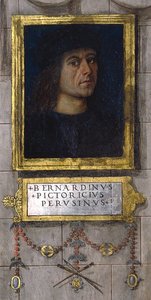
Pinturicchio
1454 - 1513 , Itálie
Rychlé informace
- Artistic Movement Or Style: Renaissance
- Artists Who Influenced This Artist:
- Perugino
- Bonfigli
- Fiorenzo di Lorenzo
- Date Of Birth: 1454 Perugia
- Date Of Death: 1513 Siena
- Full Name: Bernardino di Betto
- Nationality: Italian
- Notable Artworks:
- Sistine Chapel frescoes
- Borgia Apartments decor.
- Saint Augustine
- Place Of Birth: Perugia Italy
Související články

Freska jako rodinné dědictví: Zachovejte svůj původ v obrazech na stěnách
Objevte sílu fresek pro uchování rodinné historie! Kvalitní reprodukce a zakázková malba od . Inspirujte se historií umění a vytvořte jedinečný obraz vašeho původu.

The Enduring Legacy of Fresco: Technique, History & Artistic Expression Across Cultures
Explore the rich history & enduring legacy of fresco painting! Discover ancient techniques, Giotto's masterpieces, and modern applications. Expert insights for art lovers & professionals.
The Enduring Legacy of Fresco Painting: Techniques, History & Contemporary Relevance
Explore the rich history & enduring artistry of fresco painting – from Giotto to Michelangelo! Discover techniques, conservation efforts, & modern applications. Learn how OriginalUniqueArt brings this timeless art form to your home.

The Enduring Legacy of Fresco: Technique, History & Artistic Expression
Explore the rich history & enduring artistry of fresco painting. Discover techniques from Giotto to Michelangelo, conservation efforts, & modern applications. Learn how OriginalUniqueArt brings this timeless art form to your home.
Umění, které s vámi žije: Emocionální síla zakázkové interiérové fresky
Objevte sílu zakázkových fresky pro váš interiér. Historie, psychologie a moderní provedení od odborníků. Investice do umění s .