

 Zobrazit v interiéru
 Odeslat
 Sdílet
 Podrobnosti
 Průvodce

 Stáhnout obrázek
 Podobné kousky
 Rentgenové snímky
 Slideshow
 Statistiky
A Visit to a Lord
 Oil
Oil- WallArt
- Rococo
 Early Modern
 49.0 x 60.0 cm
 Přečíst si více
Giclée / Umělecký tisk
Giclée nebo plátěný tisk muzeální kvality s rychlou výrobou a širokou nabídkou povrchových úprav. ( Objednat ručně malovanou reprodukci Přepnout na digitální verzi obrazu)




P118B $10

P118H $10

P118W $10

P438Z $10

P508JH $12

P508YH $12

P805H $10

P805Z $10

P919BZ $10

P919G $10

P919XJ $10

P959ZH $10

P968JZ $12

W106C $8

W218G $10

W218JH $8

W218Y $10

W307PJ $10

W316G $10

W316PJ $8

W316Y $10

W398PJ $8

W4111J $10

W500HY $15

W500JH $15

W692G $12

W849H $8

W940BG $15

W953PJ $8




Vyberte si z našich přednastavených velikostí, které odpovídají původním proporcím díla.

Můžete zadat vlastní rozměry tak, aby výtvor odpovídal konkrétnímu rámu nebo prostoru. Pokud zvolená velikost nebude odpovídat poměru stran původního obrazu, dílo buď ořížeme, nebo obraz rozšíříme pomocí zrcadlového efektu či jednobarevného okraje. Před zahájením výroby vám bude zaslán digitální náhled k schválení.
Mějte prosím na paměti, že náhled na obrazovce neodráží skutečné oříznutí nebo rozšíření. Pouze digitální náhled přesně zobrazí finální kompozici.
Ačkoliv jsou k dispozici i vlastní rozměry, pro zachování původních proporcí doporučujeme vybrat si rozměr z předdefinovaného seznamu.
Celosvětové doručení () do 2 týdnů namísto standardních 4/5 týdnů. (26 září)

Zdarma celosvětová expresní doprava

Vysoce kvalitní lněné plátno

Úplné pojištění přepravy

Záruka vrácení celního poplatku

Záruka věrného barevného shodu

100dení lhůta pro vrácení zboží (pouze při vadách výroby)

100% garance vrácení peněz

Sleva při více objednávkách
 Skleněná varianta je dostupná pouze u rozměrů menších než 110 cm

A Visit to a Lord
Giclée / Umělecký tisk
Velikost reprodukce
-


Celková cena
$ 80
An Intimate Glimpse into Venetian Elegance
In the quiet, candlelit corners of eighteenth-century Venice, Pietro Longhi found his true calling not in the grand, sweeping gestures of mythological epics, but in the subtle, whispered dramas of the domestic sphere. A Visit to a Lord serves as a masterful window into this vanished world, inviting the viewer to step across the threshold of an aristocratic drawing room. The scene unfolds with a delicate intimacy, capturing a moment of social ritual where the rustle of silk and the soft murmur of conversation seem almost audible. At the heart of the composition sits an elderly woman, her presence anchoring the room with a sense of seasoned dignity, surrounded by figures whose postures and gazes suggest the complex web of etiquette and social hierarchy that defined the Rococo era.
The painting is a triumph of genre painting, where the mundane is elevated to the level of high art through meticulous observation. Longhi’s technique is characterized by an extraordinary sensitivity to texture and light; one can almost feel the weight of the heavy, dark-toned fabrics and the intricate delicacy of the lace ruffles adorning the guests. The artist employs a sophisticated play of chiaroscuro, allowing the warm glow from a chandelier to dance across polished surfaces and illuminate the expressive faces of his subjects, while leaving the corners of the opulent room in a mysterious, velvety shadow. This interplay of light does more than just define form; it creates an atmosphere of profound stillness, as if time itself has paused to honor this fleeting social encounter.
The Artistry of the Rococo Interior
Beyond its narrative charm, A Visit to a Lord is a masterclass in the aesthetic principles of the Rococo period. The composition is balanced yet fluid, avoiding rigid symmetry to instead embrace the organic flow of human interaction. Longhi utilizes a palette of sophisticated earth tones and muted hues, which lends the work a somber, reflective mood that contrasts beautifully with the inherent opulence of the setting. Every detail—from the ornate painting hanging on the dark, richly decorated wall to the precise arrangement of the dining elements—contributes to a sense of lived-in luxury. For the discerning collector or interior designer, this piece offers more than mere decoration; it provides a focal point of historical depth and textural richness.
The emotional impact of the work lies in its ability to evoke nostalgia for an era of refined grace. There is a poignant tension between the outward display of wealth and the inward, quiet moments of connection or contemplation captured within the group. As a reproduction, this artwork brings a sense of timeless sophistication to any space, whether placed in a contemporary gallery setting or a classic study. It serves as a reminder of the beauty found in the small, unrecorded moments of history, making it an invaluable acquisition for those who appreciate art that tells a story of human connection, elegance, and the enduring allure of the Venetian spirit.
Biografie umělce
A Venetian Chronicler of Daily Life
Pietro Longhi, born Pietro Falca in Venice on November 5th, 1701, wasn’t painting grand historical narratives or mythological scenes; he was capturing the quiet dramas unfolding within the city's elegant homes and bustling streets. He became renowned for his witty genre paintings – intimate glimpses into the lives of 18th-century Venetians, a departure from the prevailing artistic trends of his time. The son of Alessandro Falca, a silversmith, Longhi’s early training began under the Veronese painter Antonio Balestra, who recognized and nurtured the young artist's talent. This foundation in traditional technique would later serve as a subtle counterpoint to the innovative spirit he brought to his chosen subject matter. He adopted the surname “Longhi” upon beginning his artistic career, a symbolic shedding of his father’s trade for the pursuit of painting.From Religious Scenes to Venetian Interiors
Longhi's initial works reflected the expectations of the era: altarpieces and religious themes dominated his early portfolio. His 1732 altarpiece for the church of San Pellegrino demonstrates a skillful command of traditional techniques, showcasing broken brushwork and vibrant color glazes characteristic of Venetian painting. These masterful compositions exemplify the stylistic conventions of Baroque art – dramatic lighting, rich pigments, and meticulous attention to detail—a testament to Balestra’s influence. However, it was in the late 1730s that Longhi truly found his voice, shifting towards the small-scale genre scenes that would define his legacy. This transition wasn't merely a change in subject matter; it represented a deliberate engagement with the burgeoning social and cultural shifts of the time. The 18th century witnessed a growing fascination with the private lives of the bourgeoisie, a focus on domesticity and everyday rituals. Longhi masterfully captured this shift, offering viewers a window into Venetian society that was both charming and subtly satirical. He married Caterina Maria Rizzi in 1732, and together they had eleven children, though only three survived to adulthood. This personal life, while not directly reflected in his art, undoubtedly shaped his understanding of the domestic sphere he so frequently depicted.The “Venetian Hogarth” and a Satirical Eye
Longhi quickly earned the moniker "the Venetian William Hogarth," a testament to his ability to infuse seemingly innocuous scenes with layers of social commentary. Like Hogarth, Longhi didn’t shy away from depicting human foibles and societal contradictions. However, while Hogarth's satire was often pointed and moralizing, Longhi’s tended to be more nuanced, imbued with a gentle irony. His paintings are populated with masked figures – a nod to the exuberant Carnival celebrations of Venice – engaged in various activities, from gambling and flirtation to clandestine meetings and dubious transactions. The Concert portrays a lavish gathering where social status is keenly observed, highlighting distinctions between noblemen and commoners alike. Longhi’s meticulous attention to detail—the textures of fabrics, the expressions on faces—creates an immersive experience for the viewer, inviting contemplation about human behavior and societal norms. He wasn't simply recording life as it was; he was offering a sly commentary on its complexities and contradictions. His ability to capture these subtleties is what sets him apart, elevating his genre scenes beyond mere documentation into insightful social observations.Technique, Influence, and Lasting Legacy
Longhi’s technique was as distinctive as his subject matter. He favored small canvases, meticulously rendered with a delicate touch and a keen eye for detail. His interiors are bathed in soft light, creating an atmosphere of intimacy and realism—a characteristic found in the works of Giuseppe Maria Crespi, who championed naturalistic observation alongside artistic virtuosity. He possessed a remarkable ability to depict textures – the sheen of silk, the roughness of wood, the delicate folds of fabric – adding depth and authenticity to his scenes. His masterful use of color glazes—particularly evident in paintings like *The Tailor*—demonstrates an understanding of Venetian painting’s legacy. While influenced by earlier Venetian masters like Giuseppe Maria Crespi, Longhi forged his own path, anticipating later developments in genre painting. He served as Director of the Academy of Drawing and Carving from 1763, furthering artistic education and fostering a new generation of talent. His son, Alessandro Longhi, also pursued painting, assisting him in later portrait commissions—a continuation of Longhi’s commitment to preserving Venetian artistic traditions. Pietro Longhi passed away on May 8th, 1785, leaving behind a body of work that continues to captivate and intrigue viewers today. He remains a vital figure in the history of Venetian art, celebrated for his unique blend of observation, wit, and technical skill—a true chronicler of 18th-century life. ## Notable Works- The Tailor (Gallerie dell'Accademia, Venice)
- The Baptism (Fondazione Querini Stampalia, Venice)
- Painter in his Studio (Ca’ Zenobio, Venice)

Pietro Longhi
1701 - 1785 , Itálie
Rychlé informace
- Artistic Movement Or Style: Venetian painting, Rococo
- Artists Or Movements Influenced By This Artist: ['William Hogarth']
- Artists Who Influenced This Artist:
- Antonio Balestra
- Giuseppe Maria Crespi
- Date Of Birth: November 5, 1701
- Date Of Death: May 8, 1785
- Full Name: Pietro Longhi
- Nationality: Italian
- Notable Artworks:
- The Tailor
- The Baptism
- Painter in his studio
- Place Of Birth: Venice, Italy
Související články

The Rococo Aesthetic: Opulence, Rebellion & the Pursuit of Pleasure in 18th-Century Art
Explore the opulent world of Rococo art! Discover its origins, key artists like Watteau & Boucher, and lasting influence on design. Expert insights for collectors & enthusiasts.

Pietro Longhi's Venetian Scenes: A Study of Rococo Society & Domestic Life
Explore the captivating world of Pietro Longhi's Venetian scenes! Discover insightful analysis of his Rococo masterpieces & social commentary on 18th-century life. Learn about this 'Venetian Hogarth' and his lasting artistic legacy.

The Allure of Elegance in Art: A Historical & Aesthetic Exploration of Refinement & Grace
Explore the exquisite world of Rococo art! Discover its history, masters (Watteau, Boucher & more), and defining elegance. Expert insights for collectors seeking museum-quality reproductions & custom portraits.

Top 10 mistrovských děl rokokového umění | OriginalUniqueArt.cz
Prozkoumejte 10 ikonických děl rokokového umění – Fragonard, Boucher a další. Objevte příběhy mistrů, techniky a pastelové barvy tohoto elegantního stylu. Reprodukce obrazů nejvyšší kvality na OriginalUniqueArt.cz!
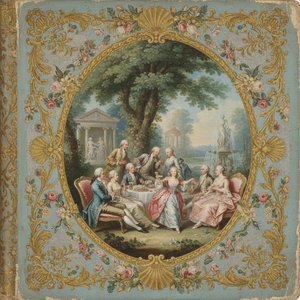
The Rococo Style: Aristocratic Leisure & the Pursuit of Delight in 18th-Century Art
Explore the opulent world of Rococo art! Discover Watteau, Boucher & Nattier's masterpieces. Expert insights for collectors seeking museum-quality reproductions and custom portraits at OriginalUniqueArt.