 Náhled v interiéru
 Sdílet
 Sdílet
 Podrobnosti o díle
 Průvodce

 Stáhnout
 Podobné položky
 Rentgenové snímky
 Slideshow
 Otázky a odpovědi
 Statistiky
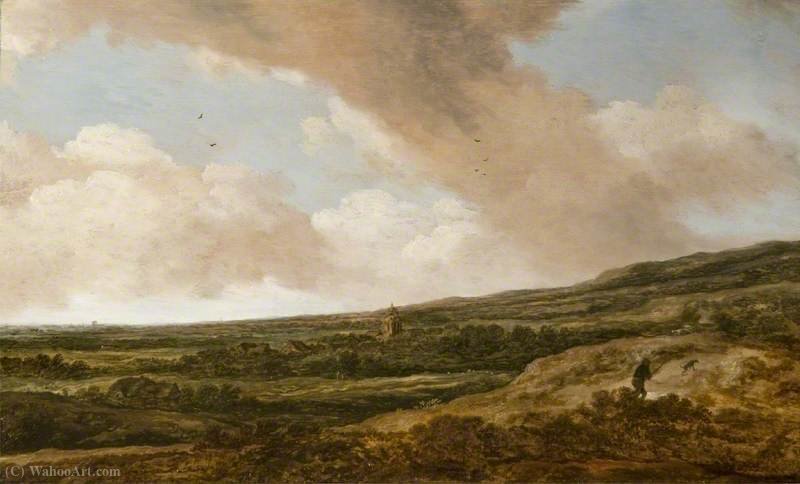
Landscape with a Huntsman
 Zobrazit více
Získejte soubor připravený k tisku, který svou kvalitou výrazně převyšuje webový náhled. Každý prodávaný digitální obraz pochází z vysokorozlišeného originálu v naší databázi – obvykle o šířce 5 000 až 15 000 pixelů – díky čemuž můžete tisknout ve velkém formátu, provádět těsný střih nebo si s jistotou užít i ty nejjemnější detaily.
Žádný soubor neopustí naše studio bez úprav. Digitální expert kontroluje barvy v porovnání s původním malířským dílem a v případě potřeby je upravuje, poté pomocí profesionálních nástrojů pro retuš zvyšuje ostrost a detailnost — přičemž vždy zůstává věrný tahům štětcem a stylu umělce. Výsledkem je obraz, který vypadá jako malba, nikoliv jako naskenovaný snímek s filtrem.
Schvalování před dokončením: náš expert vám do 72 hodin zašle obraz e-mailem k revizi. Nejsste spokojeni? Můžete požádat o úpravy či opravy, nebo si můžete vyžádat vrácení peněz, pokud kvalita neodpovídá vašim očekáváním.
Tuto kvalitu využívají vydavatelství, designová studia, galerie i tiskárny.
Digitální obrazy
Stáhněte si soubor ve vysokém rozlišení pro osobní prohlížení, tisk nebo kreativní projekty. ( Přepnout na tisk Koupit ručně malovaný obraz)
Součást každé objednávky digitálního obrazu
Profesionální digitální doručení, zaručené
Když si vyberete OriginalUniqueArt.com, nezískáváte pouze obrázek – získáváte digitální umělecké dílo s profesionálně vylepšenými detaily, zpracované s precizností a podpořené zárukou za spokojenost. Zde je vše, co vaše objednávka automaticky obsahuje:

Rychlé doručení e-mailem
Váš digitální obraz ve vysokém rozlišení vám bude zaslán e-mailem do 72 hodin od objednávky – připraven k okamžitému použití.

Digitální soubor s využitím AI
Vaše umělecké dílo je profesionálně optimalizováno pomocí pokročilých nástrojů umělé inteligence a manuální úpravy, což zajišťuje maximální úroveň detailu, ostrosti a přesnosti barev.

Doživotní bezplatné znovuodeslání digitálních obrazů
Soubor jste omylem smazali nebo ztratili? Žádný problém – kdykoliv vám ho znovu zašleme zcela zdarma.

Bez poplatků za dovoz – navždy
Užijte si své umělecké dílo okamžitě bez celních poplatků, daní nebo nákladů na dopravu – digitální stažení je vždy bez daňových povinností.

Záruka přesnosti barev
Díky profesionálním nástrojům a správě barev zajišťujeme, aby váš digitální obraz odrážel původní barvy co nejvěrněji.

100dená záruka spokojenosti
Pokud nebudete s digitálním obrázkem spokojeni, provedeme jeho revizi nebo vám vrátíme 100% platby do 100 dnů – bez jakýchkoliv dotazů.

100% záruka vrácení peněz
Nespokojeni? Získejte plnou náhradu peněz do 100 dnů od obdržení digitálního souboru – bez zbytečných dotazů.

Slevy při hromadných objednávkách
Koupě 3 obrazů ušetří 10% – Koupě 5 obrazů ušetří 15% – Koupě 10+ obrazů ušetří 20%. Ideální pro kreativní projekty, galerie a agentury.
Biografie umělce
A Life Between Borders
The story of Pieter de Molyn is one of movement and cultural intersection, reflecting the very fluidity of the Dutch Golden Age. Born in London to a Flemish father from Ghent and a mother from Brussels, his early life was shaped by the shifting tides of Europe. Though baptized in the Dutch Reformed Austin Friars church in London, his roots were deeply embedded in the Low Countries. This unique heritage—English birth with Flemish descent—provided him with a cosmopolitan perspective that would later inform his versatile approach to painting and engraving.
His journey likely took him through the artistic heart of Italy, an experience common among ambitious painters of his era seeking to refine their craft. By 1616, he had established himself within the prestigious Haarlem Guild of St. and Luke, marking his official entry into the professional artistic community of the Netherlands. His career saw him moving between significant artistic hubs, including a period spent in Delft between 1616 and 1627, where he navigated both personal transitions and new creative inspirations.
Mastery of the Dutch Landscape
De Molyn’s true legacy lies in his ability to capture the soul of the Dutch countryside. He was a master of the landscape, yet his oeuvre was far from limited to a single subject. While he is most celebrated for his serene vistas, he was a true jack-of-all-trades, producing genre pieces, marine scenes, portraits, and architectural works. This versatility allowed him to capture the diverse rhythms of 17th-century life, from the quietude of rural cottages to the bustling energy of travelers on a road.
In his most renowned works, such as Landscape with a Cottage, one finds a profound sense of tranquility. He utilized a masterful command of light and texture, employing delicate brushstrokes to render lush foliage and expansive, luminous skies. His landscapes often serve as more than mere topographical records; they are emotional sanctuaries. Through the use of warm earth tones—ochres, siennas, and burnt umbers—he imbued his canvases with a palpable warmth, inviting viewers into a world of pastoral peace and quiet contemplation.
Technique and Artistic Influence
The technical prowess of De Molyn is characterized by an extraordinary attention to detail that borders on the immersive. Whether it is the meticulous rendering of a horse's harness in A Party of Riders Resting beside an Inn or the subtle, soft grayish-blue washes used to create fluffy white clouds, his work reflects a deep commitment to realism. His style was deeply influenced by the broader Baroque movement, which sought to portray life with emotional depth and grounded accuracy, moving away from idealized representations.
As a teacher, his influence extended far beyond his own brushstrokes. He mentored several notable artists, including:
- Gerard ter Borch the Elder
- Jan Coelenbier
- Allart van Everdingen
- Christian de Hulst
- Anthony Molijn
- Jan Wils
Through these students, De Molyn’s dedication to the nuances of light, shadow, and natural texture helped shape the trajectory of Dutch landscape painting. His ability to blend the dramatic potential of the Baroque with the quiet, atmospheric realism of the Dutch tradition ensures his place as a vital figure in the history of the Golden Age.

Pieter De Molyn
1595 - 1661