

 Zobrazit v interiéru
 Odeslat
 Sdílet
 Podrobnosti
 Průvodce

 Stáhnout obrázek
 Podobné kousky
 Rentgenové snímky
 Slideshow
 Statistiky
Paying the Hostess
 Oil On Canvas
- WallArt
- Baroque
 1670
1670 95.0 x 111.0 cm
 Metropolitní muzeum umění
 Přečíst si více
Giclée / Umělecký tisk
Giclée nebo plátěný tisk muzeální kvality s rychlou výrobou a širokou nabídkou povrchových úprav. ( Objednat ručně malovanou reprodukci Přepnout na digitální verzi obrazu)




P118B Kč10

P118H Kč10

P118W Kč10

P438Z Kč10

P508JH Kč12

P508YH Kč12

P805H Kč10

P805Z Kč10

P919BZ Kč10

P919G Kč10

P919XJ Kč10

P959ZH Kč10

P968JZ Kč12

W106C Kč8

W218G Kč10

W218JH Kč8

W218Y Kč10

W307PJ Kč10

W316G Kč10

W316PJ Kč8

W316Y Kč10

W398PJ Kč8

W4111J Kč10

W500HY Kč15

W500JH Kč15

W692G Kč12

W849H Kč8

W940BG Kč15

W953PJ Kč8




Vyberte si z našich přednastavených velikostí, které odpovídají původním proporcím díla.

Zadejte šířku a výšku, které potřebujete pro váš rám nebo stěnu. Tisk lze pouze oříznout, nikdy však nelze zvětšit obraz nad jeho původní rozměr, proto při výběru jiného formátu dochází ke ztrátě části obrazu. Před samotným tiskem vám zašleme digitální náhled k schválení. Obraz zobrazený na této stránce nenabízí skutečný výřez — ten uvidíte pouze v náhledu.
Celosvětové doručení () do 2 týdnů namísto standardních 4/5 týdnů. (23 říjen)

Zdarma celosvětová expresní doprava

Vysoce kvalitní lněné plátno

Úplné pojištění přepravy

Záruka vrácení celního poplatku

Záruka věrného barevného shodu

100dení lhůta pro vrácení zboží (pouze při vadách výroby)

100% garance vrácení peněz

Sleva při více objednávkách
 Skleněná varianta je dostupná pouze u rozměrů menších než 110 cm

Paying the Hostess
Giclée / Umělecký tisk
Velikost reprodukce
-


Celková cena
Kč 1713
A Quiet Moment in Delft: Pieter de Hooch’s “Paying the Hostess”
Pieter de Hooch's "Paying the Hostess," painted around 1670, isn’t merely a depiction of a transaction; it’s a masterful distillation of Dutch Golden Age life—a fleeting glimpse into the subtle social dynamics and quiet elegance of a Delft inn. The painting immediately draws the eye with its luminous quality, achieved through de Hooch's signature use of light and shadow, creating an atmosphere both intimate and subtly charged. It’s a scene brimming with unspoken narratives, inviting viewers to become silent observers of this private moment within a bustling world. De Hooch was a pivotal figure in the Delft School of painting, known for his ability to capture the essence of domestic life—not grand portraits or heroic scenes, but rather the everyday rituals and interactions that shaped the lives of the burgeoning middle class. His work stands apart through its remarkable realism, capturing not just appearances but also the nuances of human behavior and the play of light on surfaces.The Composition: A Dance of Observation
The composition itself is a testament to de Hooch’s skill. The scene unfolds within what appears to be a modest inn yard—a space simultaneously public and private. A smartly dressed gentleman, likely a wealthy merchant or official, stands poised before a young woman, presumably the hostess, as she presents him with a bill. Their hands are subtly overlapping, creating an immediate visual tension – a delicate dance of negotiation and perhaps even flirtation. The background is deliberately blurred, populated by other patrons engaged in their own conversations and activities—a lively tableau that hints at the inn’s vibrant atmosphere without distracting from the central drama. Notice how de Hooch uses architectural details—the rough-hewn beams of the barn, the simple wooden furniture, the straw bales – to ground the scene in a tangible reality. The placement of figures within the space is carefully considered, creating depth and guiding the viewer’s eye through the composition.Technique and Style: Light, Shadow, and Texture
De Hooch's technique is characterized by its meticulous attention to detail and his masterful manipulation of light. He employed a technique known as *chiaroscuro*, using strong contrasts between light and shadow to create a sense of volume and drama. The light streams in from the open doorway on the left, illuminating the figures and casting long shadows across the yard, adding depth and atmosphere. The artist’s brushwork is remarkably subtle—a delicate layering of paint that creates a rich texture without sacrificing clarity. You can almost feel the roughness of the wooden surfaces, the warmth of the straw bales, and the softness of the fabrics. This textured approach adds to the painting's realism and invites close inspection. The use of muted colors – browns, grays, and ochres – further enhances the sense of atmosphere and contributes to the painting’s overall mood.Symbolism and Context: A Glimpse into Dutch Society
“Paying the Hostess” offers a fascinating window into 17th-century Dutch society. The scene is not simply about settling an account; it's laden with symbolic meaning. The overlapping hands of the couple suggest a complex interplay of power, attraction, and social expectations. In Dutch art of this period, such interactions often carried connotations of flirtation and even illicit desire – a subtle commentary on the constraints and freedoms of the time. The presence of other guests in the background underscores the importance of social interaction within the community. The inclusion of the delivery boy with sheaves of wheat hints at the economic realities of rural life—the exchange of goods and services that underpinned the prosperity of the region. The painting reflects a shift towards a more secular, bourgeois culture, where commerce and social interactions were increasingly valued alongside religious piety.Emotional Resonance: A Moment Frozen in Time
Ultimately, “Paying the Hostess” is a profoundly evocative work of art. It’s not a grand statement or a dramatic event; it's a quiet moment—a snapshot of everyday life that captures something essential about the human condition. The painting invites us to contemplate the complexities of social interaction, the subtle nuances of human relationships, and the beauty found in the ordinary. It possesses a timeless quality, resonating with viewers across centuries because it speaks to universal themes of connection, negotiation, and the quiet dramas that unfold within our daily lives. It’s a piece that rewards careful observation and invites repeated viewing, revealing new layers of meaning with each encounter.Otázky a odpovědi
Jaké umístění se hodí k formátu díla „Paying the Hostess“ od Pieter de Hooch?
Dílo v Landscape formátu, reprodukce díla „Paying the Hostess“, se doporučuje do Living Room.
Jakým způsobem spolu barvy díla "Paying the Hostess" navazují?
„Paying the Hostess“ od Pieter de Hooch představuje Unified Palette barevnou harmonii.
V jaké orientaci je dílo „Paying the Hostess“ od Pieter de Hooch?
Dílo „Paying the Hostess“ od Pieter de Hooch má formát Landscape. Formát určuje poměry kompozice.
Biografie umělce
raný život a vzdělání
Pieter de Hooch, významná postava nizozemského zlatého věku, se narodil 20. prosince 1629 v Rotterdamu v Nizozemsku. Jako nejstarší z pěti dětí se narodil do rodiny Hendricka Hendricksze de Hoocha, zedníka, a Annetge Pieters, porodní báby. O jeho raném životě je známo jen málo, ale věří se, že působil v Rottendamu, Delftu i Amsterdamu. De Hoochovo umělecké vzdělání probíhalo v Haarlemu pod vedením krajináře Nicolaese Berchema, spolu s Jacobem Ochterveltem. Toto období položilo základy jeho budoucí úspěšnosti jako malíře tichých domácích scén s charakteristickým otevřeným průchodem.umělecký styl a témata
De Hoochovo dílo je definováno neuvěřitelnou pozorností k detailu, naturalismem a mistrným využitím světla. Jeho obrazy často zachycovaly každodenní život, čímž odrážely hodnoty a ambice tehdejší rostoucí střední třídy. Výrazným příkladem tohoto stylu je dílo "dvůr domu v Delftu" (1658), které demonstruje jeho schopnost zachytit i ty nejobyčejnější detaily každodennosti. Ačkoliv de Hoochovo dílo sdílí témata a kompozice s dílem Emanuela de Witte, jeho zaměření na lidi a jejich vzájemné vztahy ho vyčleňuje z davu. To je patrné například v obrazech "žena kojící" (1658) a "žena s dítětem na klíně" (1658), které projevují jeho hluboký zájem o intimní domácí scény.významná díla a odkaz
Mezi nejvýznamnější de Hoochova díla patří:- "veselý pitíř" (cca 1650)
- "hráči karet v osvětlené místnosti" (1658)
- "žena připravující chleba s máslem pro chlapce" (1661)
muzea a sbírky
Díla de Hoocha lze nalézt v různých muzeích, včetně Koninklijk Museum voor Schone Kunsten v Antverpách v Belgii, které disponuje rozsáhlou sbírkou evropského umění od 15. do 20. století. Objevte více o Pieteru de Hoochovi a jeho díle na OriginalUniqueArt: [https://OriginalUniqueArt.com/@/pieter-de-hooch](https://OriginalUniqueArt.com/@/pieter-de-hooch) /cs/art/show/art-d3b4kt-cs/ (objevte mistrovská díla Koninklijk Museum voor Schone Kunsten v Belgii)
Pieter de Hooch
1629 - 1694 , Nizozemsko
Rychlé informace
- Artistic Movement Or Style: Zlatý věk nizozemského malířství
- Artists Or Movements Influenced By This Artist: ['Jacob Ochtervelt']
- Artists Who Influenced This Artist:
- Jan Vermeer
- Nicolaes Berchem
- Date Of Birth: Rotterdam, Nizozemsko (1629)
- Date Of Death: později 1684
- Full Name: Pieter Hendricksz. de Hooch
- Nationality: Nizozemský
- Notable Artworks:
- Ulička v Delftu
- Dva vojáci a trubač s obsluhující ženou
- Ložnice
- Place Of Birth: Rotterdam
Související články

Golden Age Reflections: Dutch Baroque Painting & Cultural Innovation
Explore the Dutch Golden Age of painting! Discover key artists like Vermeer & ter Borch, their innovative techniques, and the rich cultural context behind these Baroque masterpieces. Learn about collecting & appreciating this iconic art period.

Francisco Goya: 25 mistrovských děl španělského génia | OriginalUniqueArt.cz
Prozkoumejte 25 ikonických děl Francisca Goyi – od romantických portrétů po temné tiskoviny. Objevte příběhy, techniky a umělecký význam španělského mistra na OriginalUniqueArt.cz. Reprodukce obrazů pro váš interiér.
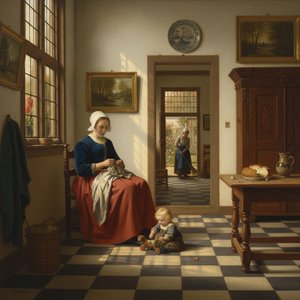
Pieter de Hooch: Illuminating Dutch Domestic Life & Golden Age Charm
Explore the captivating world of Pieter de Hooch, a master of Dutch Golden Age painting. Discover his innovative use of light, intimate domestic scenes, and lasting influence on art history. Learn more at OriginalUniqueArt.

Willem van de Velde the Elder: Master of Maritime Painting & Chronicler of the Dutch Golden Age
Discover the captivating maritime paintings of Willem van de Velde the Elder, a master chronicler of the Dutch Golden Age. Explore his unparalleled realism and lasting influence on naval art history.

Zlatý věk nizozemského malířství: 10 mistrovských děl pro váš domov | OriginalUniqueArt.com
Prozkoumejte 10 ikonických děl nizozemského zlatého věku – Rembrandt, Vermeer a další mistři. Objevte příběhy za obrazy, techniky a inspiraci pro váš interiér s reprodukcemi nejvyšší kvality na OriginalUniqueArt.com.


