Zobrazit v interiéru
 Odeslat
 Sdílet
 Podrobnosti
 Průvodce

 Stáhnout obrázek
 Podobné kousky
 Rentgenové snímky
 Slideshow
 Statistiky
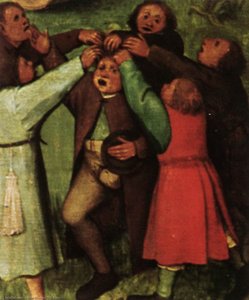
Desidia (Sloth), 1557


 Přečíst si více
Giclée / Umělecký tisk
Giclée nebo plátěný tisk muzeální kvality s rychlou výrobou a širokou nabídkou povrchových úprav. ( Objednat ručně malovanou reprodukci Přepnout na digitální verzi obrazu)




P118B Kč10

P118H Kč10

P118W Kč10

P438Z Kč10

P508JH Kč12

P508YH Kč12

P805H Kč10

P805Z Kč10

P919BZ Kč10

P919G Kč10

P919XJ Kč10

P959ZH Kč10

P968JZ Kč12

W106C Kč8

W218G Kč10

W218JH Kč8

W218Y Kč10

W307PJ Kč10

W316G Kč10

W316PJ Kč8

W316Y Kč10

W398PJ Kč8

W4111J Kč10

W500HY Kč15

W500JH Kč15

W692G Kč12

W849H Kč8

W940BG Kč15

W953PJ Kč8




Vyberte si z našich přednastavených velikostí, které odpovídají původním proporcím díla.

Zadejte šířku a výšku, které potřebujete pro váš rám nebo stěnu. Tisk lze pouze oříznout, nikdy však nelze zvětšit obraz nad jeho původní rozměr, proto při výběru jiného formátu dochází ke ztrátě části obrazu. Před samotným tiskem vám zašleme digitální náhled k schválení. Obraz zobrazený na této stránce nenabízí skutečný výřez — ten uvidíte pouze v náhledu.
Celosvětové doručení () do 2 týdnů namísto standardních 4/5 týdnů. (22 říjen)

Zdarma celosvětová expresní doprava

Vysoce kvalitní lněné plátno

Úplné pojištění přepravy

Záruka vrácení celního poplatku

Záruka věrného barevného shodu

100dení lhůta pro vrácení zboží (pouze při vadách výroby)

100% garance vrácení peněz

Sleva při více objednávkách
 Skleněná varianta je dostupná pouze u rozměrů menších než 110 cm

Desidia (Sloth), 1557
Giclée / Umělecký tisk
Velikost reprodukce
-


Celková cena
Kč 1713
A Tapestry of Inertia: The World Within Bruegel’s Desidia
In the vast, swirling landscape of Pieter Bruegel the Elder’s 1557 masterpiece, Desidia (Sloth), the viewer is not merely presented with a painting, but rather invited into a profound psychological state. At first glance, the composition appears to be a bustling tableau of Northern Renaissance life, yet beneath the surface of this lively scene lies a biting critique of human stagnation. Bruegel, a master of capturing the intricate dance between the mundane and the moral, utilizes a sprawling landscape to house a multitude of figures—men, women, animals, and even aquatic life—all caught in various states of aimless existence. It is a world where movement exists without purpose, and activity serves only to mask a deeper, more unsettling stillness.
The technique employed by Bruegel is nothing short of miraculous, showcasing a meticulous attention to detail that draws the eye through an endless labyrinth of narrative threads. Every brushstroke contributes to a sense of overwhelming abundance; one might find themselves mesmerized by the texture of a distant boat laden with goods or the subtle, weary expression on a figure lost in thought. This level of precision creates a sensory experience that is both immersive and exhausting, mirroring the very concept of sloth—a heavy, inescapable weight that settles over the landscape. For the collector or designer, this complexity offers an unparalleled depth, as the artwork reveals new secrets upon every subsequent viewing.
Symbolism and the Weight of the Human Condition
To gaze upon Desidia is to engage with the intellectual ferment of the mid-16th century. Created during a period where the High Renaissance was transitioning into the more stylized Mannerism, Bruegel’s work stands as a humanist observation of vice and virtue. The painting serves as a moralizing mirror, reflecting the anxieties of a society grappling with newfound wealth and the temptations of material luxury. The central personification of Sloth—often depicted through dozing figures or sluggish animals like the iconic donkey—acts as a focal point for a broader commentary on the loss of spiritual and civic purpose. Bruegel masterfully weaves visual proverbs into the scenery, where even a man stuck in a house or a group of gamblers at a tavern becomes a symbol of the soul's inertia.
There is an undeniable emotional resonance in how Bruegel balances the grotesque with the beautiful. He does not shy away from portraying the unpolished or the unsightly, yet he imbues the entire composition with a rhythmic, almost musical quality. This duality makes the piece particularly compelling for modern interiors; it possesses the gravitas of a historical document while maintaining a vibrant, living energy. It is an artwork that demands contemplation, challenging the viewer to reflect on their own relationship with ambition, productivity, and the quiet, often dangerous, allure of doing nothing at all.
An Eternal Masterpiece for the Discerning Eye
For those seeking to curate a space with profound narrative power, a high-quality reproduction of Desidia offers more than just decoration; it provides a window into the Renaissance mind. The painting’s ability to anchor a room with its historical weight and intricate storytelling makes it an ideal centerpiece for libraries, studies, or sophisticated living areas. It is a piece that speaks to the intellect and stirs the imagination, bridging the gap between the 16th-century Flemish landscape and the contemporary aesthetic of thoughtful, curated living.
Owning a tribute to Bruegel’s genius allows one to preserve the legacy of Northern European expression. Whether viewed as a study in Renaissance technique or as a profound philosophical statement on the nature of human behavior, Desidia remains an enduring icon of art history—a timeless reminder that even in our most idle moments, there is a complex and beautiful story unfolding.
Otázky a odpovědi
Který prostor nejlépe ladí s barvami díla „Desidia (Sloth), 1557“ od Pieter Bruegel starší?
Dílo „Desidia (Sloth), 1557“ od Pieter Bruegel starší s svou paletou Neutrals se doporučuje do Living Room. Barvy jsou jedním z důvodů tohoto doporučení.
Je dílo „Desidia (Sloth), 1557“ od Pieter Bruegel starší spíše světlé, nebo tmavé?
U díla „Desidia (Sloth), 1557“ od Pieter Bruegel starší je zaznamenána jasnost brilliant při luminanci Bright Balance.
Jaká jsou práva k reprodukci díla „Desidia (Sloth), 1557“ v instituci Albertina?
Autorskoprávní status díla „Desidia (Sloth), 1557“ od Pieter Bruegel starší je jasný: toto dílo spadá do patří do volného užití – autorská práva vypršela. Jeho umístění v instituci Albertina tento stav nemění.
Biografie umělce
A Life Rooted in Renaissance Transformation
Pieter Bruegel the Elder emerged během hluboké transformace, doby, kdy se umělecký obraz Evropy posouvalo z ideálů italského Renesansu k rostoucím složitostem severoevropského vyjádření. Narodil se přibližně mezi lety 1525 a 1530, pravděpodobně v Břeclavi – i když detaily jeho raného života zůstávají částečně mlhavé – a jeho formující roky probíhaly uprostřed náboženských nepokojů a rozkvětu obchodní kultury. Začal svou uměleckou cestu kolem roku 1545 jako učně Petra Coeck van Aelsta, respektovaného malíře z Antverp, známého jak svým uměním, tak návrhy na tapisérie. Toto učebnictví mu poskytlo pevné základy v technických dovednostech olejové malby a kreslení, ale především ho vystavilo humanistickým proudům, které začaly pronikat intelektuální kruhy. Van Aelstův ateliér nebyl jen místo uměleckého výcviku; byl to klych, kde se tradiční techniky setkávaly s novými myšlenkami, utvářející Brueglova budoucí vizi.Wanderings and the Forging of a Unique Vision
Po ukončení učebnictví se Bruegel vydal na rozsáhlé cesty, které nepochopitelně ovlivnily jeho umělecký vývoj. Mezi lety 1551 a 1553 cestoval Francií, Švýcarskem a Itálií, kde kreslil krajiny a ponořil se do různých kultur. Tyto cesty nebyly pouhé turistické zájezdy; byly expedicemi pozorování a učení. Při návštěvě Itálie Bruegel setkal s dílama renesančních mistrů, ale jeho umělecký temperament zůstal typicky severoevropský. Nevyužíval italské styly jen tak, ale spíše je absorboval a filtroval skrze svůj vlastní cit. Alpy, se svými dramatickými vrcholy a údolími, zanechali trvalý dojem na jeho kompozici a atmosférickou perspektivu, které jsou patrné v mnoha jeho pozdějších krajinách. Po návratu do Antverp v roce 1553 byl přijat jako volný mistr do cechu svatého Lukáše, což znamenalo jeho profesní nezávislost a etabloval ho jako uznávaného umělce v živé umělecké komunitě města.Beyond Myth and Religion: A New Focus for Art
Bruegelův skutečný průlom spočíval ve svém předmětu. Odvážně se odklonil od zavedených konvencí renesanční malby, která často soustředila pozornost na náboženské příběhy nebo klasickou mytologii. Místo toho se zaměřil na každodenní život obyčejných lidí – vesničany pracující v polích, vesnické obyvatele oslavující festivaly, lovce procházející sněžnými krajinami. Nebyla to odmítání tradičních témat, ale jejich eskalace na úroveň vysokého umění. Jeho krajiny nebyly jen pozadí; byly aktivními účastníky příběhu, často nabité symbolickým významem a odrážely hluboké porozumění síle a kráse přírody. *Triumf smrti* je děsivý apokalyptický obraz lidské mortality, plný groteskních obrazů a pocitu blížící se zkázy. Malby jako *Vesnické svatba* nabízejí pozoruhodně detailní a nuance zachycující venkovský život bez sentimentalizace. Mistrovsky využíval chiaroscuro – dramatickou hru světla a stínu – k vytvoření hloubky, realismu a emocionálního dopadu v svých kompozicích. Jeho scény nebyly jen zobrazeny tak, jak je viděl; byly interpretacemi světa kolem něj skrze humanistické vyhledávání a uměleckou inovaci.Lasting Legacy: An Influence Across Centuries
Vliv Pietra Bruegela Staršího na budoucí generace umělců je nezpochybnitelný. Položil základy pro malíře zlatého věku v Nizozemsku, inspiroval umělce jako Isaaca van Ostade a Adriaena Brouwera svým realistickým zobrazením venkovského života. Jeho inovativní přístup k krajinářskému umění také otevírá cestu pro pozdější vývoj tohoto žánru, ovlivnil umělce, kteří se snažili zachytit krásu a nádheru přírodního světa. Kromě malby jeho dílo nadále rezonuje s moderními publiky, objevuje se ve filmech jako Andrei Tarkovského *Solaris* (1972) a Larsa von Trieře *Melancholia* (2011), což dokazuje trvalou sílu jeho obrazů. Jeho malby nabízejí nezměnný odraz lidské existence – naši vztah k přírodě, naše boje s smrtí a naši schopnost radosti i smutku. Zemřel v Bruselu v roce 1569 ve věku pouhých čtyřiceti let, zanechávaje za sebou dílo, které nadále okouzluje a inspiruje, etablovaním ho jako jednoho z nejvýznamnějších postav v historii umění.Notable Works and Enduring Themes
- Landscape with the Flight into Egypt: Klidný, ale subtilně symbolický obraz svatého Poruce, který ukazuje Brueglov mistrovství v atmosférické perspektivě.
- Triumf smrti: Děsivý a apokalyptický obraz lidské mortality, plný groteskních obrazů a pocitu blížící se zkázy.
- Vesnická svatba: Živý a detailní obraz venkovského života, zachycující rozruchnou energii a sociální zvyky flemishské vesnice.
- Lovci v zimě: Jedna z ikonických obrazů, která se stala symbolem zimního období, oslavuje krásu a klid sněžné krajiny.
- Babylonská věž: Monumentální dílo zobrazující lidskou ambici a boží soud, které ukazuje Brueglov dovednost vytvářet složité kompozice s jemnými detaily.

Pieter Bruegel starší
1525 - 1569 , Belgie
Rychlé informace
- Artistic Movement Or Style: Renesanční malířství
- Artists Or Movements Influenced By This Artist: ['Holandská zlatá éra']
- Artists Who Influenced This Artist: ['Hieronymus Bosch']
- Date Of Birth: c. 1525
- Date Of Death: 1569
- Full Name: Pieter Bruegel the Elder
- Nationality: Flamand
- Notable Artworks:
- Zemědělec a smrtelník
- Triumf smrti
- Svatba vesnická
- Place Of Birth: Breda, Nizozemsko
Související články

Pieter Bruegel the Elder: A Master of Genre, Landscape & Social Commentary
Explore the life & art of Pieter Bruegel the Elder, a pivotal figure of the Renaissance. Discover his groundbreaking genre scenes, symbolic landscapes, and lasting influence on art history. Learn more at OriginalUniqueArt.

10 mistrovských děl rané nizozemské malby, které změnily umění | OriginalUniqueArt
Objevte 10 ikonických děl rané nizozemské malby – Jan van Eyck, Rogier van der Weyden a další mistři. Ponořte se do renesanční techniky a historie umění s OriginalUniqueArt.com! Prohlédněte si reprodukce obrazů pro váš interiér.

Idyllic Visions: Exploring the Pastoral Scene in Art History – From Arcadia to Modern Interpretations
Explore the captivating history of pastoral art from classical Arcadia to modern masterpieces. Discover key artists like Millet & Cole at OriginalUniqueArt. Find serene landscape paintings for your home.
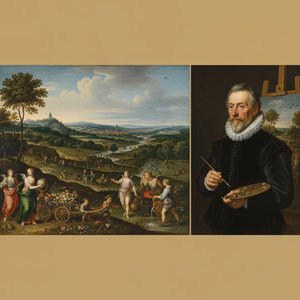
Jan Brueghel the Elder: A Master of Flemish Landscape & Allegory – Exploring Innovation & Influence
Explore the captivating world of Jan Brueghel the Elder, a Flemish Baroque master renowned for his stunning landscapes & allegorical paintings. Discover his collaborations with Rubens and lasting artistic legacy.
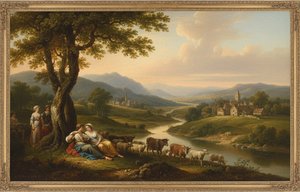
Idyllic Visions: Exploring the Pastoral Tradition in Western Art – Themes, Techniques & Enduring Appeal
Explore the rich history of pastoral art from classical Arcadia to contemporary interpretations. Discover key artists, themes & collecting tips at OriginalUniqueArt.