

 Zobrazit v interiéru
 Odeslat
 Sdílet
 Podrobnosti
 Průvodce

 Stáhnout obrázek
 Podobné kousky
 Rentgenové snímky
 Slideshow
 Statistiky
Peasants by the Hearth
 Oil On Canvas
- WallArt
- Northern Mannerism
 1560
1560- Renaissance
 142.0 x 198.0 cm
 Museum Mayer van den Bergh
 Přečíst si více
Ručně malovaná olejová reprodukce
Ručně malované olejné plátno v libovolném rozměru i s rámem, vyrobené našimi umělci na zakázku. ( Přepnout na tiskové verze Přepnout na digitální verzi obrazu)




P118B $10

P118H $10

P118W $10

P438Z $10

P508JH $12

P508YH $12

P805H $10

P805Z $10

P919BZ $10

P919G $10

P919XJ $10

P959ZH $10

P968JZ $12

W106C $8

W218G $10

W218JH $8

W218Y $10

W307PJ $10

W316G $10

W316PJ $8

W316Y $10

W398PJ $8

W4111J $10

W500HY $15

W500JH $15

W692G $12

W849H $8

W940BG $15

W953PJ $8




Vyberte si z našich přednastavených velikostí, které odpovídají původním proporcím díla.

Můžete zadat vlastní rozměry pro konkrétní rám nebo prostor. Pokud se vámi vybraná velikost neshoduje s proporcemi původního obrazu, dílo buď ořízneme, nebo jej doplníme ručně malovanými prvky. Před zahájením výroby vám bude zaslán digitální náhled ke schválení.
Upozorňujeme, že náhled na obrazovce neodpovídá skutečnému ořezu ani rozšíření. Pouze digitální náhled přesně zobrazí finální kompozici.
Ačkoliv je možné zvolit vlastní velikost, pro zachování původních proporcí doporučujeme vybrat rozměr z předdefinovaného seznamu.
Po přijetí objednávky vám tým OriginalUniqueArt.com zašle e-mail s pokyny a poskytne náhledovou verzi.
Celosvětová doprava () za 3–4 týdny namísto standardních 5 týdnů. (25 září). Bez kompromisů v kvalitě.

Zdarma celosvětová expresní doprava

Vysoce kvalitní lněné plátno

Úplné pojištění přepravy

Záruka vrácení celního poplatku

Záruka věrného barevného shodu

100dení lhůta pro vrácení zboží (pouze při vadách výroby)

100% garance vrácení peněz

Sleva při více objednávkách
 Skleněná varianta je dostupná pouze u rozměrů menších než 110 cm

Peasants by the Hearth
Technika provedení
Velikost reprodukce
-


Celková cena
$ 300
A Warmth That Defies Centuries
In the flickering glow of a mid-16th-century hearth, Pieter Aertsen invites us into a world where the boundaries between the mundane and the magnificent dissolve. Peasants by the Hearth is not merely a depiction of a social gathering; it is a masterclass in atmospheric storytelling. As we gaze upon this expansive oil on canvas, we are immediately enveloped by the amber light and the palpable sense of community radiating from the figures gathered around the fire. The scene captures a moment of profound human connection, where the simple act of sharing a meal or a conversation becomes a sacred ritual of domestic life. For the discerning collector or interior designer, this piece offers more than just visual beauty; it provides a soulful anchor for any room, bringing an enduring sense of warmth and historical depth to a contemporary space.
The composition is a triumph of Northern Mannerist detail, showcasing Aertsen’s unique ability to weave complex narratives into the fabric of everyday existence. The artist utilizes a rich, earthy palette—deep ochres, burnt umbers, and soft shadows—to construct a sense of three-dimensional reality that feels almost tactile. One can almost smell the woodsmoke and hear the low murmur of voices. Through his meticulous technique, Aertsen directs our eyes across the room, from the seated figures engaged in quiet contemplation to the subtle placement of household objects like the humble bowl and spoon. These small, realistic details serve as the heartbeat of the painting, grounding the larger social drama in a tangible, relatable reality that resonates with anyone who finds beauty in the quiet corners of life.
The Art of the Everyday: Symbolism and Legacy
Beyond its surface charm, Peasants by the Hearth functions as a complex tapestry of symbolism characteristic of the Dutch and Flemish traditions. During this era, the depiction of peasant life was often used to reflect broader societal values, where the abundance of food and the stability of the hearth symbolized prosperity and divine blessing. The arrangement of the figures—some standing in motion, others anchored by the heavy wooden chairs—creates a rhythmic balance that mirrors the structured yet lively nature of communal living. Aertsen, an architect of domestic narrative, uses these elements to elevate the "low" subject matter of genre painting to a level of high art, suggesting that there is profound dignity and spiritual significance to be found in the simplest human interactions.
For those looking to adorn a home with a piece of history, this reproduction offers an unparalleled opportunity to possess a fragment of the Northern Renaissance. The sheer scale of the original work, measuring 142 x 198 cm, allows for a commanding presence in a grand dining room or a sophisticated study. It is a conversation starter that bridges the gap between the 1560s and the modern day, offering a timeless aesthetic that complements both classical and eclectic interior styles. To hang this painting is to invite a sense of heritage, comfort, and intellectual curiosity into one's surroundings, ensuring that the hearth of the home remains forever bright with the spirit of Aertsen’s enduring masterpiece.
Biografie umělce
Pieter Aertsen: The Architect of Domestic Narrative
Pieter Aertsen, a name often whispered in the halls of art history, stands as a pivotal figure bridging the gap between Northern Mannerism and the burgeoning realism of the Dutch Golden Age. Born in Amsterdam around 1508 and tragically dying in the same city in 1575, Aertsen’s legacy isn't defined by grand religious commissions or heroic portraits, but rather by his revolutionary approach to genre painting – a deliberate elevation of everyday life, imbued with layers of symbolism and narrative depth. He wasn’t merely depicting scenes; he was constructing miniature worlds, inviting viewers into a complex tapestry of human experience.
Aertsen's early training under Allaert Claesz provided him with a solid foundation in traditional Flemish techniques. However, it was his relocation to Antwerp, the vibrant heart of artistic innovation during the mid-16th century, that truly shaped his distinctive style. Antwerp’s bustling atmosphere, its diverse population, and its position as a crossroads of European trade fostered an environment ripe for experimentation – a stark contrast to the more rigidly defined religious conventions of the time. Here, he joined the esteemed Guild of Saint Luke, earning the moniker “Langhe Peter,” or Tall Peter, reflecting his imposing stature, a detail often incorporated into his portraits.
The Invention of Monumental Genre
Aertsen’s most significant contribution to art lies in his pioneering work – the creation of what is now recognized as monumental genre scenes. Unlike earlier depictions of domestic life that were relegated to smaller, secondary spaces within religious compositions, Aertsen placed everyday activities – market scenes, butcher shops, still lifes – squarely at the forefront of his canvases. This wasn’t simply a shift in subject matter; it represented a fundamental change in artistic priorities. He deliberately blurred the lines between different genres – still life, landscape, and narrative – creating complex compositions that demanded active engagement from the viewer.
His most famous example, the *Butcher's Shop with the Flight into Egypt* (1551), exemplifies this revolutionary approach. The scene is dominated by a meticulously rendered butcher’s stall overflowing with meat, vegetables, and tools – an astonishingly detailed still life that immediately grabs the viewer’s attention. Yet, subtly interwoven within this seemingly mundane setting are elements of biblical narrative: the Holy Family fleeing into Egypt, depicted in miniature on a small panel above the counter. This layering of realities – the tangible world of commerce juxtaposed with the spiritual realm of faith – became a hallmark of Aertsen's work and profoundly influenced generations of artists to come.
Symbolism and the Language of Objects
Aertsen’s scenes are not merely visually arresting; they are rich in symbolic meaning. Each object, each gesture, carries weight and contributes to a larger narrative or moral commentary. The arrangement of items within a still life, for instance, could represent earthly pleasures versus spiritual rewards, wealth versus poverty, or even the fleeting nature of time. The *Butcher’s Shop* is particularly laden with symbolism: the abundance of food represents worldly prosperity, while the presence of oysters and mussels – associated with lust – serves as a cautionary tale.
Furthermore, Aertsen drew inspiration from earlier artists like Joachim Patinir, who had pioneered the use of landscape elements within religious scenes to create atmospheric depth and visual interest. Aertsen adopted this technique, integrating miniature landscapes – a church window, a pastoral scene – into his genre compositions, further expanding the scope of his narratives and inviting viewers to contemplate multiple realities simultaneously.
Influences and Artistic Development
Initially trained in the traditional Flemish style under Allaert Claesz, Aertsen’s work underwent a significant transformation during his time in Antwerp. He absorbed the influences of artists like Jan van der Straet, known for his dynamic compositions and attention to detail, as well as Joachim Patinir, whose use of landscape created atmospheric depth. Aertsen skillfully combined these elements with his own innovative approach, creating a unique visual language that distinguished him from his contemporaries.
His early works demonstrate a clear adherence to Flemish conventions, but gradually he began to prioritize the foreground and imbue everyday scenes with symbolic weight. This shift is particularly evident in *The Butcher’s Shop*, where the still life elements are not merely decorative but integral to the narrative. Aertsen's later paintings continued to evolve, incorporating more complex compositions and a greater emphasis on psychological realism.
Legacy and Historical Significance
Pieter Aertsen’s influence on subsequent generations of artists is undeniable. His innovative approach to genre painting paved the way for the rise of Dutch still life as a distinct artistic genre, influencing figures like Jan Sanders van Hemessen and, crucially, his son, Pieter Pietersz the Elder. Aertsen's emphasis on realistic detail, combined with his masterful use of symbolism and narrative layering, set a precedent for later artists who sought to capture the complexities of everyday life.
Even more remarkably, Aertsen’s work anticipated developments in Italian painting. The Renaissance humanist Hadrianus Junius (Adriaen de Jonghe) compared Aertsen to Peiraikos, an ancient Greek painter celebrated for his ability to depict ordinary subjects with extraordinary realism and symbolic depth. This comparison underscored Aertsen's pioneering role in challenging traditional artistic conventions and elevating the status of genre painting.
Despite the destruction of many of his works during the iconoclasm of the Beeldenstorm (the Protestant Reformation’s icon-smashing movement) in Amsterdam, Aertsen’s legacy endures. His paintings continue to fascinate art historians and viewers alike, offering a glimpse into a world where the mundane becomes profound and everyday life is transformed into a rich tapestry of meaning.

Pieter Aertsen
1508 - 1575 , Nizozemsko
Rychlé informace
- Artistic Movement Or Style: Severní manýrismus
- Artists Or Movements Influenced By This Artist: ['Joachim Patinir']
- Artists Who Influenced This Artist: ['Allaert Claesz']
- Date Of Birth: 1508, Amsterdam
- Date Of Death: 1575, Amsterdam
- Full Name: Pieter Aertsen
- Nationality: Holandský
- Notable Artworks:
- Butcher's Shop
- Tržnice
- Place Of Birth: Amsterdam, Nizozemsko
Související články
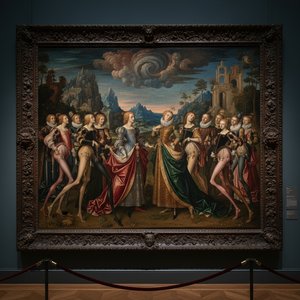
Northern Mannerism: The Dramatic Evolution of Renaissance Art and the Mastery of Elegant Distortion
Explore the dramatic evolution of Northern Mannerism. Discover how masters like Bosch and Grünewald transitioned from Renaissance harmony to profound, elegant distortion through an expert analysis of symbolism, emotional intensity, and artistic innovation.

Northern Mannerism: The Dramatic Evolution of European Art through Elegant Distortion and Tension
Explore the dramatic evolution of Northern Mannerism. Discover how 16th-century artists moved from Renaissance harmony to elegant distortion, tension, and complex symbolism in European art history.

High Medieval Art: 10 Masterpieces That Shaped an Era | OriginalUniqueArt
Journey through High Medieval Art! Explore 10 iconic masterpieces – from Giotto's frescoes to stunning Gothic cathedrals. Discover the stories behind these timeless paintings, sculptures & illuminated manuscripts. Find museum-quality art reproductions at OriginalUniqueArt.com.
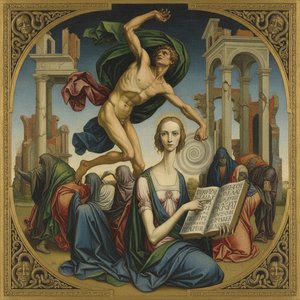
Beyond Perfection: The Dramatic Elegance and Intellectual Tension of Renaissance Mannerism
Explore the captivating world of Renaissance Mannerism. Discover how artists moved beyond High Renaissance harmony into a realm of elegant distortion, psychological tension, and dramatic beauty that bridged the gap to the Baroque era.
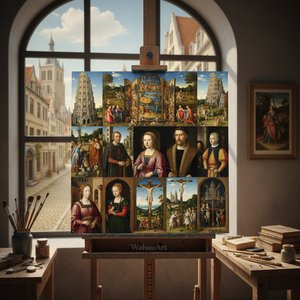
Top 10 mistrovských děl severní renesance – obrazy a umění pro váš domov | OriginalUniqueArt.com
Objevte 10 ikonických děl severní renesance – Jan van Eyck, Dürer a další mistři. Ponořte se do příběhů umění, technik a barev. Reprodukce obrazů pro váš domov na OriginalUniqueArt.com.

