Baroque
Immaculate Conception (Pierre Puget)
Pierre Puget (1620–1694) vytvořil dílo Immaculate Conception. Patří k hnutí Baroque. Je vyrobeno z Marble.
- Marble

 Ručně malovaná olejná reprodukce
 Sdílet
 Sdílet
 Informační list pro studenty


 Stáhnout
 Podobné položky
 Slideshow
 Otázky a odpovědi

 Statistiky
Immaculate Conception v kostce
- Název díla
- Immaculate Conception
- Autor
- Pierre Puget (1620–1694)
- Rok narození umělce
- Marseille, Francie
- Technika
- Marble
- Pohyb
- Baroque
- Období
- Early Modern
- Motiv
- woman, drapery, clouds, marble, sculpture, architecture
Co przedstawuje dílo Immaculate Conception?
The Immaculate Conception by Pierre Puget
In this sculpture, titled Immaculate Conception, Pierre Puget explores a profound moment of Christian iconography. The work depicts the Virgin Mary, specifically representing her conception without the presence of original sin. It is a piece that captures a sense of spiritual elevation through its religious subject matter. The figure is presented in a way that suggests a state of being preserved from the effects of Adam's sin.
The creation of this work was tied to the patronage of the French nobleman Emmanuel Brignole. It was intended for a specific setting, serving as a notable statue for the chapel of an Albergo in Genoa. This commission highlights the artist's presence in Italy and his ability to fulfill the requirements of significant private patrons. The sculpture remains a significant example of his ability to translate complex theological concepts into physical form.
Composition and Visual Elements
The composition is organized around a strong vertical orientation, drawing the eye upward to emphasize a sense of spiritual ascension. The central figure is positioned slightly off-center, a subtle choice that lends a natural, unforced quality to the movement. This figure is captured in a dynamic pose, appearing to rise or float effortlessly above the scene. Beneath the main subject, a swirling cloud base provides a turbulent foundation, populated by several small figures that add a sense of scale and complexity to the celestial realm.
A decorative architectural background frames the scene, providing a structured contrast to the organic, flowing forms of the sculpture. This backdrop creates a sense of depth, placing the figure in a defined space while the overlapping layers of the clouds and the architectural elements establish a clear foreground and background. The interplay between the smooth, rising lines of the body and the more complex, undulating shapes of the clouds creates a rhythmic tension throughout the work.
Technique and Material Composition
The sculpture is carved from marble, a choice that allows for a profound exploration of surface and light. There is a deliberate contrast in how the stone is treated across the composition. The figure’s drapery is rendered with a softness that suggests flowing fabric, catching the light to create a sense of weightless movement. This smoothness is a testament to the precision of the carving, giving the marble a delicate, almost ethereal quality as it wraps around the form.
Beneath the central figure, the texture shifts significantly. The cloud base is treated with a much rougher, more turbulent finish, providing a tactile counterpoint to the polished skin and cloth above. This variation in surface creates a sense of depth and physical presence. The lighting in the space is diffused, which works in harmony with the material to produce soft shadows and subtle highlights. These tonal shifts emphasize the three-dimensionality of the work, defining the anatomy and the complex folds of the stone without harshness.
The Artistic Style of Pierre Puget
Puget’s approach to sculpture is deeply rooted in the Baroque tradition. This work exemplifies his ability to infuse stone with a sense of movement and theatricality. There is a palpable emotional intensity here, achieved through a style defined by expressive realism. The figure does not merely exist in space; it seems to inhabit a moment of profound spiritual transition.
One can sense the influence of Michelangelo in the powerful, muscular presence of the figures and the weight of the forms. This strength is balanced by a dynamism reminiscent of Bernini, particularly in how the composition directs the eye through swirling, energetic lines. The interplay between the heavy drapery and the lightness of the ascending figure creates a tension that is central to his aesthetic. It is a style that favors raw energy and a certain dramatic gravity over the more restrained, academic traditions of the period.
Related Works by Pierre Puget
To understand the breadth of Puget's sculptural language, one might look toward his monumental figures that inhabit the gardens of Versailles. His celebrated groups, Milo of Croton and Perseus and Andromeda, demonstrate the same dramatic intensity found in his religious commissions. These works reveal a capacity for handling large-scale marble with a sense of movement that defines much of his output during the French Baroque period.
His time in Genoa allowed for a profound exploration of sacred subjects. During this period, he produced the statue of the Virgin in 1670, a work that shares a certain spiritual weight with the Immaculate Conception. His presence in the Italian peninsula is further marked by the monumental statues created for the pillars of the church of Santa Maria di Carignano, specifically the figures of Saint Sebastian and Bishop Alexander Paoli.
Other significant pieces highlight his ability to balance classical themes with raw energy. The Hercule Gaulois, currently held in the Louvre, remains a notable example of his skill in capturing physical tension. Whether working on religious altarpieces or mythological subjects, Puget maintained a distinctive approach to form that set him apart from the more academic traditions of his contemporaries.
Vysokorozlišené fotografie díla Immaculate Conception
Pierre Puget, Immaculate Conception. Veřejná doména
Odpovědi na otázky k dílu Immaculate Conception
V jaké technice je vytvořeno dílo „Immaculate Conception“ od Pierre Puget?
„Immaculate Conception“ je dílo vytvořené v technice Marble.
Co zachycuje dílo "Immaculate Conception"?
Motivy díla „Immaculate Conception“ jsou woman, drapery, clouds, marble, sculpture, architecture.
Patří „Immaculate Conception“ od Pierre Puget do volného tisku?
Co se týče autorských práv, dílo "Immaculate Conception" spadá do v rámci volného užití – autorská práva vypršela.
K kterému umělci je dílo "Immaculate Conception" připisováno?
Dílo "Immaculate Conception" vytvořil/a Pierre Puget. Informace na této stránce popisují originální dílo umělce Pierre Puget.
K jakému stylu patří „Immaculate Conception“?
Umělecký směr, ke kterému patří dílo „Immaculate Conception“ od Pierre Puget, je Baroque. Tato klasifikace toto dílo umísťuje mezi související umělce a další umělecká díla.
Do které období tvorby Pierre Puget patří dílo „Immaculate Conception“?
„Immaculate Conception“ představuje období Mature Period umělce Pierre Puget.
Proč má dílo „Immaculate Conception“ právě takový autorský status?
Dílo „Immaculate Conception“ od Pierre Puget spadá do v rámci volného užití – autorská práva vypršela. Autorská práva se počítají od roku úmrtí autora; Pierre Puget zemřel(a) v roce 1694.
Jakým způsobem se dílo „Immaculate Conception“ vpisuje do celkové tvorby umělce Pierre Puget?
„Immaculate Conception“ patří k dílu Pierre Puget v rámci směru Baroque, jehož typická témata zahrnují pietro da cortona, annibale carracci, rubens, christian iconography, baroque sculpture, genoese period works.
Jakým způsobem se motiv díla „Immaculate Conception“ vztahuje k obvyklým tématům umělce Pierre Puget?
„Immaculate Conception“ zachycuje woman, drapery, clouds, marble, sculpture, architecture, zatímco v díle umělce Pierre Puget se setkáváme s tématy jako pietro da cortona, annibale carracci, rubens, christian iconography, baroque sculpture, genoese period works. Porovnání těchto dvou aspektů odhaluje, jak toto dílo navazuje na obvyklá témata tohoto autora.
O umělci, Pierre Puget
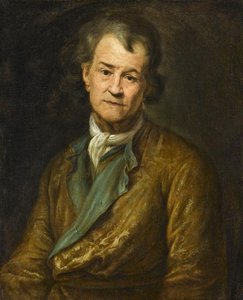
1620–1694, Francie
Pierre Puget
Pierre Puget: Život zasvěcený umění a inženýrství Narozen: Marseille, Francie (1620) Zemřel: 1694 Raný život a italské vlivy Učňovství: Puget svou kariéru rozpoczął již ve čtrnácti letech, kdy vyřezával ornamenty pro galeje stavěné v Marseille. Tato raná zkušenost s řemeslnou prací položila pevné základy pro jeho pozdější umělecké ambice. Cesta do Itálie (1640): V hledání nových příležitostí vyrazil do Itálie, nejprve do Livorna a následně do Florencie, kde si dále zdokonaloval své schopnosti jako dřevořezák a malíř. Řím a Pietro da Cortona: Zlomovým okamžikem nastalo, když jej v Římě přijal pod svou křídla mistr Pietro da Cortona.
Také od autora Pierre Puget
 Setkání Alexandra Velikého a Diogéna1671
 Milo z Krotonu1671
 The Meeting of Alexander the Great and Diogenes1671
 Autorportrét1668
Eseje k tématu Immaculate Conception
 Masterpieces of Murillo: The Top 25 Essential Artworks by the Spanish Baroque MasterExplore 25 iconic works by Murillo, the master of Spanish Baroque. Discover his divine light and beauty. Explore the full collection online.
 25 Essential Works by Pierre Puget: The Greatest Sculptures and Paintings of a Baroque IconExplore 25 iconic works by Pierre Puget, from Baroque sculptures to dramatic paintings. Discover the full collection online at OriginalUniq…
 25 Essential Works by Domenico Beccafumi: A Guide to the Sienese VisionaryExplore 25 iconic works by Domenico Beccafumi and his Sienese Mannerism style. Discover the full collection online at OriginalUniqueArt.com.