

 Náhled v interiéru
 Sdílet
 Sdílet
 Podrobnosti o díle
 Průvodce

 Stáhnout
 Podobné položky
 Rentgenové snímky
 Slideshow
 Statistiky
Bacchus und Ariadne
 Oil On Canvas
- WallArt
- Baroque
 1740
1740- Early Modern
 72.0 x 95.0 cm
 Sanssouci Palace
 Zobrazit více
Giclée / Umělecký tisk
Giclée nebo plátěný tisk muzeální kvality s rychlou výrobou a širokou nabídkou povrchových úprav. ( Koupit ručně malovaný obraz Přepnout na digitální obraz)




P118B Kč10

P118H Kč10

P118W Kč10

P438Z Kč10

P508JH Kč12

P508YH Kč12

P805H Kč10

P805Z Kč10

P919BZ Kč10

P919G Kč10

P919XJ Kč10

P959ZH Kč10

P968JZ Kč12

W106C Kč8

W218G Kč10

W218JH Kč8

W218Y Kč10

W307PJ Kč10

W316G Kč10

W316PJ Kč8

W316Y Kč10

W398PJ Kč8

W4111J Kč10

W500HY Kč15

W500JH Kč15

W692G Kč12

W849H Kč8

W940BG Kč15

W953PJ Kč8




Vyberte si z našich přednastavených velikostí, které odpovídají původním proporcím díla.

Zadejte šířku a výšku, které potřebujete pro váš rám nebo stěnu. Tisk lze pouze oříznout, nikdy však nelze zvětšit obraz nad jeho původní rozměr, proto při výběru jiného formátu dochází ke ztrátě části obrazu. Před samotným tiskem vám zašleme digitální náhled k schválení. Obraz zobrazený na této stránce nenabízí skutečný výřez — ten uvidíte pouze v náhledu.
Celosvětové doručení () do 2 týdnů namísto standardních 4/5 týdnů. (26 říjen)

Zdarma celosvětová expresní doprava

Vysoce kvalitní lněné plátno

Kompletní pojištění přepravy

Záruka vrácení celního poplatku

Záruka věrného barevného souladu

100dení lhůta pro vrácení zboží (pouze při vadách výroby)

100% záruka vrácení peněz

Sleva při více objednávkách
 Skleněná varianta je dostupná pouze u rozměrů menších než 110 cm

Bacchus und Ariadne
Giclée / Umělecký tisk
Rozměry reprodukce
-


Celková cena za vybrané možnosti reprodukcí
Kč 1712
A Baroque Rhapsody: Cazes’s “Bacchus und Ariadne”
Pierre-Jacques Cazes's "Bacchus und Ariadne," painted around 1740, is more than just a depiction of a classical myth; it’s a vibrant explosion of color and movement, a testament to the flourishing Baroque style in 18th-century France. The painting transports us to the sun-drenched shores of Naxos, where the god Bacchus, pursued by Cupid's fateful arrow, dramatically claims the abandoned Ariadne. Cazes masterfully captures the intoxicating energy of this pivotal moment, weaving together elements of drama, sensuality, and divine intervention into a single, unforgettable scene.
The composition itself is a carefully orchestrated dance of figures. Ariadne, positioned on the left, gestures towards the departing ship of Theseus, a poignant reminder of her abandonment and a subtle foreshadowing of the tragic romance to come. Bacchus, resplendent in flowing robes and a confident stride, dominates the center, his hand outstretched as if inviting her into his ecstatic world. The backdrop—a stylized seascape hinting at the island’s rugged coastline—provides a dramatic stage for this mythological encounter. Beyond the immediate narrative, Cazes employs a dynamic diagonal thrust that pulls the viewer's eye through the crowded scene, creating a sense of perpetual motion and heightened emotion.
A Masterclass in Baroque Technique
Cazes’s skill as a painter is immediately evident in his masterful use of oil paint on canvas. The texture is rich and layered, achieved through impasto techniques – visible brushstrokes that build up the forms and create a palpable sense of volume. The colors are intensely saturated, particularly the reds and golds used to depict Bacchus’s garments and the shimmering light reflecting off the sea. Notice how he expertly blends warm hues with cooler blues in the background, establishing depth and creating an atmospheric perspective that draws us into the scene.
Furthermore, Cazes demonstrates a keen understanding of chiaroscuro – the dramatic interplay of light and shadow. Strong contrasts highlight key figures like Bacchus and Ariadne, while softer lighting envelops the surrounding revelers, contributing to the painting’s overall sense of drama and theatricality. The meticulous detail evident in each figure's drapery, facial expression, and even the expressions on the faces of the Bacchantin adds a remarkable level of realism and engagement.
Symbolism Woven into Myth
“Bacchus und Ariadne” is replete with symbolic elements that enrich its narrative beyond a simple retelling of the myth. The laurel tree, prominently featured in the background, represents Daphne’s transformation – a crucial element of the story where she becomes immortalized as the constellation Corona Borealis after being pursued by Apollo. The presence of Hymenaios, the god of marriage, descending with his torch signifies the union between Bacchus and Ariadne, promising a future filled with abundance and celebration. Even the drunken Silen on the donkey, a symbol of excess and revelry, underscores the intoxicating nature of Bacchus’s world.
The inclusion of numerous figures – Bacchantins dancing wildly, playful Genies, and a slumbering tiger – further amplifies the painting's themes of fertility, intoxication, and the wildness of the divine. These elements contribute to a vibrant tapestry of imagery that speaks to the core values of the Baroque period: exuberance, emotion, and an embrace of the sensual.
A Legacy of Artistic Influence
Originally commissioned by King Friedrich II of Prussia, “Bacchus und Ariadne” reflects the artistic tastes of the European elite. The painting’s opulent style and dramatic composition were highly valued during this era, serving as a symbol of royal power and refined taste. Cazes's work exemplifies the academic tradition of French art, emphasizing historical and mythological subjects rendered with meticulous detail and a strong sense of realism. His influence can be seen in the works of subsequent generations of artists, cementing his place as a pivotal figure in the development of French Baroque painting.
Today, reproductions of “Bacchus und Ariadne” continue to captivate audiences with their vibrant colors, dynamic composition, and evocative storytelling. It remains a powerful example of Baroque artistry—a timeless celebration of myth, passion, and the intoxicating allure of the divine.
Otázky a odpovědi
Jakou techniku a styl charakterizuje „Bacchus und Ariadne“ od Pierre Jacques Cazes?
V díle "Bacchus und Ariadne" se setkává technika Oil On Canvas sismem Baroque.
Je dílo "Bacchus und Ariadne" typické pro to, co Pierre Jacques Cazes obvykle vytvářel/a?
Mezi opakující se témata umělce Pierre Jacques Cazes patří baroque drama & grandeur, classical mythology's allure, religious allegory – divine love", royal patronage & prestige, "teaching artist, stylistic guide", french courtly art tradition, mythological narratives popular; dílo „Bacchus und Ariadne“ se zaměřuje na mythological scene, classical mythology, bacchus and ariadne, greek gods, naxos island, baroque drama, ecstatic figures.
Z jakého historického období pochází „Bacchus und Ariadne“ od Pierre Jacques Cazes?
Historické období díla „Bacchus und Ariadne“ od Pierre Jacques Cazes je Early Modern. Tato klasifikace zasaduje dílo do kontextu dějin umění.
Související články
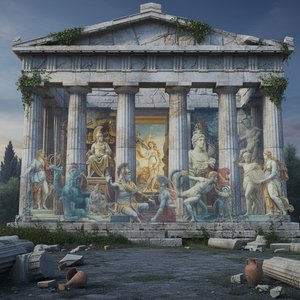
Echoes of Olympus: Mythological Narratives in Western Art Through the Ages
Explore the captivating history of mythological narratives in Western art! From ancient Greece to modern masterpieces, discover iconic artworks & symbolism. Expert analysis and high-quality reproductions at OriginalUniqueArt.
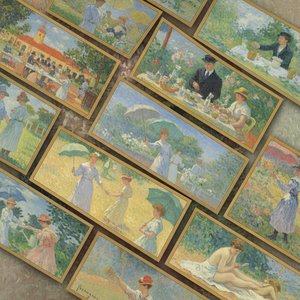
Pierre-Auguste Renoir: Top 25 děl impresionismu pro váš domov | OriginalUniqueArt.cz
Objevte top 25 děl Pierre-Auguste Renoira – impresionistické ikony plné světla a radosti. Prozkoumejte příběhy slavných obrazů, techniky malby a inspirujte se pro váš domov s OriginalUniqueArt.cz! Reprodukce obrazů nejvyšší kvality.

Barokní mistrovská díla: 10 obrazů, které definovaly umělecký styl | OriginalUniqueArt.cz
Objevte 10 ikonických děl barokního umění – od Caravaggia po Rembrandta. Ponořte se do příběhů mistrů, technik a emocí tohoto velkolepého období. Reprodukce obrazů nejvyšší kvality na OriginalUniqueArt.com! Prozkoumejte celou kolekci online.

Barokní drama: Umění, které vnáší velkolepost do domova
Objevte velkolepost barokního stylu v interiéru! Průvodce klíčovými prvky, inspirace a tipy pro integraci do moderního bydlení. Reprodukce umění s .

The Dramatic Flourish: Exploring the Baroque Movement's Enduring Legacy in Art History
Explore the dramatic world of Baroque art! Discover iconic artists like Caravaggio & Rubens, defining techniques, and its lasting impact on art history. Expert insights for collectors & enthusiasts at OriginalUniqueArt.