

 Zobrazit v interiéru
 Odeslat
 Sdílet
 Podrobnosti
 Průvodce

 Stáhnout obrázek
 Podobné kousky
 Rentgenové snímky
 Slideshow
 Statistiky
Costume sketches for Aida


 Přečíst si více
Giclée / Umělecký tisk
Giclée nebo plátěný tisk muzeální kvality s rychlou výrobou a širokou nabídkou povrchových úprav. ( Objednat ručně malovanou reprodukci Přepnout na digitální verzi obrazu)




































Vyberte si z našich přednastavených velikostí, které odpovídají původním proporcím díla.

Můžete zadat vlastní rozměry tak, aby výtvor odpovídal konkrétnímu rámu nebo prostoru. Pokud zvolená velikost nebude odpovídat poměru stran původního obrazu, dílo buď ořížeme, nebo obraz rozšíříme pomocí zrcadlového efektu či jednobarevného okraje. Před zahájením výroby vám bude zaslán digitální náhled k schválení.
Mějte prosím na paměti, že náhled na obrazovce neodráží skutečné oříznutí nebo rozšíření. Pouze digitální náhled přesně zobrazí finální kompozici.
Ačkoliv jsou k dispozici i vlastní rozměry, pro zachování původních proporcí doporučujeme vybrat si rozměr z předdefinovaného seznamu.
Celosvětové doručení () do 2 týdnů namísto standardních 4/5 týdnů. (27 září)

Zdarma celosvětová expresní doprava

Vysoce kvalitní lněné plátno

Úplné pojištění přepravy

Záruka vrácení celního poplatku

Záruka věrného barevného shodu

100dení lhůta pro vrácení zboží (pouze při vadách výroby)

100% garance vrácení peněz

Sleva při více objednávkách
 Skleněná varianta je dostupná pouze u rozměrů menších než 110 cm

Costume sketches for Aida
Giclée / Umělecký tisk
Velikost reprodukce
-


Celková cena
$ 80
Biografie umělce
Piero Zuffi: Architect of Illusion, Pioneer of Stagecraft
Born in Imola, Italy, in 1919, Piero Zuffi’s life was a testament to a restless creative spirit, constantly seeking new ways to shape and manipulate the perception of space. His journey began not with brushes and canvas, but with the demanding world of theater design, a formative experience that would profoundly influence his artistic vision for decades to come. Early training in Latin America provided him with a crucial exposure to diverse cultural perspectives, laying the groundwork for his later explorations of form and illusion. This international upbringing instilled within him a unique ability to synthesize disparate influences into a singular, strikingly original style – one characterized by an almost architectural rigor combined with a deep understanding of theatrical drama.The Rise in Milan: Collaboration at La Scala
Zuffi’s career truly took flight in 1952 when he relocated to Milan and began collaborating with the Piccolo Teatro, quickly establishing himself as a leading set designer. However, it was his decade-long partnership with La Scala opera house in the 1950s and 60s that cemented his place in theatrical history. This collaboration wasn’t simply about creating beautiful backdrops; Zuffi fundamentally challenged conventional stage design practices. He rejected the traditional use of curtains, opting instead for fixed structures – monumental, often geometric forms – that dictated the audience's gaze and subtly guided their experience within the opera’s world. His sets weren’t meant to be passively observed; they actively participated in the unfolding drama, creating a sense of immersion rarely achieved before. The 1954 production of Gluck’s *Alceste*, starring Maria Callas, served as a pivotal moment, showcasing his innovative approach and establishing a reputation for groundbreaking design.A Revolutionary Approach to Stage Design
Zuffi's designs were revolutionary not just in their aesthetic but also in their conceptual underpinnings. He believed that the stage should be treated as an architectural space, meticulously planned to evoke specific emotions and enhance the narrative. His signature style involved a deliberate manipulation of perspective, utilizing stark contrasts between light and shadow, and employing repetitive geometric patterns to create a hypnotic effect on the audience. The absence of curtains was particularly significant; it forced viewers to confront the set directly, becoming active participants in the unfolding drama rather than passive observers. This approach demanded a level of theatrical sophistication from both performers and audiences alike, pushing the boundaries of traditional opera viewing.Beyond Opera: Film and Artistic Exploration
While his work with La Scala remains his most celebrated achievement, Zuffi’s creative endeavors extended beyond the operatic stage. In 1970, he wrote and directed *The Syndicate: A Death in the Family*, a crime film that further demonstrated his ability to manipulate space and perception. This foray into cinema showcased a similar interest in creating immersive environments, albeit within a different medium. Throughout his career, Zuffi continued to experiment with various artistic forms, always seeking new ways to explore the relationship between form, space, and human experience.Legacy and Historical Significance
Piero Zuffi’s influence on stage design is undeniable. He fundamentally altered the way sets were conceived and constructed, moving beyond mere decoration to become integral components of the theatrical narrative. His work at La Scala continues to be studied and admired for its innovative use of space, its bold aesthetic choices, and its profound impact on the audience's experience. Zuffi’s legacy extends far beyond a single production; he represents a pivotal moment in the history of theater design – a period marked by experimentation, innovation, and a willingness to challenge established conventions. His work remains a testament to the power of art to shape our perceptions and transform our understanding of reality.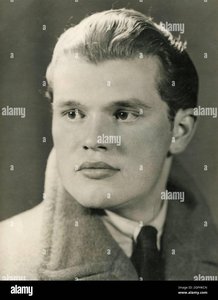
Piero Zuffi
1919 - 2006 , Italy
Rychlé informace
- Artistic Movement Or Style: Set design & painting
- Date Of Birth: April 28, 1919
- Date Of Death: 2006
- Full Name: Piero Zuffi
- Nationality: Italian
- Notable Artworks:
- Alceste sets (1954)
- La Scala opera sets
- Place Of Birth: Imola, Italy