

 Zobrazit v interiéru
 Odeslat
 Sdílet
 Podrobnosti
 Průvodce

 Stáhnout obrázek
 Podobné kousky
 Rentgenové snímky
 Slideshow
 Statistiky
Concrete Cabin
 Oil On Canvas
- WallArt
- Magic Realism
 1992
1992 201.0 x 241.0 cm
 New Walk Museum - Art Gallery
 Přečíst si více
Ručně malovaná olejová reprodukce
Ručně malované olejné plátno v libovolném rozměru i s rámem, vyrobené našimi umělci na zakázku. ( Přepnout na tiskové verze Přepnout na digitální verzi obrazu)




P118B $10

P118H $10

P118W $10

P438Z $10

P508JH $12

P508YH $12

P805H $10

P805Z $10

P919BZ $10

P919G $10

P919XJ $10

P959ZH $10

P968JZ $12

W106C $8

W218G $10

W218JH $8

W218Y $10

W307PJ $10

W316G $10

W316PJ $8

W316Y $10

W398PJ $8

W4111J $10

W500HY $15

W500JH $15

W692G $12

W849H $8

W940BG $15

W953PJ $8




Vyberte si z našich přednastavených velikostí, které odpovídají původním proporcím díla.

Můžete zadat vlastní rozměry pro konkrétní rám nebo prostor. Pokud se vámi vybraná velikost neshoduje s proporcemi původního obrazu, dílo buď ořízneme, nebo jej doplníme ručně malovanými prvky. Před zahájením výroby vám bude zaslán digitální náhled ke schválení.
Upozorňujeme, že náhled na obrazovce neodpovídá skutečnému ořezu ani rozšíření. Pouze digitální náhled přesně zobrazí finální kompozici.
Ačkoliv je možné zvolit vlastní velikost, pro zachování původních proporcí doporučujeme vybrat rozměr z předdefinovaného seznamu.
Po přijetí objednávky vám tým OriginalUniqueArt.com zašle e-mail s pokyny a poskytne náhledovou verzi.
Celosvětová doprava () za 3–4 týdny namísto standardních 5 týdnů. (26 září). Bez kompromisů v kvalitě.

Zdarma celosvětová expresní doprava

Vysoce kvalitní lněné plátno

Úplné pojištění přepravy

Záruka vrácení celního poplatku

Záruka věrného barevného shodu

100dení lhůta pro vrácení zboží (pouze při vadách výroby)

100% garance vrácení peněz

Sleva při více objednávkách
 Skleněná varianta je dostupná pouze u rozměrů menších než 110 cm

Concrete Cabin
Technika provedení
Velikost reprodukce
-


Celková cena
$ 300
Concrete Cabin: A Landscape of Memory and Modernity
Peter Doig’s "Concrete Cabin," painted in 1992, is more than just a depiction of a forest scene; it's an exploration of memory, the interplay between nature and human intervention, and the subtle anxieties of modernity. The canvas presents a dense woodland, rendered with a distinctive looseness that evokes both the vibrancy of Impressionism and the unsettling ambiguity of Magic Realism. Towering trees, their trunks twisted and gnarled like ancient sentinels, dominate the foreground, painted in deep browns and blacks punctuated by hints of decay – a visual testament to the relentless passage of time and the forces of nature. The background dissolves into a tapestry of greens, suggesting an impenetrable canopy that stretches far beyond the viewer's gaze. This isn’t merely a representation of a forest; it’s a feeling—a sense of being enveloped by something vast, ancient, and slightly unknowable.The Intrusion of the Man-Made
What truly sets "Concrete Cabin" apart is its unexpected element: a stark concrete structure nestled amongst the trees. This isn't a rustic log cabin blending seamlessly into its surroundings; it’s a blocky, almost brutalist form that clashes with the organic curves and textures of the forest. The contrast is deliberate, highlighting the uneasy relationship between humanity and the natural world. It speaks to our tendency to impose order and structure onto landscapes, often at the expense of their inherent wildness. Is this a refuge? A symbol of isolation? Or perhaps a commentary on the encroachment of modern life upon pristine environments? Doig offers no easy answers, leaving the interpretation open to the viewer's own experiences and anxieties. The concrete itself is rendered with more rigid lines and solid blocks of color than the surrounding foliage, emphasizing its artificiality and further amplifying the sense of discord.Doig’s Technique: Evoking Atmosphere Through Paint
Doig’s artistic technique plays a crucial role in conveying the painting's emotional weight. He employs a distinctive layering of paint, allowing brushstrokes to remain visible—a hallmark of his style. This isn’t about meticulous detail; it’s about capturing the *essence* of the scene through texture and color. The loose application of paint creates a sense of movement and vitality, as if the forest itself is breathing. Light filters through the canopy in dappled patterns, adding depth and dimension to the composition. Doig's use of color isn't purely representational; he manipulates hues to evoke specific moods—the somber browns and blacks conveying a sense of mystery and introspection, while the vibrant greens suggest both life and an underlying tension. The overall effect is one of atmospheric immersion – drawing the viewer into the heart of this enigmatic landscape.A Landscape Rooted in Memory and Place
Born in Edinburgh but shaped by his experiences living in Trinidad and Canada, Doig’s work often draws upon personal memories and a sense of displacement. "Concrete Cabin" can be seen as reflecting these themes—a meditation on the places that linger within us long after we've left them. The painting isn't necessarily about a specific location; it's about the feeling of being both connected to and alienated from one’s surroundings. It resonates with a broader sense of unease about our place in the world, particularly as we grapple with the consequences of environmental change and the relentless march of progress. Ultimately, "Concrete Cabin" is a powerful and evocative work that invites us to contemplate the complex relationship between humanity, nature, and memory—a timeless theme rendered with remarkable skill and sensitivity by one of contemporary art's most compelling voices.Biografie umělce
Život namalovaný vzpomínkou: Svět Petera Doiga
Peter Doig, narozený v Edinburghu v roce 1959, je malíř, jehož dílo rezonuje tichou silou – dojmovou krásou, která pramení z jemné rovnováhy mezi vzpomínkou, krajinou a evokativním potenciálem samotné barvy. Jeho život byl poznamenán neustálými stěhováními, nomádskou existencí, která hluboce utvářela jeho uměleckou vizi. Raná přesuny ho zavedly ze Skotska na Trinidad v roce 1962 a následně do Kanady v roce 1966; každá tato změna vtisla jeho rozvíjející se citlivosti pocit vyobcovanosti a fascinaci způsobem, jakým v nás místa přetrvávají dlouho poté, co jsme je opustili. Nebyly to jen pomíjivé návštěvy, ale hluboké zážitky, které mu vrostily silné pouto k rozmanitým kulturním krajinám – lush tropické bohatství Trinidadu i syrové, zasněžené výhledy Kanady – jež se objevují jako opakující se motivy v jeho umění. Tato raná zkušenost mu umožnila vidět pod povrch věcí a vnímat emocionální váhu a psychologickou rezonanci zakořeněnou v daném místě. Doigovo formální vzdělání začalo v Londýně na Wimbledon School of Art, Saint Martin’s School of Art a nakonec na Chelsea School of Art, kde získal magisterský titul. Tyto roky doplnila i praktická činnost, například období práce jako kostymér v English National Opera, což bezpochyby rozšířilo jeho pochopení performance, narativu a vizuálního vyprávění.Alchymie vlivů a umělecký vývoj
Doigova umělecká cesta nebyla okamžitou stylistickou deklarací, nýbrž postupným odkrýváním, průzkumem figurální malby, který se vyvinul do charakteristické, snové kvality, pro kterou je dnes oslavován. Nepřikládá se k žádné jediné škole či směru; jeho dílo působí spíše jako syntéza rozmanitých vlivů, absorbovaných a transformovaných skrze čočku osobní zkušenosti. Echa dřívějších mistrů jsou v jeho plátnech hmatatelná – melancholické krajiny Edvarda Muncha, syrová intenzita H. C. Westermanna, romantická vznešenost Caspara Davida Friedricha, třpytivé světlo Claude Monetové i dekorativní bohatství Gustava Klimta. Doig však jen neimituje; on reinterpretuje. Čerpá inspiraci z široké škály zdrojů – fotografií, výřezů z novin, filmových záběrů či obalů hudebních alb – ale ty nepoužívá jako šablony pro kopírování. Slouží mu spíše jako katalyzátory, výchozí body pro obrazy, které nejsou o přesné reprezentaci, ale o emocionální evokaci. Doig svůj proces popisuje jako malování „skrze zástupce“, kdy používá fotografie jako startovní body, ale dovoluje vzpomínkám a představivosti převzít vládu, což vede k obrazům, které působí zároveň známě i zvláštně vzdáleně. Tento přístup mu umožňuje dotknout se hlubší úrovně psychologické pravdy a vytvářet krajiny, které nejsou jen viděny, ale ucítěny.Krajiny mysli: Témata a charakteristika
V srdci Doigova díla leží zkoumání toho, co znamená si místo pamatovat. Jeho malby nejsou přímočarými zobrazením konkrétních míst; jsou to emocionální reakce, přefiltrované mlhou paměti a představivosti. Mnoho z nich vyvolává pocit nostalgie, zejména ty krajiny připomínající jeho kanadské dětství – zasněžené lesy, zamrzlá jezera, izolované chaty – ale tyto scény jsou protkané znepokojivou kvalitou, nádechem tajemna, který jim brání v přílišné sentimentálnosti. Lidské postavy se v jeho obrazech často objevují, ale málokdy jsou centrální nebo jasně definované. Mají tendenci být osamělé a nejednoznačné, což přispívá k celkové náladě introspekce a tiché kontemplace. Doigova technika je pro dopad jeho práce stejně zásadní. Jeho plátna jsou charakteristická komplexním vrstvením barev, které vytváří pocit hloubky a atmosféry. Mistrně propojuje abstrakci s figurací, umožňuje formám rozplynout se do barevných lavin nebo vyvstat z texturovaných povrchů. To vytváří vizuální napětí, které zváčí diváka k interakci s dílem na mnoha úrovních – k ocenění jak jeho formálních kvalit, tak jeho emocionální rezonance. Výsledkem jsou obrazy, které působí současně ukotveně v realitě i zavěšené v nebytém stavu snů.Uznání a trvalý odkaz
Doigovo talent byl uznán již na začátku jeho kariéry, což vyvrcholilo získáním prestižní ceny Whitechapel Artist Prize v roce 1991 a sólo výstavou v galerii Whitechapel Art Gallery. Nicméně právě prodej díla „White Canoe“ v Sotheby’s v roce 2007 za 11,3 milionu dolarů – což byl v té době rekord pro žoucího evropského umělce – mu přinesl celosvětovou pozornost. Následoval další významný aukční úspěch s dílem „The Architect's Home in the Ravine“, které se v roce 2013 prodalo za 12 milionů dolarů, čímž si upevnil svou pozici jednoho z nejvyhledávanějších současných malířů. Hlavní sólo výstavy se konaly v předních institucích po celém světě, včetně Tate Britain, Musée d’Art Moderne de la Ville de Paris, Schirn Kunsthalle Frankfurt, Dallas Museum of Art a Scottish National Gallery, což dokazuje globální dosah jeho vlivu. Dnes je Peter Doig považován za jednoho z nejdůležitějších figurálních malířů současnosti. Jeho práce mělo hluboký dopad na současné umění a inspirovalo novou generaci umělců k průzkumu možností malby jako prostředku vyjádření osobní zkušenosti a emocionální pravdy. Jak trefně poznamenal kritik Jonathan Jones, je v světě často ovládáném pretencí „klenotem skutečné představivosti, upřímné práce a pokorné kreativity“. Doig nadále žije a pracuje na Trinidadu, kde udržuje studio v Caribbean Contemporary Arts Centre a vyučuje na Akademii krásných umění v Düsseldorfu v Německu, čímž zajišťuje, že jeho neustálé zkoumání paměti, krajiny a figurace bude i nadále utvářet dějiny umění.
Peter Doig
1959 - , Spojené království
Rychlé informace
- Artistic Movement Or Style: Figurative painting
- Artists Who Influenced This Artist:
- Edvard Munch
- Caspar David Friedrich
- Claude Monet
- Date Of Birth: 1959
- Full Name: Peter Doig
- Nationality: Scottish
- Notable Artworks:
- White Canoe
- Ski Jacket
- Border House
- Place Of Birth: Edinburgh, UK
Související články

Evocations of Place: A Historical Journey Through Landscape Art
Explore the rich history of landscape art with OriginalUniqueArt. Discover renowned artists, movements like Impressionism & Romanticism, and expert guidance for collecting timeless pieces. Find your perfect serene escape today!

Romantic Realism's Finest: 10 Masterpieces for Your Home | OriginalUniqueArt
Explore 10 defining masterpieces of Romantic Realism! Discover Courbet, Millet & Daumier's powerful paintings—capturing emotion and social realities. Find museum-quality reproductions for your home at OriginalUniqueArt.com.
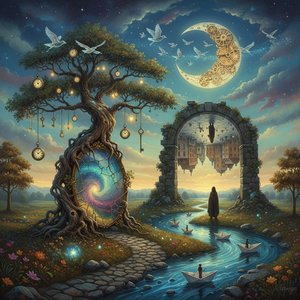
The Enigmatic Realm of Magic Realism: Exploring Subconscious Narratives & Reality's Edge
Explore the captivating world of Magic Realism! Discover its origins, key artists like García Márquez & Colunga Marín, and how it blends reality with the fantastical. Expert insights & high-quality art reproductions at OriginalUniqueArt.

Romantická krajina v malbě: 10 mistrovských děl, které definovaly umělecký proud | OriginalUniqueArt
Prozkoumejte 10 ikonických děl romantické krajinářské malby! Objevte příběhy Caspara Davida Friedricha, Turnera a dalších mistrů. Reprodukce obrazů nejvyšší kvality pro váš interiér na OriginalUniqueArt.com.

Magic Realism Explained: Navigating the Enigmatic Intersection of Reality and the Extraordinary
Explore the profound depths of Magic Realism. Discover how this captivating movement blends everyday reality with the extraordinary through an expert art-historical lens. Perfect for collectors and enthusiasts seeking to understand the masters of the enigmatic.
