
 Zobrazit v interiéru
 Odeslat
 Sdílet
 Podrobnosti
 Průvodce

 Stáhnout obrázek
 Podobné kousky
 Rentgenové snímky
 Slideshow
 Statistiky
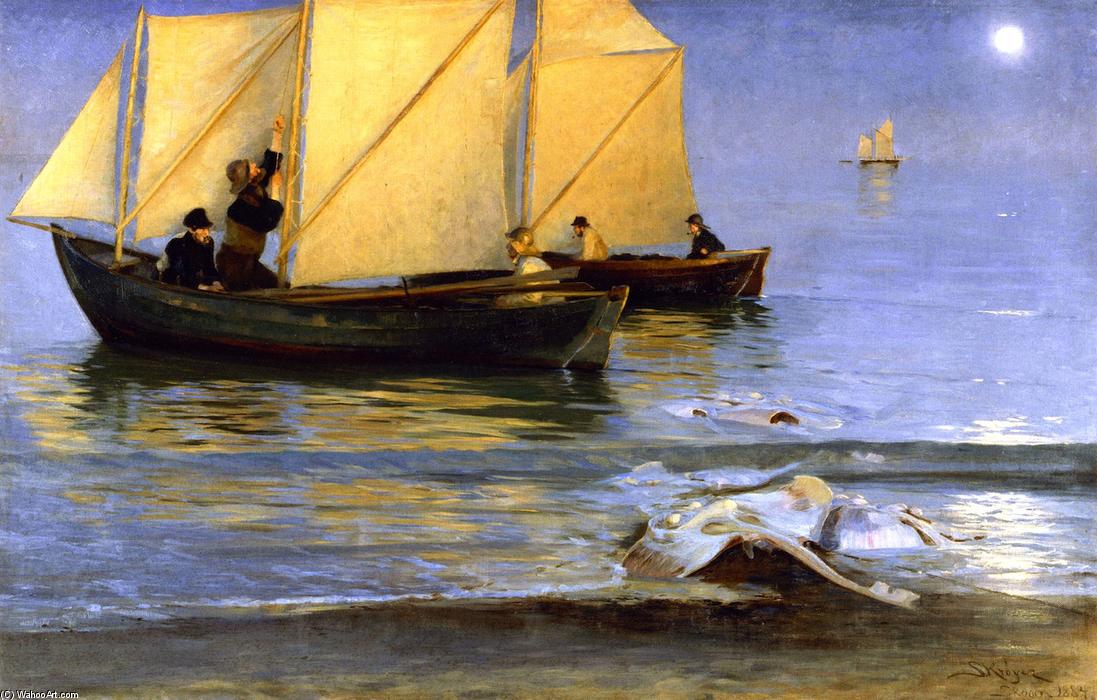
Fishing Boats
 Oil On Canvas
- WallArt
- Skagen School
 1884
1884- 19th Century
 160.0 x 245.0 cm
 Musée d'Orsay
 Přečíst si více
Ručně malovaná olejová reprodukce
Ručně malované olejné plátno v libovolném rozměru i s rámem, vyrobené našimi umělci na zakázku. ( Přepnout na tiskové verze Přepnout na digitální verzi obrazu)




P118B $10

P118H $10

P118W $10

P438Z $10

P508JH $12

P508YH $12

P805H $10

P805Z $10

P919BZ $10

P919G $10

P919XJ $10

P959ZH $10

P968JZ $12

W106C $8

W218G $10

W218JH $8

W218Y $10

W307PJ $10

W316G $10

W316PJ $8

W316Y $10

W398PJ $8

W4111J $10

W500HY $15

W500JH $15

W692G $12

W849H $8

W940BG $15

W953PJ $8




Vyberte si z našich přednastavených velikostí, které odpovídají původním proporcím díla.

Můžete zadat vlastní rozměry pro konkrétní rám nebo prostor. Pokud se vámi vybraná velikost neshoduje s proporcemi původního obrazu, dílo buď ořízneme, nebo jej doplníme ručně malovanými prvky. Před zahájením výroby vám bude zaslán digitální náhled ke schválení.
Upozorňujeme, že náhled na obrazovce neodpovídá skutečnému ořezu ani rozšíření. Pouze digitální náhled přesně zobrazí finální kompozici.
Ačkoliv je možné zvolit vlastní velikost, pro zachování původních proporcí doporučujeme vybrat rozměr z předdefinovaného seznamu.
Po přijetí objednávky vám tým OriginalUniqueArt.com zašle e-mail s pokyny a poskytne náhledovou verzi.
Celosvětová doprava () za 3–4 týdny namísto standardních 5 týdnů. (25 září). Bez kompromisů v kvalitě.

Zdarma celosvětová expresní doprava

Vysoce kvalitní lněné plátno

Úplné pojištění přepravy

Záruka vrácení celního poplatku

Záruka věrného barevného shodu

100dení lhůta pro vrácení zboží (pouze při vadách výroby)

100% garance vrácení peněz

Sleva při více objednávkách
 Skleněná varianta je dostupná pouze u rozměrů menších než 110 cm

Fishing Boats
Technika provedení
Velikost reprodukce
-


Celková cena
$ 300
A Nocturne of Resilience: The Soul of Krøyer’s Coastal Vision
In the quiet, moonlit hours of 1884, Peder Severin Krøyer captured more than just a maritime event; he immortalized the very essence of the Scandinavian spirit. "Fishing Boats" is not merely a depiction of a coastal scene, but an evocative narrative of human defiance against the overwhelming immensity of nature. As part of the renowned Skagen School, Krøyer utilized his unique background—a blend of scientific precision from his zoological studies and a profound aesthetic sensitivity—to document a nighttime fishing expedition with startling clarity. The canvas vibrates with the tension of a colossal whale being hauled onto a sandy beach, a moment where the struggle for survival meets the triumph of communal effort. For the discerning collector, this piece offers a window into a world where the boundaries between man and sea blur under the silver glow of a full moon.
The technical mastery on display in this work serves to deepen its emotional resonance. While Krøyer’s style is firmly anchored in Impressionism, he eschews the fleeting, ephemeral qualities of his French contemporaries in favor of a more grounded realism. Through the masterful use of impasto, Krøyer applies thick, textured layers of oil paint that allow the viewer to feel the roughness of the wind-swept sand and the muscular exertion of the fishermen. The composition is a brilliant study in chiaroscuro; light emanates from lanterns mounted upon the boats, casting dramatic highlights against the deep blues and greens of the nocturnal sea. This interplay of light and shadow creates a palpable energy, pulling the eye toward the center of the struggle and anchoring the viewer within the rhythmic movement of the waves.
Symbolism and the Timeless Allure of the Skagen School
Beyond its visual splendor, "Fishing Boats" serves as a profound symbolic vessel. The large whale, dominating the foreground, represents both the bountiful rewards of the sea and the inherent dangers of the deep. It is a symbol of abundance that demands respect and physical toil, mirroring the broader human experience of navigating life's great challenges through perseverance and camaraderie. The horizontal stability of the shoreline and the vertical masts of the boats provide a structural balance to the organic, swirling forms of the waves and the whale, suggesting a sense of order even amidst the chaos of the hunt. This balance makes the artwork an exceptional choice for interior design, as it provides a sophisticated focal point that commands attention without overwhelming a room's serenity.
For those seeking to adorn their spaces with art that inspires contemplation, this reproduction offers an unparalleled opportunity to possess a piece of Scandinavian history. The painting captures the unique light of the Skagen peninsula—a place where artists gathered to find beauty in the raw and the rugged. To hang this work is to invite the atmosphere of a moonlit Danish coast into one's home, bringing with it themes of strength, connection, and the enduring beauty of the natural world. It is an investment in a narrative of resilience that remains as relevant today as it was in the late nineteenth century.
Biografie umělce
Peder Severin Krøyer – A Life Painted in Light
Peder Severin Krøyer, a name perhaps less instantly recognizable than some of his Impressionist contemporaries, nevertheless occupies a pivotal position within Scandinavian art. Born in Stavanger, Norway (1851), Krøyer’s early life was marked by an unusual upbringing; raised not by his biological mother but by her sister and brother-in-law, the Danish zoologist Henrik Nikolai Krøyer, he found himself transplanted to Copenhagen and immersed in a world of scientific inquiry alongside artistic cultivation. This unique foundation – a blend of observation, precision, and aesthetic sensibility – would profoundly shape his approach to painting. While details of his earliest years remain somewhat elusive, it’s clear that an aptitude for art was nurtured from a young age, leading to enrollment at the Royal Danish Academy of Art at just fourteen. He quickly distinguished himself, demonstrating a natural talent that promised a successful career.From Realism to the Shifting Sands of Impressionism
Krøyer’s artistic journey began firmly rooted in realism, particularly portraiture – a genre highly esteemed and financially viable during his formative years. He excelled at capturing likenesses, securing commissions that established him as a sought-after artist within Danish society. However, the winds of change were blowing across Europe, carrying with them the revolutionary ideas of Impressionism. Krøyer was not immune to their allure. Several trips to Paris exposed him to the groundbreaking work of Monet, Renoir, Degas, and others, artists who dared to abandon traditional techniques in favor of capturing fleeting moments of light and atmosphere. He absorbed these influences, gradually incorporating them into his own style. This wasn’t a wholesale adoption, however; Krøyer didn't simply replicate Impressionism. Instead, he synthesized it with his existing realist training, creating a distinctive aesthetic that balanced meticulous observation with an evocative sense of mood and transience. His canvases often depict serene landscapes bathed in the golden hues of dawn or dusk—a testament to his fascination with capturing the ephemeral beauty of nature. The subtle gradations of color and brushstrokes characteristic of Impressionism allowed him to convey not just what he saw but also how he felt, a feat that cemented his place among the foremost artists of his time.Skagen: A Colony of Light and Inspiration
The turning point in Krøyer’s career – and arguably the period for which he is most celebrated – came with his discovery of Skagen, a remote fishing village on the northern tip of Denmark. He first arrived there in 1882, drawn by the dramatic coastal landscapes and the unique quality of light that bathed the region. Skagen quickly became more than just a location; it was an artistic haven, attracting a vibrant colony of painters, writers, and intellectuals. Krøyer became central to this community, forging close friendships with artists like Michael and Anna Ancher, and writer Holger Drachmann. He married Marie Triepcke in 1889, who herself was a talented painter and frequent subject in his work. It was at Skagen that Krøyer truly found his voice, producing some of his most iconic paintings – scenes of beach life, fishermen at work, and intimate portraits of his fellow artists. Summer Evening on Skagen’s Southern Beach, perhaps his most famous work, exemplifies this period; it's a masterful depiction of light, atmosphere, and the camaraderie of the artistic circle. The painting is not merely a representation of a scene but an evocation of a feeling – a sense of peace, belonging, and the ephemeral beauty of summer. He meticulously rendered the textures of sand, sea spray, and twilight sky, capturing the very essence of Skagen’s atmosphere. His canvases pulsate with warmth and luminosity, reflecting his unwavering devotion to portraying this extraordinary place and its inhabitants.Later Years and Enduring Legacy
The final years of Krøyer’s life were marked by personal tragedy and declining health. His marriage to Marie deteriorated, culminating in divorce in 1905. Simultaneously, he began to suffer from failing eyesight, a devastating blow for any artist but particularly poignant for one so dedicated to capturing the nuances of light. Despite these challenges, Krøyer continued to paint, demonstrating remarkable resilience and determination. He adapted his technique to accommodate his diminishing vision, even joking that losing an eye had somehow improved the sight in his remaining one. His unwavering commitment to artistic expression persisted until his death in 1909 at Skagen—a poignant reminder of the artist’s profound connection to his surroundings and his enduring legacy as a pioneer of Impressionistic landscape painting. Krøyer's work continues to inspire admiration for its beauty, sensitivity, and masterful execution, securing his place among the most beloved figures in Scandinavian art history. ## Museums and Collections- The Hirschsprung Collection (Copenhagen): Holds a significant number of Krøyer’s works, reflecting the long-standing patronage of Heinrich Hirschsprung.
- Skagens Museum: Boasts the world's largest collection of paintings by Peder Severin Krøyer, offering an unparalleled insight into his artistic development and connection to Skagen.
- National Gallery of Denmark (Copenhagen): Features selected works representing Krøyer’s contribution to Danish art history.

peder severin kroyer
1851 - 1909 , Norsko
Rychlé informace
- Artistic Movement Or Style: Realismus, Impresionismus
- Artists Who Influenced This Artist: ['Claude Monet']
- Date Of Birth: 23. července 1851
- Date Of Death: 21. listopadu 1909
- Full Name: Peder Severin Krøyer
- Nationality: Dánsko
- Notable Artworks:
- Hip, Hip, Hurrah!
- Letní večer na jižním pobřeží Skagen
- Tarde de verano en Skagen
- Place Of Birth: Stavanger, Norsko
Související články

The Hague School: Realism, Atmosphere & the Dawn of Dutch Impressionism
Explore the Hague School's pivotal role in Dutch art history. Discover realism, atmospheric landscapes & its influence on Impressionism. Learn about key artists like Mauve & Maris with OriginalUniqueArt.

Lodě v umění: Top 10 děl zkoumajících námořní téma | OriginalUniqueArt
Prozkoumejte 10 ikonických děl s tématem lodí! Obrazy od Moneta, Maneta a dalších mistrů. Historie umění, techniky a inspirace pro váš interiér. Reprodukce nejvyšší kvality na OriginalUniqueArt.com
Navigating Symbolism & Sentiment: A Comprehensive Exploration of Boats in Art History
Explore the rich history of boats in art! Discover symbolism & style from ancient myths to Impressionist masterpieces. Expert insights for collectors at OriginalUniqueArt.

Anna Ancher: Capturing Light & Domesticity in the Skagen Tradition
Discover Anna Ancher (1859-1935), a leading figure of the Skagen Painters. Explore her captivating depictions of domestic life, masterful use of light, and lasting legacy in Danish Impressionism. Learn more at OriginalUniqueArt.

Peder Severin Krøyer: Capturing the Ephemeral Light of Danish Modern Life
Explore the luminous world of Peder Severin Krøyer, a master of Danish Impressionism. Discover his iconic Skagen paintings, artistic evolution, and lasting legacy. Learn about collecting Krøyer's works & find museum-quality reproductions.