
 Náhled
 Sdílet
 Sdílet
 Podrobnosti o díle

 Stáhnout
 Podobné položky
 Rentgenové snímky
 Slideshow
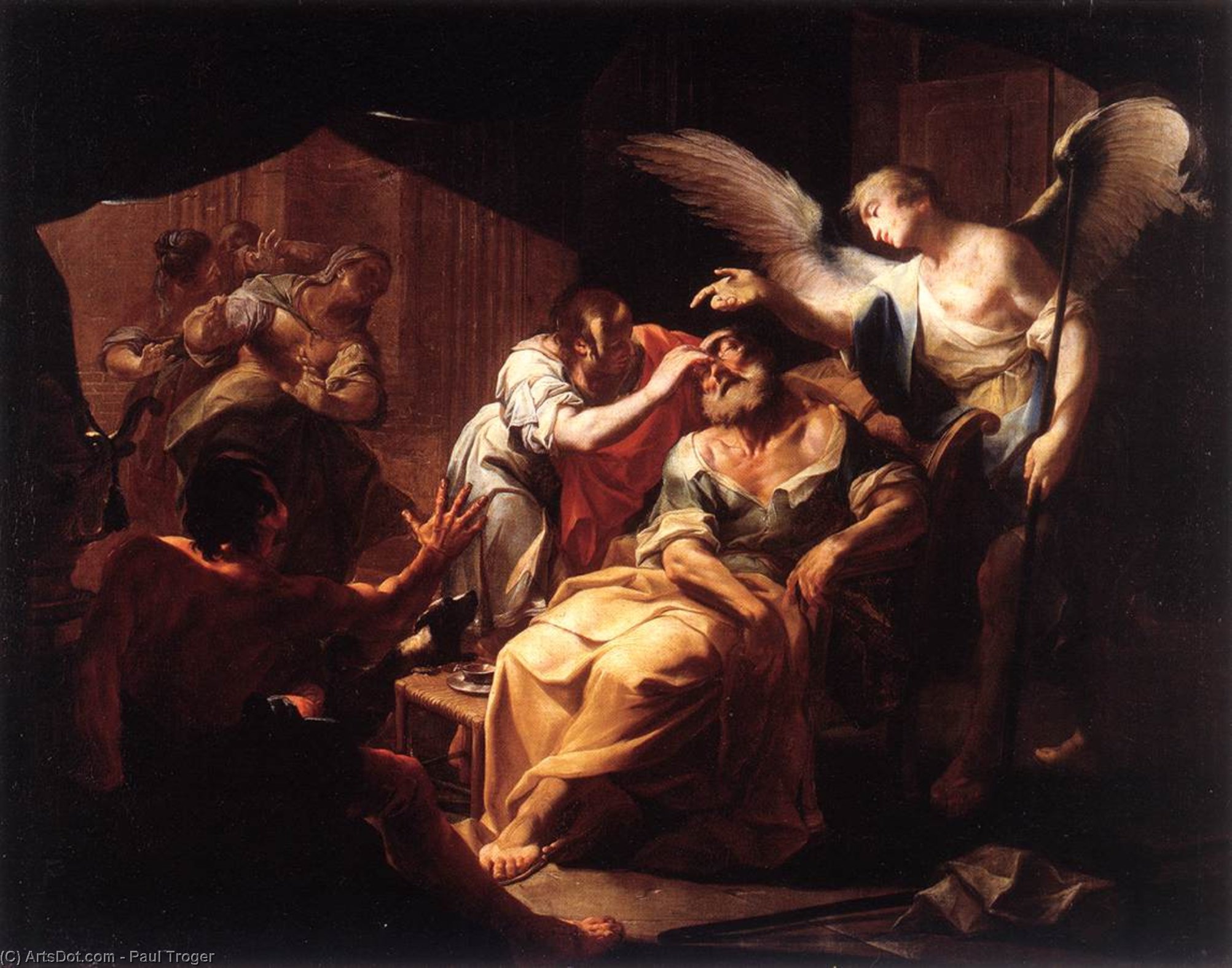
Výsledná léčba Tobita
 Akryl na plátně
- Obrazová tvorba na stěnu
- Austrian Baroque
 74.0 x 91.0 cm
 Residenzgalerie
 Zobrazit více
Koupě vysoce rozlišeného, vylepšeného digitálního obrazu, který je mnohem kvalitnější než online náhled.
Každý soubor je pečlivě připraven našimi odborníky pomocí pokročilých nástrojů a expertní manuální retuše. Zajišťujeme, aby každý obraz disponoval výjimečnou ostrostí, přesnou barevnou věrností a jemnými detaily.
Finální soubor vám bude do 72 hodin zaslán e-mailem, optimalizovaný pro okamžité použití v profesionálním, redakčním i tiskovém prostředí. Nabízíme stejnou kvalitu, které důvěřují špičková designová studia, nakladatelství i galerie.
Digitální obrazy
Stáhněte si soubor ve vysokém rozlišení pro osobní prohlížení, tisk a kreativní projekty. ( Koupit tisk Koupit ručně malovaný obraz)
Součást každé objednávky digitálního obrazu
Profesionální digitální doručení, zaručeno.
Když si vyberete OriginalUniqueArt.com, nezískáváte pouze obrázek – získáváte digitální umělecké dílo s profesionálně vylepšenými detaily, zpracované s precizností a podpořené zárukou za spokojenost. Zde je vše, co vaše objednávka automaticky obsahuje:

Rychlé doručení e-mailem
Váš digitální obraz ve vysokém rozlišení vám bude zaslán e-mailem do 72 hodin od objednávky – připraven k okamžitému použití.

Digitální soubor s využitím AI
Vaše umělecké dílo je profesionálně optimalizováno pomocí pokročilých nástrojů umělé inteligence a manuální úpravy, což zajišťuje maximální úroveň detailu, ostrosti a přesnosti barev.

Bezplatné doživotní znovuodeslání
Soubor jste omylem smazali nebo ztratili? Žádný problém – kdykoliv vám ho znovu zašleme zcela zdarma.

Bez poplatků za dovoz – navždy
Užijte si své umělecké dílo okamžitě bez celních poplatků, daní nebo nákladů na dopravu – digitální stažení je vždy bez daňových povinností.

Záruka přesnosti barev
Pomocí profesionálních nástrojů a správy barev zajišťujeme, aby váš digitální obraz odrážel původní barvy co nejvěrněji.

60denní záruka spokojenosti
Pokud nebudete s digitální fotografií spokojeni, provedeme její revizi nebo vám vrátíme 100% během 60 dnů – bez jakýchkoliv dotazů.

100% záruka vrácení peněz
Nespokojeni? Získejte plnou částku zpět do 60 dní od přijetí vašeho digitálního souboru – bez jakýchkoliv dotazů.

Slevy při hromadných objednávkách
Koupěte si 3 obrazy, ušetřete 10% - Koupěte si 5, ušetřete 15% - Koupěte si 10+, ušetřete 20%. Ideální pro kreativní projekty, galerie a agentury.
Popis sběratelského kusu
Healing of Old Tobit – A Masterpiece of Austrian Baroque Illusionism
Paul Troger’s “Healing of Old Tobit” stands as an emblem of Austrian Baroque art, embodying the era's fascination with dramatic narrative and masterful illusionistic technique. Painted around 1753, this monumental fresco resides within the Residenzgalerie Salzburg, offering visitors a glimpse into the artistic sensibilities of a pivotal moment in Habsburg history. The artwork’s impact transcends mere visual beauty; it speaks to themes of faith, compassion, and miraculous healing—elements deeply rooted in biblical tradition.- Subject Matter: The fresco depicts an episode from the Book of Tobit, recounting the tale of Tobias’ arduous journey to retrieve a golden calf stolen by pagan priests and his father’s blindness cured through divine intervention. This narrative was chosen deliberately to convey moral lessons about perseverance and trust in God’s providence.
- Style & Technique: Troger's approach aligns seamlessly with the broader Baroque movement, prioritizing theatrical grandeur and emotional intensity. He skillfully employs *chiaroscuro*, manipulating light and shadow to sculpt figures and create a palpable sense of depth—a technique perfected by Italian masters like Caravaggio and Bernini. The artist’s meticulous attention to detail extends beyond mere representation; he strives to evoke an atmosphere of profound spirituality.
- Historical Context: Salzburg, under Archbishop Florian Kollwitz I, was experiencing a flourishing cultural environment during Troger's time. Kollwitz championed the arts as instruments of piety and civic pride, fostering an artistic climate that encouraged ambitious projects like this fresco—a testament to Habsburg patronage’s commitment to elevating art as a vehicle for spiritual contemplation.
- Symbolism: The composition is laden with symbolic elements reflecting Christian iconography. Raphael's walking staff represents divine guidance, while the dog resting on Tobias’ chair symbolizes faithfulness and steadfastness. Furthermore, the bowl containing ointment embodies healing and nourishment—visual metaphors reinforcing the central narrative of restoration.
- Emotional Impact: Troger’s masterful rendering captures the palpable emotion of the scene – compassion for Tobit's suffering father and awe at Raphael’s miraculous power. The vibrant colors employed contribute to this emotional resonance, transporting viewers into a realm of heightened spiritual experience.
Martin Knoller: A Student Shaped by Troger’s Vision
Interestingly, “Healing of Old Tobit” wasn't originally attributed to Paul Troger himself but rather to his pupil Martin Knoller. Research has revealed that Knoller undertook a subtle reworking of the composition—evident in minor pentimenti (traces of earlier paint layers)—demonstrating the transmission of artistic principles across generations. This collaborative effort underscores the importance of mentorship within the Baroque tradition and highlights Knoller’s own contribution to Salzburg’s artistic heritage.Detailed Examination: Composition & Illusionistic Mastery
The fresco's dramatic staging—characterized by a curtained-off room bathed in ethereal light—is meticulously crafted to maximize illusionism. Troger skillfully employs perspective, creating an immersive environment that draws the viewer into the narrative space. The artist’s meticulous attention to anatomical accuracy and drapery folds further enhances the realism of the scene, reflecting the Baroque ideal of portraying human figures with unprecedented naturalism.Provenance & Recognition
“Healing of Old Tobit” gained prominence through its inclusion in the Vienna Academy competition—where Knoller secured second prize—establishing its place as a celebrated artwork within Austrian art history. Its current location at the Residenzgalerie Salzburg ensures that this masterpiece continues to inspire admiration and scholarly study for decades to come.Biografie umělce
Paul Troger: Architect of Austrian Light
Paul Troger (1698-1762) stands as a pivotal figure in the history of Austrian art, a master whose dramatic frescoes and meticulously crafted drawings profoundly shaped the visual landscape of his era. Born in Welsberg, a small village nestled within the Tyrolean Alps, Troger’s artistic journey began amidst the traditions of Alpine craftsmanship, yet he rapidly embraced and transformed the burgeoning Baroque style, ultimately pioneering a distinctive approach characterized by vibrant color, dynamic movement, and an unprecedented sense of illusionism. His legacy extends far beyond his individual works; he served as a crucial bridge between the weighty darkness of early 18th-century painting and the lighter, more playful aesthetics of the Rococo, profoundly influencing generations of Austrian artists.
Troger’s formative years were spent under the patronage of the influential von Firmian family in Fiume (present-day Rijeka, Croatia). This early exposure to artistic refinement led him to study with Giuseppe Alberti, a renowned humanist scholar and artist. However, it was his subsequent sojourn in Venice that truly ignited his creative spirit. Immersed in the vibrant art scene of the Venetian Republic, Troger encountered the works of Giovanni Battista Piazzetta and Giovanni Battista Pittoni – masters of color and composition who instilled within him a deep appreciation for theatricality and visual drama. Crucially, he also benefited from the rigorous training offered by Sebastiano Ricci, absorbing the techniques of Roman painting and developing his own distinctive style.
Returning to Austria, Troger initially worked in Salzburg, honing his skills before establishing himself permanently in Vienna. It was here that he truly ascended to prominence, becoming the favored fresco painter for numerous monasteries throughout Lower Austria. His commissions were not merely decorative; they represented significant investments in religious and architectural grandeur. The Abbey of Melk, with its magnificent Marble Hall and Library, stands as a testament to Troger’s skill – his frescoes there depicting the Apotheosis of Charles VI as Apollo are particularly celebrated for their scale, dynamism, and masterful use of light. Similarly, his work at Göttweig Abbey, featuring an equally impressive depiction of the Apotheosis, showcases his ability to create immersive environments that transport viewers into realms of divine splendor.
Troger’s artistic philosophy was rooted in a deliberate rejection of the prevailing dark palette favored by earlier Baroque painters. He championed a brighter, more luminous style – a characteristic often referred to as the *leichte Manier* (light manner) – that reflected the emerging Rococo aesthetic and offered a refreshing contrast to the somber tones of the past. This shift was not merely superficial; it represented a fundamental change in how artists approached space, light, and color. Troger’s frescoes are characterized by an astonishing sense of depth and perspective, achieved through subtle gradations of tone and the strategic placement of figures within complex compositions. His ability to create the illusion of three-dimensional space on a flat surface was truly remarkable, earning him widespread acclaim and establishing him as a leading innovator in his field.
The Maestro’s Classroom: Influence and Legacy
Beyond his own prolific output, Paul Troger exerted a profound influence on a generation of Austrian artists. He served as professor at the Imperial Academy of Fine Arts in Vienna, where he mentored numerous students who went on to achieve considerable success. Franz Anton Maulbertsch, arguably his most gifted pupil, inherited Troger’s dramatic style and continued to develop it along independent lines. Other notable students included Franz Karl Palko and Josef Siegmund Keller, each carrying forward elements of Troger's innovative approach.
Troger’s impact extended beyond the immediate circle of his pupils. His work served as a crucial bridge between the weighty traditions of the late Baroque and the lighter, more playful sensibilities of the Rococo. He demonstrated how to effectively utilize color and light to create dynamic compositions that engaged the viewer's imagination. His emphasis on illusionism paved the way for later developments in Austrian painting, influencing artists who sought to capture the fleeting beauty of nature and the emotional intensity of human experience.
Key Works: A Showcase of Artistic Mastery
- Frescoes of the Church of the Englische Fräulein in St. Pölten (1729/1730): This work exemplifies Troger’s ability to create dramatic narratives within a confined space, utilizing vibrant colors and dynamic figures to convey religious themes.
- The Apotheosis of Charles VI as Apollo at Göttweig Abbey (1739): A monumental fresco that showcases Troger's mastery of scale, composition, and illusionistic technique. The depiction of the Habsburg emperor as Apollo is particularly striking in its grandeur and theatricality.
- Frescoes in the Marble Hall and Library of Melk Abbey (1732-1733): These frescoes are renowned for their intricate detail, luminous colors, and masterful use of perspective. They represent a pinnacle of Troger’s artistic achievement.
- Vision of St. Ulrich at the Battle of Lechfeld, St Ulrich, Vienna (1752): A powerful depiction of a pivotal moment in Austrian history, showcasing Troger's ability to combine religious symbolism with historical narrative.
A Lasting Impression: Historical Significance
Paul Troger’s legacy extends far beyond the confines of his individual works. He played a crucial role in shaping the artistic identity of Austria during the late Baroque and early Rococo periods. His innovative approach to fresco painting – characterized by its vibrant colors, dynamic movement, and unprecedented sense of illusionism – profoundly influenced subsequent generations of Austrian artists. Troger’s work continues to be admired for its beauty, drama, and technical brilliance, solidifying his place as one of the most important figures in the history of Austrian art.

Paul Troger
1698 - 1762

