 Olejová malba
 Vše o díle rest


































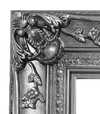


 U děl nebo reprodukcí, u nichž je jakákoliv strana větší než 105 cm (přibližně 41 palců), bude rám dodán jako sestava v rozloženém stavu. Tato metoda zajišťuje bezpečné doručení a chrání dílo před poškozením během přepravy.


The Depiction of Rest by Paul Peel
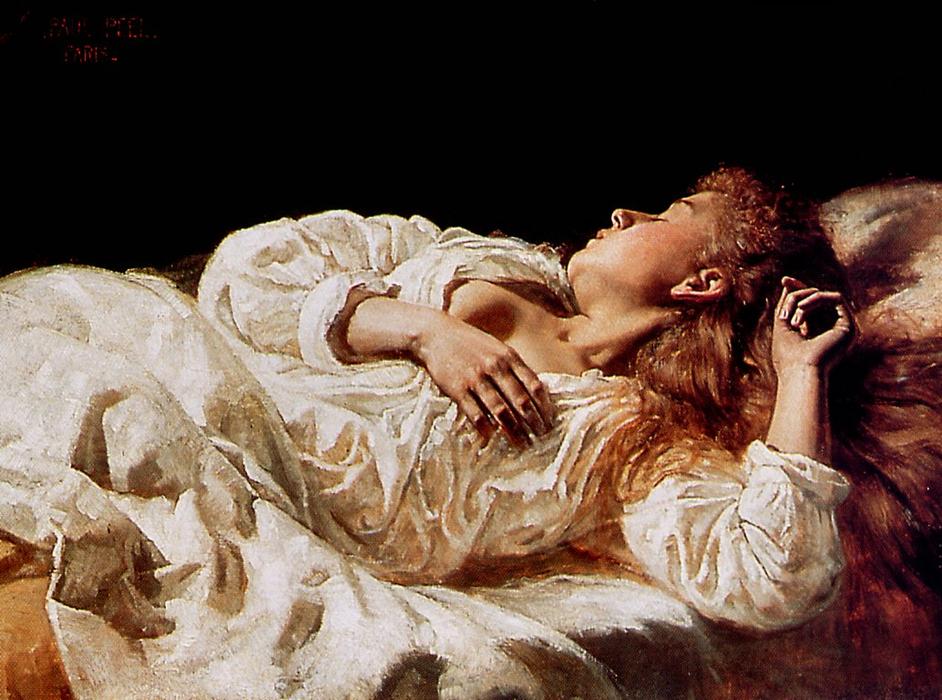
In rest, Paul Peel presents a quiet moment of repose. The painting focuses on a reclining female figure, captured in a state of sleep or deep relaxation. Her form is positioned diagonally across the frame, a choice that draws the eye through the gentle curves of her body. This arrangement centers the entire composition around her presence, isolating her against a dark, receding background. There is a profound sense of intimacy in how the subject is presented, as if the viewer has stumbled upon a private, secluded moment of stillness.
The subject matter is centered entirely on this singular instance of repose. Her closed eyes and relaxed posture suggest a state of peacefulness that permeates the entire scene. Through this depiction, Peel achieves a sense of serenity that feels both natural and undisturbed. The woman’s vulnerability is expressed through her stillness, inviting a contemplative gaze upon her quietude. It is a study of a body at ease, stripped of movement and focused solely on the tranquility of sleep.
Composition and Visual Elements
The subject occupies most of the frame, positioned in a way that draws the eye through the gentle curves of her form. A deep black background isolates the figure, emphasizing her presence and creating a sense of profound seclusion. This darkness provides a stark contrast against the woman’s skin and clothing, allowing her silhouette to emerge from the shadows. Soft, flowing lines define the contours of her body and the heavy folds of the fabric, creating a sense of organic, rounded shapes that suggest ease and relaxation.
The color palette is dominated by warm tones, specifically creams, whites, and various flesh tones that catch the light. These luminous shades are set against the dark void of the background, which heightens the intimacy of the scene. Within the shadows and the texture of her hair, one can find subtle hints of reddish-brown, adding a layer of depth to the tonal transitions. The interplay of light and shadow works to define the three-dimensionality of the figure without the need for harsh edges or sharp angles.
Technique and Artistic Style
Executed in the academic realist style, this work demonstrates a disciplined approach to form and light. The artist utilizes oil on canvas, employing traditional layering techniques to build a sense of physical depth. Through this method, the paint achieves a subtle dimensionality, allowing the figure to emerge from the dark, receding background. The application of pigment is deliberate, using visible brushstrokes to define the various surfaces within the composition.
There is a particular sensitivity in how the textures are rendered. The skin is treated with a smoothness that suggests a delicate, soft quality, contrasting with the more tactile, heavy presence of the surrounding fabric. This interplay of surfaces is heightened by the lighting, which appears soft and diffused. An unseen source illuminates the figure, casting gentle highlights across the body and creating subtle shadows that define the anatomy without harsh edges.
Related Works by Paul Peel
To understand the breadth of Peel's output, one might look toward his 1890 work, After the Bath, which earned him a bronze medal at the Paris Salon. This period of his career also saw the creation of The Young Botanist, painted between 1888 and 1890. These pieces reflect his ability to handle the human form with a specific, quiet grace. His interest in youthful subjects continued through 1891 with The Young Biologist and the painting La Jeunesse.
As his career progressed toward its conclusion, his compositions grew in both complexity and scale. In 1892, he produced The Little Shepherdess, a work that captures a sense of pastoral simplicity. This was the same year he completed The Orchestra Chairs, a large-scale canvas that offers a panoramic view of an elegant theater audience. These later works demonstrate a sophisticated command of perspective and the social nuances of the era.
Otázky a odpovědi
Je dílo rest ručně malované, nebo jde o tisk?
Ručně malováno: zkušený malíř přetvoří rest v olejomalbu na lněném plátně.
Jakou velikost si mám vybrat pro rest?
Velikosti se pohybují od 27.3 x 36.7 cm (Kč4887) až po 181.5 x 244.3 cm (Kč41059); v tabulce na této stránce jsou uvedeny jednotlivé varianty a jejich ceny.
Jak dlouho trvá doručení?
Doručení trvá 4 až 5 týdnů a zahrnuje bezplatnou expresní přepravu po celém světě; na této stránce je k dispozici i možnost urgentní výroby. Dílo můžete vrátit během 100 dnů s plným vrácením peniędzy, bez jakýchkoliv podmínek.
Jakou techniku použil/a Paul Peel pro dílo rest?
Oil On Canvas
 Náhled v interiéru

 Sdílet
 Sdílet
 Podrobnosti o díle
 Informační list pro studenty


 Stáhnout
 Podobné položky
 Rentgenové snímky
 Slideshow
 Otázky a odpovědi

 Statistiky