- Domů

- Reprodukce olejomalby
- Paul Manship
- Eurydice

 Koupit tisk Koupit digitální obrázek
 Sdílet
 Sdílet
 Podrobnosti o díle
 Přidat do oblíbených

 Stáhnout
 Podobné položky
 Rentgenové snímky
 Slideshow
Eurydice
 9.0 x 13.0 cm
 Zobrazit více
Ručně malovaná olejová reprodukce
Ručně malovaná olejná barva na plátně ve vašem zvoleném rozměru i s rámem, vyrobená našimi umělci na zakázku.




































Vyberte si z našich přednastavených velikostí, které odpovídají původním proporcím díla.

Můžete zadat vlastní rozměry pro konkrétní rám nebo prostor. Pokud se vámi vybraná velikost neshoduje s proporcemi původního obrazu, dílo buď ořízneme, nebo jej doplníme ručně malovanými prvky. Před zahájením výroby vám bude zaslán digitální náhled ke schválení.
Upozorňujeme, že náhled na obrazovce neodpovídá skutečnému ořezu ani rozšíření. Pouze digitální náhled přesně zobrazí finální kompozici.
Ačkoliv je možné zvolit vlastní velikost, pro zachování původních proporcí doporučujeme vybrat rozměr z předdefinovaného seznamu.
Po přijetí objednávky vám tým OriginalUniqueArt.com zašle e-mail s pokyny a poskytne náhledovou verzi.
Celosvětová doprava () za 3–4 týdny namísto standardních 5 týdnů. (18 červenec). Bez kompromisů v kvalitě.

Zdarma celosvětová expresní doprava

Vysoce kvalitní lněné plátno

Kompletní přepravní pojištění

Záruka vrácení celního poplatku

Záruka přesného barevného shodu

60denní lhůta pro vrácení zboží (pouze při vadách výroby)

100% garance vrácení peněz

Sleva při hromadné objednávce
 Skleněná varianta je dostupná pouze u rozměrů menších než 110 cm

Eurydice
Technika reprodukce
Rozměry reprodukce
-


Celková cena za výběr
-
Biografie umělce
Early Life and Artistic Beginnings
Paul Howard Manship (December 25, 1885 – January 31, 1966) was born in St. Paul, Minnesota, the son of Charles H. and Mary Etta (Friend) Manship. His father, a clerk for the St. Paul gas company, instilled in him an appreciation for craftsmanship and precision—traits that would profoundly shape Manship’s artistic vision. Growing up in a family home at 304 Nelson Avenue, he developed a keen interest in art from a young age, enrolling in the St. Paul School of Art where he honed his foundational skills. This early exposure to artistic principles foreshadowed his lifelong dedication to sculpting and exploring the expressive potential of form. His formative years were marked by an unwavering commitment to mastering sculptural techniques—a pursuit that would ultimately define his career trajectory.Formal Training and Influences
Manship’s formal education solidified his artistic sensibilities, propelling him toward Philadelphia where he pursued studies at the Pennsylvania Academy of Fine Arts. There, he immersed himself in classical art history and anatomy—subjects that would become central to his sculptural practice. Notably, he studied with George Bridgman, whose anatomical drawings provided invaluable insight into human form, and modeled under Hermon Atkins MacNeil, fostering a deep understanding of sculptural modeling techniques. Recognizing the importance of broadening his artistic horizons, Manship traveled to Rome in 1909, securing a prestigious Rome Prize—a pivotal moment that exposed him to the grandeur of European art and cemented his fascination with Archaic sculpture. He was particularly captivated by classical sculpture of India, which would infuse his work with an enduring spirit of timeless beauty.Collaboration and Artistic Style
Manship’s artistic journey gained momentum through collaborations with fellow sculptors—most notably Solon Borglum, whom he assisted during the creation of Monument to Lincoln. This experience honed his technical skills and exposed him to innovative sculptural approaches. He also partnered with Gaston Lachaise and Leo Friedlander, establishing a dynamic creative environment that nurtured experimentation and stylistic evolution. Manship’s artistic style is characterized by a remarkable blend of classical influences and modernist sensibilities—a harmonious fusion reflected in his sculptures' flowing lines and simplified forms. Rejecting the Beaux-Arts movement’s rigid formalism, he championed linear compositions imbued with understated elegance, prioritizing clarity and expressive power.Major Commissions and Notable Works
Manship achieved international acclaim through monumental public commissions—most notably the Prometheus statue for Rockefeller Center in New York City—a towering testament to Art Deco’s ambition and grandeur. His sculptural prowess extended beyond architectural projects, encompassing memorials honoring veterans of both World Wars—the St. Mihiel American Cemetery and Memorial at Thiaucourt, France, and the military cemetery at Anzio, Italy—each imbued with profound symbolic resonance. Furthermore, he designed the modern rendition of New York City’s official seal, demonstrating his versatility as an artist and his ability to translate complex ideas into compelling visual representations.Legacy and Historical Significance
Paul Manship stands as a towering figure in American sculpture—a pioneer of Art Deco whose enduring influence continues to inspire artists today. His sculptures embody the spirit of classical art combined with modernist innovation, reflecting a profound engagement with artistic tradition while embracing stylistic experimentation. Recognized by the American Battle Monuments Commission for his monumental works commemorating wartime sacrifice, Manship’s legacy transcends mere aesthetic achievement; he represents an unwavering devotion to craftmanship and a steadfast belief in the transformative power of art—a testament to his enduring contribution to the visual arts.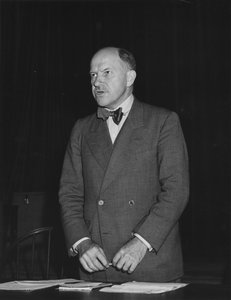
Paul Manship
1885 - 1966
Rychlé fakta
- Artistic Movement Or Style: Art Deco sculpture
- Artists Who Influenced This Artist:
- George Bridgman
- Hermon Atkins MacNeil
- Date Of Birth: December 25, 1885
- Date Of Death: January 31, 1966
- Full Name: Paul Howard Manship
- Nationality: American
- Notable Artworks:
- Running Atalanta
- Kultur Medal
- August Jaccaci
- Place Of Birth: St. Paul, Minnesota

