Cubism · 1922
Senecio (Paul Klee, 1922)
Paul Klee (1879–1940) vytvořil dílo Senecio. Pochází z roku 1922. Patří k hnutí Cubism. Je vyrobeno z Acrylic On Canvas. Nachází se v Kunstmuseum Basel v Basilej, Švýcarsko. Rozměry jsou 40 × 38 cm.
- 1922
- Acrylic On Canvas
- 40 × 38 cm
- Kunstmuseum Basel, Basilej

 Náhled v interiéru

 Ručně malovaná olejná reprodukce
 Sdílet
 Sdílet
 Informační list


 Stáhnout
 Podobné položky
 Rentgenové snímky
 Slideshow
 Otázky a odpovědi

 Statistiky
Senecio v kostce
- Název díla
- Senecio
- Autor
- Paul Klee (1879–1940)
- Rok narození umělce
- Münchenbuchsee, Švýcarsko
- Datum vytvoření
- 1922
- Technika
- Acrylic On Canvas
- Rozměry
- 40 × 38 cm
- Kde jej vidět
- Kunstmuseum Basel, Basilej, Švýcarsko
- Pohyb
- Cubism
- Období
- High Medieval
- Motiv
- women
Co przedstawuje dílo Senecio?
The Artistic Vision Behind "Senecio"
"Cubism" was a significant influence on Klee's work during this period, as he combined geometric images with a play of colors. The title "Senecio" is believed to refer to the plant Senecio vulgaris, also known as common ragwort, due to its round inflorescences that resemble the shapes in the painting.Composition and Symbolism
The composition of Senecio showcases a face made up of simple geometric shapes such as squares, triangles, and circles. The use of warm colors like orange, red, yellow, and white gives the painting a vibrant and playful appearance. The face is depicted in a flat, disk-like manner, with rectangular shapes dividing it into different sections. The eyebrows are represented by a triangle and a curved line, creating an illusion that one eyebrow is raised.Artistic Influences
Klee's work was influenced by African culture, particularly the use of masks and puppets. This influence can be seen in the geometric shapes and colors used in Senecio. The painting also reflects Klee's sense of humor and his ability to create complex compositions using simple forms.Artistic Significance
Senecio is a significant work in the history of modern art, showcasing Klee's unique style and his experimentation with color theory. The painting demonstrates how Klee adapted African cultural elements into his own artistic language, creating a distinctive and captivating piece.Conclusion
Paul Klee's Senecio is a masterpiece that combines geometric shapes, vibrant colors, and cultural influences to create a unique and thought-provoking work of art. For those interested in exploring more of Klee's works or learning about other artists who influenced modern art, visit https://OriginalUniqueArt.com for hand-made oil painting reproductions.- Paul Klee: A Swiss-born German artist known for his contributions to expressionism, cubism, and surrealism.
- Senecio: A 1922 Cubist painting by Paul Klee, housed at the Kunstmuseum Basel in Switzerland.
- Kunstmuseum Basel: A museum of fine arts in Basel, Switzerland, featuring works from the Middle Ages to the present day.
Ve kterém muzeu se nachází Senecio?
Kunstmuseum Basel
Basilej, Švýcarsko
Původy a historie Kunstmuseum Basel Kořeny historie Kunstmuseum Basel sahají hluboko do minulosti až k převzetí slavného Amerbachova kabinetu. Tato sbírka, která se stala samotným základním kamenem instituce, byla zakoupena městem Basilej a univerzitou v Basileji v roce 1671. Právě rozhodnutí zpřístupnit tato díla široké veřejnosti vybudovalo tento museum jako první veřejnou uměleckou sbírku svého druhu.


Vysokorozlišené fotografie díla Senecio

Paul Klee, Senecio (1922), Kunstmuseum Basel. Veřejná doména
Odpovědi na otázky k dílu Senecio
Které muzeum uchovává originál díla "Senecio"?
Originál díla „Senecio“ si můžete prohlédnout v instituci Kunstmuseum Basel, Basilej, Švýcarsko.
V jakém roce vzniklo dílo „Senecio“ od Paul Klee?
Jakou techniku bylo použito pro dílo „Senecio“ od Paul Klee?
„Senecio“ je dílo vytvořené v technice Acrylic On Canvas.
Jaké jsou rozměry originálu díla „Senecio“ od Paul Klee?
Co zachycuje dílo „Senecio“ od Paul Klee?
Lze obraz díla „Senecio“ od Paul Klee volně reprodukovat?
Kdo je autorem díla "Senecio"?
K jakému stylu patří „Senecio“?
O umělci, Paul Klee

1879–1940, Švýcarsko
Paul Klee
Raný život Paula Kleeho Paul Klee se narodil 18. prosince 1879 v Münchenbuchsee nedaleko Berna ve Švýcarsku. Vyrostl v domácnosti, kterou definoval hudební řád a disciplína. Jako druhé dítě Hansa Wilhelma Kleeho, německého hudebního pedagoga, a Idy Marie Klee, švýcarské zpěvačky, byl obklopen zvukem, který mu pravděpodobně formoval dětský svět a poskytl mu rytmický základ, jenž jej provázel i v pozdějších letech.
Také od autora Paul Klee
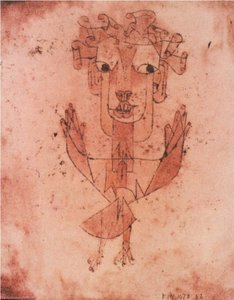 Nový anděl1920
 Twittering Machine 1
 To Parnassus - K Parsnássu1932
 Legendy Nilu1937

Eseje k tématu Senecio
 Paul Klee: 25 mistrovských děl a inspirace pro váš interiér | OriginalUniqueArt.comObjevte 25 ikonických děl Paula Kleeho – od abstraktních kompozic po barevné sny. Ponořte se do světa expresionismu, Bauhausu a jedinečného…
 Structural Sentiment: Decoding the Emotional Language of Geometric AbstractionMaster the emotional language of geometric abstraction through shape and color theory. Explore the masters and elevate your collection toda…
 25 Must-See Masterpieces at Kunsthaus Zürich: A Curated GuideExplore 25 iconic works from Kunsthaus Zürich, from Monet to Giacometti. Discover museum-quality art at OriginalUniqueArt.com.