
 Náhled v interiéru
 Sdílet
 Sdílet
 Podrobnosti o díle
 Průvodce

 Stáhnout
 Podobné položky
 Rentgenové snímky
 Slideshow
 Otázky a odpovědi
 Statistiky
Joyous Frolics


 Zobrazit více
Giclée / Umělecký tisk
Giclée nebo plátěný tisk muzeální kvality s rychlou výrobou a širokou nabídkou povrchových úprav. ( Koupit ručně malovaný obraz Přepnout na digitální obraz)




P118B Kč10

P118H Kč10

P118W Kč10

P438Z Kč10

P508JH Kč12

P508YH Kč12

P805H Kč10

P805Z Kč10

P919BZ Kč10

P919G Kč10

P919XJ Kč10

P959ZH Kč10

P968JZ Kč12

W106C Kč8

W218G Kč10

W218JH Kč8

W218Y Kč10

W307PJ Kč10

W316G Kč10

W316PJ Kč8

W316Y Kč10

W398PJ Kč8

W4111J Kč10

W500HY Kč15

W500JH Kč15

W692G Kč12

W849H Kč8

W940BG Kč15

W953PJ Kč8




Vyberte si z našich přednastavených velikostí, které odpovídají původním proporcím díla.

Zadejte šířku a výšku, které potřebujete pro váš rám nebo stěnu. Tisk lze pouze oříznout, nikdy však nelze zvětšit obraz nad jeho původní rozměr, proto při výběru jiného formátu dochází ke ztrátě části obrazu. Před samotným tiskem vám zašleme digitální náhled k schválení. Obraz zobrazený na této stránce nenabízí skutečný výřez — ten uvidíte pouze v náhledu.
Celosvětové doručení () do 2 týdnů namísto standardních 4/5 týdnů. (7 listopad)

Zdarma celosvětová expresní doprava

Vysoce kvalitní lněné plátno

Kompletní pojištění přepravy

Záruka vrácení celního poplatku

Záruka věrného barevného souladu

100dení lhůta pro vrácení zboží (pouze při vadách výroby)

100% záruka vrácení peněz

Sleva při více objednávkách
 Skleněná varianta je dostupná pouze u rozměrů menších než 110 cm

Joyous Frolics
Giclée / Umělecký tisk
Rozměry reprodukce
-


Celková cena za vybrané možnosti reprodukcí
Kč 1763
A Symphony of Summer: The Ethereal Charm of Joyous Frolics
In the soft, shimmering light of the late nineteenth century, Paul Émile Chabas captured a moment of pure, unadulterated bliss in his masterpiece, Joyous Frolics. Created in 1899, this painting serves as a breathtaking window into the Belle Époque, inviting the viewer to step away from the rigors of modern life and into a serene, aquatic sanctuary. The scene unfolds with a graceful fluidity, depicting a group of women immersed in the gentle embrace of a natural spring or lake. As they swim, stand, and play amidst lush, verdant greenery, there is an unmistakable sense of harmony between the human form and the natural world. It is not merely a depiction of leisure; it is a poetic celebration of vitality and the effortless beauty found in shared moments of tranquility.
The technical mastery of Chabas is on full display through his delicate application of paint, where soft, feathered brushstrokes merge to create a dreamlike atmosphere. Eschewing the harsh outlines of traditional academicism, he employs a muted and sophisticated color palette that emphasizes the play of light upon skin and water. This subtle infusion of Impressionistic technique allows the sunlight to dance across the surface of the ripples, lending a sense of depth and three-dimensional movement to the composition. The way the natural light filters through the surrounding foliage to illuminate the figures creates a luminous quality, making the entire scene feel as though it is breathing with a quiet, rhythmic pulse.
The Art of the Human Form and Natural Grace
As an artist celebrated for his ability to capture the nude figure within organic settings, Chabas utilizes Joyous Frolics to explore themes of innocence and naturalism. The figures are not posed with theatricality; instead, they exist in a state of relaxed, unselfconscious grace. This lack of artifice is what makes the painting so emotionally resonant for the contemporary observer. There is a profound sense of peace derived from seeing the human body integrated so seamlessly into the landscape. The presence of a small boat drifting near the shore adds a touch of nostalgic charm, suggesting a world where time slows down, and the only priority is the enjoyment of the present moment.
For the discerning collector or interior designer, this artwork offers more than just aesthetic beauty; it provides an emotional anchor for a space. The painting’s ability to evoke calmness and nostalgia makes it an ideal centerpiece for rooms designed for relaxation, such as a master suite, a sunlit library, or an elegant lounge. A high-quality reproduction of Joyous Frolics brings with it the prestige of the Musée Des Beaux collection, allowing the timeless elegance of French academic art to transform a modern interior into a sanctuary of classical sophistication. It is a piece that does not merely decorate a wall but breathes life and a sense of historical grandeur into the very heart of a home.
Otázky a odpovědi
Jak si mohu prohlédnout „Joyous Frolics“ od Paul Émile Chabas ve formě skluzobránku?
Dílo „Joyous Frolics“ od Paul Émile Chabas si můžete prohlédnout v podobě diaporamy na stránce Slideshow.
Mohu si před koupí prohlédnout „Joyous Frolics“ od Paul Émile Chabas na své vlastní stěně?
Dílo „Joyous Frolics“ od Paul Émile Chabas si můžete prohlédnout přímo na své vlastní stěně díky stránce Náhled v rozšířené realitě s využitím rozšířené reality na kompatibilním zařízení.
Jakým způsobem se dílo „Joyous Frolics“ zapojuje do témat a stylu umělce Paul Émile Chabas?
V rámci tvorby umělce Paul Émile Chabas se dílo „Joyous Frolics“ řadí do stylu Academic Impressionism a doplňuje tak motivy academic style influences, impressionist brushwork, belle époque leisure, natural beauty themes, mastery of human form, signature nude subject matter.
Biografie umělce
Henri Matisse: A Revolutionary of Color
Henri Matisse, born December 31st, 1869, in Le Cateau, France, wasn’t initially destined for a life immersed in art. His early years were marked by a pragmatic upbringing within a grain-producing family, and he pursued legal studies before discovering his true calling amidst the vibrant artistic currents of Paris. This unexpected shift—from law to brushstrokes—would irrevocably alter the course of 20th-century art, establishing Matisse as one of its most influential figures alongside Pablo Picasso. His legacy isn’t simply defined by a collection of beautiful paintings; it resides in his radical exploration of color and form, pushing boundaries and inspiring generations of artists.
Early Influences and Artistic Beginnings
Matisse's artistic journey began with a cautious foray into drawing classes during the late 1880s. Initially, he sought acceptance within the established academic framework of the École des Beaux-Arts in Paris, studying under Gustave Moreau, a Symbolist painter known for his opulent and often unsettling imagery. However, Matisse quickly found himself dissatisfied with the rigid conventions of this traditional approach. He experimented with various styles – Neoclassicism, Impressionism, and even Neo-Impressionism – absorbing influences from masters like Manet and Cézanne while simultaneously seeking a more personal expression. This period was characterized by a deliberate attempt to master technique, but it also revealed a growing desire to break free from the constraints of traditional representation.
The Fauvist Revolution: A Bold Embrace of Color
Around 1900, Matisse’s artistic trajectory took a dramatic turn. Inspired by Paul Gauguin and Vincent van Gogh, he began to prioritize color above all else, rejecting the muted tones and realistic depictions favored by his contemporaries. This marked the birth of Fauvism – “wild beast” in French – a movement characterized by intense, non-naturalistic colors applied with broad, arbitrary brushstrokes. Works like *Woman with a Hat* (1905) and *The Red Studio* (1911) exemplify this revolutionary approach, showcasing vibrant reds, blues, yellows, and greens used not to represent reality but to evoke emotion and create visual impact. The Salon des Indépendants in Paris provided a crucial platform for these daring works, attracting both critical acclaim and considerable controversy.
Matisse’s Evolution: From Boldness to Restraint
Following the initial fervor of Fauvism, Matisse continued to experiment with color and form. He spent time in Collioure, France, collaborating with André Derain, further refining his expressive palette and exploring new compositional techniques. In 1917, he relocated to Nice, on the French Riviera, where a shift occurred – a move towards greater simplification and a more classical sensibility. This period saw him embracing flatter forms, decorative patterns, and a sense of balance reminiscent of Renaissance masters. Despite this apparent return to tradition, Matisse never abandoned his core principles; instead, he integrated them into a uniquely personal style.
Late Works and Legacy: Cutouts and Beyond
As age progressed, Matisse’s artistic practice underwent another transformation. Following a debilitating illness in 1942, he largely ceased painting, turning his attention to the medium of paper cutouts. These intricate compositions, created by cutting shapes from colored paper and arranging them on canvases, represent a remarkable testament to his enduring creativity and visual acuity. The *Tahitian Faggots* (1937) series, produced during his final years in Corsica, are particularly poignant examples of this late-period work. Henri Matisse died November 3rd, 1954, leaving behind an unparalleled body of work that continues to captivate and inspire audiences worldwide. His influence extends far beyond the realm of painting, shaping modern design, graphic arts, and our very perception of color itself. He remains a pivotal figure in the history of art, a revolutionary who dared to prioritize feeling over representation and forever changed the way we see the world.

Paul Émile Chabas
1869 - 1937
Rychlé informace o umělci
- Full Name: Henri-Émile-Benoît Matisse
- Nationality: French
- Date Of Birth: 1869
- Date Of Death: 1937
- Place Of Birth: Le Cateau, Picardy, France
- Notable Artworks:
- The Red Studio
- Dance (Matisse)
- Artistic Movement Or Style:
- Fauvism
- Modernism
- Artists Who Influenced This Artist:
- William-Adolphe Bouguereau
- Paul Cézanne
- Artists Or Movements Influenced By This Artist: ['Pablo Picasso']
Související články
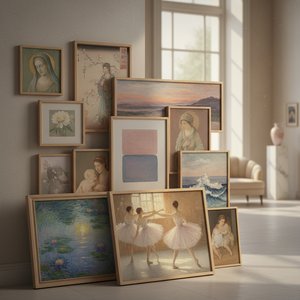
Jemná krása umění: Top 10 obrazů s uklidňující barevnou paletou | OriginalUniqueArt.cz
Objevte 10 ikonických obrazů s jemnou barevnou paletou – Monet, Renoir a další mistři. Ponořte se do světa impresionismu a romantismu! Reprodukce obrazů nejvyšší kvality pro váš interiér na OriginalUniqueArt.cz. Prozkoumejte celou kolekci online.

Pierre-Auguste Renoir: Top 25 děl impresionismu pro váš domov | OriginalUniqueArt.cz
Objevte top 25 děl Pierre-Auguste Renoira – impresionistické ikony plné světla a radosti. Prozkoumejte příběhy slavných obrazů, techniky malby a inspirujte se pro váš domov s OriginalUniqueArt.cz! Reprodukce obrazů nejvyšší kvality.

Claude Monet: 25 mistrovských děl impresionismu pro váš domov | OriginalUniqueArt.com
Prozkoumejte 25 ikonických děl Claude Moneta – mistra impresionismu. Obdivujte vodní lilie, krajiny a secesní obrazy plné světla a barev. Najděte inspiraci pro váš interiér s reprodukcemi nejvyšší kvality na OriginalUniqueArt.com

The Subdued Palette: Exploring Emotional Resonance & Aesthetic Impact in Muted Artworks
Explore the power of muted colors in art! Discover the history, psychology & techniques behind serene palettes. Find inspiration & expert advice for creating emotionally resonant spaces with OriginalUniqueArt.
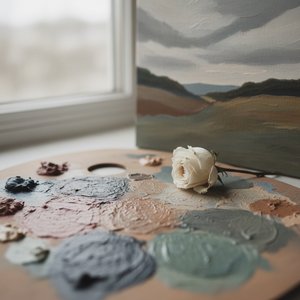
The Subdued Resonance: Exploring Emotional Depth & Artistic Nuance within Muted Color Palettes
Explore the captivating world of muted colors in art & design! Discover historical context, psychological effects, techniques, and inspiration for creating serene spaces. Elevate your aesthetic with OriginalUniqueArt.