

 Zobrazit v interiéru
 Odeslat
 Sdílet
 Podrobnosti
 Průvodce

 Stáhnout obrázek
 Podobné kousky
 Rentgenové snímky
 Slideshow
 Statistiky
Visage
 Acrylic On Canvas
- WallArt
- Impressionism
 23.0 x 22.0 cm
 Hammer Museum
 Přečíst si více
Giclée / Umělecký tisk
Giclée nebo plátěný tisk muzeální kvality s rychlou výrobou a širokou nabídkou povrchových úprav. ( Objednat ručně malovanou reprodukci Přepnout na digitální verzi obrazu)




P118B $10

P118H $10

P118W $10

P438Z $10

P508JH $12

P508YH $12

P805H $10

P805Z $10

P919BZ $10

P919G $10

P919XJ $10

P959ZH $10

P968JZ $12

W106C $8

W218G $10

W218JH $8

W218Y $10

W307PJ $10

W316G $10

W316PJ $8

W316Y $10

W398PJ $8

W4111J $10

W500HY $15

W500JH $15

W692G $12

W849H $8

W940BG $15

W953PJ $8




Vyberte si z našich přednastavených velikostí, které odpovídají původním proporcím díla.

Můžete zadat vlastní rozměry tak, aby výtvor odpovídal konkrétnímu rámu nebo prostoru. Pokud zvolená velikost nebude odpovídat poměru stran původního obrazu, dílo buď ořížeme, nebo obraz rozšíříme pomocí zrcadlového efektu či jednobarevného okraje. Před zahájením výroby vám bude zaslán digitální náhled k schválení.
Mějte prosím na paměti, že náhled na obrazovce neodráží skutečné oříznutí nebo rozšíření. Pouze digitální náhled přesně zobrazí finální kompozici.
Ačkoliv jsou k dispozici i vlastní rozměry, pro zachování původních proporcí doporučujeme vybrat si rozměr z předdefinovaného seznamu.
Celosvětové doručení () do 2 týdnů namísto standardních 4/5 týdnů. (26 září)

Zdarma celosvětová expresní doprava

Vysoce kvalitní lněné plátno

Úplné pojištění přepravy

Záruka vrácení celního poplatku

Záruka věrného barevného shodu

100dení lhůta pro vrácení zboží (pouze při vadách výroby)

100% garance vrácení peněz

Sleva při více objednávkách
 Skleněná varianta je dostupná pouze u rozměrů menších než 110 cm

Visage
Giclée / Umělecký tisk
Velikost reprodukce
-


Celková cena
$ 80
Paul César Helleu: Capturing Belle Époque Elegance & Artistic Innovation
Paul César Helleu (1859–1927) stands as a pivotal figure in French Impressionist painting, renowned for his exquisite portraits of women that embody the spirit of the Belle Époque – an era defined by opulent social life and artistic experimentation. More than just aesthetically pleasing images, Helleu’s works offer a glimpse into the cultural values and sensibilities of late nineteenth-century Paris, reflecting a fascination with beauty, refinement, and psychological nuance. His legacy continues to inspire artists today, demonstrating the enduring power of meticulous observation and masterful technique.Subject Matter & Composition: A Portrait Steeped in Dignity
Helleu’s artistic focus centered on capturing the essence of female subjects—primarily aristocratic ladies—whose portraits became iconic representations of their time. He meticulously studied his models, striving to convey not merely physical likeness but also inner character and emotional state. The composition of “Visage” exemplifies this approach: a tightly cropped profile view emphasizes the woman’s head and shoulders, skillfully framing her gaze directed off to the side—a gesture that speaks volumes about composure and thoughtfulness. A prominent bow adorning her hair serves as a decorative element, subtly reinforcing the image's formal elegance and highlighting social status. The balanced arrangement of elements contributes to an overall sense of harmony despite the asymmetry inherent in portraiture.Technique: Drypoint Etching – Precision & Texture
Helleu’s artistic brilliance resided primarily in his mastery of drypoint etching, a technique he embraced wholeheartedly during his formative years alongside fellow Impressionists like Whistler and Sargent. This method involved scratching lines onto a copper plate using a stylus—a process demanding considerable patience and precision—before transferring the inked image onto paper. The resulting print possesses remarkable textural qualities thanks to the interplay between hatching and cross-hatching techniques, which Helleu employed extensively to build up areas of shadow and volume. Fine, delicate lines delineate facial features and hair texture with exceptional accuracy, capturing subtle nuances that would elude less skilled artists.Historical Context & Artistic Influences: Impressionism's Legacy
Helleu’s artistic trajectory was profoundly shaped by the burgeoning Impressionist movement, which challenged academic conventions and championed plein air painting—working outdoors directly from nature—as opposed to studio-based methods. Artists like Monet and Renoir revolutionized painting with their exploration of light and color, prioritizing subjective perception over objective representation. Helleu absorbed these influences, adapting Impressionistic principles to the formal constraints of portraiture while retaining a distinctive stylistic voice. His work reflects the broader cultural shift toward valuing beauty and emotion—a hallmark of the Belle Époque—marking him as one of the era’s most accomplished visual artists.Symbolism & Emotional Impact: Elegance Beyond Appearance
“Visage” transcends mere visual depiction; it embodies a deeper symbolic resonance rooted in the psychological complexities of its subject. The woman's serene expression conveys dignity and composure, reflecting the idealized femininity prevalent during the Belle Époque—a period characterized by societal expectations regarding female behavior and appearance. The bow in her hair symbolizes refinement and aristocratic status, reinforcing the portrait’s social context. Ultimately, Helleu’s masterpiece invites contemplation on themes of beauty, grace, and inner strength—elements that continue to captivate viewers today and solidify his place as a master of artistic expression.Biografie umělce
Paul César Helleu (1859–1927): A Belle Époque Visionary
Paul César Helleu, born December 17, 1859, in Vannes, Brittany, France, stands as one of the most prominent figures of the Belle Époque—a period characterized by exuberant optimism and artistic innovation that captivated Europe between 1870 and the outbreak of World War I. His legacy resides not merely in his prolific output but also in his masterful embodiment of the era’s aesthetic ideals: elegance, refinement, and a fascination with capturing fleeting moments of beauty.- Early Life & Artistic Training
- Influences & Techniques
- Major Works & Recognition
- Legacy & Historical Significance
Early Life & Artistic Training
Helleu’s formative years were marked by considerable hardship following the untimely death of his father, a customs inspector. Despite initial reservations from his mother regarding pursuing artistic ambitions—a path deemed unconventional for women of their time—he resolutely moved to Paris at sixteen, determined to realize his creative aspirations. His education commenced at Lycée Chaptal where he honed foundational skills in drawing and composition under the tutelage of Jean-Léon Gérôme, a celebrated Orientalist painter whose meticulous realism served as an early influence. This exposure to academic art instilled in him a disciplined approach that would underpin his subsequent artistic endeavors.Influences & Techniques
The Second Impressionist Exhibition in 1876 proved pivotal in shaping Helleu’s artistic worldview. Drawn to the revolutionary techniques championed by luminaries such as John Singer Sargent, James McNeill Whistler, and Claude Monet—artists who prioritized outdoor scenes and employed *alla prima* painting methods—Helleu embraced a radically different aesthetic from traditional studio practices. This encounter ignited his passion for Impressionism and cemented its indelible mark on his artistic style. Notably, Giovanni Boldini’s mentorship profoundly impacted Helleu's approach to portraiture, fostering a stylistic sensitivity that prioritized capturing psychological nuance alongside physical likeness.Major Works & Recognition
Helleu achieved international acclaim for his portraits of aristocratic women from Parisian society during the Belle Époque. Subjects like Duchess of Marlborough, Marchesa Casati, Belle da Costa Greene, Louise Chéruit and Helena Rubenstein became iconic representations of feminine beauty and grace—capturing not only their physical appearance but also their inner character with remarkable subtlety. His mastery of drypoint etching—introduced to him by James Jacques Tissot—became a defining characteristic of his oeuvre. He produced over 2,000 prints during his lifetime, demonstrating an unparalleled dedication to this technique and establishing himself as one of the foremost printmakers of his era.Legacy & Historical Significance
Paul César Helleu’s artistic contribution extends beyond individual masterpieces; he fundamentally shaped the visual culture of the Belle Époque. His portraits offer invaluable insight into the social mores and stylistic preferences of Parisian high society—a testament to his ability to distill the essence of an era into enduring images. Furthermore, Helleu's influence resonated throughout subsequent generations of artists, particularly in printmaking, where his innovative use of drypoint etching served as a model for aspiring craftsmen. He is rightfully regarded as one of the foremost artists in capturing the spirit and aesthetic ideals of this transformative period—a legacy that continues to inspire admiration and scholarly study today.
Paul César Helleu
1859 - 1927 , Francie
Rychlé informace
- Artistic Movement Or Style: Impressionismus
- Artists Who Influenced This Artist:
- Jean-Léon Gérôme
- John Singer Sargent
- Date Of Birth: 17. prosince 1859 Vannes
- Date Of Death: 23. března 1927 Paříž
- Full Name: Paul César Helleu
- Nationality: Francouzský
- Notable Artworks:
- Portrét Alice Guérin
- Výzdoba Grand Central Terminal
- Place Of Birth: Vannes, Francie
Související články
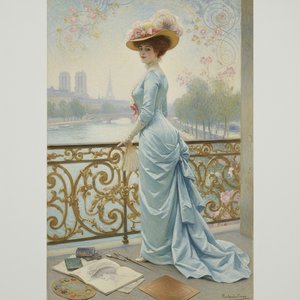
Paul César Helleu: Capturing Belle Époque Elegance & Artistic Innovation
Explore the captivating world of Paul César Helleu, master portraitist of the Belle Époque. Discover his innovative techniques, iconic works like 'Portrait of Margaret Kelly,' and investment potential with OriginalUniqueArt.

Paul Cézanne: 25 mistrovských děl a revoluce v moderním umění | OriginalUniqueArt.cz
Prozkoumejte 25 ikonických děl Paula Cézanna – průkopníka moderního umění a impresionismu. Obdivujte jeho still life, krajiny a portréty. Reprodukce obrazů v nejvyšší kvalitě na OriginalUniqueArt.com. Inspirace pro váš interiér!
10 legendárních leptů, které změnily umění navždy | OriginalUniqueArt
Prozkoumejte 10 legendárních leptů od Rembrandta, Goya a dalších mistrů. Objevte historii umělecké grafiky, etingové techniky a inspirujte se pro váš interiér s reprodukcemi nejvyšší kvality na OriginalUniqueArt.com.

Paul Klee: 25 mistrovských děl a inspirace pro váš interiér | OriginalUniqueArt.com
Objevte 25 ikonických děl Paula Kleeho – od abstraktních kompozic po barevné sny. Ponořte se do světa expresionismu, Bauhausu a jedinečného uměleckého stylu. Reprodukce obrazů nejvyšší kvality pro váš interiér na OriginalUniqueArt.com

Etching: A Historical Survey of Technique, Aesthetic Qualities & Enduring Artistic Significance
Explore the rich history of etching, from its origins to Rembrandt's masterful innovations. Discover the technique, aesthetic qualities & enduring legacy of this captivating art form. Expert insights for collectors and enthusiasts.