

 Náhled v interiéru
 Sdílet
 Sdílet
 Podrobnosti o díle
 Průvodce

 Stáhnout
 Podobné položky
 Rentgenové snímky
 Slideshow
 Statistiky
Jean

 Zobrazit více
Ručně malovaná olejová reprodukce
Rukou malované olejné plátno v libovolném rozměru i s rámem, vyrobené našimi umělci na zakázku. ( Přepnout na tisk Přepnout na digitální obraz)




































Vyberte si z našich přednastavených velikostí, které odpovídají původním proporcím díla.

Zadejte šířku a výšku, které potřebujete pro váš rám nebo stěnu. Protože se jedná o ruční malbu, při výběru jiného formátu může umělec kolem obrazu domalovat o něco více, nebo jej mírně oříznout — rozhodnete si vy. Před zahájením malby vám zašleme digitální náhled ke schválení. Obraz zobrazený na této stránce neodpovídá skutečnému výsledku — pouze digitální náhled jej zobrazuje.
Po přijetí objednávky vám tým OriginalUniqueArt.com zašle e-mail s pokyny a poskytne náhledovou verzi.
Celosvětová doprava () za 3–4 týdny namísto standardních 5 týdnů. (27 říjen). Bez kompromisů v kvalitě.

Zdarma celosvětová expresní doprava

Vysoce kvalitní lněné plátno

Kompletní pojištění přepravy

Záruka vrácení celního poplatku

Záruka věrného barevného souladu

100dení lhůta pro vrácení zboží (pouze při vadách výroby)

100% záruka vrácení peněz

Sleva při více objednávkách
 Skleněná varianta je dostupná pouze u rozměrů menších než 110 cm

Jean
Technika reprodukce
Rozměry reprodukce
-


Celková cena za vybrané možnosti reprodukcí
Kč 6971
Biografie umělce
Paul César Helleu (1859–1927): A Belle Époque Visionary
Paul César Helleu, born December 17, 1859, in Vannes, Brittany, France, stands as one of the most prominent figures of the Belle Époque—a period characterized by exuberant optimism and artistic innovation that captivated Europe between 1870 and the outbreak of World War I. His legacy resides not merely in his prolific output but also in his masterful embodiment of the era’s aesthetic ideals: elegance, refinement, and a fascination with capturing fleeting moments of beauty.- Early Life & Artistic Training
- Influences & Techniques
- Major Works & Recognition
- Legacy & Historical Significance
Early Life & Artistic Training
Helleu’s formative years were marked by considerable hardship following the untimely death of his father, a customs inspector. Despite initial reservations from his mother regarding pursuing artistic ambitions—a path deemed unconventional for women of their time—he resolutely moved to Paris at sixteen, determined to realize his creative aspirations. His education commenced at Lycée Chaptal where he honed foundational skills in drawing and composition under the tutelage of Jean-Léon Gérôme, a celebrated Orientalist painter whose meticulous realism served as an early influence. This exposure to academic art instilled in him a disciplined approach that would underpin his subsequent artistic endeavors.Influences & Techniques
The Second Impressionist Exhibition in 1876 proved pivotal in shaping Helleu’s artistic worldview. Drawn to the revolutionary techniques championed by luminaries such as John Singer Sargent, James McNeill Whistler, and Claude Monet—artists who prioritized outdoor scenes and employed *alla prima* painting methods—Helleu embraced a radically different aesthetic from traditional studio practices. This encounter ignited his passion for Impressionism and cemented its indelible mark on his artistic style. Notably, Giovanni Boldini’s mentorship profoundly impacted Helleu's approach to portraiture, fostering a stylistic sensitivity that prioritized capturing psychological nuance alongside physical likeness.Major Works & Recognition
Helleu achieved international acclaim for his portraits of aristocratic women from Parisian society during the Belle Époque. Subjects like Duchess of Marlborough, Marchesa Casati, Belle da Costa Greene, Louise Chéruit and Helena Rubenstein became iconic representations of feminine beauty and grace—capturing not only their physical appearance but also their inner character with remarkable subtlety. His mastery of drypoint etching—introduced to him by James Jacques Tissot—became a defining characteristic of his oeuvre. He produced over 2,000 prints during his lifetime, demonstrating an unparalleled dedication to this technique and establishing himself as one of the foremost printmakers of his era.Legacy & Historical Significance
Paul César Helleu’s artistic contribution extends beyond individual masterpieces; he fundamentally shaped the visual culture of the Belle Époque. His portraits offer invaluable insight into the social mores and stylistic preferences of Parisian high society—a testament to his ability to distill the essence of an era into enduring images. Furthermore, Helleu's influence resonated throughout subsequent generations of artists, particularly in printmaking, where his innovative use of drypoint etching served as a model for aspiring craftsmen. He is rightfully regarded as one of the foremost artists in capturing the spirit and aesthetic ideals of this transformative period—a legacy that continues to inspire admiration and scholarly study today.
Paul César Helleu
1859 - 1927 , Francie
Rychlé informace o umělci
- Artistic Movement Or Style: Impressionismus
- Artists Who Influenced This Artist:
- Jean-Léon Gérôme
- John Singer Sargent
- Date Of Birth: 17. prosince 1859 Vannes
- Date Of Death: 23. března 1927 Paříž
- Full Name: Paul César Helleu
- Nationality: Francouzský
- Notable Artworks:
- Portrét Alice Guérin
- Výzdoba Grand Central Terminal
- Place Of Birth: Vannes, Francie
Související články

Top 10 slavných obrazů s dominantní černou barvou | OriginalUniqueArt.cz
Prozkoumejte 10 nejslavnějších obrazů s dominantní černou barvou od Van Gogha, Muncha a dalších mistrů. Objevte příběhy za uměleckými díly, techniky a inspiraci. Reprodukce obrazů nejvyšší kvality na OriginalUniqueArt.com.

Top 10 slavných obrazů vládnutých bílou barvou – Umění a inspirace pro interiér
Objevte top 10 slavných obrazů, kde bílá barva hraje klíčovou roli. Claude Monet, Van Gogh a další mistři! Inspirace pro váš interiér a reprodukce umění nejvyšší kvality na OriginalUniqueArt.com.
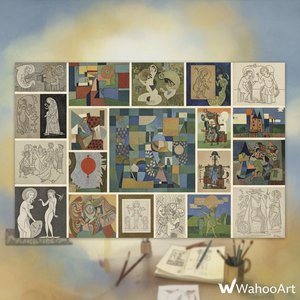
Paul Klee: 25 mistrovských děl a inspirace pro váš interiér | OriginalUniqueArt.com
Objevte 25 ikonických děl Paula Kleeho – od abstraktních kompozic po barevné sny. Ponořte se do světa expresionismu, Bauhausu a jedinečného uměleckého stylu. Reprodukce obrazů nejvyšší kvality pro váš interiér na OriginalUniqueArt.com
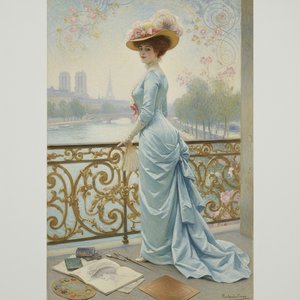
Paul César Helleu: Capturing Belle Époque Elegance & Artistic Innovation
Explore the captivating world of Paul César Helleu, master portraitist of the Belle Époque. Discover his innovative techniques, iconic works like 'Portrait of Margaret Kelly,' and investment potential with OriginalUniqueArt.

Paul Cézanne: 25 mistrovských děl a revoluce v moderním umění | OriginalUniqueArt.cz
Prozkoumejte 25 ikonických děl Paula Cézanna – průkopníka moderního umění a impresionismu. Obdivujte jeho still life, krajiny a portréty. Reprodukce obrazů v nejvyšší kvalitě na OriginalUniqueArt.com. Inspirace pro váš interiér!