
 Náhled
 Sdílet
 Sdílet
 Podrobnosti o díle

 Stáhnout
 Podobné položky
 Rentgenové snímky
 Slideshow
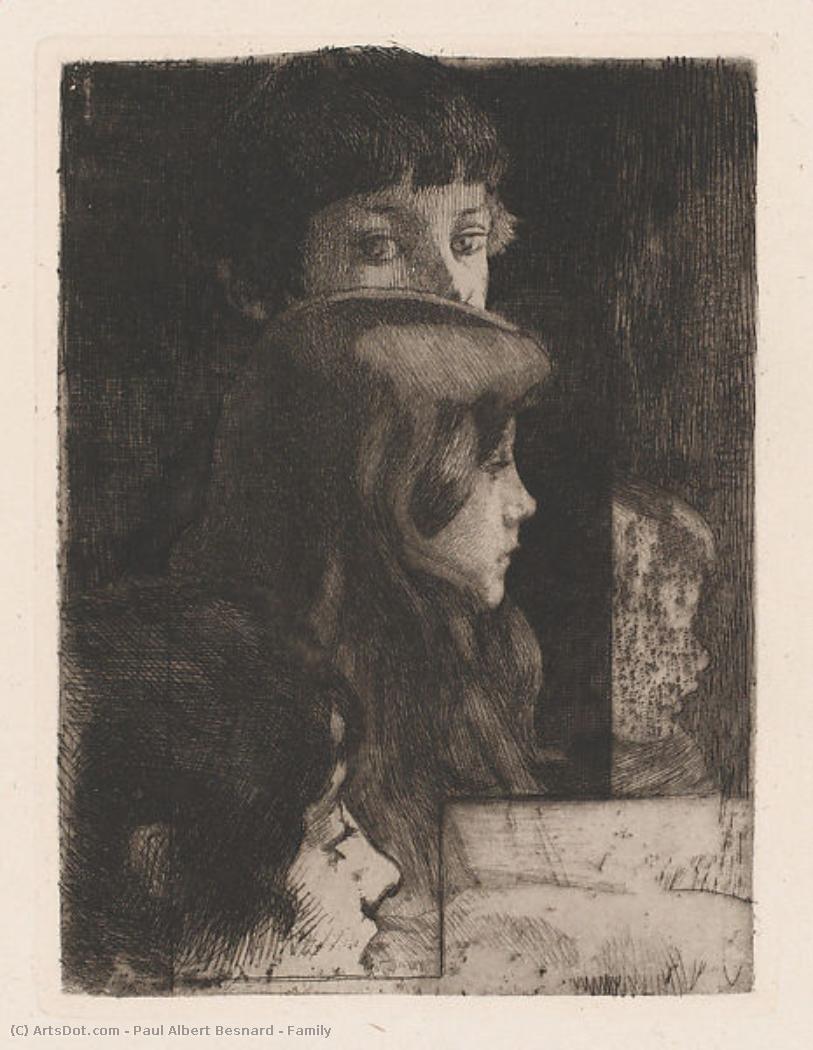
Family


 Zobrazit více
Ručně malovaná olejová reprodukce
Ručně malovaná olejná barva na plátně ve vašem zvoleném rozměru i s rámem, vyrobená našimi umělci na zakázku. ( Koupit tisk Koupit obrázek)




P118B $10

P118H $10

P118W $10

P438Z $10

P508JH $12

P508YH $12

P805H $10

P805Z $10

P919BZ $10

P919G $10

P919XJ $10

P959ZH $10

P968JZ $12

W106C $8

W218G $10

W218JH $8

W218Y $10

W307PJ $10

W316G $10

W316PJ $8

W316Y $10

W398PJ $8

W4111J $10

W500HY $15

W500JH $15

W692G $12

W849H $8

W940BG $15

W953PJ $8




Vyberte si z našich přednastavených velikostí, které odpovídají původním proporcím díla.

Můžete zadat vlastní rozměry pro konkrétní rám nebo prostor. Pokud se vámi vybraná velikost neshoduje s proporcemi původního obrazu, dílo buď ořízneme, nebo jej doplníme ručně malovanými prvky. Před zahájením výroby vám bude zaslán digitální náhled ke schválení.
Upozorňujeme, že náhled na obrazovce neodpovídá skutečnému ořezu ani rozšíření. Pouze digitální náhled přesně zobrazí finální kompozici.
Ačkoliv je možné zvolit vlastní velikost, pro zachování původních proporcí doporučujeme vybrat rozměr z předdefinovaného seznamu.
Po přijetí objednávky vám tým OriginalUniqueArt.com zašle e-mail s pokyny a poskytne náhledovou verzi.
Celosvětová doprava () za 3–4 týdny namísto standardních 5 týdnů. (12 srpen). Bez kompromisů v kvalitě.

Zdarma celosvětová expresní doprava

Vysoce kvalitní lněné plátno

Kompletní přepravní pojištění

Záruka vrácení celního poplatku

Záruka přesného barevného shodu

60denní lhůta pro vrácení zboží (pouze při vadách výroby)

100% garance vrácení peněz

Sleva při hromadné objednávce
 Skleněná varianta je dostupná pouze u rozměrů menších než 110 cm

Family
Technika reprodukce
Rozměry reprodukce
-


Celková cena za výběr
$ 325
Popis díla
Paul Albert Besnard’s “Family”: A Delicate Balance Between Academic Tradition and Impressionistic Emotion
Paul Albert Besnard (1849-1934) stands as a singular figure in French art of the late nineteenth century—a painter who stubbornly resisted categorization while simultaneously achieving remarkable success across diverse artistic mediums. Born in Paris, he possessed an innate talent nurtured by formal training at the École des Beaux-Arts under Jean Bremond and profoundly shaped by the pioneering spirit of Alexandre Cabanel, whose meticulous realism served as a cornerstone for Besnard’s initial artistic explorations. His academic grounding provided a disciplined foundation upon which he would later forge his own distinctive path, one characterized by an unwavering fascination with color and light—concepts championed by the Impressionists. This duality – a respect for established form alongside a yearning for expressive nuance – is beautifully embodied in “Family,” completed in 1890. The artwork depicts four members of Besnard’s family: his wife, Madame Besnard; their daughter, Germaine; and their sons, Robert and Philippe. Rendered in etching technique—specifically a second state print—the image captures a moment of quiet intimacy within the domestic sphere. Unlike many artists of his time who sought grand narratives or dramatic gestures, Besnard opted for a restrained composition focused on conveying emotion through subtle tonal variations and textural detail. This deliberate choice reflects the broader artistic currents of Impressionism, where artists prioritized capturing fleeting impressions of light and atmosphere over precise representation. Besnard’s meticulous attention to surface qualities is evident in the extensive use of hatching and cross-hatching—techniques that imbue the figures' hair, clothing, and facial features with a palpable sense of depth and realism. The artist skillfully employs fine lines to create texture, mirroring the soft diffusion of light characteristic of Impressionistic painting. This textural richness contributes significantly to the artwork’s overall mood – one of tenderness and contemplative reflection. The dark background serves as an anchor for the luminous forms of the family members, emphasizing their presence against a backdrop of muted tones. The etching process itself—transferring ink onto metal plate and pressing it onto paper—allowed Besnard to achieve remarkable precision while maintaining a distinctive visual aesthetic. This method ensured that every nuance of tone and texture was faithfully reproduced, resulting in an image that transcends mere depiction; it aspires to evoke feeling. The artwork’s muted color palette – primarily shades of gray, black, and white – underscores the emotional core of the piece. It's not about flamboyant hues but rather about conveying a profound sense of familial connection and understated beauty. Further research into Besnard’s life and artistic influences reveals connections to both Cabanel’s academic realism and Monet’s Impressionistic explorations. This synthesis—a commitment to meticulous observation combined with an embrace of atmospheric effects—solidifies “Family” as a testament to Besnard's enduring legacy within the history of French art. The artwork resides in Musée d'Orsay, Paris, France.- Artist: Paul Albert Besnard
- Date: 1890
- Medium: Etching; second state of two
- Dimensions: Sheet: 12 1/16 × 12 1/16 in. (32.2 × 32.3 cm)
- Plate: 5 15/16 × 4 3/8 in. (15.1 × 11.1 cm)
Biografie umělce
The Luminous Legacy of Paul Albert Besnard
Paul Albert Besnard (1849-1934) stands as a singular figure in the tapestry of French art, a painter who navigated the shifting tides of the late nineteenth and early twentieth centuries with a unique, unclassifiable grace. Born in Paris, his artistic journey began within the rigorous confines of the École des Beaux-Arts, where he studied under Jean Bremond. His early development was profoundly shaped by the meticulous realism of Alexandre Cabanel, an influence that provided Besnard with a disciplined academic foundation. Yet, beneath this classical training beat the heart of a modernizer, one who would eventually move beyond the rigid boundaries of tradition to embrace the ephemeral beauty of light and atmosphere.
As his career matured, Besnard began to bridge the gap between the structured world of academic painting and the vibrant, sensory explorations of Impressionism. While he did not fully abandon form for the sake of pure abstraction, he became a master of color, utilizing a palette that felt both luminous and deeply emotive. His work is characterized by an unwavering fascination with how light interacts with surfaces, whether it be the delicate skin in a portrait or the sweeping architectural expanses of his grandest commissions. This ability to marry the monumental with the intimate allowed him to transcend the labels of his era, creating a style that felt both timeless and strikingly contemporary.
A Master of Scale and Spirit
Besnard’s true genius was perhaps most visible in his ability to translate modern sensibilities onto a grand, decorative scale. He did not merely paint pictures; he transformed spaces. His ambitious frescoes, which adorn some of France's most prestigious institutions, serve as a testament to his vision of art as a public, immersive experience. These works can be found in locations such as:
- The Sorbonne, where his brushwork breathes life into academic grandeur.
- The École de Pharmacie, showcasing his ability to integrate art with functional architecture.
- The Comédie Française’s Salle des Sciences, a triumph of decorative storytelling.
- Hôtel de Ville, reflecting the civic pride and aesthetic sophistication of Paris.
- Berck Hospital's chapel, where his Stations of the Cross reimagined religious iconography through a modern, humanistic lens.
In these massive undertakings, Besnard eschewed the overtly dramatic or theatrical aesthetics favored by many of his contemporaries. Instead, he utilized a more subtle, atmospheric approach that allowed the light to guide the viewer's eye, ensuring that even the most massive compositions retained a sense of poetic intimacy and spiritual depth.
Portraiture and the Intimacy of Form
Beyond the sweeping vistas of his frescoes, Besnard was a prolific creator of much more personal works. He possessed an extraordinary ability to capture the psychological essence of his subjects through oil, watercolor, pastel, and etching. His portraits are celebrated not just for their technical precision, but for their profound emotional resonance. In his depiction of Madame Georges Rodenbach, one finds a daring exploration of beauty that challenges conventional norms, showcasing his skill in rendering texture and character with equal fervor.
His versatility as a printmaker and draftsman allowed him to experiment with the interplay of shadow and light on a much more delicate scale. Whether capturing the regal presence of The King and Queen of Belgium or the quietude of a landscape, Besnard’s work remains anchored by an influence reminiscent of Thomas Gainsborough—a certain elegance and rhythmic flow that elevates the subject matter. Ultimately, Paul Albert Besnard’s significance lies in this very duality: he was an artist who could command the largest halls of France while simultaneously capturing the most fleeting, delicate whispers of light.
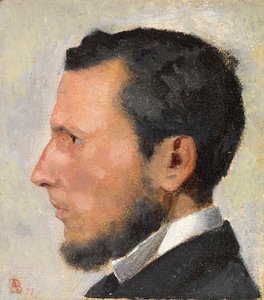
Paul Albert Besnard
1849 - 1934 , France
Rychlé fakta
- Artistic Movement Or Style: Impressionism
- Artists Or Movements Influenced By This Artist: ['Academic Painting']
- Artists Who Influenced This Artist:
- Alexandre Cabanel
- Thomas Gainsborough
- Date Of Birth: Paris, France (1849)
- Date Of Death: 1934
- Full Name: Paul Albert Besnard
- Nationality: French
- Notable Artworks:
- Death of Timophanes
- Peace by arbitration
- Portrait de Madame Georges Rodenbach
- Place Of Birth: Paris
Související články
Top 10 impresionistických mistrovských děl, která změnila svět umění |
Prozkoumejte 10 ikonických děl impresionismu od Monet, Renoir, Degas a dalších. Objevte příběhy za obrazy plnými světla a barev. Najděte perfektní umělecké reprodukce pro váš interiér na .
Henri Martin: A Synthesis of Impressionism & Symbolism in the French Landscape Tradition
Explore the captivating world of Henri Martin, a French Post-Impressionist bridging Impressionism & Symbolism. Discover his unique style, influential landscapes, and lasting legacy with OriginalUniqueArt.

Albert Charles Lebourg: A Study in Atmospheric Impressionism & Rural France
Explore the serene landscapes of Albert Charles Lebourg, a master of the Rouen School Impressionists. Discover his atmospheric paintings of the Seine and enduring legacy in 19th-century French art.
The Enduring Portrait of Kinship: Family Representations Across Art History
Explore the rich history of family portraiture through art! Discover masterpieces from across centuries & learn how artists captured kinship, intimacy, and societal values. Expert insights for collectors & enthusiasts.
Timeless Bonds: Commissioning Oil Portraits as Heirlooms of Romantic Love and Family Heritage
Commission a timeless oil portrait from skilled artists at OriginalUniqueArt. Preserve your family's legacy with museum-quality paintings, crafted to cherish for generations. Expert guidance & personalized service.

