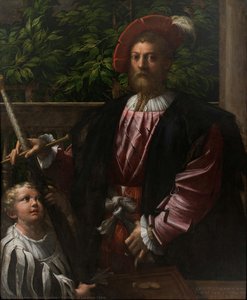
Náhled v interiéru
 Sdílet
 Sdílet
 Podrobnosti o díle
 Průvodce

 Stáhnout
 Podobné položky
 Rentgenové snímky
 Slideshow
 Otázky a odpovědi
 Statistiky
Venus Disarming Cupid

- 18.0 x 14.0 cm


 Zobrazit více
Giclée / Umělecký tisk
Giclée nebo plátěný tisk muzeální kvality s rychlou výrobou a širokou nabídkou povrchových úprav. ( Koupit ručně malovaný obraz Přepnout na digitální obraz)




P118B Kč10

P118H Kč10

P118W Kč10

P438Z Kč10

P508JH Kč12

P508YH Kč12

P805H Kč10

P805Z Kč10

P919BZ Kč10

P919G Kč10

P919XJ Kč10

P959ZH Kč10

P968JZ Kč12

W106C Kč8

W218G Kč10

W218JH Kč8

W218Y Kč10

W307PJ Kč10

W316G Kč10

W316PJ Kč8

W316Y Kč10

W398PJ Kč8

W4111J Kč10

W500HY Kč15

W500JH Kč15

W692G Kč12

W849H Kč8

W940BG Kč15

W953PJ Kč8




Vyberte si z našich přednastavených velikostí, které odpovídají původním proporcím díla.

Zadejte šířku a výšku, které potřebujete pro váš rám nebo stěnu. Tisk lze pouze oříznout, nikdy však nelze zvětšit obraz nad jeho původní rozměr, proto při výběru jiného formátu dochází ke ztrátě části obrazu. Před samotným tiskem vám zašleme digitální náhled k schválení. Obraz zobrazený na této stránce nenabízí skutečný výřez — ten uvidíte pouze v náhledu.
Celosvětové doručení () do 2 týdnů namísto standardních 4/5 týdnů. (7 listopad)

Zdarma celosvětová expresní doprava

Vysoce kvalitní lněné plátno

Kompletní pojištění přepravy

Záruka vrácení celního poplatku

Záruka věrného barevného souladu

100dení lhůta pro vrácení zboží (pouze při vadách výroby)

100% záruka vrácení peněz

Sleva při více objednávkách
 Skleněná varianta je dostupná pouze u rozměrů menších než 110 cm

Venus Disarming Cupid
Giclée / Umělecký tisk
Rozměry reprodukce
-


Celková cena za vybrané možnosti reprodukcí
Kč 1763
The Enigmatic Dance of Desire: Parmigianino’s Venus Disarming Cupid
Parmigianino's "Venus Disarming Cupid," a drawing executed between 1527 and 1530, isn’t merely a depiction of a mythological scene; it’s a profound meditation on love, power, and the very nature of desire. Created during his formative years in Florence and Rome, this work encapsulates the burgeoning Mannerist style – a deliberate departure from the idealized harmony of the High Renaissance, favoring instead an exquisite tension, a heightened drama, and a captivating sense of ambiguity. The sheet itself, a pale pink prepared paper reminiscent of a chiaroscuro woodcut, immediately establishes a mood of restrained elegance, hinting at the intricate layers of meaning concealed within the composition.
At its heart lies Venus, rendered with an almost unsettling sensuality. She’s not the serene goddess of classical sculpture; instead, she's caught in a moment of fierce, volatile emotion. Her pose – a masterful example of the *figura serpentinata*, that sinuous, twisting form so beloved by Mannerist artists – is both arresting and subtly unsettling. The exaggerated curve of her spine, the languid drape of her gown, all contribute to an image brimming with contained energy. Her hand, poised mid-gesture, holds the bow and arrow, a symbol of Cupid’s destructive power, yet she wields it not with aggression, but with a deliberate, almost playful control.
- The Myth Unveiled: The scene draws directly from Ovid's *Metamorphoses*, recounting the moment when Venus, wounded by Cupid’s arrow, retaliates by disarming her son. This isn’t a tale of simple maternal affection; it’s a complex narrative of reciprocal pain and fury – a testament to the consuming nature of love itself.
- A Study in Movement: Parmigianino meticulously explored various poses for Venus's arm, evident in the numerous preparatory sketches that accompanied this drawing. Each iteration reveals his painstaking process of achieving the perfect balance between dynamism and grace, capturing the fleeting quality of emotion.
- The Woodcutter’s Influence: The Budapest sheet’s origin is intriguing; it was likely intended for woodcuts, a technique favored by Parmigianino during his time working with Antonio da Trento. This suggests an awareness of the limitations of drawing as a medium and a desire to translate the image into a more widely accessible format.
Mannerist Sensibilities: A Departure from Tradition
“Venus Disarming Cupid” is a quintessential example of Mannerism’s distinctive aesthetic. Unlike the balanced compositions and harmonious colors of the High Renaissance, Parmigianino embraces distortion, exaggeration, and an unsettling sense of artificiality. The figures are elongated, their proportions subtly skewed, creating a visual tension that mirrors the emotional turmoil depicted. The use of pale pink as a dominant color further contributes to this atmosphere of restrained intensity – it’s not a vibrant, celebratory hue, but rather one imbued with a subtle melancholy.
This departure from classical ideals wasn't simply stylistic; it reflected a broader cultural shift. The Sack of Rome in 1527 had profoundly impacted the Italian Renaissance, shattering the confidence and stability that had characterized the era. Mannerism emerged as a response to this upheaval – a style characterized by uncertainty, anxiety, and a fascination with the grotesque. Parmigianino’s drawing embodies these anxieties, capturing the sense of disorientation and emotional instability that permeated the period.
Symbolic Layers: Beyond the Myth
Beyond its mythological narrative, “Venus Disarming Cupid” is rich in symbolic meaning. The bow and arrow represent not just Cupid's destructive power but also the vulnerability inherent in love – a force capable of inflicting both pleasure and pain. Venus’s act of disarming her son can be interpreted as a rejection of passive acceptance, a declaration of agency in the face of overwhelming emotion. The two Cupids flanking her are themselves symbolic: one appears subdued, perhaps representing the wounded innocence of youth, while the other seems to mirror Venus's defiant stance.
Furthermore, the drawing’s preparatory nature—the numerous sketches and studies—suggest a deeper exploration of the theme. It’s not simply a finished artwork but a testament to Parmigianino’s intellectual engagement with the subject matter, reflecting his meticulous approach to artistic creation.
A Legacy of Grace: Reproduction and Interpretation
Reproductions of “Venus Disarming Cupid” offer a remarkable opportunity to appreciate the nuances of Parmigianino's artistry. The delicate washes, the subtle gradations of tone, and the masterful rendering of form are all best appreciated through high-quality reproductions. This drawing remains a powerful testament to the enduring appeal of Mannerist art – a style that continues to captivate viewers with its exquisite beauty, unsettling intensity, and profound exploration of human emotion. It’s a work that invites contemplation, prompting us to consider the complexities of love, desire, and the ever-shifting boundaries between power and vulnerability.
Otázky a odpovědi
Jaká je luminance díla „Venus Disarming Cupid“ od Parmigianino?
Dílo „Venus Disarming Cupid“ od Parmigianino má luminanci na úrovni Soft Shadow. Luminance popisuje, jak velkou míru světla barvy odrážejí.
Pod jakými dalšími jmény je Parmigianino známý/á?
Parmigianino je známý/á také pod jmény Girolamo Francesco Maria Mazzola, Francesco Mazzola, Le Parmesan.
Jaké jsou skutečné rozměry díla „Venus Disarming Cupid“ od Parmigianino?
Zaznamenané rozměry díla „Venus Disarming Cupid“ od Parmigianino jsou 18 x 14 cm. Reprodukce lze objednat v jiných velikostech při zachování stejných proporcí.
Biografie umělce
Zrcadlení elegance: Život a dílo Parmigianina
Girolamo Francesco Maria Mazzola, známý jako Parmigianino – „malý z Parma“ – se vynořil v období vrcholné renesance, aby se brzy stal klíčovou postavou nově vznikajícího stylu manierismu. Narodil se 11. ledna 1503 v Parmě a jeho raný život byl poznamenán rodinnými ztrátami; otec Filippo Mazzola zemřel, když bylo Girolamovi pouhé dva roky. Vychovávali ho strýci Michele a Pier Ilario, oba sami umírněně zruční umělci, a mladý Parmigianino zde získal své prvotní umělecké vzdělání. Tato základna však sloužila pouze jako odrazový můstek pro mimořádný talent, který brzy zastínil i jeho mentory. Již v osmnácti letech dokončil oltářní obraz Bardi, dílo demonstrující zralost a sofistikovanost daleko přesahující jeho věk, což signalizovalo příchod skutečně pozoruhodného umělce.Cesta do Florencie, Říma a formování manieristické vize
Parmigianinova umělecká cesta ho zavedla kolem roku 1524 do Florencie, kde absorboval vliv mistrů jako Rafael a Leonardo da Vinci, i když brzy začal razit vlastní cestu. Představil papeži Clementovi VII tři obrazy, včetně působivého autoportrétu v konvexním zrcadle – svědectví jeho technické zdatnosti a rostoucí sebereflexe. Tento čin mu zajistil zakázky v Římě, ale umělecká scéna města byla brzy narušena bouřlivým dobytím roku 1527. Donucen k úprku našel Parmigianino útočiště v Bologni, kde namaloval jedno ze svých nejznámějších děl, *Světou rodinu*. Byla to právě během této doby, kdy se jeho charakteristický styl skutečně ustálil: protáhlé formy, ladné pózy a rafinovaná smyslnost se staly znakem jeho umění. Nejenže zobrazoval realitu; znovu ji představoval skrze optiku elegance a idealizované krásy. Tento odklon od renesančního důrazu na naturalismus ho označil jako klíčového inovátora manierismu, uměleckého hnutí charakterizovaného svou umělostí, sofistikovaností a záměrným zkreslením klasických forem.Mistrovská tvorba protahování a grácie
Parmigianinova pozůstalost spočívá v relativně malém, ale nesmírně vlivném souboru děl. *Madona s dlouhým krkem* (1534) zůstává možná jeho nejikoničtější tvorbou. Její znepokojivé a přesto okouzlující kompozice, zobrazující postavy s protáhlými krky a končetinami, zpochybňuje tradiční pojetí krásy a proporcí. Toto záměrné zkreslení není pouhým stylistickým prvkem; vyjadřuje pocit duchovní touhy a nadpřirozené grácie. Podobně *Vize svatého Jeronýma* (1527), dokončená během jeho působení v Římě, demonstruje jeho mistrovství anatomie a perspektivy a zároveň přijímá manieristickou tendenci k dramatickým kompozicím a emocionální intenzitě. Kromě těchto proslulých obrazů odhalují Parmigianinovy kresby mimořádnou úroveň dovednosti a citlivosti. Jeho studie figur, záhybů a architektonických prvků ukazují pečlivou pozornost k detailu a hluboké porozumění formě. I jeho méně známá díla, jako *Řezbář Amor*, vykazují stejnou rafinovanou citlivost a technickou virtuozitu, která definuje jeho tvorbu.Život přerušen: Poslední léta Parmigianina
Tragicky byla slibná kariéra Parmigianina předčasně ukončena jeho náhlou smrtí v Casalmaggiore v roce 1540 ve věku třiatřiceti let. Okolnosti, které vedly k jeho úmrtí, zůstávají do jisté míry záhadné; některé zprávy naznačují, že podlehl horečce, zatímco jiné hovoří o komplikacích po pádu. Navzdory krátkému životu Parmigianino zanechal na italském renesančním umění nezapomenutelnou stopu. Stává se jedním z nejdůležitějších představitelů manierismu, ovlivňujícím generace umělců svým elegantním stylem a inovativním přístupem k formě a kompozici. Jeho dílo i nadále okouzluje diváky dodnes a nabízí pohled do světa, kde krása není jen pozorována, ale aktivně vytvářena – svědectví o trvalé síle umělecké vize. Nedokončené fresky, které zanechal v Parmě a Fontanellato, slouží jako dojemné připomínky toho, co by mohlo být, přesto i ve svém neúplném stavu odhalují brilanci mistra, jehož odkaz rezonuje staletími.
Parmigianino
1503 - 1540 , Itálie
Rychlé informace o umělci
- Celé Jméno: Girolamo Francesco Maria Mazzola
- Datum Narození: 11. ledna 1503
- Datum Úmrtí: 1540
- Místo Narození: Parma, Itálie
- Národnost: Italská
- Ovlivnění Umělci:
- Correggio
- Rafael
- Umělecký Směr: Manierismus
- Významná Díla:
- Madona s dlouhým krkem
- Vize svatého Jeronýma
- Autoportrét v konvexním zrcadle
- Poslední souzení
- Svatá rodina
Související články
Top 10 mistrovských děl manýrismu: Umění a dekorace pro váš domov
Prozkoumejte 10 ikonických děl manýrismu – od Pontorma po El Greca. Objevte příběhy, techniky a umělecké inovace tohoto fascinujícího období renesance. Luxusní reprodukce obrazů na OriginalUniqueArt.com pro váš interiér! Prohlédněte si celou kolekci online.

Mannerism: Bridging Renaissance Harmony & Baroque Drama – A Study of Style & Affectation
Explore the fascinating world of Mannerism! Discover its key characteristics, pioneering artists like Pontormo & Bronzino, and its pivotal role in bridging Renaissance harmony to Baroque drama. A comprehensive guide for art enthusiasts.

Mastering the Line: A Comprehensive Expert Guide to Technical Precision and Expressive Depth in Drawing
Elevate your artistic practice with this expert guide to mastering the line. Discover advanced techniques in graphite, charcoal, and contour drawing designed for art students seeking technical precision and expressive depth in their fine art studies.
The Nuances of Graphite: Exploring Emotional Depth & Technical Mastery in Pencil Drawing
Explore the captivating world of graphite drawing! Discover its rich history, master essential techniques like chiaroscuro, and learn how artists evoke emotion through this timeless medium. Expert insights for art enthusiasts.

Sandro Botticelli: Top 25 mistrovských děl pro váš domov | OriginalUniqueArt.com
Objevte top 25 mistrovských děl Sandra Botticelliho! Prozkoumejte renesanční umění, ikonické obrazy jako Zrození Venuše a Primavera. Kvalitní reprodukce obrazů pro váš interiér na OriginalUniqueArt.com