
 Náhled v interiéru
 Sdílet
 Sdílet
 Podrobnosti o díle
 Průvodce

 Stáhnout
 Podobné položky
 Rentgenové snímky
 Slideshow
 Otázky a odpovědi
 Statistiky
The Hunt in the Forest

- 73.0 x 177.0 cm


 Zobrazit více
Giclée / Umělecký tisk
Giclée nebo plátěný tisk muzeální kvality s rychlou výrobou a širokou nabídkou povrchových úprav. ( Koupit ručně malovaný obraz Přepnout na digitální obraz)




P118B Kč10

P118H Kč10

P118W Kč10

P438Z Kč10

P508JH Kč12

P508YH Kč12

P805H Kč10

P805Z Kč10

P919BZ Kč10

P919G Kč10

P919XJ Kč10

P959ZH Kč10

P968JZ Kč12

W106C Kč8

W218G Kč10

W218JH Kč8

W218Y Kč10

W307PJ Kč10

W316G Kč10

W316PJ Kč8

W316Y Kč10

W398PJ Kč8

W4111J Kč10

W500HY Kč15

W500JH Kč15

W692G Kč12

W849H Kč8

W940BG Kč15

W953PJ Kč8




Vyberte si z našich přednastavených velikostí, které odpovídají původním proporcím díla.

Zadejte šířku a výšku, které potřebujete pro váš rám nebo stěnu. Tisk lze pouze oříznout, nikdy však nelze zvětšit obraz nad jeho původní rozměr, proto při výběru jiného formátu dochází ke ztrátě části obrazu. Před samotným tiskem vám zašleme digitální náhled k schválení. Obraz zobrazený na této stránce nenabízí skutečný výřez — ten uvidíte pouze v náhledu.
Celosvětové doručení () do 2 týdnů namísto standardních 4/5 týdnů. (3 listopad)

Zdarma celosvětová expresní doprava

Vysoce kvalitní lněné plátno

Kompletní pojištění přepravy

Záruka vrácení celního poplatku

Záruka věrného barevného souladu

100dení lhůta pro vrácení zboží (pouze při vadách výroby)

100% záruka vrácení peněz

Sleva při více objednávkách
 Skleněná varianta je dostupná pouze u rozměrů menších než 110 cm

The Hunt in the Forest
Giclée / Umělecký tisk
Rozměry reprodukce
-


Celková cena za vybrané možnosti reprodukcí
Kč 1766
A Symphony of Shadow and Light: The Magic of Uccello’s Forest
Step into a world where the boundaries between reality and mathematical illusion dissolve. Paolo Uccello’s “The Hunt in the Forest,” painted around 1470, is not merely a depiction of a noble pastime; it is a breathtaking window into the soul of the Early Renaissance. As you gaze upon this masterpiece, you are immediately swept into a nocturnal landscape that feels both dreamlike and intensely structured. The scene captures the exhilarating energy of a hunting party moving through a dense, mysterious woodland, where the flickering light plays across the armor of riders and the muscular tension of horses. It is a visual symphony orchestrated with meticulous precision, designed to pull the viewer deep into the heart of the thicket, making one feel less like an observer and more like a silent participant in the chase.
The atmosphere of the painting is thick with the palpable excitement of the hunt. Uccello masterfully uses light and shadow to create a sense of drama that resonates through the centuries. There is a rhythmic movement to the composition, as figures on foot and riders on horseback weave through the trees, their weapons glinting faintly in the dim light. For the collector or interior designer, this piece offers a profound emotional depth; it possesses a quiet intensity that can anchor a room, providing a focal point that invites long periods of contemplation and discovery.
The Architect of Perspective: Mastering the Illusion of Depth
What truly sets this work apart is Uccello’s obsessive devotion to the science of linear perspective. Often described as a mathematician of the canvas, Uccello was captivated by the challenge of translating a three-dimensional world onto a flat surface. In “The Hunt in the Forest,” he employs converging lines and carefully calculated spatial arrangements to create an unprecedented sense of depth. This was a revolutionary departure from the flatter, more decorative styles of the preceding Gothic era. By utilizing these mathematical advancements, Uccello does not just paint a forest; he constructs a believable reality.
Every element, from the placement of the furthest trees to the foreshortening of the figures in the foreground, serves the greater goal of spatial illusion. This technical brilliance creates a sense of immersion that is rare even in the greatest works of the Renaissance. For those seeking a high-quality reproduction, this structural complexity translates into a stunning visual texture. The way the eye is drawn inward by the geometric arrangement of the landscape provides a dynamic energy that breathes life into any sophisticated interior space, offering a sense of architectural grandeur and intellectual rigor.
A Legacy of Florentine Innovation
To understand the weight of this painting, one must look to the golden age of Florence. Created during an era of immense humanist growth, the work reflects the intellectual curiosity that defined the period. Uccello’s ability to blend the decorative elegance of his predecessors with the new, scientific realism of his contemporaries makes this piece a bridge between two worlds. The painting likely served as a spalliera—a decorative panel intended to be viewed at shoulder height, perhaps as part of a grand chest or the elegant wood paneling of a noble Florentine residence.
Owning a reproduction of such a significant historical artifact is an opportunity to bring a piece of the Renaissance spirit into the modern home. It represents a time when art and science were inextricably linked, and when every brushstroke was an attempt to decode the mysteries of the natural world. Whether placed in a library, a study, or a grand living area, “The Hunt in the Forest” serves as a testament to human ingenuity, offering timeless inspiration through its perfect balance of movement, mathematics, and mystery.
Otázky a odpovědi
Z jakého materiálu je dílo "The Hunt in the Forest" vyrobeno a v jakém je stylu?
„The Hunt in the Forest“ je dílo v technice Tempera On Panel v rámci stylu Renaissance Perspective Innovation.
Kolik let bylo Paolo Uccello, když vzniklo dílo „The Hunt in the Forest“?
Při vzniku díla „The Hunt in the Forest“ v roce 1470 bylo umělcům Paolo Uccello (narozenému/é v 1397) 73 let.
Je k dispozici prezentace pro „The Hunt in the Forest“ od Paolo Uccello?
K dispozici je sklízivka: stránka Slideshow díla „The Hunt in the Forest“ od Paolo Uccello.
Biografie umělce
A Florentine Visionary: The Life and Art of Paolo Uccello
Paolo di Dono, známý jako Uccello – což v překladu znamená „ptáček“ – se narodil v roce 1397 v malebných kopcích nedaleko Florencie. Jeho jméno odráží jeho lásku k ptákům a zároveň naznačuje jeho mimořádně zvědavou povahu a fascinaci světem vizuálního prostoru. Uccello nebyl jen malíř, ale průkopník, matematik plátna, který se snažil rozluštit tajemství vnímání a převést je do úžasných děl umění. Jeho otec, Dono di Paolo, byl barber-chirurg, jeho matka Antonia pocházela z florentské šlechtické rodiny – což možná v mladém Paulu vzbudilo jak praktickou citlivost, tak i ocenění pro rafinovanou estetiku. Od roku 1412 do 1416 strávil Uccello své formative roky pod vedením Lorenza Ghibertiho, jehož dílna byla pecou inovací, zaměřenou na tvorbu ohromných bronzových dveří pro florentské Baptisterium. Tato raná zkušenost ho ponořila do převládající gotické estetiky, s důrazem na dekorativní eleganci a vyprávění příběhů, ale zároveň v něm vzbudila touhu po překročení zavedených hranic.The Pursuit of Perspective: A Mathematical Mind at Play
Uccelloho umělecký rozvoj nebyl jen o zvládnutí techniky; byl poháněn neochvějnou zvědavostí ohledně principů, které řídí vnímání. Stal se posedlým matematikou, zejména geometrií a perspektivou, nikoli jako abstraktní disciplíny, ale jako nástroje k odhalení pravdivějšího zobrazení reality. Ačkoli Filippo Brunelleschi je často považován za toho, kdo objevil lineární perspektivu, Uccello byl jedním z prvních, kteří ji systematicky aplikovali v malířství – pečlivě počítali s úhlopříčkami a ortogonálními liniemi, aby vytvořili iluzi hloubky, která dříve nebyla ve význačnosti. Nebyla to jen technická přesnost; pro Uccello se perspektiva stala prostředkem k uspořádání vyprávění, zvýraznění dramatu a vdechování svým kompozicím pocitu pořádku a intelektuální hloubky. Jeho posedlost byla tak intenzivní, že podle Vasariho trávil noci ve svém studiu, zkoumal úhlopříčky a prostorové vztahy. Tato oddanost, i když někdy vnímána jako excentrická, nakonec změnila průběh umění a položila základy pro budoucí generace umělců.Masterpieces of Illusion: Key Works and Stylistic Traits
Uccelloho dílo, i když relativně malé, je charakteristické pro jedinečný styl, který kombinuje gotickou eleganci s renesanční inovací. Bitva u San Romana, série tří panelů objednaných k připomenutí florentského vítězství, stojí za jeho největší oslavu. Tyto malby nejsou jen zobrazení boje; jsou dynamické kompozice plné vířících postav, fragmentovaného brnění a dramaticky zkosených luk – všechny vytvořené v živých barvách a uspořádané podle pečlivě vypočítaných perspektiv. Narození Panny Marie ukazuje Uccelloho mistrovství lineární perspektivy, vytváří přesvědčivou iluzi hloubky v mělkému prostoru, zatímco jeho svatý Jiří a drak představuje legendárního muže s výraznými barvami a stylizovanými formami. I v dílech jako Pád člověka, součást fresk ve farnosti San Miniato al Monte, je Uccelloho fascinace architektonickými detaily a složitými kompozicemi zřetelně patrná. Jeho styl neustále odráží:- Vibrantní paletu barev a použití výrazných barev.
- Důraz na lineární perspektivu, často až do limitních hodnot pro dramatický efekt.
- Stylizované postavy a dekorativní vzory připomínající gotickou estetiku.
- Hluboká fascinace geometrickými tvary a prostorovými vztahy.
Legacy and Influence: A Lasting Impact on Art History
Paolo Uccelloho přínos renesanci přesahuje jeho jednotlivé malby. Jeho průkopnický výzkum perspektivy zásadně změnil průběh umělecké historie, ovlivnil nespočet umělců, kteří ho následovali. Albrecht Dürer, slavný německý rytířský malíř a grafický umělec, byl hluboce inspirován Uccelloho prací, věnoval se studiu perspektivy a integroval její principy do své vlastní umělecké praxe. Ačkoli Uccelloho styl zůstal po většinu jeho kariéry poměrně jedinečný – jedinečná kombinace gotické elegance a renesanční inovace – jeho průkopnický přístup k prostoru a tvaru zajistil mu místo v historii umění jako klíčové postavy. Zemřel v Florencii v roce 1475, zanechal za sebou nejen krásné malby, ale také intelektuální zvědavost a umělecké odhodlání. Jeho dílo nadále inspiruje úžas a obdiv, připomíná nám, že skutečné umění nespočívá jen v tom, co je vidět, ale i v pochopení toho, jak to vidíme.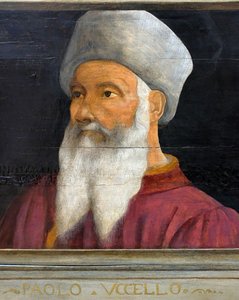
Paolo Uccello
1397 - 1475 , Itálie
Rychlé informace o umělci
- Artistic Movement Or Style: Raná renesance
- Artists Or Movements Influenced By This Artist: ['Albrecht Dürer']
- Artists Who Influenced This Artist:
- Lorenzo Ghiberti
- Donatello
- Date Of Birth: 1397
- Date Of Death: 1475
- Full Name: Paolo di Dono
- Nationality: Italanský
- Notable Artworks:
- Bitva u San Romana
- Narodení Panny Máry
- Sv. Jiří a drak
- Place Of Birth: Pratovecchio, Itálie
Související články

Paul Cézanne: 25 mistrovských děl a revoluce v moderním umění | OriginalUniqueArt.cz
Prozkoumejte 25 ikonických děl Paula Cézanna – průkopníka moderního umění a impresionismu. Obdivujte jeho still life, krajiny a portréty. Reprodukce obrazů v nejvyšší kvalitě na OriginalUniqueArt.com. Inspirace pro váš interiér!

John Constable: 25 mistrovských děl krajinářské poezie | OriginalUniqueArt.com
Prozkoumejte 25 ikonických děl Johna Constabla, mistra anglického krajinářství a romantismu. Obdivujte jeho olejomalby, plátna s venkovskou atmosférou a inspirujte se pro dekoraci interiéru. Reprodukce obrazů nejvyšší kvality na OriginalUniqueArt.com

Evocations of Place: A Historical Journey Through Landscape Art
Explore the rich history of landscape art with OriginalUniqueArt. Discover renowned artists, movements like Impressionism & Romanticism, and expert guidance for collecting timeless pieces. Find your perfect serene escape today!
Capturing Stillness: A Curated Exploration of the Most Iconic Lake Landscapes in Art History
Journey through art history's most serene lake landscapes. From Romantic vistas to light-drenched Impressionist waters, discover the stories behind these iconic masterpieces and find museum-quality, hand-painted oil reproductions for your private collection.

Romantická krajina v malbě: 10 mistrovských děl, které definovaly umělecký proud | OriginalUniqueArt
Prozkoumejte 10 ikonických děl romantické krajinářské malby! Objevte příběhy Caspara Davida Friedricha, Turnera a dalších mistrů. Reprodukce obrazů nejvyšší kvality pro váš interiér na OriginalUniqueArt.com.


