

 Náhled
 Sdílet
 Sdílet
 Podrobnosti o díle

 Stáhnout
 Podobné položky
 Rentgenové snímky
 Slideshow
The Violinist at the Window
 Oil
Oil- WallArt
- Impressionism
 1861
1861- 19th Century
 103.0 x 150.0 cm
 Städelovo muzeum
 Zobrazit více
Ručně malovaná olejová reprodukce
Ručně malovaná olejná barva na plátně ve vašem zvoleném rozměru i s rámem, vyrobená našimi umělci na zakázku. ( Koupit tisk Koupit obrázek)




P118B $10

P118H $10

P118W $10

P438Z $10

P508JH $12

P508YH $12

P805H $10

P805Z $10

P919BZ $10

P919G $10

P919XJ $10

P959ZH $10

P968JZ $12

W106C $8

W218G $10

W218JH $8

W218Y $10

W307PJ $10

W316G $10

W316PJ $8

W316Y $10

W398PJ $8

W4111J $10

W500HY $15

W500JH $15

W692G $12

W849H $8

W940BG $15

W953PJ $8




Vyberte si z našich přednastavených velikostí, které odpovídají původním proporcím díla.

Můžete zadat vlastní rozměry pro konkrétní rám nebo prostor. Pokud se vámi vybraná velikost neshoduje s proporcemi původního obrazu, dílo buď ořízneme, nebo jej doplníme ručně malovanými prvky. Před zahájením výroby vám bude zaslán digitální náhled ke schválení.
Upozorňujeme, že náhled na obrazovce neodpovídá skutečnému ořezu ani rozšíření. Pouze digitální náhled přesně zobrazí finální kompozici.
Ačkoliv je možné zvolit vlastní velikost, pro zachování původních proporcí doporučujeme vybrat rozměr z předdefinovaného seznamu.
Po přijetí objednávky vám tým OriginalUniqueArt.com zašle e-mail s pokyny a poskytne náhledovou verzi.
Celosvětová doprava () za 3–4 týdny namísto standardních 5 týdnů. (28 srpen). Bez kompromisů v kvalitě.

Zdarma celosvětová expresní doprava

Vysoce kvalitní lněné plátno

Kompletní přepravní pojištění

Záruka vrácení celního poplatku

Záruka přesného barevného shodu

60denní lhůta pro vrácení zboží (pouze při vadách výroby)

100% garance vrácení peněz

Sleva při hromadné objednávce
 Skleněná varianta je dostupná pouze u rozměrů menších než 110 cm

The Violinist at the Window
Technika reprodukce
Rozměry reprodukce
-


Celková cena za výběr
$ 300
A Melodic Solitude: The Soul of Scholderer’s Violinist
In the quietude of an afternoon bathed in soft, natural light, Otto Scholderer captures a moment that transcends mere portraiture to become a profound meditation on sound and silence. The Violinist at the Window is not simply a depiction of a musician at work; it is an invitation into a private sanctuary of creativity. As the man sits by the window, his gaze drifting toward the world outside while his fingers dance across the strings, Scholderer masterfully weaves a narrative of introspection. The composition, anchored by the presence of a simple chair and a solitary book, suggests a life enriched by both intellectual pursuit and musical passion. For the discerning collector, this piece offers more than visual beauty; it provides a window into the Romantic spirit, where the boundaries between the internal emotional landscape and the external world begin to blur.
The technique employed in this 1861 masterpiece reflects Scholderer’s rigorous training at the Städel Academy, yet it breathes with the burgeoning freedom of the Impressionist movement. Through a delicate application of light, the artist transforms a domestic interior into a stage of luminous textures. The way the sunlight filters through the windowpane creates a warm, golden atmosphere that softens the edges of the room, casting gentle shadows that lend depth and volume to the subject. This interplay of light and shadow—the chiaroscuro influence—serves to highlight the tactile reality of the violin and the quiet dignity of the man’s posture. The brushwork, while precise enough to capture the fine details of the instrument and the surrounding furniture, possesses a fluid grace that mirrors the melodic flow of the music being played.
Beyond its technical brilliance, the painting serves as a powerful symbol of the harmony between man and his environment. The window acts as a threshold, a liminal space where the musician’s melody meets the unseen world beyond the glass. There is a poignant sense of peace found in this composition, making it an ideal centerpiece for an interior designed for contemplation and elegance. Whether placed in a sun-drenched library or a sophisticated study, a high-quality reproduction of this work brings a sense of historical weight and emotional warmth to any space. It speaks to the timeless human desire for connection—to music, to nature, and to the quiet moments of beauty that define our existence.
Biografie umělce
The Painter of Light and Shadow: The Life of Otto Scholderer
In the heart of nineteenth-century Germany, a period defined by the shifting tides between Romanticism and the dawn of Impressionism, Otto Franz Scholderer emerged as a master of visual storytelling. Born in Frankfurt am Main on January 25, 1834, Scholderer’s artistic journey was one of profound evolution, marked by a relentless pursuit of capturing the true essence of his subjects. His early years were steeped in the rigorous academic traditions of the Städel Academy of Arts, where he studied under the watchful eyes of art historian Johann David Passavant and the painter Jakob Becker. This foundational training provided him with more than just technical proficiency; it instilled a deep respect for classical composition and a meticulous eye for detail that would remain a hallmark of his work throughout his long and distinguished career.
As Scholderer matured, his artistic horizons expanded far beyond the borders of Germany. His travels to Paris between 1857 and 1858 proved to be a transformative period, exposing him to the radical currents of European art. It was here that he encountered the raw, unvarnished power of Gustave Courbet’s Realism, a movement that encouraged artists to look at the world without the veil of idealized sentimentality. This encounter fundamentally altered his approach to landscape and portraiture, steering him toward a more honest rendering of light, texture, and atmosphere. During this same era, he forged lasting connections with luminaries such as Henri Fantin-Latour and Édouard Manet, whose subtle explorations of light and fleeting moments would leave an indelible imprint on his later, more Impressionistic tendencies.
A Legacy of Intimacy and Observation
Scholderer’s body of work is a testament to his ability to find the extraordinary within the ordinary. Whether he was painting a serene pastoral vista or an intimate domestic scene, there was always a sense of quiet contemplation and profound presence. His connection to the Kronberg painter colony, fostered through his friendship and eventual familial bond with Victor Müller, allowed him to exist within a vibrant community of artists dedicated to capturing the beauty of the Taunus region. This environment nurtured his ability to blend the precise rendering of the Düsseldorf tradition with the atmospheric sensitivity of the burgeoning Impressionist movement.
His repertoire was remarkably diverse, showcasing a mastery over various genres:
- Portraiture: Scholderer possessed a rare gift for capturing the psychological depth of his sitters, imbuing them with a sense of living breath and character.
- Still Life: In works such as "The Flower Arrangement" and "Lilac," he demonstrated an exquisite command over color and texture, turning simple botanical subjects into meditations on beauty and decay.
- Landscape: His landscapes often eschewed the dramatic for the subtle, focusing instead on the interplay of light across a field or the soft glow of an afternoon sun through a window.
- Genre Painting: Pieces like "The Violinist at the Window" exemplify his ability to weave narratives of solitude and creativity, inviting the viewer into a private, melodic sanctuary.
By the time of his passing in 1902, Otto Scholderer had established himself as a cornerstone of German painting. His significance lies not only in his technical brilliance but in his role as a bridge between eras. He carried the weight of classical tradition into the modern age, proving that even as styles shifted from the structured to the ephemeral, the fundamental human desire to capture truth through light and shadow remained eternal. Today, his works continue to resonate, offering a window into a vanished world of grace, precision, and quiet emotion.

otto scholderer
1834 - 1902
Rychlé fakta
- Artistic Movement Or Style: Impressionism
- Artists Or Movements Influenced By This Artist: ['Romanticism']
- Artists Who Influenced This Artist: ['Gustave Courbet']
- Date Of Birth: January 25, 1834
- Date Of Death: January 22, 1902
- Full Name: Otto Franz Scholderer
- Nationality: German
- Notable Artworks:
- The Violinist by the Window
- Ackerlandschaft mit Vogelscheuche
- Place Of Birth: Frankfurt am Main, Germany
Související články

Hravá umění: Top 10 děl plných radosti a lehkosti | OriginalUniqueArt.cz
Objevte 10 ikonických děl plných radosti a hravosti! Prozkoumejte příběhy za obrazy Monet, Van Gogha a dalších mistrů. Inspirace pro interiér s reprodukcemi obrazů nejvyšší kvality na OriginalUniqueArt.cz – umění pro váš domov.
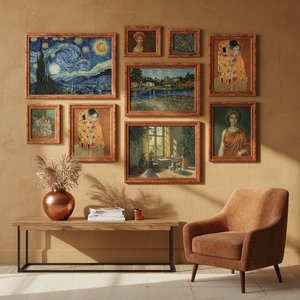
Měděné tóny v umění: Top 10 slavných obrazů a inspirace pro váš interiér
Objevte top 10 slavných obrazů v měděných tónech! Prozkoumejte příběhy Rembrandta, Moneta a dalších mistrů. Inspirace pro váš interiér s reprodukcemi nejvyšší kvality na OriginalUniqueArt.com.
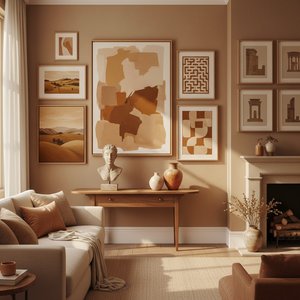
Top 10 slavných obrazů v odstínech titánové okry – inspirace pro váš interiér
Objevte 10 nejznámějších obrazů v odstínech titánové okry od Rembrandta po Vermeera. Ponořte se do příběhů mistrů a inspirujte se pro váš interiér s reprodukcemi umění na OriginalUniqueArt.com – luxusní dekorace a tisky.

Psychologie hravé imaginace: Zkoumání humorných a fantastických obrazů jako katalyzátorů emoční pohody a sociálního spojení
Prozkoumejte psychologii hravé imaginace a vliv umění na emoční pohodu. Odborný článek o surrealismu, grotesce a síle obrazů pro luxusní interiéry a osobní růst.
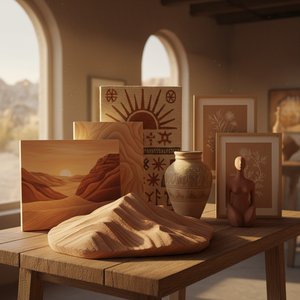
Top 10 slavných obrazů v pískových tónech: Umění a inspirace pro interiér
Objevte 10 slavných obrazů v pískových tónech od Van Gogha, Moneta a dalších mistrů. Inspirace pro interiér s teplými barvami a klasickým uměním. Reprodukce obrazů nejvyšší kvality na OriginalUniqueArt.com

