- Domů

- Tisk na plátno
- orazio grevenbroeck
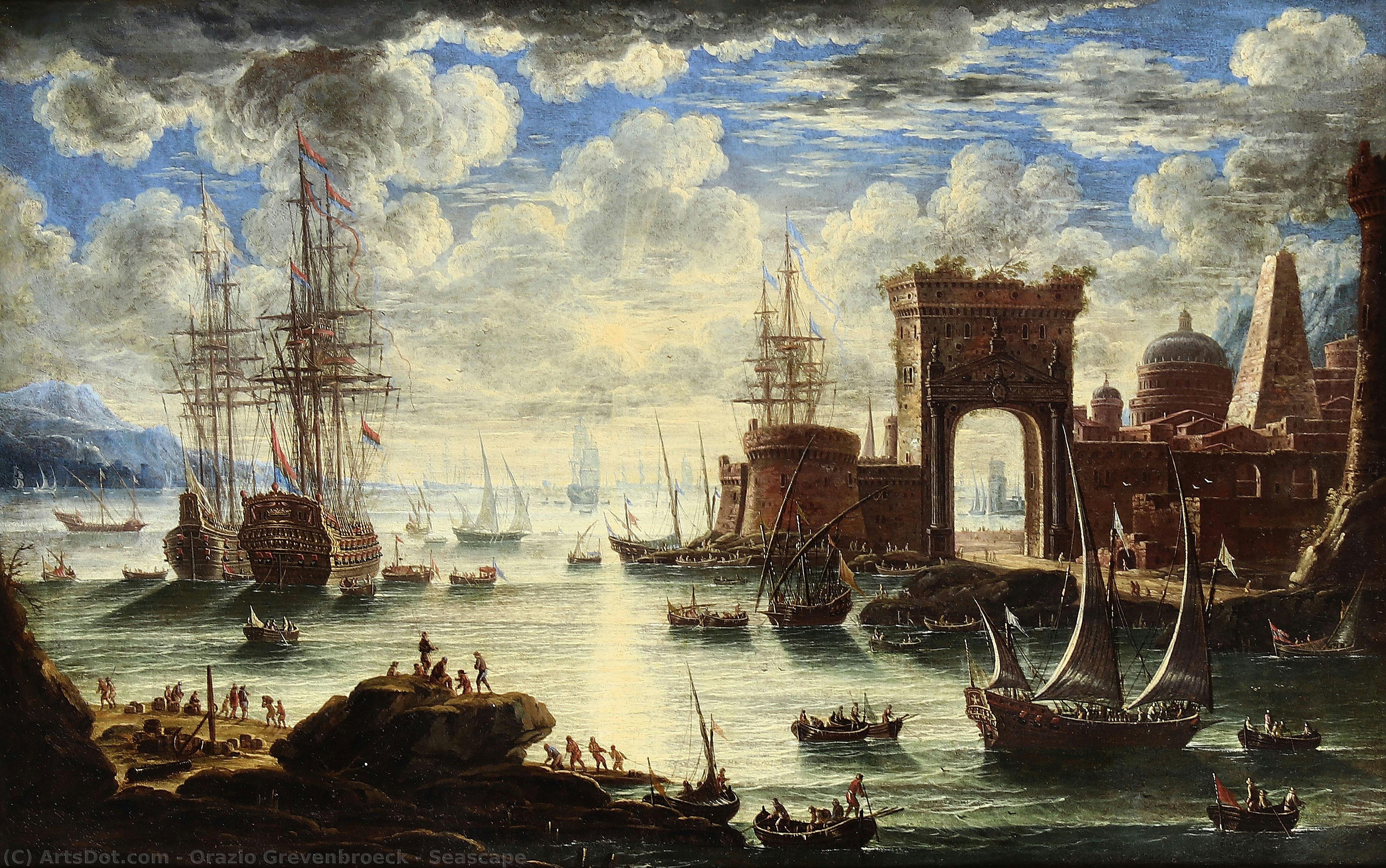
- Seascape
 Preview
 Objednat reprodukci Koupit digitální obrázek
 Sdílet
 Sdílet
 Podrobnosti o díle
 Přidat do oblíbených

 Stáhnout
 Podobné položky
 Rentgenové snímky
 Slideshow
Seascape

 Zobrazit více
Giclée / Umělecký tisk
Giclée nebo plátěný tisk muzeální kvality s rychlou výrobou a flexibilními možnostmi povrchové úpravy.




































Vyberte si z našich přednastavených velikostí, které odpovídají původním proporcím díla.

Můžete zadat vlastní rozměry tak, aby výtvor odpovídal konkrétnímu rámu nebo prostoru. Pokud zvolená velikost nebude odpovídat poměru stran původního obrazu, dílo buď ořížeme, nebo obraz rozšíříme pomocí zrcadlového efektu či jednobarevného okraje. Před zahájením výroby vám bude zaslán digitální náhled k schválení.
Mějte prosím na paměti, že náhled na obrazovce neodráží skutečné oříznutí nebo rozšíření. Pouze digitální náhled přesně zobrazí finální kompozici.
Ačkoliv jsou k dispozici i vlastní rozměry, pro zachování původních proporcí doporučujeme vybrat si rozměr z předdefinovaného seznamu.
Celosvětové doručení () do 2 týdnů namísto standardních 4/5 týdnů. (23 červenec)

Zdarma celosvětová expresní doprava

Vysoce kvalitní lněné plátno

Kompletní přepravní pojištění

Záruka vrácení celního poplatku

Záruka přesného barevného shodu

60denní lhůta pro vrácení zboží (pouze při vadách výroby)

100% garance vrácení peněz

Sleva při hromadné objednávce
 Skleněná varianta je dostupná pouze u rozměrů menších než 110 cm

Seascape
Giclée / Umělecký tisk
Rozměry reprodukce
-


Celková cena za výběr
-
Popis sběratelského kousku
Biografie umělce
The Tempestuous World of Orazio Grevenbroeck: A Master of Maritime Drama
Orazio Grevenbroeck, a name resonating within the annals of maritime art, stands as a compelling figure whose canvases capture not merely scenes of harbors and battleships, but the very soul of the sea itself. While biographical details surrounding his life remain somewhat elusive – a common trait for artists operating in the vibrant yet often undocumented workshops of their time – the power and emotional depth of his work speak volumes. Emerging from an artistic lineage steeped in Dutch Golden Age traditions, Grevenbroeck carved a niche for himself specializing in dramatic seascapes and naval engagements, becoming a sought-after chronicler of maritime life and conflict. His paintings are not simply representations; they are immersive experiences, transporting the viewer to the heart of crashing waves, billowing sails, and the intense human drama unfolding upon the water’s surface.Early Influences & Artistic Development
Grevenbroeck's artistic journey likely began within the bustling art centers of the Low Countries. The Dutch Golden Age (roughly the 17th century) was a period of unprecedented prosperity and cultural flourishing, particularly in painting. Artists like Simon de Vlieger and Jan Porcellis were pioneering realistic seascape depictions, focusing on accurate ship rendering and atmospheric effects. It is within this tradition that Grevenbroeck found his foundation. However, he wasn’t merely an imitator. While inheriting the meticulous detail of Dutch marine painters, he infused his work with a distinctly Italianate sensibility – a heightened sense of drama, bolder compositions, and a more romanticized approach to light and shadow. This fusion suggests possible training or exposure to Italian art, perhaps through engravings or direct travel. His early works demonstrate a commitment to precise naval architecture, showcasing detailed renderings of various ship types prevalent during the 17th and 18th centuries. Over time, his focus shifted towards capturing the emotional impact of maritime events, moving beyond technical accuracy to convey the raw power of nature and the vulnerability of human endeavor.Themes & Techniques: Painting the Fury of the Ocean
The core of Grevenbroeck’s oeuvre lies in his depictions of the sea – not as a placid backdrop, but as an active protagonist. His canvases are populated with turbulent storms, towering waves threatening to engulf vessels, and harbors teeming with activity. Naval battles form a significant portion of his work, often portraying historical engagements with meticulous detail, yet always emphasizing the chaos and human cost of conflict. He masterfully employed techniques to convey this sense of drama. His brushwork is dynamic and expressive, particularly in rendering water – utilizing layers of impasto to create texture and movement. Light plays a crucial role, often contrasting sharply between illuminated crests of waves and the dark shadows engulfing ships and distant shores. He was adept at creating atmospheric perspective, using subtle gradations of color to suggest depth and distance. Furthermore, Grevenbroeck’s compositions are carefully constructed to draw the viewer's eye towards focal points – a struggling ship battling a storm, or the clash of opposing fleets in the midst of battle. The inclusion of smaller figures on deck adds a human element, emphasizing the scale of the ocean and the precariousness of life at sea.Historical Significance & Legacy
Orazio Grevenbroeck’s work provides valuable insight into the maritime world of the 17th and 18th centuries. His paintings serve as historical records, documenting ship designs, naval tactics, and harbor landscapes with remarkable accuracy. However, his significance extends beyond mere documentation. He captured a specific moment in history – an era of intense naval power, global exploration, and burgeoning trade.- His dramatic style resonated with collectors seeking evocative depictions of maritime life.
- He bridged the gap between Dutch realism and Italianate romanticism, influencing subsequent generations of marine painters.
- Grevenbroeck’s paintings offer a powerful visual representation of humanity's relationship with the sea – a blend of awe, respect, and vulnerability.