
 Sdílet
 Sdílet
 Podrobnosti o díle

 Stáhnout
 Podobné položky
 Slideshow
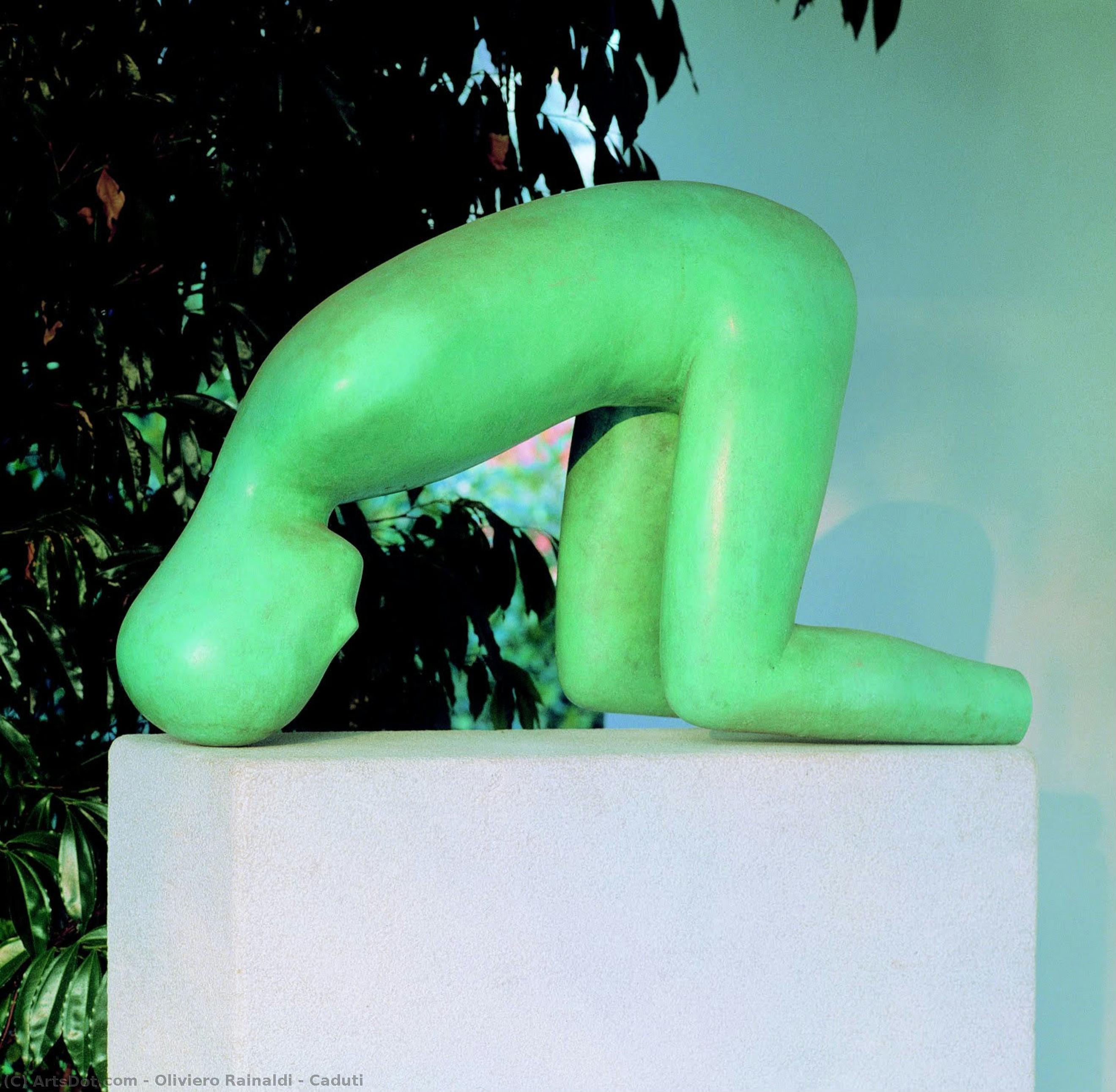
Caduti
 Resin
Resin- Sculpture
- Contemporary Sculpture
 Contemporary
 103.0 x 63.0 cm
 CAMUSAC Cassino Museum of Contemporary Art
 Zobrazit více
Ručně malovaná olejová reprodukce
Ručně malovaná olejná barva na plátně ve vašem zvoleném rozměru i s rámem, vyrobená našimi umělci na zakázku. ( Koupit tisk Koupit obrázek)




































Vyberte si z našich přednastavených velikostí, které odpovídají původním proporcím díla.

Můžete zadat vlastní rozměry pro konkrétní rám nebo prostor. Pokud se vámi vybraná velikost neshoduje s proporcemi původního obrazu, dílo buď ořízneme, nebo jej doplníme ručně malovanými prvky. Před zahájením výroby vám bude zaslán digitální náhled ke schválení.
Upozorňujeme, že náhled na obrazovce neodpovídá skutečnému ořezu ani rozšíření. Pouze digitální náhled přesně zobrazí finální kompozici.
Ačkoliv je možné zvolit vlastní velikost, pro zachování původních proporcí doporučujeme vybrat rozměr z předdefinovaného seznamu.
Po přijetí objednávky vám tým OriginalUniqueArt.com zašle e-mail s pokyny a poskytne náhledovou verzi.
Celosvětová doprava () za 3–4 týdny namísto standardních 5 týdnů. (18 srpen). Bez kompromisů v kvalitě.

Zdarma celosvětová expresní doprava

Vysoce kvalitní lněné plátno

Kompletní přepravní pojištění

Záruka vrácení celního poplatku

Záruka přesného barevného shodu

60denní lhůta pro vrácení zboží (pouze při vadách výroby)

100% garance vrácení peněz

Sleva při hromadné objednávce
 Skleněná varianta je dostupná pouze u rozměrů menších než 110 cm

Caduti
Technika reprodukce
Rozměry reprodukce
-


Celková cena za výběr
$ 300
Popis díla
A Symphony of Form and Stillness
In the quiet intersection of physical grace and spiritual contemplation lies Oliviero Rainaldi’s Caduti. This striking sculpture, rendered in a vibrant, verdant hue, captures a human figure frozen in a moment of profound equilibrium. The subject is posed in what is often referred to as the ‘avant-drapeau’ or flag position, a gesture reminiscent of yoga that speaks to the delicate balance between tension and release. As the eye moves across the smooth, flowing lines of the work, one is struck by the seamless integration of the organic human form with an abstract, modern sensibility. The sculpture does not merely represent a body; it embodies a state of being, inviting the viewer into a shared experience of stillness and centeredness.
The technique employed in Caduti showcases a mastery of surface and light. The material—likely a sophisticated resin or fiberglass—possesses a polished, slightly reflective sheen that allows natural light to dance across its undulating contours. This luminosity creates soft shadows that define the musculature and the rhythmic curves of the pose, lending a three-dimensional depth that feels both substantial and ethereal. Set upon a stark, rectangular concrete pedestal, the sculpture finds its strength in contrast: the rugged, industrial texture of the base serves as the perfect foil to the fluid, polished elegance of the green figure. This juxtaposition emphasizes the work's modern origins, where the raw elements of earth and man-made precision meet.
The Intersection of Theology and Motion
To understand the soul of Caduti, one must look toward the unique lineage of its creator, Oliviero Rainaldi. Trained in both the fine arts at the Academy of Venice and theology at the Pontifical Athenaeum of St. Anselm in Rome, Rainaldi possesses a rare ability to translate metaphysical concepts into tangible forms. His work often navigates the space between the physical human presence and the unseen spiritual realm. In this piece, the symbolism of yoga and mindfulness serves as a bridge; the pose is not merely an athletic feat but a metaphor for the search for inner peace and the alignment of the self with the universe. The choice of green—a color synonymous with growth, renewal, and nature—further reinforces this theme of life in harmony.
For the discerning collector or interior designer, Caduti offers more than mere decoration; it provides an emotional anchor for a space. Whether placed within a sun-drenched garden sanctuary or as a focal point in a contemporary minimalist interior, the sculpture radiates a sense of tranquility and contemplative grace. It is a piece that demands a slower pace of observation, rewarding those who linger with a profound sense of serenity. As a high-quality reproduction, it brings the sophisticated aesthetic of Italian modernism into the home, offering an enduring invitation to reflect, breathe, and find balance amidst the complexities of modern life.
Biografie umělce
The Sculptor of Serenity and Faith
In the quiet intersection where physical grace meets spiritual contemplation, the work of Oliviero Rainaldi resides. Born in 1956 in the evocative landscape of Caramanico Terme, Italy, Rainaldi has cultivated an artistic language that transcends the mere representation of form, seeking instead to capture the very essence of the human soul. His journey is one of profound duality, a seamless weaving of the aesthetic and the theological. This unique intellectual foundation was forged during his formative years at the Academy of Fine Arts in Venice between 1975 and 1978, where he studied under the legendary Emilio Vedova. From Vedova, Rainaldi inherited a sensitivity to expressive abstraction and a willingness to challenge the conventional boundaries of visual language, learning to manipulate space and movement with a modern, rhythmic sensibility.
However, to understand Rainaldi is to look beyond the studio and into the sanctuary. Following his academic training in Venice, he pursued theological studies for laics at the Pontifical Athenaeum of St. Anselm in Rome from 1978 to 1980. This period of deep immersion in Christian literature, the Bible, and the complexities of liturgy fundamentally altered his creative trajectory. His art became a spiritual pathway, a way to reinterpret traditional religious iconography through a contemporary lens. For years, he labored on series of sculptures inspired by the Book of Genesis, exploring themes of original sin, the flood, and the profound tension between the fallen and the redeemed. This marriage of fine arts and theology allows his work to function as a visual liturgy, where every curve and texture serves as a meditation on the unseen spiritual realm.
Form, Material, and the Language of Stillness
Rainaldi’s sculptural practice is characterized by an unwavering dedication to capturing the delicate balance between tension and release. He often draws inspiration from the principles of yoga, utilizing poses that evoke a sense of profound equilibrium and centeredness. In works such as Caduti, one observes a human figure frozen in a moment of exquisite stillness, much like the avant-drapeau or flag position. His mastery over materials—ranging from the luminous translucency of alabaster to the enduring strength of bronze—allows him to create surfaces that interact dynamically with light. He possesses a rare ability to manipulate these mediums to achieve a polished, almost ethereal sheen, creating soft shadows that define musculature and rhythmic contours.
The technical execution of his pieces often relies on a striking juxtaposition of textures. It is not uncommon to see his fluid, organic forms set upon rugged, industrial bases like concrete, a contrast that emphasizes the modern origins of his vision. Whether working with sophisticated resins that possess a vibrant, verdant hue or traditional metals, Rainaldi’s goal remains constant: to create objects that invite introspection. His sculptures do not merely occupy space; they embody a state of being, inviting the viewer into a shared experience of peace and quietude.
Legacy and Public Resonance
The significance of Oliviero Rainaldi’s contribution to contemporary art is perhaps most visibly realized in his monumental public works. A landmark achievement that stands as a testament to his ability to translate complex, collective emotions into tangible stone and metal is his commemorative sculpture for John Paul II at Termini Station in Rome. This ambitious project demonstrates his capacity to engage with the public sphere, creating art that fosters dialogue, remembrance, and communal identity. Such works elevate his practice from private meditation to a powerful instrument of social and historical memory.
Throughout his career, Rainaldi has continued to push the boundaries of how religious and philosophical themes can be expressed in a modern context. His recent exhibitions, such as ‘Oliviero Rainaldi. 2023 AD’ at the Crypt of San Sepulcro, have solidified his reputation as an artist who can navigate the weight of tradition without being anchored by it. His legacy is found in the quiet moments of awe experienced by those who encounter his work—a legacy defined by:
- The Synthesis of Disciplines: The rare integration of fine arts training with deep theological inquiry.
- Mastery of Light and Form: The use of polished surfaces and organic lines to evoke spiritual luminosity.
- Universal Themes: An exploration of human emotion, movement, and the search for balance that resonates across cultural boundaries.
- Public Impact: The creation of monumental art that serves as a focal point for historical and religious commemoration.

Oliviero Rainaldi
1956 - , Italy
Rychlé fakta
- Artistic Movement Or Style: Modern sculpture
- Artists Who Influenced This Artist: ['Emilio Vedova']
- Date Of Birth: 1956
- Full Name: oliviero rainaldi
- Nationality: Italian
- Notable Artworks: ['Caduti']
- Place Of Birth: Caramanico Terme, Italy
Související články

10 legendárních bronzových soch, které změnily umění | OriginalUniqueArt
Objevte 10 legendárních bronzových soch od Michelangela, Rodina a dalších mistrů! Ponořte se do historie umění, technik a příběhů za těmito nadčasovými díly. Najděte inspiraci pro váš interiér s OriginalUniqueArt.com – repliky nejvyšší kvality.
Verdant Visions: Exploring the Symbolism & Aesthetic Impact of Green in Art History
Explore the rich history & symbolism of green in art! Discover iconic paintings, techniques, and how to bring verdant harmony into your home with OriginalUniqueArt's expert guide.

10 legendárních bronzových mistrovských děl, která změnila umění | OriginalUniqueArt
Objevte 10 legendárních bronzových mistrovských děl od Rodina, Donatella a dalších. Ponořte se do historie umění a nechte se inspirovat nadčasovými sochařskými replikami pro váš interiér. Prozkoumejte celou kolekci online na OriginalUniqueArt.com!

The Enduring Form: Exploring Themes & Techniques in Sculpture Across Historical Periods
Explore the rich history of sculpture from ancient masterpieces to contemporary innovations. Discover key techniques, influential artists & investment potential for discerning art collectors.
The Enduring Form: Sculpture Across History, Technique & Emotional Resonance
Explore the rich history of sculpture with OriginalUniqueArt. Discover key techniques, influential artists & investment potential for discerning collectors. Expert insights into valuing and collecting timeless masterpieces.

