
 Náhled
 Sdílet
 Sdílet
 Podrobnosti o díle

 Stáhnout
 Podobné položky
 Rentgenové snímky
 Slideshow
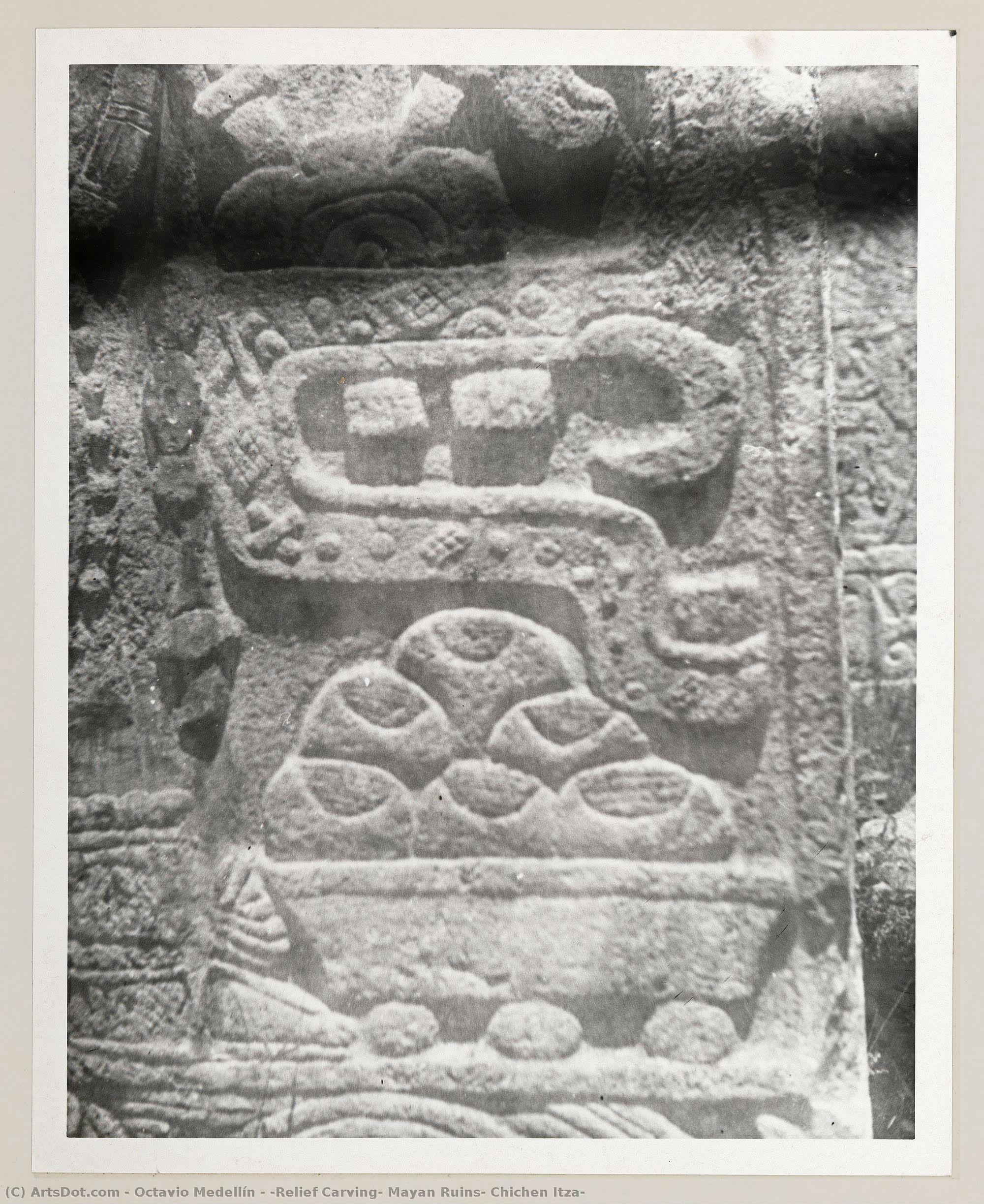
Reliefní rytiny, Mayanské ruiny, Čichén Itzá
 Akryl na plátně
- Obrazová tvorba na stěnu
- Ancient Mayan Art
 1938
1938 25.0 x 21.0 cm
 Southern Methodist University Libraries Digital Collections
 Zobrazit více
Giclée / Umělecký tisk
Giclée nebo plátěný tisk muzeální kvality s rychlou výrobou a flexibilními možnostmi povrchové úpravy. ( Koupit ručně malovaný obraz Koupit obrázek)




P118B $10

P118H $10

P118W $10

P438Z $10

P508JH $12

P508YH $12

P805H $10

P805Z $10

P919BZ $10

P919G $10

P919XJ $10

P959ZH $10

P968JZ $12

W106C $8

W218G $10

W218JH $8

W218Y $10

W307PJ $10

W316G $10

W316PJ $8

W316Y $10

W398PJ $8

W4111J $10

W500HY $15

W500JH $15

W692G $12

W849H $8

W940BG $15

W953PJ $8




Vyberte si z našich přednastavených velikostí, které odpovídají původním proporcím díla.

Můžete zadat vlastní rozměry tak, aby výtvor odpovídal konkrétnímu rámu nebo prostoru. Pokud zvolená velikost nebude odpovídat poměru stran původního obrazu, dílo buď ořížeme, nebo obraz rozšíříme pomocí zrcadlového efektu či jednobarevného okraje. Před zahájením výroby vám bude zaslán digitální náhled k schválení.
Mějte prosím na paměti, že náhled na obrazovce neodráží skutečné oříznutí nebo rozšíření. Pouze digitální náhled přesně zobrazí finální kompozici.
Ačkoliv jsou k dispozici i vlastní rozměry, pro zachování původních proporcí doporučujeme vybrat si rozměr z předdefinovaného seznamu.
Celosvětové doručení () do 2 týdnů namísto standardních 4/5 týdnů. (18 srpen)

Zdarma celosvětová expresní doprava

Vysoce kvalitní lněné plátno

Kompletní přepravní pojištění

Záruka vrácení celního poplatku

Záruka přesného barevného shodu

60denní lhůta pro vrácení zboží (pouze při vadách výroby)

100% garance vrácení peněz

Sleva při hromadné objednávce
 Skleněná varianta je dostupná pouze u rozměrů menších než 110 cm

Reliefní rytiny, Mayanské ruiny, Čichén Itzá
Giclée / Umělecký tisk
Rozměry reprodukce
-


Celková cena za výběr
$ 80
Popis sběratelského kousku
Výstava Octavio Medellína: Maya Toltec Temples and Carvings – Záznam Časové Éry
Výstavu obrazu „Maya Toltec Temples and Carvings“ vytvořil mexický malíř Octavio Medellín v roce 1938. Tento dílo představuje fascinující pohled na umění starých Mayů a Tolteků, zachycený fotografickým záznamem z archeologických výzkumů ruin Chichen Itzá. Medellínův obraz není jen estetickou ozdobou; je to důkaz bohatství kulturního dědictví a pečlivě promyšlený estetický zážitek pro každého milovníka umění.- Hlavní Motiv: Výstavu dominují detailní fotografie reliéfů vyřezávaných do rozsáhlého kamenného bloků nalezeného na místě Chichen Itzá. Tyto reliéfy zobrazují složité geometrické vzory – kruhy, čtverce a stylizované reprezentace zvířat (pravděpodobně hadi nebo jaguary) – které jsou uspořádány symetrickým způsobem.
- Styl: Umělecký styl díla odráží estetiku starobylého mexického umění, charakterizovanou bohatými symboly a věroučností. Medellínův obraz vyjadřuje základní hodnoty kultury té doby – respekt k historii a oslavu krásy přírody.
- Technika: Výraznou technickou stránkou díla je reliéfní rytíčko, které dokazuje vysokou úroveň odbornosti při manipulaci kamenem. Medellínův přístup byl inovativní pro svou dobu – kombinoval tradiční metody s novými poznatky získanými během cestování po Evropě.
- Rozměry: Výstavní dílo měří 25 x 21 cm.
- Materiál: Použitý materiál je kvalitní kalkolit – odolný vůči povětrávání a časovým podmínkám. Tento materiál byl vybrán s ohledem na jeho estetické vlastnosti – hladký povrch a jemná kresba.
Biografie umělce
A Life Forged in Revolution: The Journey of Octavio Medellín
Octavio Medellín’s story is a deeply moving one, inextricably linked to the turbulent currents of 20th-century history and fueled by an unwavering dedication to artistic expression. Born in 1907 in Matehuala, a small town near San Luis Potosí in Mexico, his early life was profoundly shaped by the Mexican Revolution – a period of intense violence and upheaval that irrevocably altered the course of his family’s destiny. The revolution's chaos prompted his parents to relocate their family to San Antonio, Texas, in 1920, seeking refuge from a homeland consumed by conflict. This displacement wasn’t merely a geographical shift; it became a foundational element of Medellín’s artistic identity – a constant negotiation between two cultures, a yearning for roots, and an exploration of universal human experiences. Even as a young boy, before fully embracing his artistic path, he demonstrated remarkable resilience and resourcefulness, taking on various odd jobs to support his widowed mother after the tragic loss of his father during the revolution’s final days. This early exposure to hardship instilled in him a deep empathy and a commitment to representing the lives of ordinary people through his art – a sensitivity that would permeate much of his later work.From Mayan Echoes to Abstract Forms: An Artistic Evolution
Medellín's formal artistic education began at the San Antonio School of Art, a local institution dedicated to fostering emerging talent. Following this initial grounding, he pursued further studies at the prestigious Chicago Art Institute and the Guggenheim Museum, immersing himself in the diverse styles and techniques of the early 20th century. However, it was a transformative journey back to Mexico in 1929 that truly ignited his creative spirit. He embarked on a deliberate pilgrimage to the heart of his heritage, spending two years exploring the country’s rich artistic traditions – absorbing the intricate carvings, vibrant colors, and profound symbolism of native art and craft. The ancient Mayan and Toltec ruins became an enduring source of fascination, their majestic temples, elaborate tombs, and enigmatic glyphs deeply influencing his early work. He was particularly drawn to the monumental architecture of Chichen Itza, capturing its grandeur in evocative photographs like “Friend & Helper to Consuelo, When We Lived in Piste, Yucatan,” a black-and-white image that powerfully conveys the temple’s imposing presence. This influence wasn't simply about replicating ancient forms; it was about understanding their spiritual significance and translating them into his own artistic language. Medellín sought to capture not just the physical appearance of these ruins but also the sense of mystery, reverence, and connection to a distant past they evoked. Throughout this period, he encountered and formed lifelong friendships with prominent Mexican artists such as Carlos Mérida, whose abstract explorations profoundly impacted Medellín’s evolving style. Mérida's emphasis on elemental forms and his willingness to experiment with color and texture served as a crucial catalyst for Medellín’s own artistic development. He meticulously studied the techniques of indigenous artisans, learning how to work with wood, stone, terracotta, and other materials – skills that would become central to his practice. As he moved away from purely representational art, Medellín began to experiment with abstraction, seeking to distill the essence of his cultural heritage into simplified shapes and powerful textures. This shift wasn’t a rejection of his roots but rather an evolution—a desire to express universal truths through a more direct and evocative language.The Texas Years: A Fusion of Cultures
Returning to San Antonio in 1931, Medellín established himself as a respected figure in the local art scene. He taught at the Witte Museum of Art for three years, sharing his knowledge and passion with generations of aspiring artists. He also played a key role in establishing La Villita Art Gallery, a vibrant space that showcased the work of numerous Texas artists – including himself. This period marked a crucial synthesis of his Mexican heritage and American experience. Medellín’s sculptures began to reflect this fusion, incorporating elements of both cultures into a distinctive style characterized by bold forms, earthy colors, and a sense of quiet dignity. He found inspiration in the landscapes of Texas, as well as in the traditions of Native American art – particularly the intricate beadwork and pottery of the region's indigenous tribes. Medellín’s career flourished throughout the mid-20th century, earning him recognition both in Texas and beyond. His work was exhibited at prestigious venues such as New York’s 1939 World’s Fair and the Museum of Modern Art (MoMA) in New York City. He continued to teach and create art until his death in Bandera, Texas, in 1999, leaving behind a rich legacy of sculptures, prints, and public artworks.A Legacy of Teaching and Community
Beyond his accomplishments as a sculptor, Octavio Medellín was an exceptionally dedicated educator. For over three decades, he nurtured the artistic talents of countless students at institutions including the Dallas Museum of Fine Arts (now the DMA), North Texas State College (UNT), and most notably, through the founding of the Creative Arts Center of Dallas in 1966. He didn’t simply impart technical skills; he instilled a philosophy – a belief in the power of art to connect people, to heal wounds, and to celebrate the human spirit. The Creative Arts Center became a vibrant hub for artists from all backgrounds, fostering collaboration and experimentation. Medellín's influence extended far beyond the classroom, shaping the Texas art scene and inspiring generations of artists to pursue their creative passions with dedication and integrity.Recognition and Enduring Significance
Octavio Medellín’s contributions have been increasingly recognized in recent years. The 2022 retrospective, “Octavio Medellín: Spirit and Form” at the Dallas Museum of Art, was a landmark event – the first major museum exhibition dedicated to his work. This comprehensive survey showcased over 80 pieces from across his career, highlighting the breadth and depth of his artistic vision. The city of Dallas officially proclaimed January 26th as Octavio Medellín Day in 2022, a fitting tribute to his lasting impact on the community. His sculptures and prints are now housed in prominent collections throughout Texas and beyond, ensuring that his art will continue to be appreciated for generations to come. Medellín’s legacy extends far beyond the realm of art; he was a true embodiment of cultural fusion – a testament to the power of creativity, resilience, and the enduring human spirit.
Octavio Medellín
1907 - 1999 , Mexiko
Rychlé fakta
- Artistic Movement Or Style: Mexikánská abstrakce
- Artists Or Movements Influenced By This Artist: ['Mexikánské tradiční umění']
- Artists Who Influenced This Artist: ['José Arpa']
- Date Of Birth: 1907
- Date Of Death: 1999
- Full Name: Octavio Medellín
- Nationality: Mexikánec
- Notable Artworks: ['Přátelství a pomoc Konsuelo při cestě Yucatánem']
- Place Of Birth: Matehuala, Mexiko
Související články
Mastering Dimension: An Art Historian's Guide to the Elegance of Sculptural Relief Art
Explore the profound beauty of sculptural relief art. From classical bas-relief to modern geometric textures, discover how depth and light transform spaces through an expert guide on art history and sophisticated curation for discerning collectors.

Sculpting with Soul: The Ultimate Guide to Mastering Bas-Relief and Plaster Artistry
Master the intricate art of plaster bas-relief with our expert guide for art students. Learn professional techniques in material selection, texture carving, and pigment integration to create soulful, dimensionally rich sculptural masterpieces.
Sculpting with Soul: An Expert Guide to the Tactile Elegance of Plaster Relief Art
Discover the captivating world of plaster relief art. Our expert guide explores the history, techniques, and curation of textured bas-relief, helping collectors bring depth, light, and soulful dimension to their modern interiors through sophisticated sculptural masterpieces.
Beyond the Canvas: Why Plaster Relief is the Ultimate 3D Edge for Modern Interior Design
Discover why plaster relief is the ultimate 3D trend for modern interiors. Explore how tactile textures, light-catching shadows, and sculptural depth redefine contemporary art beyond the flat canvas. Elevate your space with high-impact, dimensionally rich masterpieces.
Mastering the Woodcut: A Definitive Guide to the Art of Relief Printing and its Historical Legacy
Explore the profound history and technical mastery of woodcut relief printing. From ancient origins to German Expressionism, discover how artists use the subtractive process to create iconic works. A definitive guide for art students, collectors, and historians.

![[Vyřezávaná kamenitá figurína, Uxmalův kvadrát]](/media/artworks/images/thumbnails/16/2d/162dddd42ffc4e5b9f21fc5ab58f135c.jpg)


![[Vyřezávaná můžeňská kamenná figurína, můžeňské ruiny Čicen Itzá]](/media/artworks/images/thumbnails/72/c2/72c225758dd44a8d82ead706ad5a3666.jpg)

