
 Náhled
 Sdílet
 Sdílet
 Podrobnosti o díle

 Stáhnout
 Podobné položky
 Rentgenové snímky
 Slideshow
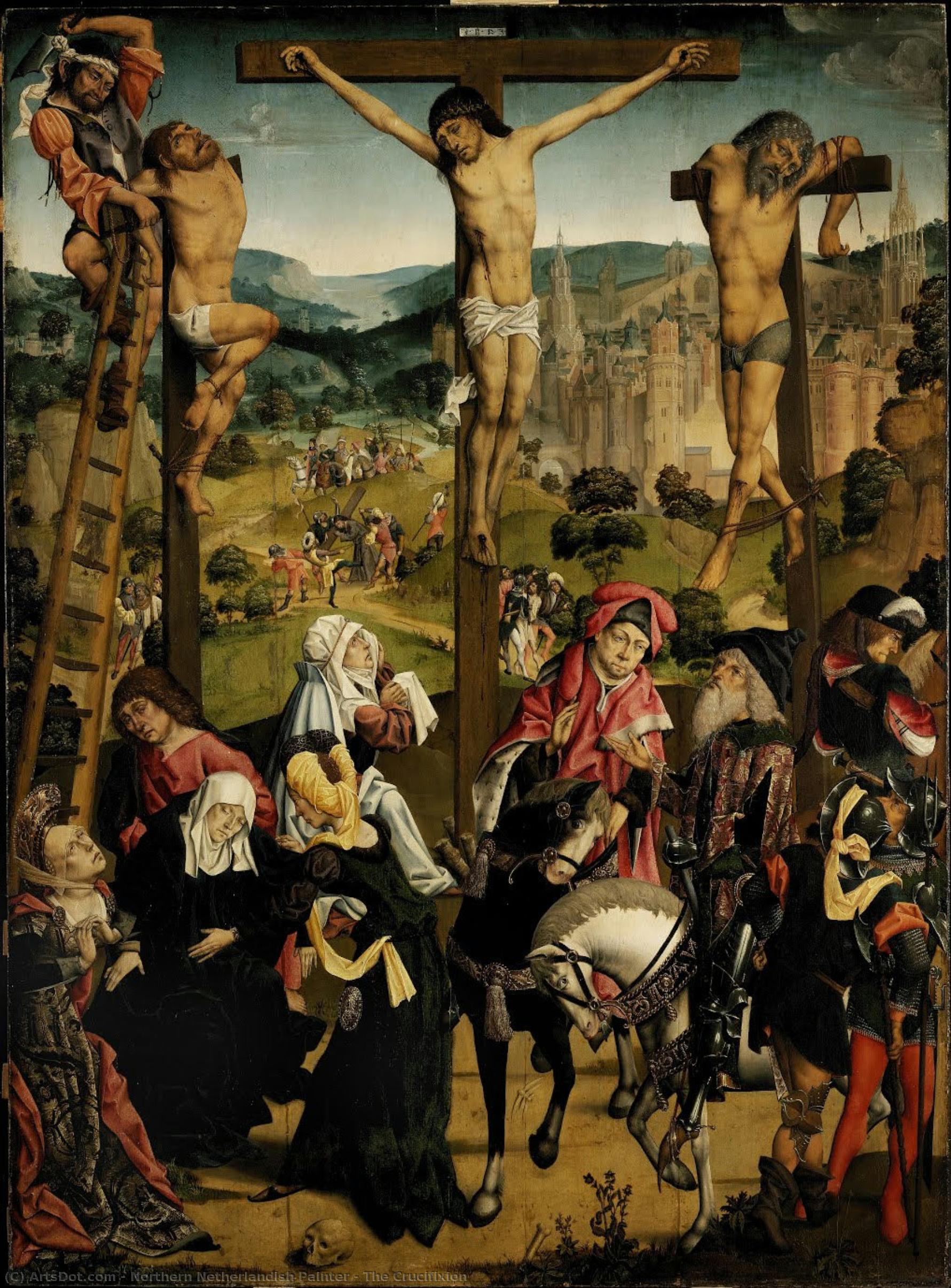
The Crucifixion
 Oil
Oil- WallArt
- Northern Renaissance
 1480
1480- Renaissance
 147.0 x 109.0 cm
 Szépművészeti Múzeum
 Zobrazit více
Koupě vysoce rozlišeného, vylepšeného digitálního obrazu, který je mnohem kvalitnější než online náhled.
Každý soubor je pečlivě připraven našimi odborníky pomocí pokročilých nástrojů a expertní manuální retuše. Zajišťujeme, aby každý obraz disponoval výjimečnou ostrostí, přesnou barevnou věrností a jemnými detaily.
Finální soubor vám bude do 72 hodin zaslán e-mailem, optimalizovaný pro okamžité použití v profesionálním, redakčním i tiskovém prostředí. Nabízíme stejnou kvalitu, které důvěřují špičková designová studia, nakladatelství i galerie.
Digitální obrazy
Stáhněte si soubor ve vysokém rozlišení pro osobní prohlížení, tisk a kreativní projekty. ( Koupit tisk Koupit ručně malovaný obraz)
Součást každé objednávky digitálního obrazu
Profesionální digitální doručení, zaručeno.
Když si vyberete OriginalUniqueArt.com, nezískáváte pouze obrázek – získáváte digitální umělecké dílo s profesionálně vylepšenými detaily, zpracované s precizností a podpořené zárukou za spokojenost. Zde je vše, co vaše objednávka automaticky obsahuje:

Rychlé doručení e-mailem
Váš digitální obraz ve vysokém rozlišení vám bude zaslán e-mailem do 72 hodin od objednávky – připraven k okamžitému použití.

Digitální soubor s využitím AI
Vaše umělecké dílo je profesionálně optimalizováno pomocí pokročilých nástrojů umělé inteligence a manuální úpravy, což zajišťuje maximální úroveň detailu, ostrosti a přesnosti barev.

Bezplatné doživotní znovuodeslání
Soubor jste omylem smazali nebo ztratili? Žádný problém – kdykoliv vám ho znovu zašleme zcela zdarma.

Bez poplatků za dovoz – navždy
Užijte si své umělecké dílo okamžitě bez celních poplatků, daní nebo nákladů na dopravu – digitální stažení je vždy bez daňových povinností.

Záruka přesnosti barev
Pomocí profesionálních nástrojů a správy barev zajišťujeme, aby váš digitální obraz odrážel původní barvy co nejvěrněji.

60denní záruka spokojenosti
Pokud nebudete s digitální fotografií spokojeni, provedeme její revizi nebo vám vrátíme 100% během 60 dnů – bez jakýchkoliv dotazů.

100% záruka vrácení peněz
Nespokojeni? Získejte plnou částku zpět do 60 dní od přijetí vašeho digitálního souboru – bez jakýchkoliv dotazů.

Slevy při hromadných objednávkách
Koupěte si 3 obrazy, ušetřete 10% - Koupěte si 5, ušetřete 15% - Koupěte si 10+, ušetřete 20%. Ideální pro kreativní projekty, galerie a agentury.
Popis sběratelského kusu
A Divine Tragedy in Oil: The Crucifixion
In the profound stillness of the late 15th century, a period defined by the meticulous observation of both the divine and the earthly, emerged a masterpiece of spiritual intensity. The Crucifixion, attributed to a master of the Northern Netherlandish tradition, serves as more than just a religious icon; it is a visceral window into the soul of the Renaissance. The painting captures the harrowing moment of Christ’s sacrifice, where the heavens and earth collide in a symphony of sorrow. As the viewer's eye meets the central figure of Jesus, outstretched on the cross, one is immediately struck by the raw, unshielded vulnerability of the scene. This is not merely a depiction of an event, but an invitation to witness the weight of human sin and the profound grace of redemption through the lens of Northern European realism.
The composition is a marvel of intricate detail, characteristic of the Netherlandish style which sought to find the infinite within the infinitesimal. Surrounding the central tragedy is a tapestry of human emotion and worldly presence. Figures clad in garments that evoke a sense of timelessness populate the periphery, their faces etched with varying degrees of grief, indifference, or pious devotion. The inclusion of a horse, rendered with anatomical precision, adds a layer of grounded reality to the celestial drama, perhaps symbolizing the transient nature of earthly power in the face of eternal sacrifice. Every brushstroke contributes to a dense, layered narrative where the background landscape and the foreground figures exist in a delicate, tension-filled balance.
Mastery of Light and Devotional Depth
Technically, the work exemplifies the breathtaking skill of the Northern masters, who utilized oil pigments to achieve a luminous depth that few other mediums can replicate. The play of light across the skin of Christ and the heavy folds of the onlookers' drapery creates a sculptural quality, pulling the figures forward into the viewer's space. This technique does not merely serve aesthetic beauty; it serves a theological purpose, illuminating the sacred amidst the mundane. For the collector or the interior designer, this piece offers an unparalleled sense of gravitas. It is a work that demands attention, acting as a profound focal point in any curated space, whether it be a grand gallery or a contemplative private study.
To possess a high-quality reproduction of such a significant work is to bring a piece of history into the modern home. The emotional impact of The Crucifixion lies in its ability to transcend time, speaking to the universal themes of suffering and hope. It provides an atmosphere of quiet reflection and intellectual depth, making it an ideal selection for those who appreciate art that challenges the spirit and enriches the environment. As a centerpiece, it does not merely decorate a wall; it anchors a room with its historical weight and its enduring, haunting beauty.
Biografie umělce
The Enigmatic Vision of Pieter Bruegel the Elder
Pieter Bruegel the Elder, a name synonymous with the late Northern Renaissance, remains one of the most profoundly enigmatic and enduring figures in Western art history. Born around 1525 in what is now Belgium – though his precise birthplace has long been debated – Bruegel’s life was shrouded in relative obscurity until the mid-19th century, when art historians began to piece together a narrative from fragmented sources and the artist's own prolific output. He died in Brussels in 1569, leaving behind a legacy of over 80 paintings that offer a remarkably complex and layered reflection on human existence, social dynamics, and the capricious nature of fortune. Far from being merely a “peasant” painter as popular legend suggests, Bruegel was a sophisticated artist deeply influenced by both the traditions of his region and the burgeoning artistic currents sweeping across Europe. Bruegel’s early life remains largely undocumented. He likely received some formal training, possibly in Antwerp or Leuven, though evidence is scarce. His career truly took off during his time as a master in the Antwerp painters' guild around 1550, where he established a workshop and began producing works for wealthy patrons – including the influential miniaturist Giulio Clovio, who commissioned several landscapes from him during a visit to Rome. This period saw Bruegel’s artistic style evolving rapidly, absorbing elements of Italian Renaissance perspective and composition while retaining a distinctly Northern sensibility. His early Italian work is characterized by a meticulous attention to detail and a fascination with the grandeur of the landscape, reflecting his exposure to the idealized beauty of classical ruins and the dramatic vistas of the Alps.- Key Early Works: “Landscape with the Fall of Icarus,” “The Triumph of Death,” “A Peasant Wedding.”
- Technique: Masterful use of oil paint, creating rich textures and atmospheric effects.
The Crucible of Observation: Bruegel’s Subject Matter
What distinguishes Bruegel from his contemporaries is not simply his technical skill but the profound depth of his subject matter. He eschewed the traditional religious iconography favored by many Northern artists, instead focusing on scenes drawn directly from everyday life – peasant festivals, hunting parties, market days, and even moments of stark tragedy. These seemingly simple depictions are, however, imbued with a complex symbolism and a keen awareness of human folly. Bruegel’s paintings are not merely records of events; they are moral allegories, social commentaries, and meditations on the precariousness of life. His work is replete with subtle visual cues – animals behaving in unexpected ways, figures engaged in seemingly pointless activities, and landscapes that shift between idyllic beauty and desolate ruin. He frequently employed a technique known as *distemper*, applying pigments directly to the panel surface, creating a textured, almost sculptural effect that enhanced the sense of realism and immediacy. Bruegel’s ability to capture the fleeting moments of human experience – joy, sorrow, greed, and compassion – is unparalleled in Northern art.- Recurring Motifs: Harvest festivals, hunting scenes, drunken revelry, depictions of death and misfortune.
- Symbolism: Animals often represent moral qualities (e.g., a fox symbolizing cunning).
The Influence of Bosch and the Rise of the Grotesque
Bruegel’s artistic vision was profoundly shaped by the work of Hieronymus Bosch, another master of Northern art who predated him. While Bruegel never directly imitated Bosch's fantastical imagery, he clearly absorbed his fascination with human folly, moral corruption, and the darker aspects of the human psyche. Both artists employed a distinctive style characterized by exaggerated figures, bizarre juxtapositions, and a pervasive sense of unease. However, Bruegel’s approach was more grounded in observation, drawing inspiration from the realities of peasant life rather than constructing elaborate allegorical narratives. Furthermore, Bruegel's work reflects the broader cultural shifts taking place during his lifetime – the rise of Protestantism, the decline of feudalism, and the growing awareness of social inequality. His paintings offer a critical perspective on these developments, exposing the hypocrisy and corruption that lay beneath the surface of contemporary society. The inclusion of scenes of violence, poverty, and misfortune demonstrates a willingness to confront uncomfortable truths, setting him apart from many of his more idealized contemporaries.- Bosch’s Influence: Shared interest in human folly and moral ambiguity.
- Social Commentary: Bruegel's paintings offer critiques of social inequality and religious hypocrisy.
A Legacy of Complexity and Enduring Relevance
Despite the relative obscurity that surrounded his life, Pieter Bruegel the Elder’s artistic legacy has grown steadily over the centuries. His paintings are now recognized as masterpieces of Northern Renaissance art, admired for their technical brilliance, psychological depth, and enduring relevance. His ability to capture the complexities of human experience – both the joys and sorrows, the triumphs and failures – continues to resonate with audiences today. Bruegel’s work is not easily deciphered; it demands careful observation and a willingness to engage with its subtle symbolism. Yet, it is precisely this complexity that makes his paintings so rewarding—a testament to an artist who saw the world with remarkable clarity and captured its essence in a series of unforgettable images. His influence can be seen in generations of artists who followed, solidifying his place as one of the most important and influential figures in the history of Western art.Further Exploration

northern netherlandish painter
Belgium
Stručné informace
- Artistic Movement Or Style: Northern Renaissance
- Artists Or Movements Influenced By This Artist: ['Early Netherlandish painting']
- Artists Who Influenced This Artist: ['Hieronymus Bosch']
- Date Of Birth: c. 1525
- Date Of Death: 1569
- Full Name: Pieter Bruegel the Elder
- Nationality: Flemish
- Notable Artworks:
- Hunters in the New World
- The Peasant Wedding
- Landscape with the Fall of Icarus
- Place Of Birth: Breda, Belgium

