 Náhled v interiéru
 Sdílet
 Sdílet
 Podrobnosti o díle
 Průvodce

 Stáhnout
 Podobné položky
 Rentgenové snímky
 Slideshow
 Otázky a odpovědi
 Statistiky
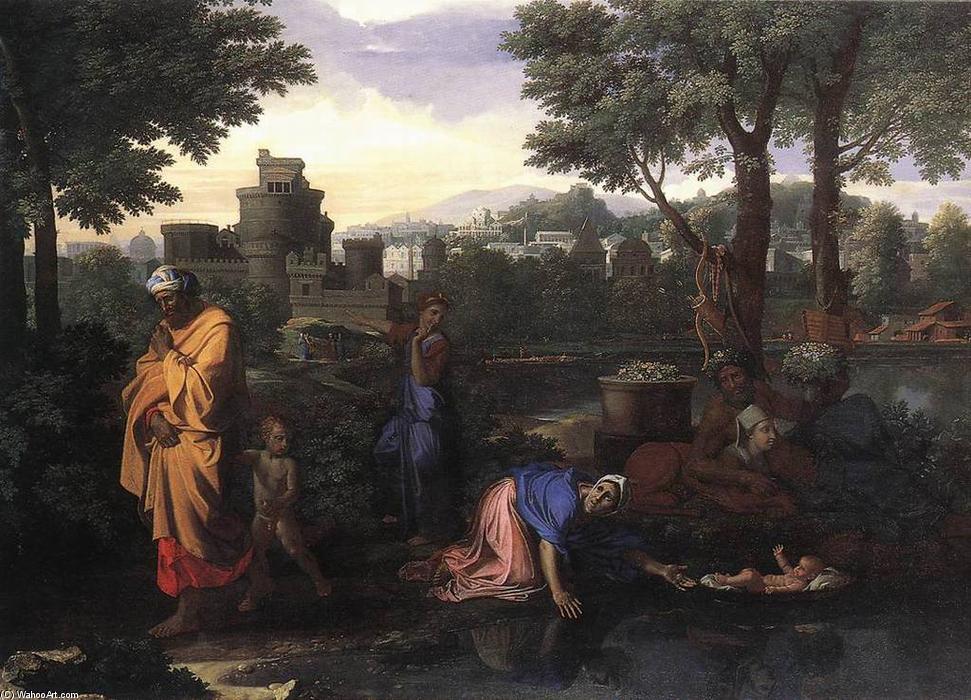
The Exposition of Moses

- 105.0 x 204.0 cm


 Zobrazit více
Giclée / Umělecký tisk
Giclée nebo plátěný tisk muzeální kvality s rychlou výrobou a širokou nabídkou povrchových úprav. ( Koupit ručně malovaný obraz Přepnout na digitální obraz)




P118B Kč10

P118H Kč10

P118W Kč10

P438Z Kč10

P508JH Kč12

P508YH Kč12

P805H Kč10

P805Z Kč10

P919BZ Kč10

P919G Kč10

P919XJ Kč10

P959ZH Kč10

P968JZ Kč12

W106C Kč8

W218G Kč10

W218JH Kč8

W218Y Kč10

W307PJ Kč10

W316G Kč10

W316PJ Kč8

W316Y Kč10

W398PJ Kč8

W4111J Kč10

W500HY Kč15

W500JH Kč15

W692G Kč12

W849H Kč8

W940BG Kč15

W953PJ Kč8




Vyberte si z našich přednastavených velikostí, které odpovídají původním proporcím díla.

Zadejte šířku a výšku, které potřebujete pro váš rám nebo stěnu. Tisk lze pouze oříznout, nikdy však nelze zvětšit obraz nad jeho původní rozměr, proto při výběru jiného formátu dochází ke ztrátě části obrazu. Před samotným tiskem vám zašleme digitální náhled k schválení. Obraz zobrazený na této stránce nenabízí skutečný výřez — ten uvidíte pouze v náhledu.
Celosvětové doručení () do 2 týdnů namísto standardních 4/5 týdnů. (6 listopad)

Zdarma celosvětová expresní doprava

Vysoce kvalitní lněné plátno

Kompletní pojištění přepravy

Záruka vrácení celního poplatku

Záruka věrného barevného souladu

100dení lhůta pro vrácení zboží (pouze při vadách výroby)

100% záruka vrácení peněz

Sleva při více objednávkách
 Skleněná varianta je dostupná pouze u rozměrů menších než 110 cm

The Exposition of Moses
Giclée / Umělecký tisk
Rozměry reprodukce
-


Celková cena za vybrané možnosti reprodukcí
Kč 1765
A Moment of Revelation: Poussin’s “The Exposition of Moses”
Nicolas Poussin's "The Exposition of Moses," painted in 1650 and currently residing within the hallowed halls of the Ashmolean Museum in Oxford, is more than simply a depiction of a biblical scene; it’s an exquisitely rendered meditation on faith, lineage, and the very essence of human connection. The painting captures a pivotal moment – the presentation of Moses to Pharaoh – yet transcends mere historical illustration, achieving a timeless quality that continues to resonate with viewers centuries later. Poussin, a master of classical composition and light, elevates this narrative through his meticulous attention to detail and profound understanding of color theory, creating an image brimming with both serenity and underlying significance.
Composition and Technique: A Symphony of Light and Form
Measuring 105 x 204 cm, the canvas is dominated by a carefully orchestrated arrangement of figures bathed in a soft, diffused light. Poussin’s technique—a hallmark of his mature style—is characterized by layered brushstrokes, subtly building up form and texture to create an illusion of depth and volume. Notice how he employs *chiaroscuro*, the dramatic contrast between light and shadow, not merely for aesthetic effect but to draw our eye across the scene, guiding us through the complex interplay of characters. The figures are arranged in a pyramidal composition, lending stability and grandeur to the tableau. The use of atmospheric perspective—distant objects appearing paler and less distinct—further enhances the sense of space and distance, transporting the viewer into this intimate moment.
Symbolism and Narrative: Echoes of Antiquity
“The Exposition of Moses” is rich in symbolic meaning, drawing heavily on classical precedents. The scene itself references the biblical account from Exodus 4, where Pharaoh reluctantly agrees to let the Israelites leave Egypt. However, Poussin subtly shifts the focus beyond a simple recounting of events. Observe the central figure – a baby, clearly representing Moses – cradled by a woman whose features evoke both maternal tenderness and an almost regal bearing. This figure is not merely a child; she embodies the lineage of Abraham, linking the Israelites to their ancient patriarch. The presence of the dog, often interpreted as a symbol of loyalty and fidelity, reinforces this connection to ancestral roots. The figures surrounding the infant are diverse in age and attire, representing the various tribes of Israel, united in reverence before Moses’s birth.
Historical Context and Artistic Legacy
Poussin's creation emerged during a period of significant artistic transition in France. While influenced by the Venetian Renaissance, he sought to synthesize classical ideals with contemporary sensibilities. The Ashmolean Museum, founded by Elias Ashmole in 1683, provides a fitting backdrop for this masterpiece, reflecting a commitment to preserving and showcasing both historical artifacts and artistic treasures. Poussin’s work profoundly impacted subsequent generations of artists, particularly those associated with the Rococo movement, who admired his mastery of light, color, and composition. His influence can be seen in the works of Rembrandt, Claude Lorrain, and even later Impressionists. The painting stands as a testament to Poussin's ability to imbue biblical narratives with universal themes of faith, family, and the enduring power of human connection.
For those seeking to experience the profound beauty and intellectual depth of “The Exposition of Moses,” OriginalUniqueArt offers meticulously crafted, hand-painted reproductions that faithfully capture the essence of this iconic artwork. Each reproduction is a testament to our commitment to preserving artistic heritage and bringing the masterpieces of the past into your home or studio.
Otázky a odpovědi
Je dílo "The Exposition of Moses" k dispozici jako umělecká tisknutá reprodukce?
Dílo "The Exposition of Moses" je k dispozici jako umělecký tisk na bavlněném plátně nebo archivním plátnovém papíře. Objednávku můžete zadat na stránce Kvalitní umělecký tisk v požadované velikosti.
Jak "The Exposition of Moses" vyvažuje světlo a stín?
U díla „The Exposition of Moses“ od Nikolás Poussin je zaznamenána jasnost deep_shadow při luminanci Soft Shadow.
Jaký je poměr stran díla „The Exposition of Moses“ od Nikolás Poussin a jaké jsou jeho rozměry?
Dílo „The Exposition of Moses“ od Nikolás Poussin je v formátu Landscape o rozměrech 105 x 204 cm.
Biografie umělce
Nicolas Poussin – A Life Steeped in Classical Reverie
Nicolas Poussin, a name synonymous with the grandeur of French Baroque painting, was nonetheless a soul deeply rooted in Italian soil for much of his artistic life. Born in Les Andelys, Normandy, in June 1594, his early years remain somewhat veiled in mystery, yet they undoubtedly laid the foundation for a career that would become pivotal in shaping the classical tradition within French art. Though he briefly studied in Paris during the early 1610s, absorbing influences from lesser-known artists of the time, it was his journey to Rome in 1624 that truly ignited his artistic destiny. This wasn’t merely a geographical relocation; it was an immersion into the heart of antiquity, a pilgrimage to the very source of inspiration that would define his aesthetic vision. Poussin's initial forays into painting were marked by a sensuous quality reminiscent of Venetian masters like Titian, yet even in these early works, a nascent sense of order and intellectual rigor began to emerge—a foreshadowing of the style he would so masterfully refine.Early Influences and Parisian Years
His formative years were spent honing his skills under Quentin Varin, a respected artist who instilled in him an appreciation for draughtsmanship and observation. Shortly thereafter, Poussin ventured into Paris, where he engaged with the artistic currents of the era—particularly those championed by Raphael and Giulio Romano—artists whose harmonious compositions and graceful forms would profoundly shape his subsequent style. The Parisian environment fostered intellectual curiosity and exposed him to humanist scholarship, influencing his worldview and fueling his desire for artistic excellence. During this period, Poussin produced a series of mythological drawings that showcased his burgeoning talent and demonstrated his commitment to capturing the beauty and dignity of classical ideals. These early works established a foundation for his later explorations of history and myth—themes he would revisit throughout his illustrious career.The Roman Years: Forging a Classical Ideal
Rome proved to be more than just a studio for Poussin; it became his intellectual crucible. He found himself amidst a vibrant circle of scholars, archaeologists, and fellow artists, notably Cassiano dal Pozzo, whose profound understanding of classical antiquity profoundly influenced the artist’s approach. Dal Pozzo's dedication to meticulously documenting ancient remains instilled in Poussin a deep respect for historical accuracy and a desire to imbue his paintings with a sense of timelessness. This period saw Poussin move away from the flamboyant exuberance of some of his contemporaries, instead embracing a style characterized by clarity, balance, and a deliberate emphasis on linear composition. He meticulously studied Raphael’s works, absorbing their harmonious arrangements and graceful forms, while simultaneously drawing inspiration from ancient sculptures and literary sources like Ovid's *Metamorphoses*. His paintings began to populate with figures drawn from classical history and mythology, rendered not as mere decorative elements but as embodiments of moral virtues and philosophical ideals. He became acquainted with Cardinal Francesco Barberini, whose patronage provided him with invaluable support and access to a stimulating intellectual milieu.Style and Technique: Classical Restraint Amidst Baroque Flourish
Poussin’s artistic style distinguished itself from the prevailing Baroque trends—characterized by dramatic emotion and opulent ornamentation—through its unwavering commitment to classical principles. He rejected excessive theatricality in favor of serene beauty, prioritizing compositional clarity and harmonious color palettes. His technique involved painstaking draughtsmanship, utilizing precise lines and subtle shading to create illusions of depth and perspective that mirrored the achievements of Renaissance masters. The artist’s meticulous attention to detail—evident in his depictions of drapery folds, facial expressions, and landscape vistas—reflected a profound understanding of artistic craftmanship. He skillfully blended influences from Venetian painters like Titian with the stylistic refinements of Raphael, resulting in an oeuvre marked by both sensuous richness and intellectual rigor.Legacy: Shaping French Art and Beyond
Nicolas Poussin’s influence extended far beyond his own lifetime, establishing a cornerstone of French Classical painting. His unwavering devotion to classical ideals served as inspiration for subsequent generations of artists—Jacques-Louis David and Paul Cézanne among them—who acknowledged their debt to Poussin's stylistic precision and philosophical depth. He championed the pursuit of beauty and order, advocating for artistic training rooted in humanist scholarship and informed by a deep appreciation for antiquity. His enduring legacy resides not merely in his magnificent paintings but also in his contribution to shaping the intellectual landscape of France—a testament to an artist who transcended mere aesthetic achievement to become a symbol of cultural excellence. He remains one of the most revered figures in French art history, celebrated for his mastery of technique and his profound engagement with timeless themes.
Nikolás Poussin
1594 - 1665 , Francie
Rychlé informace o umělci
- Artistic Movement Or Style: Baroko, Klasicismus
- Artists Or Movements Influenced By This Artist: ['Jacques-Louis David']
- Artists Who Influenced This Artist:
- Raphael
- Titian
- Date Of Birth: Les Andelys, Francie
- Date Of Death: Řím, Italie
- Full Name: Nicolas Poussin
- Nationality: Francouzský
- Notable Artworks:
- Mrtvý Němcův
- Sedm Sakramentů Série
- Římanská cesta
- Place Of Birth: Francie
Související články

Oil on Canvas: A Historical & Technical Exploration of a Timeless Artistic Medium
Explore the rich history & enduring techniques of oil painting on canvas. Discover the science behind its longevity, conservation practices, and contemporary relevance. Expert insights for art enthusiasts.

Baroque Classicism: The Grandeur of Order and Drama in 17th-Century Art History
Explore the profound elegance of Baroque Classicism. Discover how 17th-century masters synthesized dramatic emotion with classical order through the lens of the Counter-Reformation and the works of legends like Carlo Maratta and Andrea Sacchi.

The Enduring Legacy of Oil on Canvas: Technique, History & Aesthetic Impact
Explore the rich history & techniques of oil painting – from Renaissance masters to Impressionism. Discover pigments, layering methods, and why this timeless medium endures. Expert insights for artists & art enthusiasts.
Baroque Classicism: Reconciling Drama & Order in 17th-Century Art
Explore the captivating world of Baroque Classicism! Discover its history, key artists like Caravaggio & Rubens, and defining characteristics. Expert insights & high-quality reproductions at OriginalUniqueArt.

Trvalý odkaz olejomalby: Technika, historie a současná praxe
Prozkoumejte historii a techniky olejomalby s námi! Od středověku po současnost – detailní průvodce pro milovníky umění a profesionály. Objevte tajemství mistrů a inspirujte se.


