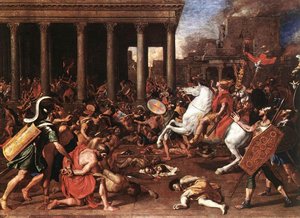
Náhled
 Sdílet
 Sdílet
 Podrobnosti o díle

 Stáhnout
 Podobné položky
 Rentgenové snímky
 Slideshow
 Statistiky
Landscape with a Man Killed by a Snake
 Oil On Canvas
- WallArt
- Baroque Painting
 1648
1648- Early Modern
 119.0 x 198.0 cm
 Zobrazit více
Ručně malovaná olejová reprodukce
Ručně malovaná olejná barva na plátně ve vašem zvoleném rozměru i s rámem, vyrobená našimi umělci na zakázku. ( Přepnout na tisk Přepnout na digitální obraz)




P118B $10

P118H $10

P118W $10

P438Z $10

P508JH $12

P508YH $12

P805H $10

P805Z $10

P919BZ $10

P919G $10

P919XJ $10

P959ZH $10

P968JZ $12

W106C $8

W218G $10

W218JH $8

W218Y $10

W307PJ $10

W316G $10

W316PJ $8

W316Y $10

W398PJ $8

W4111J $10

W500HY $15

W500JH $15

W692G $12

W849H $8

W940BG $15

W953PJ $8




Vyberte si z našich přednastavených velikostí, které odpovídají původním proporcím díla.

Můžete zadat vlastní rozměry pro konkrétní rám nebo prostor. Pokud se vámi vybraná velikost neshoduje s proporcemi původního obrazu, dílo buď ořízneme, nebo jej doplníme ručně malovanými prvky. Před zahájením výroby vám bude zaslán digitální náhled ke schválení.
Upozorňujeme, že náhled na obrazovce neodpovídá skutečnému ořezu ani rozšíření. Pouze digitální náhled přesně zobrazí finální kompozici.
Ačkoliv je možné zvolit vlastní velikost, pro zachování původních proporcí doporučujeme vybrat rozměr z předdefinovaného seznamu.
Po přijetí objednávky vám tým OriginalUniqueArt.com zašle e-mail s pokyny a poskytne náhledovou verzi.
Celosvětová doprava () za 3–4 týdny namísto standardních 5 týdnů. (18 září). Bez kompromisů v kvalitě.

Zdarma celosvětová expresní doprava

Vysoce kvalitní lněné plátno

Kompletní přepravní pojištění

Záruka vrácení celního poplatku

Záruka přesného barevného shodu

100dená lhůta pro vrácení zboží (pouze při vadách)

100% garance vrácení peněz

Sleva při hromadné objednávce
 Skleněná varianta je dostupná pouze u rozměrů menších než 110 cm

Landscape with a Man Killed by a Snake
Technika reprodukce
Rozměry reprodukce
-


Celková cena za výběr
$ 300
A Fatal Encounter in the Heart of the French Baroque
In the quiet, sun-dappled groves of Nicolas Poussin’s 1648 masterpiece, Landscape with a Man Killed by a Snake, a profound stillness masks a sudden, violent tragedy. At first glance, the viewer is greeted by a pastoral idyll—a serene woodland scene where the light filters through ancient trees and the gentle movement of a distant boat suggests the rhythmic passage of time. Yet, this tranquility is shattered by a singular, harrowing event: a man lies sprawled upon the earth, his life slipping away following the swift, venomous strike of a serpent. This juxtaposition of natural beauty and sudden mortality creates a tension that is both unsettling and deeply captivating, inviting the observer to look beyond the surface of the landscape into the deeper mysteries of human existence.
Poussin, a titan of the French Baroque, does not merely depict a scene; he orchestrates a philosophical meditation. Through his masterful use of chiaroscuro, the artist manipulates light and shadow to sculpt the atmosphere, casting a dramatic spotlight on the central figure’s vulnerability while allowing the surrounding forest to recede into a mysterious, atmospheric depth. The composition is far from accidental; Poussin employs a rigorous pyramidal structure, a hallmark of his classical training, which provides a sense of architectural stability to an otherwise chaotic moment of death. This geometric precision directs the eye upward, subtly connecting the earthly tragedy of the fallen man to the heavens above, where a lone bird drifts through the sky, indifferent to the drama unfolding below.
Symbolism and the Echoes of Antiquity
To understand this work is to engage with the intellectual currents of the 17th century. Commissioned by Cardinal Francesco Maria Pallotti, the painting serves as a complex allegory steeped in religious and classical symbolism. The serpent, an ancient emblem of both temptation and peril, evokes the biblical narrative of the Fall of Man, suggesting that even within the most beautiful landscapes, the seeds of destruction are ever-present. The scattered figures—a woman with her basket, a young boy, and travelers in the distance—act as witnesses to this fleeting moment, representing the continuity of life amidst the inevitability of death. This interplay between the eternal landscape and the ephemeral human life reflects the profound anxieties of an era shaped by religious reformation and a renewed fascination with classical antiquity.
For the discerning collector or interior designer, this painting offers more than just visual splendor; it provides a focal point of immense intellectual and emotional weight. The muted yet rich palette of earth tones, deep greens, and soft ochres allows the piece to integrate seamlessly into sophisticated environments, whether in a grand library or a contemporary gallery space. A high-quality reproduction of this work brings with it the gravity of Poussin’s vision, offering an opportunity to possess a fragment of art history that speaks to the timeless themes of fate, nature, and the delicate balance between peace and peril.
Biografie umělce
Nicolas Poussin – A Life Steeped in Classical Reverie
Nicolas Poussin, a name synonymous with the grandeur of French Baroque painting, was nonetheless a soul deeply rooted in Italian soil for much of his artistic life. Born in Les Andelys, Normandy, in June 1594, his early years remain somewhat veiled in mystery, yet they undoubtedly laid the foundation for a career that would become pivotal in shaping the classical tradition within French art. Though he briefly studied in Paris during the early 1610s, absorbing influences from lesser-known artists of the time, it was his journey to Rome in 1624 that truly ignited his artistic destiny. This wasn’t merely a geographical relocation; it was an immersion into the heart of antiquity, a pilgrimage to the very source of inspiration that would define his aesthetic vision. Poussin's initial forays into painting were marked by a sensuous quality reminiscent of Venetian masters like Titian, yet even in these early works, a nascent sense of order and intellectual rigor began to emerge—a foreshadowing of the style he would so masterfully refine.Early Influences and Parisian Years
His formative years were spent honing his skills under Quentin Varin, a respected artist who instilled in him an appreciation for draughtsmanship and observation. Shortly thereafter, Poussin ventured into Paris, where he engaged with the artistic currents of the era—particularly those championed by Raphael and Giulio Romano—artists whose harmonious compositions and graceful forms would profoundly shape his subsequent style. The Parisian environment fostered intellectual curiosity and exposed him to humanist scholarship, influencing his worldview and fueling his desire for artistic excellence. During this period, Poussin produced a series of mythological drawings that showcased his burgeoning talent and demonstrated his commitment to capturing the beauty and dignity of classical ideals. These early works established a foundation for his later explorations of history and myth—themes he would revisit throughout his illustrious career.The Roman Years: Forging a Classical Ideal
Rome proved to be more than just a studio for Poussin; it became his intellectual crucible. He found himself amidst a vibrant circle of scholars, archaeologists, and fellow artists, notably Cassiano dal Pozzo, whose profound understanding of classical antiquity profoundly influenced the artist’s approach. Dal Pozzo's dedication to meticulously documenting ancient remains instilled in Poussin a deep respect for historical accuracy and a desire to imbue his paintings with a sense of timelessness. This period saw Poussin move away from the flamboyant exuberance of some of his contemporaries, instead embracing a style characterized by clarity, balance, and a deliberate emphasis on linear composition. He meticulously studied Raphael’s works, absorbing their harmonious arrangements and graceful forms, while simultaneously drawing inspiration from ancient sculptures and literary sources like Ovid's *Metamorphoses*. His paintings began to populate with figures drawn from classical history and mythology, rendered not as mere decorative elements but as embodiments of moral virtues and philosophical ideals. He became acquainted with Cardinal Francesco Barberini, whose patronage provided him with invaluable support and access to a stimulating intellectual milieu.Style and Technique: Classical Restraint Amidst Baroque Flourish
Poussin’s artistic style distinguished itself from the prevailing Baroque trends—characterized by dramatic emotion and opulent ornamentation—through its unwavering commitment to classical principles. He rejected excessive theatricality in favor of serene beauty, prioritizing compositional clarity and harmonious color palettes. His technique involved painstaking draughtsmanship, utilizing precise lines and subtle shading to create illusions of depth and perspective that mirrored the achievements of Renaissance masters. The artist’s meticulous attention to detail—evident in his depictions of drapery folds, facial expressions, and landscape vistas—reflected a profound understanding of artistic craftmanship. He skillfully blended influences from Venetian painters like Titian with the stylistic refinements of Raphael, resulting in an oeuvre marked by both sensuous richness and intellectual rigor.Legacy: Shaping French Art and Beyond
Nicolas Poussin’s influence extended far beyond his own lifetime, establishing a cornerstone of French Classical painting. His unwavering devotion to classical ideals served as inspiration for subsequent generations of artists—Jacques-Louis David and Paul Cézanne among them—who acknowledged their debt to Poussin's stylistic precision and philosophical depth. He championed the pursuit of beauty and order, advocating for artistic training rooted in humanist scholarship and informed by a deep appreciation for antiquity. His enduring legacy resides not merely in his magnificent paintings but also in his contribution to shaping the intellectual landscape of France—a testament to an artist who transcended mere aesthetic achievement to become a symbol of cultural excellence. He remains one of the most revered figures in French art history, celebrated for his mastery of technique and his profound engagement with timeless themes.
Nikolás Poussin
1594 - 1665 , Francie
Rychlé fakta
- Artistic Movement Or Style: Baroko, Klasicismus
- Artists Or Movements Influenced By This Artist: ['Jacques-Louis David']
- Artists Who Influenced This Artist:
- Raphael
- Titian
- Date Of Birth: Les Andelys, Francie
- Date Of Death: Řím, Italie
- Full Name: Nicolas Poussin
- Nationality: Francouzský
- Notable Artworks:
- Mrtvý Němcův
- Sedm Sakramentů Série
- Římanská cesta
- Place Of Birth: Francie
Související články
Nicolas Poussin: Classicism, Allegory & Order in 17th-Century French Painting
Explore the life & work of Nicolas Poussin, a master of French Classicism. Discover his allegorical paintings, Roman influences, and enduring impact on art history. Expert analysis & insights.

Romantická krajina v malbě: 10 mistrovských děl, které definovaly umělecký proud | OriginalUniqueArt
Prozkoumejte 10 ikonických děl romantické krajinářské malby! Objevte příběhy Caspara Davida Friedricha, Turnera a dalších mistrů. Reprodukce obrazů nejvyšší kvality pro váš interiér na OriginalUniqueArt.com.
Baroque Classicism: Reconciling Drama & Order in 17th-Century Art
Explore the captivating world of Baroque Classicism! Discover its history, key artists like Caravaggio & Rubens, and defining characteristics. Expert insights & high-quality reproductions at OriginalUniqueArt.

Epic Drama & Dark Vibes: The Ultimate Collector's Guide to Baroque Landscapes
Master the art of drama with our ultimate guide to Baroque landscapes. Discover the power of chiaroscuro, explore legendary masters, and learn how to curate epic, dark-vibe masterpieces for your collection with expert insights from OriginalUniqueArt.

Baroque Classicism: The Grandeur of Order and Drama in 17th-Century Art History
Explore the profound elegance of Baroque Classicism. Discover how 17th-century masters synthesized dramatic emotion with classical order through the lens of the Counter-Reformation and the works of legends like Carlo Maratta and Andrea Sacchi.