Early Renaissance · 1461
Triptych (Nicolas Froment, 1461)
Nicolas Froment (1430–1484) vytvořil dílo Triptych. Pochází z roku 1461. Patří k hnutí Early Renaissance. Je vyrobeno z Oil On Panel. Nachází se v Galleria degli Uffizi v Florencie, Itálie. Rozměry jsou 134 × 175 cm.
- 1461
- Oil On Panel
- 134 × 175 cm
- Galleria degli Uffizi, Florencie

 Náhled v interiéru

 Ručně malovaná olejná reprodukce
 Sdílet
 Sdílet
 Informační list


 Stáhnout
 Podobné položky
 Rentgenové snímky
 Slideshow
 Otázky a odpovědi

 Statistiky
Triptych v kostce
- Název díla
- Triptych
- Autor
- Nicolas Froment (1430–1484)
- Rok narození umělce
- Uzès, France
- Datum vytvoření
- 1461
- Technika
- Oil On Panel
- Rozměry
- 134 × 175 cm
- Kde jej vidět
- Galleria degli Uffizi, Florencie, Itálie
- Pohyb
- Early Renaissance
- Období
- Renaissance
- Motiv
- triptych, life of christ, crucifixion, resurrection, religious art, biblical scene
Co przedstawuje dílo Triptych?
A Divine Narrative in Wood and Pigment
Behold this magnificent triptych, a profound meditation on the life of Jesus Christ, executed by the master hand of Nicolas Froment in 1461. This work is not merely a depiction; it is a devotional journey across three pivotal moments of Christian history—the serene beginnings, the agonizing sacrifice, and the triumphant dawn of resurrection. The sheer narrative scope contained within these panels invites the viewer into an intimate dialogue with sacred storytelling. From the gentle glow surrounding the Nativity scene in the first panel, where Mary cradles the infant Jesus amidst shepherds and angels, to the dramatic tension etched into the crucifixion tableau, and finally to the radiant emergence from the tomb, each segment pulses with untold human drama and divine mystery.
Mastery of the Early Renaissance Style
Nicolas Froment stands at a fascinating crossroads in art history—a painter whose work beautifully bridges the lingering grace of the Gothic tradition with the burgeoning naturalism whispered by Flemish influences. His technique, characteristic of the Second School of Avignon, allows for an astonishing level of detail while maintaining a spiritual resonance. Observe the figures: they are not static icons but breathing participants. The drapery falls with convincing weight, and the faces carry distinct, palpable emotions—a mixture of awe, sorrow, piety, and wonder. This commitment to naturalism, coupled with the vibrant palette achieved through meticulous hand-painting, gives the entire piece an immediate, almost tangible presence that transcends its age.
Symbolism and Emotional Resonance
The symbolism woven throughout this triptych is rich and deeply layered. The progression from birth to death to resurrection encapsulates the core tenets of Christian faith—the cycle of sacrifice leading inevitably to eternal life. Each figure, whether a Roman soldier, a grieving disciple, or an angelic messenger, carries symbolic weight. For the modern collector or decorator, owning such a piece means acquiring more than just art; it is acquiring a focal point for contemplation and spiritual reflection. The vibrant colors are employed not just for beauty, but to heighten the emotional stakes of each scene, drawing the eye through the narrative arc.
A Statement Piece for Any Grand Interior
Measuring 175 x 134 cm, this triptych possesses a commanding presence. It is designed to anchor a significant space—perhaps a grand hall, a library, or a chapel-inspired room. While the original wood paneling speaks of centuries of history, acquiring a high-quality reproduction allows you to integrate this monumental piece of art into your contemporary décor with confidence. The depth and complexity of Froment’s vision ensure that it will remain a captivating centerpiece, drawing admiration for its masterful execution and profound subject matter.
Ve kterém muzeu se nachází Triptych?
Galleria degli Uffizi
Florencie, Itálie
Srdce renesance: Galerie Uffizi a její nesmrtelné umění V samém srdci Florencie, města pulzujícího historií a uměleckým nadšením, se nachází Galleria degli Uffizi – zážitek přesahující pouhou návštěvu muzea. Není to jen sbírka mistrovských děl; je to pečlivě zkonstruovaná brána do světa renesanční geniality, transportující návštěvníky na úchvatnou cestu skrze vývoj umění. Původně navržená jako administrativní budova – „Uffizi“ v italštině znamená kanceláře – architektem Giorgiem Vasarim pro florentské úředníky, tato nádherná palácová stavba prošla neuvěřitelnou proměnou a stala se jednou z nejuznávanějších památek umění na světě, navždy spjatou s ambicemi a patronací mocné rodiny Medici.


Vysokorozlišené fotografie díla Triptych

Nicolas Froment, Triptych (1461), Galleria degli Uffizi. Veřejná doména
Barvy sladěné s originálem digitálním expertem, soubor jemně retušovaný a věrný tahům umělcovy štětce.
Stáhněte si soubor ve vysokém rozlišeníOdpovědi na otázky k dílu Triptych
Kde je dnes možné vidět dílo „Triptych“ od Nicolas Froment?
Originál díla „Triptych“ si můžete prohlédnout v instituci Galleria degli Uffizi, Florencie, Itálie.
V jakém roce vzniklo dílo „Triptych“ od Nicolas Froment?
Dílo „Triptych“ od Nicolas Froment vzniklo v roce 1461.
V jaké technice je vytvořeno dílo „Triptych“ od Nicolas Froment?
„Triptych“ je dílo vytvořené v technice Oil On Panel.
Jaké jsou skutečné rozměry díla „Triptych“ od Nicolas Froment?
Zaznamenané rozměry díla „Triptych“ od Nicolas Froment jsou 175 x 134 cm. Reprodukce lze objednat v jiných velikostech při zachování stejných proporcí.
Jaká témata se objevují v díle „Triptych“ od Nicolas Froment?
„Triptych“ od Nicolas Froment zobrazuje: triptych, life of christ, crucifixion, resurrection, religious art, biblical scene.
Lze obraz díla „Triptych“ od Nicolas Froment volně reprodukovat?
Stav autorských práv pro dílo „Triptych“ od Nicolas Froment: toto dílo spadá do v rámci volného užití – autorská práva vypršela. To určuje, zda lze volně vytvářet reprodukce tohoto obrazu.
Kdo vytvořil "Triptych"?
Dílo "Triptych" vytvořil/a Nicolas Froment. Informace na této stránce popisují originální dílo umělce Nicolas Froment.
K jakému stylu patří „Triptych“?
Dílo „Triptych“ od Nicolas Froment patří k období směru Early Renaissance, který dílu dodává jeho stylistický kontext.
Do jaké fáze tvůrčího rozvoje Nicolas Froment patří dílo „Triptych“?
Dílo „Triptych“ pochází z období Early Renaissance v tvorbě umělce Nicolas Froment. Tato klasifikace dílo zasazuje do kontextu vývoje jeho tvůrčí dráhy.
O umělci, Nicolas Froment
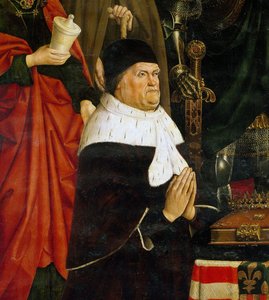
1430–1484, France
Nicolas Froment
Nicolas Froment: A Flemish Echo in Early Renaissance Provence Nicolas Froment (c. 1435 – c. 1486) stands as a pivotal figure within the Second School of Avignon, marking a crucial juncture between Gothic tradition and burgeoning Flemish naturalism in French art during the fifteenth century. Born in Uzès, France, Froment’s artistic trajectory coincided with an era profoundly impacted by papal patronage and the allure of Italian Renaissance ideals—a dynamic that fueled stylistic experimentation and ultimately cemented his place as one of Provence's most celebrated painters.
O umělci Nicolas Froment Významná díla umělce Nicolas Froment
Také od autora Nicolas Froment
 The Burning Bush (detail)1476
 Matheron Diptych1474
 The Raising of Lazarus1461
 The Pérussis Altarpiece1480

Eseje k tématu Triptych
 The Statement Wall: Mastering Large-Scale Art for Commanding InteriorsMaster the art of commanding interiors with our expert guide to large-scale statement walls. Discover how premium, museum-quality oil paint…
 25 Masterpieces by Rogier van der Weyden: The Pinnacle of Emotional ArtImmerse yourself in the profound emotion of Rogier van der Weyden’s greatest works. From Northern Renaissance mastery to exquisite textures…
 25 Masterpieces by Giotto di Bondone: The Father of Renaissance ArtJourney through the revolutionary world of Giotto di Bondone. Explore 25 iconic masterpieces that bridged the Medieval and Renaissance eras…