
 Náhled
 Sdílet
 Sdílet
 Podrobnosti o díle

 Stáhnout
 Podobné položky
 Rentgenové snímky
 Slideshow
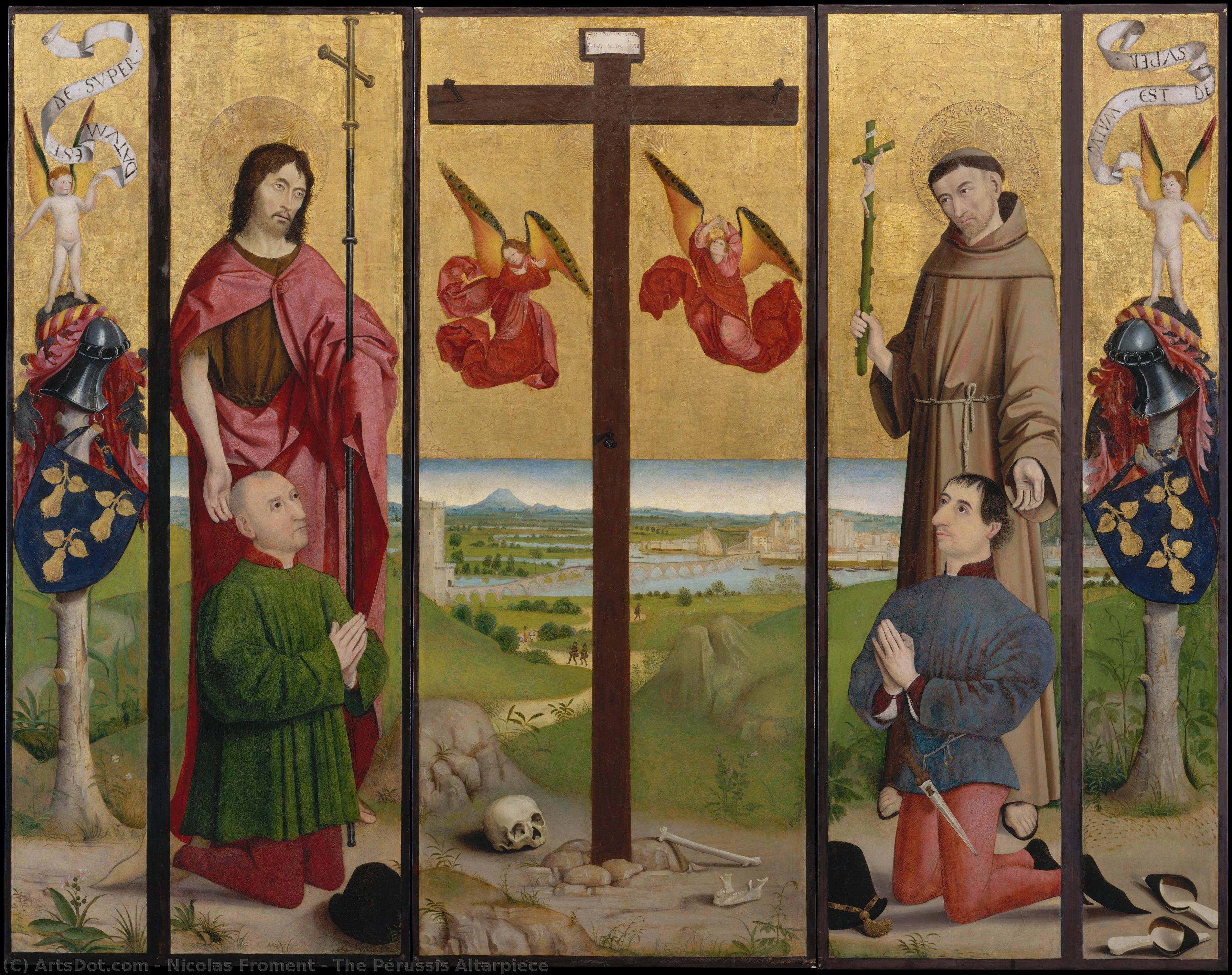
The Pérussis Altarpiece
 Oil On Panel
- Early Renaissance
 1480
1480- Renaissance
 138.0 x 58.0 cm
 Metropolitní muzeum umění
 Zobrazit více
Koupě vysoce rozlišeného, vylepšeného digitálního obrazu, který je mnohem kvalitnější než online náhled.
Každý soubor je pečlivě připraven našimi odborníky pomocí pokročilých nástrojů a expertní manuální retuše. Zajišťujeme, aby každý obraz disponoval výjimečnou ostrostí, přesnou barevnou věrností a jemnými detaily.
Finální soubor vám bude do 72 hodin zaslán e-mailem, optimalizovaný pro okamžité použití v profesionálním, redakčním i tiskovém prostředí. Nabízíme stejnou kvalitu, které důvěřují špičková designová studia, nakladatelství i galerie.
Digitální obrazy
Stáhněte si soubor ve vysokém rozlišení pro osobní prohlížení, tisk a kreativní projekty. ( Koupit tisk Koupit ručně malovaný obraz)
Součást každé objednávky digitálního obrazu
Profesionální digitální doručení, zaručeno.
Když si vyberete OriginalUniqueArt.com, nezískáváte pouze obrázek – získáváte digitální umělecké dílo s profesionálně vylepšenými detaily, zpracované s precizností a podpořené zárukou za spokojenost. Zde je vše, co vaše objednávka automaticky obsahuje:

Rychlé doručení e-mailem
Váš digitální obraz ve vysokém rozlišení vám bude zaslán e-mailem do 72 hodin od objednávky – připraven k okamžitému použití.

Digitální soubor s využitím AI
Vaše umělecké dílo je profesionálně optimalizováno pomocí pokročilých nástrojů umělé inteligence a manuální úpravy, což zajišťuje maximální úroveň detailu, ostrosti a přesnosti barev.

Bezplatné doživotní znovuodeslání
Soubor jste omylem smazali nebo ztratili? Žádný problém – kdykoliv vám ho znovu zašleme zcela zdarma.

Bez poplatků za dovoz – navždy
Užijte si své umělecké dílo okamžitě bez celních poplatků, daní nebo nákladů na dopravu – digitální stažení je vždy bez daňových povinností.

Záruka přesnosti barev
Pomocí profesionálních nástrojů a správy barev zajišťujeme, aby váš digitální obraz odrážel původní barvy co nejvěrněji.

60denní záruka spokojenosti
Pokud nebudete s digitální fotografií spokojeni, provedeme její revizi nebo vám vrátíme 100% během 60 dnů – bez jakýchkoliv dotazů.

100% záruka vrácení peněz
Nespokojeni? Získejte plnou částku zpět do 60 dní od přijetí vašeho digitálního souboru – bez jakýchkoliv dotazů.

Slevy při hromadných objednávkách
Koupěte si 3 obrazy, ušetřete 10% - Koupěte si 5, ušetřete 15% - Koupěte si 10+, ušetřete 20%. Ideální pro kreativní projekty, galerie a agentury.
Popis sběratelského kusu
A Devotional Echo from Renaissance Provence
To gaze upon this magnificent altarpiece is to step directly into the charged atmosphere of late Quattrocento France. Dating to 1480, Nicolas Froment’s The Pérussis Altarpiece transcends mere religious depiction; it is a complex tapestry woven from profound spiritual devotion, burgeoning Renaissance naturalism, and the specific cultural anxieties of its time. The subject matter—the adoration of the empty cross on Golgatha—possesses an immediate, arresting power. It captures that pivotal moment of contemplation following sacrifice, inviting the viewer into a space where divine mystery meets human reverence.
Mastery in Transition: Style and Technique
Froment, operating within the vibrant crucible of the Second School of Avignon, stands as a fascinating bridge between the lingering elegance of Gothic tradition and the burgeoning realism whispered by Flemish influences. Technically, the work is breathtakingly detailed. Observe how the artist manages to combine the timeless, ethereal quality of the gold ground—a hallmark of earlier devotional art—with an astonishingly faithful topographical view of Avignon itself. This juxtaposition is revolutionary; it anchors the eternal narrative within a specific, tangible place. The composition unfolds across multiple planes, guiding the eye through scenes involving Christ on the cross, flanked by attendant angels in various positions, and culminating in the solemn figure kneeling before the divine drama.
Symbolism Woven into Sacred Space
The symbolism here is rich and multi-layered, inviting prolonged study. The presence of multiple crosses emphasizes the weight and significance of the Passion narrative. Furthermore, the inclusion of elements such as skulls and birds adds a layer of memento mori—a constant reminder of mortality set against the backdrop of eternal salvation. The kneeling donor figure, perhaps Aloisius himself, acts as a conduit for the viewer, compelling us to adopt his posture of prayer and contemplation. It is an intimate moment of personal piety framed by monumental religious art.
A Piece of History for the Modern Sanctuary
Originally commissioned for the Pérussis family, this altarpiece carries the weight of patronage and history within its very pigments. For those seeking to infuse a space—be it a private chapel, a grand hall, or a richly decorated interior—with the gravitas and artistry of the early French Renaissance, this work offers unparalleled depth. Owning a reproduction allows one to connect with the sophisticated blend of local Provençal identity and universal Christian narrative that defined life in 15th-century Avignon. It is not merely decoration; it is a profound meditation rendered visible.
Biografie umělce
Nicolas Froment: A Flemish Echo in Early Renaissance Provence
Nicolas Froment (c. 1435 – c. 1486) stands as a pivotal figure within the Second School of Avignon, marking a crucial juncture between Gothic tradition and burgeoning Flemish naturalism in French art during the fifteenth century. Born in Uzès, France, Froment’s artistic trajectory coincided with an era profoundly impacted by papal patronage and the allure of Italian Renaissance ideals—a dynamic that fueled stylistic experimentation and ultimately cemented his place as one of Provence's most celebrated painters.- Early Life & Training: Precise biographical details surrounding Froment’s formative years remain elusive, contributing to ongoing scholarly debate regarding his artistic origins. However, evidence suggests he honed his skills in Paris under the tutelage of Jean Fouquet, a prominent Gothic artist whose influence undeniably shaped Froment's initial stylistic sensibilities.
- The Avignon School & Flemish Influence: Froment’s involvement with the Second School of Avignon—a collective striving to revitalize artistic expression amidst papal exile—was instrumental in introducing Flemish painting techniques into France. Artists like Rogier van der Weyden and Hugo van der Goes had revolutionized European art with their masterful depictions of realism, emotional intensity, and meticulous detail—principles that Froment skillfully adopted.
Notable Works & Artistic Style
Froment’s oeuvre is characterized by a distinctive blend of Gothic elegance and Flemish naturalism. He achieved considerable renown for his monumental altarpiece commissioned in Aix-en-Provence for Catherine Spifami, depicting the Passion of Christ and incorporating scenes from Mary Magdalene's life—a testament to the prevailing devotional fervor of the time. Particularly noteworthy is “The Burning Bush,” a panel painting housed at the Metropolitan Museum of Art in New York, showcasing Froment’s masterful command of color and texture. The composition captures the dramatic moment of Moses encountering God amidst flames, embodying profound spiritual symbolism.- "The Burning Bush" exemplifies Froment's ability to convey emotion through meticulous observation and skillful brushwork—a hallmark of Flemish painting.
- His retable des Pérussis, also located at the Metropolitan Museum of Art, further demonstrates his engagement with Flemish naturalism, presenting a vibrant portrayal of the adoration of the Holy Cross.
Legacy & Historical Significance
Despite challenges in definitively attributing numerous works to Froment—a common predicament faced by artists of his era—his contribution to French art history remains undeniable. He stands as a pivotal conduit for disseminating Flemish artistic innovations, propelling the Second School of Avignon toward a more expressive and realistic aesthetic. Furthermore, Froment’s work serves as an invaluable window into the cultural landscape of fifteenth-century Provence, reflecting both the enduring legacy of Gothic tradition and the transformative impact of Renaissance ideals—a synthesis that continues to inspire admiration among art historians and collectors alike.Further Exploration
For a deeper understanding of Nicolas Froment’s artistic achievements and his role in shaping French Renaissance art, consult resources such as:- Wikipedia:
- Britannica:
Nicolas Froment
1430 - 1484 , France
Stručné informace
- Artistic Movement Or Style: Early Renaissance; Flemish Style
- Artists Or Movements Influenced By This Artist: ['Italian Art']
- Artists Who Influenced This Artist: ['Flemish Artists']
- Date Of Birth: c. 1435
- Date Of Death: c. 1486
- Full Name: Nicolas Froment
- Nationality: French
- Notable Artworks:
- The Burning Bush
- Triptych of the Burning Bush
- Place Of Birth: Uzès, France

