

 Zobrazit v interiéru
 Odeslat
 Sdílet
 Podrobnosti
 Průvodce

 Stáhnout obrázek
 Podobné kousky
 Rentgenové snímky
 Slideshow
 Statistiky
Landscape


 Přečíst si více
Ručně malovaná olejová reprodukce
Ručně malované olejné plátno v libovolném rozměru i s rámem, vyrobené našimi umělci na zakázku. ( Přepnout na tiskové verze Přepnout na digitální verzi obrazu)




P118B Kč10

P118H Kč10

P118W Kč10

P438Z Kč10

P508JH Kč12

P508YH Kč12

P805H Kč10

P805Z Kč10

P919BZ Kč10

P919G Kč10

P919XJ Kč10

P959ZH Kč10

P968JZ Kč12

W106C Kč8

W218G Kč10

W218JH Kč8

W218Y Kč10

W307PJ Kč10

W316G Kč10

W316PJ Kč8

W316Y Kč10

W398PJ Kč8

W4111J Kč10

W500HY Kč15

W500JH Kč15

W692G Kč12

W849H Kč8

W940BG Kč15

W953PJ Kč8




Vyberte si z našich přednastavených velikostí, které odpovídají původním proporcím díla.

Zadejte šířku a výšku, které potřebujete pro váš rám nebo stěnu. Protože se jedná o ruční malbu, při výběru jiného formátu může umělec kolem obrazu domalovat o něco více, nebo jej mírně oříznout — rozhodnete si vy. Před zahájením malby vám zašleme digitální náhled ke schválení. Obraz zobrazený na této stránce neodpovídá skutečnému výsledku — pouze digitální náhled jej zobrazuje.
Po přijetí objednávky vám tým OriginalUniqueArt.com zašle e-mail s pokyny a poskytne náhledovou verzi.
Celosvětová doprava () za 3–4 týdny namísto standardních 5 týdnů. (22 říjen). Bez kompromisů v kvalitě.

Zdarma celosvětová expresní doprava

Vysoce kvalitní lněné plátno

Úplné pojištění přepravy

Záruka vrácení celního poplatku

Záruka věrného barevného shodu

100dení lhůta pro vrácení zboží (pouze při vadách výroby)

100% garance vrácení peněz

Sleva při více objednávkách
 Skleněná varianta je dostupná pouze u rozměrů menších než 110 cm

Landscape
Technika provedení
Velikost reprodukce
-


Celková cena
Kč 6376
Nicolas de Largillière’s “Landscape”: A Symphony of Light and Tranquility
The world of 17th-century French portraiture is often associated with opulent formality, yet within this tradition flourished a remarkable vein of serene landscapes – paintings that offered a respite from the constraints of courtly life. Nicolas de Largillière’s “Landscape,” painted around 1680, stands as a prime example of this quieter, more contemplative style, capturing not just a visual scene but also an atmosphere of profound peace and timeless beauty. It's a work that invites the viewer to step into its verdant depths and lose themselves in the gentle rhythms of nature.
Largillière’s approach diverges significantly from the dramatic, theatrical landscapes favored by some contemporaries. Instead, he presents a scene imbued with an understated elegance, prioritizing subtle details and a masterful manipulation of light. The composition is carefully balanced, drawing the eye through a winding path that leads into the heart of a densely wooded area. The foreground, dominated by a modest track, establishes a sense of intimacy, while the middle ground reveals a tapestry of trees – oaks, birches, and pines – rendered with meticulous attention to texture and form. The background fades gently into a hazy distance, suggesting an expansive horizon without overwhelming the viewer.
A Masterclass in Light and Shadow
What truly elevates “Landscape” is Largillière’s extraordinary command of light. He doesn't employ harsh contrasts or dramatic highlights; rather, he utilizes a diffused, almost ethereal illumination that permeates the entire scene. Sunlight filters through the canopy, casting dappled patterns on the forest floor and creating an interplay of light and shadow that breathes life into every leaf and branch. This delicate handling of chiaroscuro – the contrast between light and dark – is not merely decorative; it’s fundamental to the painting's emotional impact, lending a sense of depth, volume, and realism to the landscape.
The artist’s technique is remarkably refined. Largillière employs a loose, expressive brushstroke, particularly in depicting the foliage, which appears almost luminous. He builds up layers of color with subtle gradations, creating a rich tapestry of greens, browns, and yellows that evoke the changing seasons. The trees themselves are not sharply defined but rather suggested through carefully placed dabs of paint, conveying their form and texture without resorting to overly detailed rendering. This approach aligns perfectly with the prevailing Baroque aesthetic, prioritizing atmosphere and feeling over strict realism.
Symbolism and a Moment of Reflection
While Largillière’s landscapes are often characterized by their serene beauty, they also carry subtle symbolic weight. The winding path invites contemplation and suggests a journey – perhaps not just through the physical landscape but also through life itself. The dense forest can be interpreted as representing the complexities of nature, while the open spaces symbolize freedom and possibility. The painting’s overall mood is one of quiet reflection, encouraging the viewer to pause and appreciate the simple pleasures of the natural world.
Considering Largillière's background in portraiture, it’s intriguing to note how he translated his skills of capturing likeness and personality into this genre. The landscape isn’t merely a backdrop; it feels inhabited, imbued with a sense of stillness and tranquility that mirrors the contemplative nature of portraiture. The painting subtly evokes a feeling of escape – a momentary retreat from the pressures of daily life.
A Timeless Appeal
“Landscape” by Nicolas de Largillière is more than just a beautiful depiction of a forest scene; it’s a testament to the artist's skill, sensitivity, and profound understanding of light and atmosphere. Its enduring appeal lies in its ability to transport the viewer to a place of peace and tranquility, reminding us of the restorative power of nature. Reproductions of this remarkable work offer a chance to bring this serene vision into any space, fostering a sense of calm and contemplation – a valuable addition to any collection or interior design.
Otázky a odpovědi
Jakou převládající barvu v sobě nese dílo „Landscape“ od Nicolas de Largillière?
Dílo „Landscape“ od Nicolas de Largillière je protknuto Amber to Saffron odstínem.
Jaké místo v tvorbě umělce Nicolas de Largillière zaujímá dílo "Landscape"?
Dílo „Landscape“ sdílí s ostatními pracemi umělce Nicolas de Largillière charakteristický styl Baroque Portraiture a opakující se témata: flemish landscape tradition, french courtly portraiture, baroque light and shadow, genre scenes, everyday life, refined elegance, social status.
Jakým způsobem se motiv díla „Landscape“ vztahuje k obvyklým tématům umělce Nicolas de Largillière?
Mezi opakující se témata umělce Nicolas de Largillière patří flemish landscape tradition, french courtly portraiture, baroque light and shadow, genre scenes, everyday life, refined elegance, social status; dílo „Landscape“ se zaměřuje na landscape, forest, path, trees, sky, tranquility, composition.
Biografie umělce
Pařížský život v portrétní malbě
Nicolas de Largillière, jméno neoddělitelně spjaté s elegancí a vybraností francouzského barokního portrétu, se narodil v roce 1656 v rušném obchodním světě Paříže. Jeho otec, krejčar klobouků, přestěhoval rodinu do Antverp, když bylo Nicolasovi pouhé tři roky, což byl zásadní přesun, který by hluboce ovlivnil jeho uměleckou dráhu. Toto rané ponoření se do živé umělecké scény Antverp – centra flamandského malířství – položilo základy pro jeho budoucí snahy a vystavilo ho bohatým tradicím a technikám, které později formovaly jeho vlastní, nezaměnitelný styl. Ačkoliv byl původně osudově určen obchodní cestě, Largillièrova vrozená umělecká náklonnost ho odvedla pryč od rodinného řemesla směrem k životu zasvěcenému zachycování podob lidí kolem něj. Následovala krátká pobyt v Londýně, kde pod vedením významných umělců nasával nuance portrétní malby, než se vrátil do Antverp a krátce studoval u Antona Goubaua. Nicméně právě jeho čtyřleté učení u sira Petera Lelyho ve Windsoru skutečně upevnilo jeho umělecké základy a vštíplo mu pečlivou pozornost k detailu a mistrovské ztvárnění textur, která se stala jeho ochranným znakem. Politické nepokoje spojené s konspiračním plánem Rye House Plot nakonec přiměly Largillièru k návratu do Paříže, což byl krok, který definoval jeho kariéru a ugruntoval jeho postavení jako jednoho z předních portrétistů své éry.Vzestup v pařížském uměleckém světě
Largillière si v Paříži rychle vybudoval jméno vyhledávaného umělce, který přitahoval patronáž jak šlechty, tak rostoucí obchodní třídy. Jeho schopnost zachytit nejen fyzickou podobnost, ale i charakter a společenský status, se ukázala jako nesmírně lákavá pro ty, kteří si chtěli svou existenci zapsat do historie. Krátké povolání do Anglie králem Jakubem II mu poskytlo další příležitosti k malování královských portrétů – včetně těch samotných Jakubova II., královny Marie Modenské a prince vel济kého Waleského – čímž posílilo jeho pověst na mnoha dvorech. Skutečným potvrzením jeho postavení v pařaském uměleckém světě však bylo přijetí do prestižní Francouzské akademie v roce 1686. Tento úspěch nebyl pouhou formalitou; znamenal uznání ze strany tehdejší umělecké elity a otevřel mu dveře k zakázkám i sponzorství. Přestože jej Akademie oficiálně klasifikovala jako historického malíře – což byla v té době běžná praxe – Largillièrova skutečná vášeň spočívala v portrétní malbě, ve které vynikal zachycováním podstaty svých modelů. Jeho portréty Pierre de Montesquiou, guvernéra Arras, a dalších vlivných postav dokazují tuto schopnost vyjádřit nejen fyzický vzhled, ale i smysl pro osobnost a autoritu. Stal se známým díky mistrovskému vytváření složitých skupinových portrétů, czegož je zjevným příkladem *Portrét královské rodiny* (1709), zobrazující Ludvíka XIV. s madame de Ventadour a jeho vnučaty – monumentální dílo prokazující jeho ovládnutí kompozice a schopnost zachytit jednotlivé osobnosti v rámci celistvého celku.Mistrovství stylu a techniky
Umělecký styl Largillièrova je charakterizován nádhernou směsí realismu, elegance a precizní pozornosti k detailu. Disponoval neuvěřitelnou schopností manipulovat se světlem a stínem tak, aby vytvořil hloubku a dimenzi, což svým tématům na plátně vdechovalo živý život. Jeho kompozice byly často pečlivě strukturované, odrážející renesanční cit sjednocený s dynamikou barokní éry. V pozdějším období své kariéry si vytvořil specifickou pózu – často zobrazující modely se rozšířenými prsty nenápadně skrývající dopis nebo umístěné proti дориickému sloupci – která se stala jeho podpisovým stylem. Tato formule, ač se mohla zdát repetitivní, mu umožnilo soustředit se na nuance výrazu a složitost kostýmů a ozdob. Portréty krále Augusta II. Polského, Jacquesa-Antoine Arlauda či Nicolase Coustona demonstrují tuto zralou fázi jeho uměleckého vývoje. On prostě nezáznamoval vzhled; on se probíral do hloubky charakteru, vyjadřoval status a nesmrtelňoval své modely pro budoucí generace. Jeho oddanost zachycování textur látek, lesku šperků a jemných výrazů tváří odhaluje pečlivého řemeslníka, který byl ke svému umění hluboce zavázán.Odkaz a trvalý vliv
Nicolas de Largillière zanechal po sobě rozsáhlé dílo, které nabízí nepostradatelný pohled do francouzské společnosti 18. století. Jeho portréty nejsou pouze estetickými objekty; jsou to historické dokumenty, které poskytují náhledy do životů, módních trendů a sociálních hierarch tehdejší doby. Vystudoval u něj několik významných umělců, včetně Jean-Baptiste Oudryho a Jacoba van Schuppena, kteří jeho umělecké dědictví pokračovali a přispěli k rozkvětu směru rokoka. Largillièrův vliv sahá daleko za jeho přímé žáky; hrál klíčovou roli ve formování vývoje portrétní malby ve Francii a pozvedl ji do nových výšin technické zdatnosti a uměleckého vyjícího projevu. Dnes jsou jeho díla uložena v prestižních muzeích po celém světě – od Ashmolean Museum v Oxfordu a Louvre v Paříži až po National Gallery of Art ve Washingtonu D.C. a Muzeum Calouste Gulbenkiana v Lisabonu – což zajišťuje, že jeho umění bude oceňováno i budoucími generacemi. Zůstává svědectvím o síle portrétní malby zachytit nejen podobnost, ale i samotnou podstatu jedné éry.Trvalý dojem
Largillièrů úspěch nebyl založen pouze na technické zdatnosti; vycházel z jeho schopnosti spojit se svými modely a přenést jejich osobnost na plátno. Rozuměl síle portrétu jako nástroje sebe-reprezentace, který jednotlivcům umožňoval projektovat obraz bohatství, statusu a vytříbenosti. Jeho malby nejsou jen portréty; jsou to prohlášení. Jeho oddanost řemeslu mu během života vynesla četná uznání, včetně jmenování kancléřem Akademie v roce 1743, což je důkaz jeho trvajícího vlivu v umělecké komunitě. I ve svých osmdesátihlavých letech pokračoval Largillière malovat s energií a mistrovstvím a zanechal po sobě odkaz, který i dnes inspiruje umělce a fascinuje diváky. Jeho dílo slouží jako okno do uplynulé éry, nabízí pohled do životů lidí, kteří formovali 18. století ve Francii – a upevňuje jeho místo jednoho z nejdůležitějších portrétistů své doby. Byl mistrem v zachycování nejen toho, jak lidé vypadali, ale především toho, kým skutečně byli.
Nicolas de Largillière
1656 - 1746 , Francie
Rychlé informace
- Artistic Movement Or Style: Baroko, Rokoko
- Artists Or Movements Influenced By This Artist:
- Jean-Baptiste Oudry
- Jacob van Schuppen
- Artists Who Influenced This Artist:
- Petr Lely
- Anton Goubau
- Date Of Birth: 1656
- Date Of Death: 1746
- Full Name: Nicolas de Largillière
- Nationality: Francouzský
- Notable Artworks:
- Samoportrét (1707)
- Portrét královské rodiny
- Portrét Montesquioua
- Portrét žáka
- Place Of Birth: Paris, Francie
Související články
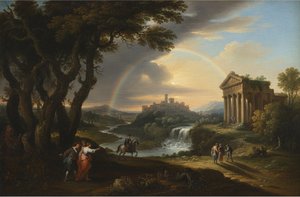
Shadow, Light, and Spectacle: The Dramatic Evolution of Baroque Landscape Painting
Explore the breathtaking drama of Baroque landscapes. Our expert guide delves into the interplay of light and shadow in 17th-century masterpieces. Discover art history and find museum-quality, hand-painted oil reproductions to bring classical grandeur to your home.

Drama in Nature: The Captivating Grandeur of Baroque Landscapes and the Art of Emotional Spectacle
Explore the breathtaking drama of Baroque landscapes. From Rubens's grand vistas to the mastery of chiaroscuro, discover how 17th-century artists transformed nature into a theatrical stage of emotion and light. A deep dive for true art enthusiasts.

Nature’s Sanctuary: Curating Enchanting Forest Artworks to Transform Your Home into a Serene Woodland Retreat
Transform your home into a serene woodland retreat with enchanting forest artworks. Discover museum-quality oil reproductions and custom landscape commissions designed to bring the peaceful beauty of nature indoors.

John Constable: 25 mistrovských děl krajinářské poezie | OriginalUniqueArt.com
Prozkoumejte 25 ikonických děl Johna Constabla, mistra anglického krajinářství a romantismu. Obdivujte jeho olejomalby, plátna s venkovskou atmosférou a inspirujte se pro dekoraci interiéru. Reprodukce obrazů nejvyšší kvality na OriginalUniqueArt.com
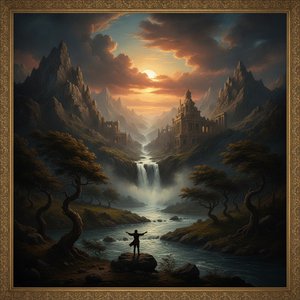
Epic Drama & Dark Vibes: The Ultimate Collector's Guide to Baroque Landscapes
Master the art of drama with our ultimate guide to Baroque landscapes. Discover the power of chiaroscuro, explore legendary masters, and learn how to curate epic, dark-vibe masterpieces for your collection with expert insights from OriginalUniqueArt.