

 Zobrazit v interiéru
 Odeslat
 Sdílet
 Podrobnosti
 Průvodce

 Stáhnout obrázek
 Podobné kousky
 Rentgenové snímky
 Slideshow
 Statistiky
Gethsemane
 Oil On Board
- Neo-Romanticism
 1926
1926- Modern
 42.0 x 32.0 cm
 Bergen Kunstmuseum
 Přečíst si více
Giclée / Umělecký tisk
Giclée nebo plátěný tisk muzeální kvality s rychlou výrobou a širokou nabídkou povrchových úprav. ( Objednat ručně malovanou reprodukci Přepnout na digitální verzi obrazu)




P118B Kč10

P118H Kč10

P118W Kč10

P438Z Kč10

P508JH Kč12

P508YH Kč12

P805H Kč10

P805Z Kč10

P919BZ Kč10

P919G Kč10

P919XJ Kč10

P959ZH Kč10

P968JZ Kč12

W106C Kč8

W218G Kč10

W218JH Kč8

W218Y Kč10

W307PJ Kč10

W316G Kč10

W316PJ Kč8

W316Y Kč10

W398PJ Kč8

W4111J Kč10

W500HY Kč15

W500JH Kč15

W692G Kč12

W849H Kč8

W940BG Kč15

W953PJ Kč8




Vyberte si z našich přednastavených velikostí, které odpovídají původním proporcím díla.

Zadejte šířku a výšku, které potřebujete pro váš rám nebo stěnu. Tisk lze pouze oříznout, nikdy však nelze zvětšit obraz nad jeho původní rozměr, proto při výběru jiného formátu dochází ke ztrátě části obrazu. Před samotným tiskem vám zašleme digitální náhled k schválení. Obraz zobrazený na této stránce nenabízí skutečný výřez — ten uvidíte pouze v náhledu.
Celosvětové doručení () do 2 týdnů namísto standardních 4/5 týdnů. (21 říjen)

Zdarma celosvětová expresní doprava

Vysoce kvalitní lněné plátno

Úplné pojištění přepravy

Záruka vrácení celního poplatku

Záruka věrného barevného shodu

100dení lhůta pro vrácení zboží (pouze při vadách výroby)

100% garance vrácení peněz

Sleva při více objednávkách
 Skleněná varianta je dostupná pouze u rozměrů menších než 110 cm

Gethsemane
Giclée / Umělecký tisk
Velikost reprodukce
-


Celková cena
Kč 1700
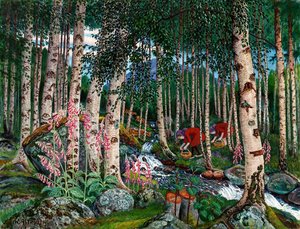
A Visionary Encounter in the Norwegian Garden
In the quiet, evocative depths of Nikolai Astrup’s 1926 masterpiece, Gethsemane, the boundaries between biblical history and the intimate landscapes of Norway begin to dissolve. While the title refers to the sacred garden in Jerusalem where Christ faced his darkest hour, Astrup performs a profound act of artistic localization. He transports this monumental moment of spiritual agony into the familiar, lush surroundings of the parsonage garden in Ålhus. This is not merely a religious illustration; it is a dreamlike fusion of the divine and the terrestrial. The viewer is invited into a space where the heavy atmosphere of the crucifixion narrative meets the verdant, mystical textures of the West Norwegian landscape, creating a scene that feels both ancient and deeply personal.
The composition breathes with a sense of quiet drama, capturing a moment of profound transition. As the eye wanders through the painting, one encounters a scene that oscillates between a somber historical event and a visionary hallucination. The presence of figures—some appearing caught in the weight of the narrative, others seemingly lost in a trance-like state—suggests a world where the veil between reality and the supernatural is perilously thin. This sense of mystery is heightened by the scattered birds that drift through the sky and perch upon the landscape, acting as silent witnesses to the unfolding drama. For the collector or designer, this piece offers more than just a subject; it offers an atmosphere of contemplative depth that can anchor a room with its soulful, introspective energy.
Technique and the Language of Light
Astrup’s technical mastery is evident in his use of oil on cardboard, a medium that allows for a rich, concentrated application of pigment. His style, rooted in Neo-Romanticism, eschews clinical realism in favor of an intense, emotive color palette. The textures are tactile and layered, reflecting the artist's lifelong obsession with the "visual language" of his homeland. He employs light not just to illuminate form, but to evoke mood; the shadows are deep and heavy, yet they are pierced by a spectral luminosity that suggests the presence of a divine vision. This interplay of light and shadow creates a rhythmic movement across the canvas, guiding the viewer through the dense foliage and toward the heart of the spiritual struggle.
The brushwork possesses a certain raw, organic vitality that mirrors the ruggedness of the Norwegian fjords. There is no sterile perfection here; instead, there is a deliberate, expressive quality that celebrates the natural world's untamed spirit. For those seeking to incorporate fine art into a sophisticated interior, a high-quality reproduction of Gethsemane provides a centerpiece of immense character. The painting’s ability to command attention through its complex textures and brooding tones makes it an ideal choice for spaces designed for reflection, such as libraries, study alcoves, or quiet sitting rooms where the interplay of history and nature can be fully appreciated.
A Legacy of Spiritual and National Identity
To understand Gethsemane is to understand Nikolai Astrup’s broader mission: to capture the very soul of Norway. By situating a universal Christian narrative within his own local topography, he elevates the Norwegian landscape to a stage for the eternal. This technique of "sacralizing" the everyday—turning a simple garden patch into a site of cosmic significance—is what makes his work so enduringly powerful. The painting serves as a bridge between the theological and the topographical, making the profound accessible through the familiar.
For the discerning art lover, owning a reproduction of this work is an opportunity to possess a fragment of this visionary legacy. It is a piece that invites continuous re-examination, revealing new layers of symbolism and emotion with every viewing. Whether one is drawn to its historical weight, its masterful use of color, or its ability to evoke the misty, magical atmosphere of a Norwegian night, Gethsemane remains a breathtaking testament to the power of art to transform the world we see into a world we feel.
Otázky a odpovědi
Patří dílo „Gethsemane“ od Nikolai Astrup do volného užití, a proč?
Autorskoprávní status díla „Gethsemane“ – patří do volného užití – autorská práva vypršela – vyplývá ze smrti umělce v roce 1928.
Jaká témata se objevují v díle „Gethsemane“ od Nikolai Astrup?
„Gethsemane“ od Nikolai Astrup zobrazuje: biblical scene, religious, jesus christ, gethsemane, norway landscape, night scene, visionary.
Jaké je historické postavení díla "Gethsemane"?
Z historického hlediska je „Gethsemane“ dílem stylů Neo-Romanticism, které patří do širší éry Modern.
Biografie umělce
Nikolai Astrup: Vize regionu Vestlandet
Nikolai Astrup (1880–1928) představuje singularní postavu v norské dějinách umění – malíř, jehož hluboké pouto k krajině a tradicím regionu Vestlandet mu zajistilo místo mezi nejvýraznějšími neoromantickými umělci své doby. Astrup pochází z Bremanger v oblasti Sogn og Fjordane; jeho dětství strávené mezi drsnými fjordy a klidnými údolími hluboce utkvistilo jeho uměleckou citlivost a vedlo ho k vytvoře stylu charakterizovanému intenzivní paletou barev a neochvějnému nasazení při zachycování každodenního života venkovské Norska. Jeho odkaz nespočívá pouze v esteticky krásných plátnech, ale také v jeho průkopnickém úsilí vytvořit „národní vizuální jazyk“, který by vyvolával tradice a folklór jeho vlasti.- Raný život a vzdělání: Astrupovy formativní roky byly poznamenány rodinnou pobožností, kterou do něj vžil jeho otec Christian Astrup, farní farář, jenž ho původně vedl k teologickým studiím. Přestože měl zpočátku sklon k duchovní dráze, vášeň pro kresbu a malbu ho nakonec přiměla opustit katedrální školu v Trondheimu ve prospěch uměleckého hledání v Kristianii (dnešní Oslo), kde si zdokonaloval své schopnosti pod vedením Harriet Backer.
- Pařížské vlivy: Krátký pobyt v Paříži Astrupa vystavil působivému rozmachu avantgardního hnutí, což mu umožnilo navázat vazby s kolegy umělci, jako byl Christian Krohg, a obohatit své chápání impresionistických technik. Toto období upevnilo jeho odhodlání k experimentování a rozšířilo jeho umělecké obzory.
- Návrat do Jølster a umělecký rozvoj: Po návratu do svého rodného domova v Jølster v roce 1902 Astrup založil domácnost se svou manželkou Engel Sunde, se kterou měl osm dětí. Ekonomické těžkosti jejich života podněcovaly jeho umělecký pud a motivovaly ho k úplnému ponoření se do zachycování svého okolí – krajiny, která mu sloužila jako nevyčerppaný zdroj inspirace.
- Významné výstavy: Astrupova umělecká reputace steadily rostla prostřednictvím tří významných výstav v Kristianii (1905), Bergenu (1908) a Oslo (1911). Tyto prezentace získaly uznání kritiků a ugruntovaly jeho postavení jako přední hlas norské umělecké scény.
- Hlavní úspěchy a odkaz: Trvalý přínos Astrupa k norskému umění spočívá v jeho neúprosném hledání umělecké autenticity – v závazku zobrazovat krásu a ducha Vestlandet s nekompromisní upřímností. Jeho malby stále rezonují i dnes jako mocné symboly národního dědictví, které ztělesňují ideály neoromantismu.
Nikolai Astrup
1880 - 1928 , Norsko
Rychlé informace
- Artistic Movement Or Style: Neo-romantismus
- Artists Or Movements Influenced By This Artist: ['Skandinávské umění']
- Artists Who Influenced This Artist: ['Christian Krohg']
- Date Of Birth: 1880
- Date Of Death: 1928
- Full Name: Nikolai Johannes Astrup
- Nationality: Norština
- Notable Artworks:
- Nenaleklivý nápadník
- Nahé stromy
- Dívka u předení
- Place Of Birth: Bremanger, Norsko
Související články

Johan Christian Dahl: Pioneering Norwegian Romantic Landscape Painting
Explore the life & art of Johan Christian Dahl, Norway's first great Romantic painter. Discover his iconic landscapes, cultural impact, and lasting legacy with OriginalUniqueArt.

Romantická krajina v malbě: 10 mistrovských děl, které definovaly umělecký proud | OriginalUniqueArt
Prozkoumejte 10 ikonických děl romantické krajinářské malby! Objevte příběhy Caspara Davida Friedricha, Turnera a dalších mistrů. Reprodukce obrazů nejvyšší kvality pro váš interiér na OriginalUniqueArt.com.

John Constable: 25 mistrovských děl krajinářské poezie | OriginalUniqueArt.com
Prozkoumejte 25 ikonických děl Johna Constabla, mistra anglického krajinářství a romantismu. Obdivujte jeho olejomalby, plátna s venkovskou atmosférou a inspirujte se pro dekoraci interiéru. Reprodukce obrazů nejvyšší kvality na OriginalUniqueArt.com

Evocations of Place: A Historical Journey Through Landscape Art
Explore the rich history of landscape art with OriginalUniqueArt. Discover renowned artists, movements like Impressionism & Romanticism, and expert guidance for collecting timeless pieces. Find your perfect serene escape today!

The Sublime and the Picturesque: Exploring Emotion & Nature in Romantic Landscape Painting
Explore the emotional power of Romantic landscape painting! Discover the sublime & picturesque traditions, key artists like Friedrich & Cole, and find your perfect artwork at OriginalUniqueArt.