
 Náhled v interiéru
 Sdílet
 Sdílet
 Podrobnosti o díle
 Průvodce

 Stáhnout
 Podobné položky
 Rentgenové snímky
 Slideshow
 Otázky a odpovědi
 Statistiky
The Idle Servant

- 70.0 x 53.0 cm


 Zobrazit více
Giclée / Umělecký tisk
Giclée nebo plátěný tisk muzeální kvality s rychlou výrobou a širokou nabídkou povrchových úprav. ( Koupit ručně malovaný obraz Přepnout na digitální obraz)




P118B Kč10

P118H Kč10

P118W Kč10

P438Z Kč10

P508JH Kč12

P508YH Kč12

P805H Kč10

P805Z Kč10

P919BZ Kč10

P919G Kč10

P919XJ Kč10

P959ZH Kč10

P968JZ Kč12

W106C Kč8

W218G Kč10

W218JH Kč8

W218Y Kč10

W307PJ Kč10

W316G Kč10

W316PJ Kč8

W316Y Kč10

W398PJ Kč8

W4111J Kč10

W500HY Kč15

W500JH Kč15

W692G Kč12

W849H Kč8

W940BG Kč15

W953PJ Kč8




Vyberte si z našich přednastavených velikostí, které odpovídají původním proporcím díla.

Zadejte šířku a výšku, které potřebujete pro váš rám nebo stěnu. Tisk lze pouze oříznout, nikdy však nelze zvětšit obraz nad jeho původní rozměr, proto při výběru jiného formátu dochází ke ztrátě části obrazu. Před samotným tiskem vám zašleme digitální náhled k schválení. Obraz zobrazený na této stránce nenabízí skutečný výřez — ten uvidíte pouze v náhledu.
Celosvětové doručení () do 2 týdnů namísto standardních 4/5 týdnů. (5 listopad)

Zdarma celosvětová expresní doprava

Vysoce kvalitní lněné plátno

Kompletní pojištění přepravy

Záruka vrácení celního poplatku

Záruka věrného barevného souladu

100dení lhůta pro vrácení zboží (pouze při vadách výroby)

100% záruka vrácení peněz

Sleva při více objednávkách
 Skleněná varianta je dostupná pouze u rozměrů menších než 110 cm

The Idle Servant
Giclée / Umělecký tisk
Rozměry reprodukce
-


Celková cena za vybrané možnosti reprodukcí
Kč 1767
A Moment Frozen in Dutch Light: Nicolaes Maes’s “The Idle Servant”
Nicolaes Maes's "The Idle Servant," painted in 1655, isn’t merely a depiction of two women enjoying a domestic moment; it’s a carefully constructed tableau brimming with subtle social commentary and the masterful use of light characteristic of the Dutch Golden Age. This intimate genre scene, now housed at the National Gallery in London (NG207), offers a captivating glimpse into the lives of a wealthy household, revealing both the comforts and the unspoken expectations of 17th-century Dutch society. The painting immediately draws the eye with its rich palette – deep reds, browns, and ochres dominate, punctuated by the warm glow emanating from an unseen fireplace, creating a sense of cozy domesticity that belies the underlying narrative.
Maes’s artistic lineage is inextricably linked to Rembrandt van Rijn. His apprenticeship under the master instilled within him a profound understanding of *chiaroscuro*, the dramatic interplay of light and shadow – a technique brilliantly employed here to sculpt form, define space, and draw attention to key elements. Notice how Maes uses pools of light to illuminate the seated woman’s face, highlighting her languid repose, while simultaneously shrouding the standing figure in a softer, more diffused glow. This masterful manipulation of light isn't simply aesthetic; it serves to subtly convey mood and character, hinting at the quiet resignation and perhaps even a touch of amusement present within the scene.
The Dance of Leisure and Duty
At first glance, “The Idle Servant” appears to be a simple portrayal of two women engaged in conversation. However, closer observation reveals a complex interplay of social dynamics. The woman standing, presumably the mistress of the house, is instructing or perhaps gently scolding the seated maid, who is lost in a drowsy reverie. This interaction isn’t overtly confrontational; rather, it's imbued with a quiet understanding – a recognition that even within the confines of domestic life, there are unspoken rules and expectations.
The scattered bowls, cups, and spoons surrounding the women aren’t merely props; they represent the labor involved in preparing a substantial meal. The maid’s slumber is a direct consequence of this effort, highlighting the contrast between leisure and duty – a central theme explored throughout the painting. Maes cleverly uses the arrangement of these objects to create depth and visual interest, drawing the viewer's eye into the heart of the scene. The placement of some bowls closer to the women suggests immediate needs, while others further away hint at the larger task at hand.
Symbolism and Social Commentary
Beyond its domestic setting, “The Idle Servant” offers a subtle critique of social hierarchies and gender roles. The maid’s apparent idleness is juxtaposed with the mistress's active role in overseeing the household – a reflection of the prevailing societal expectations for women during this period. The painting subtly suggests that while leisure was valued, it was always contingent upon fulfilling one’s duties within the home. The cat stealing a fowl further emphasizes this theme, representing a carefree disregard for responsibility.
Furthermore, the inclusion of the “doorkijkje” – a small window or opening in the background – is a deliberate artistic device employed by Maes and his contemporaries. This technique invites the viewer to step into another room, creating a sense of voyeurism and expanding the narrative beyond the immediate scene. It’s as if we are invited to observe a larger, unseen drama unfolding within the confines of the house.
A Masterpiece of Dutch Genre Painting
“The Idle Servant” stands as a testament to Nicolaes Maes's skill and artistry – a captivating example of Dutch Golden Age genre painting. Its masterful use of *chiaroscuro*, its nuanced portrayal of human interaction, and its subtle social commentary combine to create a work that is both visually stunning and intellectually stimulating. Reproductions by OriginalUniqueArt.com offer an exceptional opportunity to experience the beauty and depth of this remarkable painting, bringing its intimate world into your home with unparalleled fidelity.
Otázky a odpovědi
Jakou náladu a emoci vyjadřuje „The Idle Servant“ od Nicolaes Maes?
V díle "The Idle Servant" doprovází Calm náladu Reflective emoce.
Jak se v díle "The Idle Servant" propojují médium a pohyb?
„The Idle Servant“ je dílo v technice Oil On Panel v rámci stylu Dutch Golden Age.
Do které fáze kariéry Nicolaes Maes patří dílo „The Idle Servant“ (1655)?
„The Idle Servant“, vytvořené v roce 1655, pochází z období Early/Mid Career tvorby umělce Nicolaes Maes.
Biografie umělce
Nicolaes Maes: A Dutch Master of Light and Domestic Life
Nicolaes Maes, a name that resonates with quiet elegance within the realm of Dutch Golden Age painting, was born in Dordrecht in January 1634. His life unfolded against the backdrop of a prosperous merchant city, a place brimming with artistic energy and fueled by burgeoning trade. His father, Gerrit Maes, a successful cloth merchant and soap boiler, provided a stable upbringing, affording young Nicolaes the opportunity to cultivate his nascent talent for painting – a gift that would ultimately define his career. While initial instruction came from a local artist of modest renown, it was his journey to Amsterdam around 1648 and his subsequent apprenticeship under the legendary Rembrandt van Rijn that truly shaped his artistic destiny. This formative period instilled within him an enduring appreciation for the dramatic interplay of light and shadow – *chiaroscuro* – and a masterful command of color, elements that would become hallmarks of his distinctive style. Early works, often mistakenly attributed to Rembrandt due to their scale and luminous hues, served as a testament to this profound influence.From Rembrandt’s Shadow to Independent Vision
Upon returning to Dordrecht in 1654, Maes embarked on a deliberate path toward establishing his own artistic identity, gradually distancing himself from direct imitation of his former master. This transition marked the beginning of a fascinating evolution within his oeuvre. The subsequent decade witnessed a shift towards smaller-scale domestic genre scenes – intimate portrayals of everyday life that offered a glimpse into the lives of ordinary Dutch citizens. Yet, even in these seemingly simple depictions, Maes retained the vibrant colorism he had absorbed during his time with Rembrandt, infusing each scene with warmth and emotional resonance. A particular fascination emerged with the intricate art of lacemaking, inspiring numerous variations on this theme – delicate tapestries woven with threads of skill, patience, and quiet beauty. These paintings weren’t merely representations of daily tasks; they were imbued with a sense of narrative, capturing not just *what* people did but also *how* they felt while engaged in these commonplace activities. Maes possessed an extraordinary ability to imbue even the most mundane subjects with dignity and grace, elevating them to the level of artful observation.The Rise of the Portraitist – Amsterdam’s New Star
Around 1673, Nicolaes Maes made a pivotal decision: he relocated to Amsterdam, a move that signaled both artistic ambition and astute adaptation to the evolving landscape of the Dutch art market. The city, still recovering from the ravages of war with England and France, presented a burgeoning demand for portraits – a lucrative field ripe for exploitation. Maes swiftly established himself as one of its leading practitioners, abandoning much of his earlier genre work in favor of capturing the likenesses and personalities of Amsterdam’s prominent citizens. His portraits are characterized by a refined elegance and psychological insight; they reveal not only physical resemblance but also subtle hints of character and social standing. Works such as “Portrait of Gerard Röver, Merchant and Shipowner in Amsterdam” exemplify this skill, presenting a dignified portrayal of wealth and civic pride – a testament to Maes’s ability to capture the essence of his subjects. He became adept at conveying status through carefully chosen details: the quality of fabrics, the cut of clothing, the confident posture of his sitters – all meticulously rendered to create an impression of both power and refinement.A Shift in Style and a Lasting Legacy
As Maes matured as an artist, his style underwent a subtle but significant transformation. While retaining his meticulous attention to detail and vibrant color palette, he began to favor a cooler, more subdued aesthetic – utilizing grays and blacks for shadows rather than the warmer browns of his earlier works. This shift reflected not only changes in artistic trends but also a growing awareness of the evolving demands of the market. Despite this stylistic evolution, Maes’s core strengths remained intact: his ability to capture the nuances of human emotion, his mastery of light and shadow, and his profound understanding of composition. Nicolaes Maes passed away in Amsterdam in December 1693, leaving behind a substantial body of work that continues to captivate audiences today. His paintings offer invaluable insights into the social customs, domestic interiors, and psychological complexities of the Dutch Golden Age – a testament to his artistic vision and enduring legacy.Key Characteristics of His Work
- Rembrandtian Influence: Early works demonstrate a strong influence from Rembrandt van Rijn, particularly in the use of *chiaroscuro* and rich color palettes.
- Genre Scenes: Maes is renowned for his intimate depictions of everyday life, focusing on domestic interiors and activities like spinning, reading, and lacemaking.
- Portraiture Mastery: He became a leading portrait painter in Amsterdam, known for capturing the likeness and character of his sitters with precision and elegance.
- Detailed Observation: His paintings are characterized by meticulous attention to detail, particularly in rendering textures, fabrics, and facial expressions.
- Psychological Insight: Maes possessed a remarkable ability to convey the inner lives and emotions of his subjects through subtle gestures and expressions.
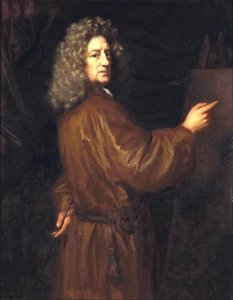
Nicolaes Maes
1634 - 1693 , Nizozemsko
Rychlé informace o umělci
- Artistic Movement Or Style: Baroko
- Artists Or Movements Influenced By This Artist: ['Houbraken']
- Artists Who Influenced This Artist: ['Rembrandt van Rijn']
- Date Of Birth: Dordrecht, Nizozemsko (1634)
- Date Of Death: Prosinec 1693
- Full Name: Nicolaes Maes
- Nationality: Nizozemský
- Notable Artworks:
- Kristus požehnává děti
- Žena přenáší dítě
- Zmrtvělí muž
- Place Of Birth: Dordrecht
Související články
Nicolaes Berchem: Dutch Golden Age Pastoralism & the Evolution of Landscape Painting
Explore the captivating world of Nicolaes Berchem, a leading Dutch Golden Age painter. Discover his idyllic landscapes, masterful technique & lasting influence on art history. Learn more at OriginalUniqueArt.

Zlatý věk nizozemského malířství: 10 mistrovských děl pro váš domov | OriginalUniqueArt.com
Prozkoumejte 10 ikonických děl nizozemského zlatého věku – Rembrandt, Vermeer a další mistři. Objevte příběhy za obrazy, techniky a inspiraci pro váš interiér s reprodukcemi nejvyšší kvality na OriginalUniqueArt.com.

Golden Age Reflections: Dutch Baroque Painting & Cultural Innovation
Explore the Dutch Golden Age of painting! Discover key artists like Vermeer & ter Borch, their innovative techniques, and the rich cultural context behind these Baroque masterpieces. Learn about collecting & appreciating this iconic art period.

Mastering Light & Shadow: A Journey Through the Dutch Golden Age's Luminous Legacy
Embark on a cultural journey through the Dutch Golden Age. Explore the masterful interplay of light and shadow in 17th-century masterpieces, from Rembrandt to Vermeer, and discover how this era of profound realism continues to inspire fine art collectors today.

Golden Light & Dutch Skies: The Timeless Magic of Dutch Golden Age Landscapes
Discover the breathtaking beauty of Dutch Golden Age landscapes. Explore the mastery of light, chiaroscuro, and 17th-century realism through an expert art history lens, celebrating the enduring legacy of the Dutch Masters for discerning collectors and art lovers.
