

 Zobrazit v interiéru
 Odeslat
 Sdílet
 Podrobnosti
 Průvodce

 Stáhnout obrázek
 Podobné kousky
 Rentgenové snímky
 Slideshow
 Statistiky
Admiral Jacob Binkes
 Oil On Canvas
- WallArt
- Dutch Golden Age
 1676
1676 44.0 x 33.0 cm
 Metropolitní muzeum umění
 Přečíst si více
Giclée / Umělecký tisk
Giclée nebo plátěný tisk muzeální kvality s rychlou výrobou a širokou nabídkou povrchových úprav. ( Objednat ručně malovanou reprodukci Přepnout na digitální verzi obrazu)




P118B $10

P118H $10

P118W $10

P438Z $10

P508JH $12

P508YH $12

P805H $10

P805Z $10

P919BZ $10

P919G $10

P919XJ $10

P959ZH $10

P968JZ $12

W106C $8

W218G $10

W218JH $8

W218Y $10

W307PJ $10

W316G $10

W316PJ $8

W316Y $10

W398PJ $8

W4111J $10

W500HY $15

W500JH $15

W692G $12

W849H $8

W940BG $15

W953PJ $8




Vyberte si z našich přednastavených velikostí, které odpovídají původním proporcím díla.

Můžete zadat vlastní rozměry tak, aby výtvor odpovídal konkrétnímu rámu nebo prostoru. Pokud zvolená velikost nebude odpovídat poměru stran původního obrazu, dílo buď ořížeme, nebo obraz rozšíříme pomocí zrcadlového efektu či jednobarevného okraje. Před zahájením výroby vám bude zaslán digitální náhled k schválení.
Mějte prosím na paměti, že náhled na obrazovce neodráží skutečné oříznutí nebo rozšíření. Pouze digitální náhled přesně zobrazí finální kompozici.
Ačkoliv jsou k dispozici i vlastní rozměry, pro zachování původních proporcí doporučujeme vybrat si rozměr z předdefinovaného seznamu.
Celosvětové doručení () do 2 týdnů namísto standardních 4/5 týdnů. (25 září)

Zdarma celosvětová expresní doprava

Vysoce kvalitní lněné plátno

Úplné pojištění přepravy

Záruka vrácení celního poplatku

Záruka věrného barevného shodu

100dení lhůta pro vrácení zboží (pouze při vadách výroby)

100% garance vrácení peněz

Sleva při více objednávkách
 Skleněná varianta je dostupná pouze u rozměrů menších než 110 cm

Admiral Jacob Binkes
Giclée / Umělecký tisk
Velikost reprodukce
-


Celková cena
$ 80
A Portrait of Command and Courtship: Nicolaes Maes’s Admiral Jacob Binkes
Nicolaes Maes's "Admiral Jacob Binkes," painted in 1676, is more than a simple portrait; it’s a meticulously crafted tableau of Dutch Golden Age society, brimming with subtle symbolism and reflecting the ambitions of a rising naval officer. The painting captures a man poised between duty and domesticity – Admiral Jacob Binkes, a figure of considerable renown within the Dutch East India Company, stands alongside his betrothed, Ingena Rotterdam, creating an intimate yet formally structured scene that speaks volumes about their impending union.
The composition immediately draws the eye to Binkes himself. Dressed in the rich, dark fabrics and elaborate embellishments characteristic of a high-ranking naval officer – a black coat trimmed with silver, a crisp white collar, and a chain signifying his rank – he exudes an air of authority tempered by a dignified composure. His posture is upright, his gaze direct, conveying both confidence and a hint of reserved formality. The inclusion of the book in his hand suggests intellectual pursuits alongside his military responsibilities, while the small object held delicately between his fingers—likely a ring or seal—hints at his status and connections.
The Language of Light and Shadow: Maes’s Technique
Maes was renowned for his masterful manipulation of light and shadow, a technique deeply rooted in the influence of Rembrandt van Rijn. Observe how he employs *chiaroscuro* to sculpt Binkes's form, creating dramatic contrasts that highlight his features and imbue the scene with depth and atmosphere. The dark background serves not as mere backdrop but actively contributes to the portrait’s overall impact, drawing attention to the figures within and lending a sense of gravitas to their presentation. The subtle gradations of light across Binkes's face and hands are particularly noteworthy – they aren’t merely illuminating his features; they’re revealing character, conveying a quiet intensity.
Furthermore, Maes’s attention to detail is remarkable. The intricate embroidery on the coat, the delicate rendering of the jewelry, and the meticulously painted textures all demonstrate a painstaking level of craftsmanship. The frame itself—a baroque extravagance adorned with cherubs, lions, and swirling scrollwork—is not merely decorative; it elevates the portrait to a work of art in its own right, reflecting the opulent tastes of the period.
Symbolism and Social Context
Beyond the individual portraits, “Admiral Jacob Binkes” offers a glimpse into the social dynamics of 17th-century Holland. The pairing of a naval officer with his betrothed speaks to the importance of marriage alliances in securing wealth and influence within the burgeoning mercantile society. The inclusion of Ingena Rotterdam, rendered in a slightly softer light, suggests her role as a symbol of domestic stability and future prosperity for Binkes’s career.
The presence of mythological figures within the frame—cherubs representing innocence and divine grace, lions symbolizing strength and courage—further reinforces this symbolic narrative. These elements align with the prevailing artistic conventions of the Dutch Golden Age, where portraits were often imbued with allegorical meaning, reflecting both the subject’s virtues and their place within a broader social and cultural framework.
A Window into a Lost Era
“Admiral Jacob Binkes” is more than just a portrait; it's a meticulously preserved moment in time. Through Maes’s skillful brushwork and astute observation, we gain access to the world of Dutch naval command, courtly courtship, and the intricate social codes of the 17th century. The painting’s enduring appeal lies not only in its technical brilliance but also in its ability to evoke a sense of intimacy and historical resonance—a reminder of a bygone era when art served as both a reflection of identity and a testament to ambition.
Biografie umělce
Nicolaes Maes: A Dutch Master of Light and Domestic Life
Nicolaes Maes, a name that resonates with quiet elegance within the realm of Dutch Golden Age painting, was born in Dordrecht in January 1634. His life unfolded against the backdrop of a prosperous merchant city, a place brimming with artistic energy and fueled by burgeoning trade. His father, Gerrit Maes, a successful cloth merchant and soap boiler, provided a stable upbringing, affording young Nicolaes the opportunity to cultivate his nascent talent for painting – a gift that would ultimately define his career. While initial instruction came from a local artist of modest renown, it was his journey to Amsterdam around 1648 and his subsequent apprenticeship under the legendary Rembrandt van Rijn that truly shaped his artistic destiny. This formative period instilled within him an enduring appreciation for the dramatic interplay of light and shadow – *chiaroscuro* – and a masterful command of color, elements that would become hallmarks of his distinctive style. Early works, often mistakenly attributed to Rembrandt due to their scale and luminous hues, served as a testament to this profound influence.From Rembrandt’s Shadow to Independent Vision
Upon returning to Dordrecht in 1654, Maes embarked on a deliberate path toward establishing his own artistic identity, gradually distancing himself from direct imitation of his former master. This transition marked the beginning of a fascinating evolution within his oeuvre. The subsequent decade witnessed a shift towards smaller-scale domestic genre scenes – intimate portrayals of everyday life that offered a glimpse into the lives of ordinary Dutch citizens. Yet, even in these seemingly simple depictions, Maes retained the vibrant colorism he had absorbed during his time with Rembrandt, infusing each scene with warmth and emotional resonance. A particular fascination emerged with the intricate art of lacemaking, inspiring numerous variations on this theme – delicate tapestries woven with threads of skill, patience, and quiet beauty. These paintings weren’t merely representations of daily tasks; they were imbued with a sense of narrative, capturing not just *what* people did but also *how* they felt while engaged in these commonplace activities. Maes possessed an extraordinary ability to imbue even the most mundane subjects with dignity and grace, elevating them to the level of artful observation.The Rise of the Portraitist – Amsterdam’s New Star
Around 1673, Nicolaes Maes made a pivotal decision: he relocated to Amsterdam, a move that signaled both artistic ambition and astute adaptation to the evolving landscape of the Dutch art market. The city, still recovering from the ravages of war with England and France, presented a burgeoning demand for portraits – a lucrative field ripe for exploitation. Maes swiftly established himself as one of its leading practitioners, abandoning much of his earlier genre work in favor of capturing the likenesses and personalities of Amsterdam’s prominent citizens. His portraits are characterized by a refined elegance and psychological insight; they reveal not only physical resemblance but also subtle hints of character and social standing. Works such as “Portrait of Gerard Röver, Merchant and Shipowner in Amsterdam” exemplify this skill, presenting a dignified portrayal of wealth and civic pride – a testament to Maes’s ability to capture the essence of his subjects. He became adept at conveying status through carefully chosen details: the quality of fabrics, the cut of clothing, the confident posture of his sitters – all meticulously rendered to create an impression of both power and refinement.A Shift in Style and a Lasting Legacy
As Maes matured as an artist, his style underwent a subtle but significant transformation. While retaining his meticulous attention to detail and vibrant color palette, he began to favor a cooler, more subdued aesthetic – utilizing grays and blacks for shadows rather than the warmer browns of his earlier works. This shift reflected not only changes in artistic trends but also a growing awareness of the evolving demands of the market. Despite this stylistic evolution, Maes’s core strengths remained intact: his ability to capture the nuances of human emotion, his mastery of light and shadow, and his profound understanding of composition. Nicolaes Maes passed away in Amsterdam in December 1693, leaving behind a substantial body of work that continues to captivate audiences today. His paintings offer invaluable insights into the social customs, domestic interiors, and psychological complexities of the Dutch Golden Age – a testament to his artistic vision and enduring legacy.Key Characteristics of His Work
- Rembrandtian Influence: Early works demonstrate a strong influence from Rembrandt van Rijn, particularly in the use of *chiaroscuro* and rich color palettes.
- Genre Scenes: Maes is renowned for his intimate depictions of everyday life, focusing on domestic interiors and activities like spinning, reading, and lacemaking.
- Portraiture Mastery: He became a leading portrait painter in Amsterdam, known for capturing the likeness and character of his sitters with precision and elegance.
- Detailed Observation: His paintings are characterized by meticulous attention to detail, particularly in rendering textures, fabrics, and facial expressions.
- Psychological Insight: Maes possessed a remarkable ability to convey the inner lives and emotions of his subjects through subtle gestures and expressions.
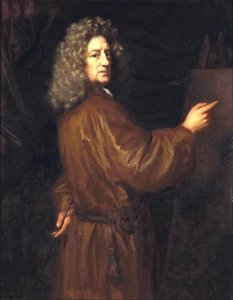
Nicolaes Maes
1634 - 1693 , Nizozemsko
Rychlé informace
- Artistic Movement Or Style: Baroko
- Artists Or Movements Influenced By This Artist: ['Houbraken']
- Artists Who Influenced This Artist: ['Rembrandt van Rijn']
- Date Of Birth: Dordrecht, Nizozemsko (1634)
- Date Of Death: Prosinec 1693
- Full Name: Nicolaes Maes
- Nationality: Nizozemský
- Notable Artworks:
- Kristus požehnává děti
- Žena přenáší dítě
- Zmrtvělí muž
- Place Of Birth: Dordrecht
Související články

Golden Age Reflections: Dutch Baroque Painting & Cultural Innovation
Explore the Dutch Golden Age of painting! Discover key artists like Vermeer & ter Borch, their innovative techniques, and the rich cultural context behind these Baroque masterpieces. Learn about collecting & appreciating this iconic art period.

Mastering Light & Shadow: A Journey Through the Dutch Golden Age's Luminous Legacy
Embark on a cultural journey through the Dutch Golden Age. Explore the masterful interplay of light and shadow in 17th-century masterpieces, from Rembrandt to Vermeer, and discover how this era of profound realism continues to inspire fine art collectors today.

Zlatý věk nizozemského malířství: 10 mistrovských děl pro váš domov | OriginalUniqueArt.com
Prozkoumejte 10 ikonických děl nizozemského zlatého věku – Rembrandt, Vermeer a další mistři. Objevte příběhy za obrazy, techniky a inspiraci pro váš interiér s reprodukcemi nejvyšší kvality na OriginalUniqueArt.com.
Nicolaes Berchem: Dutch Golden Age Pastoralism & the Evolution of Landscape Painting
Explore the captivating world of Nicolaes Berchem, a leading Dutch Golden Age painter. Discover his idyllic landscapes, masterful technique & lasting influence on art history. Learn more at OriginalUniqueArt.

Golden Light & Dutch Skies: The Timeless Magic of Dutch Golden Age Landscapes
Discover the breathtaking beauty of Dutch Golden Age landscapes. Explore the mastery of light, chiaroscuro, and 17th-century realism through an expert art history lens, celebrating the enduring legacy of the Dutch Masters for discerning collectors and art lovers.
