

 Sdílet
 Sdílet
 Podrobnosti o díle

 Stáhnout
 Podobné položky
 Slideshow
Filippo Strozzi


 Zobrazit více
Ručně malovaná olejová reprodukce
Ručně malovaná olejná barva na plátně ve vašem zvoleném rozměru i s rámem, vyrobená našimi umělci na zakázku. ( Koupit tisk Koupit obrázek)




































Vyberte si z našich přednastavených velikostí, které odpovídají původním proporcím díla.

Můžete zadat vlastní rozměry pro konkrétní rám nebo prostor. Pokud se vámi vybraná velikost neshoduje s proporcemi původního obrazu, dílo buď ořízneme, nebo jej doplníme ručně malovanými prvky. Před zahájením výroby vám bude zaslán digitální náhled ke schválení.
Upozorňujeme, že náhled na obrazovce neodpovídá skutečnému ořezu ani rozšíření. Pouze digitální náhled přesně zobrazí finální kompozici.
Ačkoliv je možné zvolit vlastní velikost, pro zachování původních proporcí doporučujeme vybrat rozměr z předdefinovaného seznamu.
Po přijetí objednávky vám tým OriginalUniqueArt.com zašle e-mail s pokyny a poskytne náhledovou verzi.
Celosvětová doprava () za 3–4 týdny namísto standardních 5 týdnů. (29 srpen). Bez kompromisů v kvalitě.

Zdarma celosvětová expresní doprava

Vysoce kvalitní lněné plátno

Kompletní přepravní pojištění

Záruka vrácení celního poplatku

Záruka přesného barevného shodu

60denní lhůta pro vrácení zboží (pouze při vadách výroby)

100% garance vrácení peněz

Sleva při hromadné objednávce
 Skleněná varianta je dostupná pouze u rozměrů menších než 110 cm

Filippo Strozzi
Technika reprodukce
Rozměry reprodukce
-


Celková cena za výběr
$ 300
A Glimpse into Renaissance Legacy
In the quiet intimacy of a single bronze coin, we encounter a profound fragment of history that transcends its diminutive scale. This exquisite piece, dating back to 1489, serves as a tactile window into the Florentine Renaissance, capturing the likeness of Filippo Strozzi with an arresting clarity. The portrait, rendered through the meticulous medium of struck metal, presents a man of significant presence; his face, framed by a dignified beard and draped in the heavy, textured robes of his era, speaks to a life of influence and intellectual weight. As light dances across the aged bronze, the deep shadows and raised relief create a dramatic interplay that pulls the viewer into a direct, silent dialogue with a figure from a bygone age.
The artistry found within this commemorative object reflects the masterful precision characteristic of the late fifteenth century. While the coin itself is a product of metallurgical skill, its soul is deeply connected to the humanist spirit of the time—a period where the individual's identity and legacy were celebrated with newfound fervor. The stark, black backdrop of the presentation emphasizes every fine line and weathered detail of the metal, allowing the Latin inscriptions to emerge like whispers from the past. For the discerning collector or interior designer, such a piece represents more than mere antiquity; it is a concentrated essence of Florentine prestige, offering a sense of historical gravity that can anchor a sophisticated space.
Symbolism and the Weight of History
Beyond its physical form, the coin functions as a powerful symbol of permanence and the enduring nature of human legacy. The choice of bronze—a material synonymous with strength and longevity—mirrors the intended immortality of the subject, Filippo Strozzi. Every strike of the die was an intentional act of preservation, ensuring that the features and name of this Florentine figure would survive the erosion of centuries. There is a profound emotional resonance in holding or viewing such an object; it evokes a sense of connection to the lineage of great thinkers and merchants who shaped the foundations of modern Europe.
For those looking to integrate art into a curated environment, this piece offers a unique opportunity to introduce themes of heritage and classical elegance. Whether displayed as part of a collection of numismatic treasures or used as an inspiration for larger-scale reproductions in a study or library, the coin’s presence is unmistakable. It invites contemplation on the passage of time and the remarkable ability of art to freeze a moment of human dignity within the cold, unyielding embrace of metal, making it an incomparable focal point for any connoisseur of the Renaissance.
Biografie umělce
The Florentine Soul in Bronze and Brush
Niccolò di Forzore Spinelli, often remembered by the evocative moniker Niccolò Fiorentino, was a master whose hands bridged the gap between the delicate precision of a medalist and the grand vision of a Renaissance painter. Born in the vibrant heart of Florence around 1430, his life unfolded during one of history's most transformative intellectual awakenings. To understand Spinelli is to understand the very pulse of the Quattrocento—a period where the rediscovery of classical antiquity breathed new life into the artistic traditions of Italy. His early years were shaped by the rigorous atmosphere of the Florentine workshops, most notably through his apprenticeship in the studio of Andrea del Verrocchio. This formative connection was instrumental; it provided him with a foundational mastery of anatomy and a meticulous eye for detail that would later define his ability to capture the human essence in both metal and pigment.
As his career matured, Spinelli’s artistry became a tapestry woven from the influences of the greatest minds of his age. His journey through the Florentine landscape brought him into the orbit of luminaries such as Piero della Francesca and Andrea Mantegna. From these masters, he absorbed the sophisticated use of linear perspective and the dramatic interplay of chiaroscuro, techniques that allowed him to create a sense of profound depth and three-dimensional reality. This technical prowess was not merely for show; it served a higher humanist purpose. Whether he was striking a bronze medal or composing an altarpiece, Spinelli sought to capture the psychological weight of his subjects, imbuing them with a dignity that reflected the burgeoning importance of individual identity in Renaissance thought.
A Legacy of Portraiture and Devotion
The breadth of Spinelli’s repertoire is nothing short of extraordinary, spanning the intimate scale of commemorative coinage to the monumental presence of religious altarpieces. He was a celebrated medalist, an artist capable of distilling a person's entire character into the small, tactile surface of a bronze disc. His works, such as the striking portrait of Filippo Strozzi, serve as enduring windows into the past. In these miniature masterpieces, one can observe the heavy texture of period robes and the dignified features of the Florentine elite, rendered with an arresting clarity that makes the subject feel almost tangible across the centuries.
Beyond the intimate realm of portraiture, Spinelli’s reputation flourished in the religious centers of Siena. His ability to marry humanist naturalism with profound spiritual devotion made him a preferred choice for wealthy patrons seeking to honor the divine. His contributions to Sienese churches, including significant works for the Madonna della Scala chapel, demonstrate his skill in creating harmonious compositions that guided the viewer's eye toward moments of intense religious fervor. In these larger works, the grace of figures like Mary Magdalene is presented with a masterful touch, blending the physical beauty of the human form with the ethereal light of the sacred.
The historical significance of Niccolò di Forzore Spinelli lies in his role as a versatile conduit for the Renaissance spirit. His life’s work represents a seamless integration of several key artistic pillars:
- Technical Versatility: The rare ability to master both the metallurgical precision of medal-making and the expansive storytelling of large-scale painting.
- Humanist Realism: A dedication to capturing the psychological depth and physical accuracy of his subjects, from powerful statesmen like Lorenzo de' Medici to religious icons.
- Cultural Bridge: Acting as a vital artistic link between the established traditions of Florence and the evolving aesthetic demands of Siena.
By the time of his death in Florence in 1514, Spinelli had left behind an indelible mark on the Italian Renaissance. His works remain not just as relics of a bygone era, but as profound testaments to a period when art sought to capture the eternal within the ephemeral, and where the strike of a hammer on bronze could echo the heartbeat of history itself.

Rychlé fakta
- Artistic Movement Or Style: Renaissance Art
- Artists Or Movements Influenced By This Artist: ['Leonardo da Vinci']
- Artists Who Influenced This Artist: ['Andrea Mantegna']
- Date Of Birth: 1430
- Full Name: Niccolò di Forzore Spinelli
- Nationality: Italian
- Notable Artworks: ["Lorenzo de' Medici Portrait"]
- Place Of Birth: Firenze
Související články

The Enduring Legacy of Bronze: A Historical & Artistic Exploration for the Collector
Explore the rich history & enduring appeal of bronze sculpture with expert insights for collectors at OriginalUniqueArt. Learn about casting techniques, iconic artists, collecting tips & contemporary interpretations.

10 legendárních bronzových mistrovských děl, která změnila umění | OriginalUniqueArt
Objevte 10 legendárních bronzových mistrovských děl od Rodina, Donatella a dalších. Ponořte se do historie umění a nechte se inspirovat nadčasovými sochařskými replikami pro váš interiér. Prozkoumejte celou kolekci online na OriginalUniqueArt.com!

The Eternal Glow of Bronze: A Guide to Sculpting with Light, Strength, and Timeless Artistry
Explore the profound beauty of bronze sculpture. From the ancient lost-wax technique to the interplay of light and patina, discover how this enduring alloy captures human emotion and history through masterful artistry and strength.

Timeless Strength: The Ultimate Guide to Bronze Art and Sculpture for the Discerning Collector
Discover the enduring elegance of bronze sculpture. Our expert guide explores lost-wax casting, patina mastery, and professional tips for collecting and commissioning museum-quality bronze art to create a lasting legacy in your private collection.
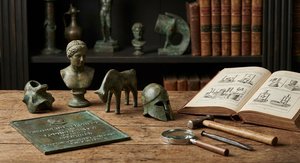
The Enduring Legacy of Bronze: History, Technique & Artistic Expression for the Collector
Explore the rich history & enduring appeal of bronze sculpture with expert insights for collectors at OriginalUniqueArt. Learn about casting techniques, iconic artists, and collecting tips.

