

 Zobrazit v interiéru
 Odeslat
 Sdílet
 Podrobnosti
 Průvodce

 Stáhnout obrázek
 Podobné kousky
 Rentgenové snímky
 Slideshow
 Statistiky
Third class carriage C8f 557


 Přečíst si více
Ručně malovaná olejová reprodukce
Ručně malované olejné plátno v libovolném rozměru i s rámem, vyrobené našimi umělci na zakázku. ( Přepnout na tiskové verze Přepnout na digitální verzi obrazu)




































Vyberte si z našich přednastavených velikostí, které odpovídají původním proporcím díla.

Můžete zadat vlastní rozměry pro konkrétní rám nebo prostor. Pokud se vámi vybraná velikost neshoduje s proporcemi původního obrazu, dílo buď ořízneme, nebo jej doplníme ručně malovanými prvky. Před zahájením výroby vám bude zaslán digitální náhled ke schválení.
Upozorňujeme, že náhled na obrazovce neodpovídá skutečnému ořezu ani rozšíření. Pouze digitální náhled přesně zobrazí finální kompozici.
Ačkoliv je možné zvolit vlastní velikost, pro zachování původních proporcí doporučujeme vybrat rozměr z předdefinovaného seznamu.
Po přijetí objednávky vám tým OriginalUniqueArt.com zašle e-mail s pokyny a poskytne náhledovou verzi.
Celosvětová doprava () za 3–4 týdny namísto standardních 5 týdnů. (26 září). Bez kompromisů v kvalitě.

Zdarma celosvětová expresní doprava

Vysoce kvalitní lněné plátno

Úplné pojištění přepravy

Záruka vrácení celního poplatku

Záruka věrného barevného shodu

100dení lhůta pro vrácení zboží (pouze při vadách výroby)

100% garance vrácení peněz

Sleva při více objednávkách
 Skleněná varianta je dostupná pouze u rozměrů menších než 110 cm

Third class carriage C8f 557
Technika provedení
Velikost reprodukce
-


Celková cena
$ 300
Biografie umělce
Nicaise et Delcuve: Forging Industrial Elegance in the Heart of Belgium
The story of Nicaise et Delcuve is inextricably linked to the industrial heartland of La Louvière, Belgium – a region renowned for its metalworking prowess and burgeoning engineering capabilities during the 19th and early 20th centuries. More than simply a manufacturing firm, Nicaise et Delcuve represented a pivotal moment in Belgian industrial design, bridging the gap between traditional craftsmanship and the demands of a rapidly modernizing world. Their legacy isn’t found solely in their finished products – locomotives, rolling stock, bridges, and even intricate carriage components – but also in the innovative spirit they embodied and the significant role they played within the broader European engineering landscape.
The company's origins trace back to 1867 with the partnership of Nicaise and Delcuve, initially a modest operation focused on supplying metalwork for various industries. However, recognizing the potential for greater scale and specialization, they quickly established themselves as a key player within the Trust Métallurgique Belge-Français – a powerful conglomerate that aimed to consolidate Belgium’s burgeoning industrial sector. This association provided access to capital, resources, and crucially, a strategic location in La Louvière, a city already deeply embedded in the region's metalworking tradition. The early years were marked by a dedication to quality and precision, reflecting the meticulous standards of Belgian craftsmanship – a foundation that would underpin their future successes.
A Fusion of Craftsmanship and Innovation
Nicaise et Delcuve’s success wasn’t simply about replicating existing designs; it was about adapting and innovating. The company quickly gained recognition for its ability to produce complex, high-quality components for a diverse range of applications. Their work on railway carriages, particularly the third-class carriage C8f 557 (now meticulously preserved at Google Arts & Culture), exemplifies this blend of traditional techniques and modern engineering. This particular piece showcases an impressive level of detail – from the elegantly curved panels to the intricate tooling marks – demonstrating a deep understanding of both aesthetics and structural integrity.
The company’s engineers were not merely technicians; they possessed a keen eye for design and a commitment to pushing the boundaries of what was possible. They embraced new technologies, including advancements in metallurgy and machining, while retaining a respect for the skills of their workforce. This approach resulted in designs that were both functional and visually appealing – a hallmark of Belgian industrial art during this period.
Expanding Horizons: From Locomotives to Rolling Stock
As Nicaise et Delcuve matured, its scope expanded dramatically. The company’s expertise quickly translated into the production of complete locomotives for European markets, including collaborations with Anglo-Franco-Belge and ultimately, Bombardier Transportation. This marked a significant shift from supplying individual components to becoming a major player in the broader railway industry. Their involvement in the construction of rolling stock – passenger cars, freight wagons, and even specialized vehicles – solidified their reputation as a versatile and reliable engineering partner.
Furthermore, Nicaise et Delcuve’s capabilities extended beyond railways. They undertook significant contracts for bridges, locks, and sluice gates, demonstrating their adaptability to diverse infrastructural projects. Their work on the La Brugeoise et Nivelles project – a merger that further strengthened their position within the Belgian industrial landscape – showcased their ability to integrate multiple engineering disciplines seamlessly.
A Legacy of Industrial Heritage
The story of Nicaise et Delcuve ultimately reflects the broader evolution of Belgium’s industrial sector. Absorbed into Ateliers de Construction du Nord de la France and later Bombardier Transportation, the company's legacy continues to resonate today. While the original factory in La Louvière closed in 2000, its impact on Belgian engineering remains profound. The preserved third-class carriage C8f 557 stands as a tangible reminder of Nicaise et Delcuve’s commitment to quality, innovation, and the enduring spirit of Belgian craftsmanship – a testament to a company that helped shape the industrial landscape of Europe.
The influence of Nicaise et Delcuve extends beyond its immediate products. The techniques and design philosophies developed within its walls contributed significantly to the advancement of industrial art in Belgium, leaving an indelible mark on the nation’s engineering heritage.

nicaise et delcuve
Belgium
Rychlé informace
- Artistic Movement Or Style: Romantic-Historical
- Artists Or Movements Influenced By This Artist:
- Edouard de Bièfve
- Ernest Slingeneyer
- Artists Who Influenced This Artist:
- Jacob Jacobs
- Mattheus van Bree
- Date Of Birth: August 26, 1813
- Date Of Death: July 17, 1887
- Full Name: Nicaise de Keyser
- Nationality: Belgian
- Notable Artworks:
- Third Class Carriage
- Various portraits
- Place Of Birth: Zandvliet, Belgium
Související články
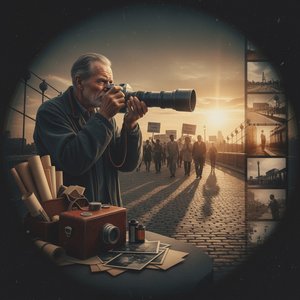
Witnessing History Through Lens & Light: Documentary Photography's Enduring Legacy
Explore the powerful history of documentary photography – from its origins to contemporary masters like Gordon Parks & W. Eugene Smith. Discover how this art form shapes our understanding of society and witness pivotal moments in time.

Monochrome Visions: Exploring the Aesthetic & Historical Significance of Black & White Photography
Explore the rich history & artistic power of black and white photography. From early techniques to iconic masters like Ansel Adams, discover why monochrome continues to captivate art lovers today. Expert insights for collectors.

The Lens of Truth: A Comprehensive History and Legacy of Documentary Photography
Explore the profound history of documentary photography. From early daguerreotypes to social reform movements, discover how the lens captures truth, preserves vanishing cultures, and shapes our global visual narrative through an expert art-historical lens.

Pictorialism: A Search for Artistic Photography's Soul – Aesthetics, Techniques & Legacy
Explore the captivating world of Pictorialism – a pivotal movement that transformed photography into fine art. Discover key artists like Stieglitz & Käsebier, techniques, and collecting tips from experts.

Beyond the Lens: Photography's Enduring Influence on Modern & Contemporary Art
Explore photography's pivotal role in shaping modern & contemporary art. Discover key movements, influential artists like Stieglitz, and expert collecting advice from OriginalUniqueArt.