
 Náhled
 Sdílet
 Sdílet
 Podrobnosti o díle

 Stáhnout
 Podobné položky
 Rentgenové snímky
 Slideshow
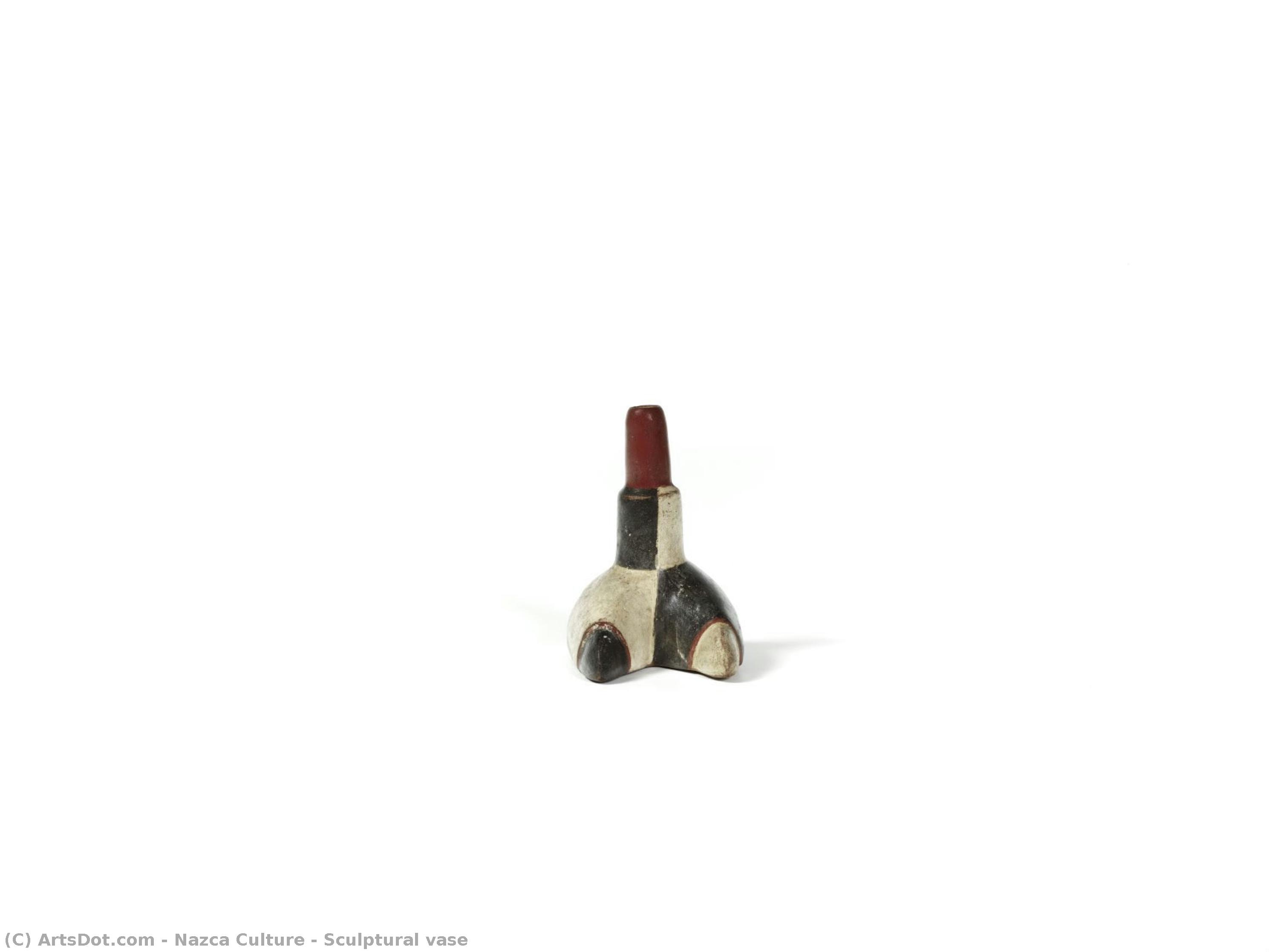
Sculptural vase

 Zobrazit více
Ručně malovaná olejová reprodukce
Ručně malovaná olejná barva na plátně ve vašem zvoleném rozměru i s rámem, vyrobená našimi umělci na zakázku. ( Koupit tisk Koupit obrázek)




































Vyberte si z našich přednastavených velikostí, které odpovídají původním proporcím díla.

Můžete zadat vlastní rozměry pro konkrétní rám nebo prostor. Pokud se vámi vybraná velikost neshoduje s proporcemi původního obrazu, dílo buď ořízneme, nebo jej doplníme ručně malovanými prvky. Před zahájením výroby vám bude zaslán digitální náhled ke schválení.
Upozorňujeme, že náhled na obrazovce neodpovídá skutečnému ořezu ani rozšíření. Pouze digitální náhled přesně zobrazí finální kompozici.
Ačkoliv je možné zvolit vlastní velikost, pro zachování původních proporcí doporučujeme vybrat rozměr z předdefinovaného seznamu.
Po přijetí objednávky vám tým OriginalUniqueArt.com zašle e-mail s pokyny a poskytne náhledovou verzi.
Celosvětová doprava () za 3–4 týdny namísto standardních 5 týdnů. (20 srpen). Bez kompromisů v kvalitě.

Zdarma celosvětová expresní doprava

Vysoce kvalitní lněné plátno

Kompletní přepravní pojištění

Záruka vrácení celního poplatku

Záruka přesného barevného shodu

60denní lhůta pro vrácení zboží (pouze při vadách výroby)

100% garance vrácení peněz

Sleva při hromadné objednávce
 Skleněná varianta je dostupná pouze u rozměrů menších než 110 cm

Sculptural vase
Technika reprodukce
Rozměry reprodukce
-


Celková cena za výběr
$ 300
Biografie umělce
The Enigmatic Legacy of the Nazca Culture
The Nazca culture, flourishing between 100 BC and 800 AD along the arid coast of Peru, remains one of the most enigmatic civilizations of pre-Columbian America. More than just artisans crafting beautiful ceramics and textiles—though they certainly excelled in these fields—the Nazca people possessed a profound understanding of astronomy and mathematics, reflected in their monumental geoglyphs – the Nazca Lines – which continue to fascinate scientists and historians alike. Their legacy speaks volumes about human creativity and adaptation to challenging environments.
Located in the Nazca Desert, a region characterized by extreme aridity and sparse vegetation, the Nazca culture developed in relative isolation from other Andean societies. Evidence suggests that they migrated from highland Peru around 100 BC, bringing with them agricultural knowledge—primarily maize cultivation—that allowed them to sustain a population of approximately 50,000 people. The desert landscape itself profoundly influenced their artistic expression and cosmology; the Nazca Lines are believed to align with celestial events like solstices and equinoxes, hinting at a sophisticated awareness of astronomical cycles.
Mastery of Earth and Pigment
Nazca ceramics stand out for their exceptional craftsmanship and stylistic diversity. Produced primarily from adobe clay sourced from alluvial deposits along the Rio Grande de Nazca valley, these vessels demonstrate remarkable skill in shaping, firing, and decorating surfaces. The artistry of this era is defined by a vibrant palette and a unique approach to form, where every piece serves as a vessel for both daily utility and sacred ritual.
The technical brilliance of their pottery is evident in several key areas:
- Vibrant Polychrome: The use of mineral pigments allowed for a stunning array of reds, yellows, blues, and blacks, creating high-contrast imagery that has survived centuries of desert erosion.
- Iconographic Richness: Surfaces were often adorned with stylized animals—particularly hummingbirds, lizards, and monkeys—alongside complex geometric patterns and anthropomorphic figures representing deities and rulers.
- Structural Innovation: Many pieces, such as the sculptural vase with bridge handle or the double neck vase, showcase advanced techniques in creating complex handles and structural balance.
A Civilization of Ingenuity
Beyond the visible beauty of their art, the Nazca people achieved feats of engineering that allowed life to thrive in one of the world's most inhospitable climates. Their mastery over water is perhaps as significant as their mastery over clay. Through the creation of puquios—sophisticated underground aqueducts—they managed to tap into subterranean aquifers, ensuring a steady water supply for their crops and communities despite the relentless drought of the Peruvian coast.
This profound connection between the earth, the water, and the heavens created a cohesive cultural identity. Whether through the massive geoglyphs etched into the desert floor or the delicate motifs painted onto a ceramic vase, the Nazca culture left an indelible mark on human history. Their work remains a testament to the ability of the human spirit to find beauty, order, and sustenance within the most challenging landscapes.

nazca culture
Peru
Rychlé fakta
- Artistic Movement Or Style: Geoglyphs
- Artists Or Movements Influenced By This Artist: ['Paracas Culture']
- Full Name: Nazca Culture
- Nationality: Peruvian
- Notable Artworks: ['Nazca Lines']
- Place Of Birth: Peru

