

 Sdílet
 Sdílet
 Podrobnosti o díle
 Průvodce

 Stáhnout
 Podobné položky
 Slideshow
 Statistiky
Globular neck vase


 Zobrazit více
Umělecké dílo zobrazené na této stránce je chráněno autorským zákonem, což znamená, že nemůžeme legálně vytvářet ani prodávat jeho identickou reprodukci. Tato ochrana je vymáhána na základě mezinárodních dohod, jako například Berberská úmluva a národními zákony, včetně těch stanovených v Americký autorský zákon – Díl 17. Všechna práva vyhrazena.
Tato metoda je plně v souladu s autorským právem, protože nezahrnuje kopírování ani duplikování chráněného díla. Jde o kreativní reinterpretaci – nový obraz, který je inspirován originálem, ale není s ním identický.
Giclée / Umělecký tisk
Giclée nebo plátěný tisk muzeální kvality s rychlou výrobou a širokou nabídkou povrchových úprav. ( Koupit ručně malovaný obraz Přepnout na digitální obraz)




































Vyberte si z našich přednastavených velikostí, které odpovídají původním proporcím díla.

Zadejte šířku a výšku, které potřebujete pro váš rám nebo stěnu. Tisk lze pouze oříznout, nikdy však nelze zvětšit obraz nad jeho původní rozměr, proto při výběru jiného formátu dochází ke ztrátě části obrazu. Před samotným tiskem vám zašleme digitální náhled k schválení. Obraz zobrazený na této stránce nenabízí skutečný výřez — ten uvidíte pouze v náhledu.
Celosvětové doručení () do 2 týdnů namísto standardních 4/5 týdnů. (28 říjen)

Zdarma celosvětová expresní doprava

Vysoce kvalitní lněné plátno

Kompletní pojištění přepravy

Záruka vrácení celního poplatku

Záruka věrného barevného souladu

100dení lhůta pro vrácení zboží (pouze při vadách výroby)

100% záruka vrácení peněz

Sleva při více objednávkách
 Skleněná varianta je dostupná pouze u rozměrů menších než 110 cm

Globular neck vase
Giclée / Umělecký tisk
Rozměry reprodukce
-


Celková cena za vybrané možnosti reprodukcí
Kč 1723
An Echo from the Nazca Desert
In the heart of the arid Peruvian coast, where the sands whisper secrets of a vanished civilization, emerges a masterpiece of ancient ingenuity: the Globular Neck Vase. This exquisite piece of Nazca pottery is not merely a vessel but a profound window into a world where art, ritual, and the cosmos were inextricably linked. Crafted by the skilled hands of the Nazca culture between 100 BC and 800 AD, the vase possesses a captivating presence that transcends time. Its rounded, bulbous form and distinct neck command attention, offering a tactile connection to the ancient artisans who mastered the art of clay and pigment long before the rise of modern empires.
The aesthetic allure of this piece lies in its earthy, grounded palette. Dominated by rich browns, warm tans, and soft beiges, the vase reflects the very landscape from which it was born. Upon its surface, a delicate dance of red, black, and white pigments brings ancient narratives to life. The technique—a sophisticated application of slip and mineral pigments—creates a slightly raised texture that invites the eye to wander across its undulating surface. Each stroke is deliberate, characterized by bold, strong lines that define stylized human figures and intricate geometric patterns, creating a visual rhythm that feels both primitive and remarkably modern.
Symbolism and the Spirit of the Andes
To gaze upon the painted figures on this vase is to witness a ritual frozen in time. The depictions of individuals engaged in what appears to be a ceremonial dance or social interaction suggest a deep-seated cultural importance placed on community and spiritual expression. In Nazca iconography, such movements often mirrored the celestial cycles or agricultural milestones essential for survival in the desert. The geometric motifs surrounding these figures are far from mere decoration; they likely served as a complex language of cosmology, representing the interconnectedness of the earth, the sky, and the underworld.
For the discerning collector or interior designer, this reproduction offers more than just visual beauty; it provides an emotional anchor. The vase carries an aura of mystery and resilience, embodying the triumph of human creativity over a harsh environment. Its presence in a contemporary space—whether placed as a centerpiece on a minimalist mantle or integrated into a curated gallery collection—adds a layer of historical depth and soulful sophistication. It is a piece that invites conversation, sparking curiosity about the enigmatic Nazca Lines and the profound legacy of the Andean people.
Otázky a odpovědi
Jakou náladu a emoci vyjadřuje „Globular neck vase“ od Nazca Culture?
„Globular neck vase“ od Nazca Culture vyvolává Mysterious pocit v rámci celkové Earthy nálady.
Kdo vytvořil "Globular neck vase"?
Autorem díla „Globular neck vase“ je Nazca Culture. Práce je v katalogu uvedena pod jménem Nazca Culture.
Jakou barvu v kompozici díla „Globular neck vase“ od Nazca Culture dominuje?
Dominantní barvou díla „Globular neck vase“ od Nazca Culture je White (#fefefe).
Biografie umělce
The Enigmatic Legacy of the Nazca Culture
The Nazca culture, flourishing between 100 BC and 800 AD along the arid coast of Peru, remains one of the most enigmatic civilizations of pre-Columbian America. More than just artisans crafting beautiful ceramics and textiles—though they certainly excelled in these fields—the Nazca people possessed a profound understanding of astronomy and mathematics, reflected in their monumental geoglyphs – the Nazca Lines – which continue to fascinate scientists and historians alike. Their legacy speaks volumes about human creativity and adaptation to challenging environments.
Located in the Nazca Desert, a region characterized by extreme aridity and sparse vegetation, the Nazca culture developed in relative isolation from other Andean societies. Evidence suggests that they migrated from highland Peru around 100 BC, bringing with them agricultural knowledge—primarily maize cultivation—that allowed them to sustain a population of approximately 50,000 people. The desert landscape itself profoundly influenced their artistic expression and cosmology; the Nazca Lines are believed to align with celestial events like solstices and equinoxes, hinting at a sophisticated awareness of astronomical cycles.
Mastery of Earth and Pigment
Nazca ceramics stand out for their exceptional craftsmanship and stylistic diversity. Produced primarily from adobe clay sourced from alluvial deposits along the Rio Grande de Nazca valley, these vessels demonstrate remarkable skill in shaping, firing, and decorating surfaces. The artistry of this era is defined by a vibrant palette and a unique approach to form, where every piece serves as a vessel for both daily utility and sacred ritual.
The technical brilliance of their pottery is evident in several key areas:
- Vibrant Polychrome: The use of mineral pigments allowed for a stunning array of reds, yellows, blues, and blacks, creating high-contrast imagery that has survived centuries of desert erosion.
- Iconographic Richness: Surfaces were often adorned with stylized animals—particularly hummingbirds, lizards, and monkeys—alongside complex geometric patterns and anthropomorphic figures representing deities and rulers.
- Structural Innovation: Many pieces, such as the sculptural vase with bridge handle or the double neck vase, showcase advanced techniques in creating complex handles and structural balance.
A Civilization of Ingenuity
Beyond the visible beauty of their art, the Nazca people achieved feats of engineering that allowed life to thrive in one of the world's most inhospitable climates. Their mastery over water is perhaps as significant as their mastery over clay. Through the creation of puquios—sophisticated underground aqueducts—they managed to tap into subterranean aquifers, ensuring a steady water supply for their crops and communities despite the relentless drought of the Peruvian coast.
This profound connection between the earth, the water, and the heavens created a cohesive cultural identity. Whether through the massive geoglyphs etched into the desert floor or the delicate motifs painted onto a ceramic vase, the Nazca culture left an indelible mark on human history. Their work remains a testament to the ability of the human spirit to find beauty, order, and sustenance within the most challenging landscapes.

Nazca Culture
Peru
Rychlé informace o umělci
- Full Name: Nazca Culture
- Nationality: Peruvian
- Place Of Birth: Peru
- Notable Artworks: ['Nazca Lines']
- Artistic Movement Or Style: Geoglyphs
- Artists Or Movements Influenced By This Artist: ['Paracas Culture']
Související články
Top 10 slavných obrazů v odstínech hříbek – Umění pro váš domov s OriginalUniqueArt
Objevte top 10 slavných obrazů v odstínech hříbek – od Van Gogha po Moneta. Ponořte se do příběhů umění a inspirujte se pro váš interiér s reprodukcemi nejvyšší kvality na OriginalUniqueArt.com.
Top 10 slavných obrazů v pískových tónech: Umění a inspirace pro interiér
Objevte 10 slavných obrazů v pískových tónech od Van Gogha, Moneta a dalších mistrů. Inspirace pro interiér s teplými barvami a klasickým uměním. Reprodukce obrazů nejvyšší kvality na OriginalUniqueArt.com
Top 10 slavných obrazů v hliněných tónech: Umění a inspirace pro váš domov
Objevte top 10 slavných obrazů v hliněných tónech! Prozkoumejte příběhy Van Gogha, Moneta a dalších mistrů. Inspirace pro váš interiér s reprodukcemi umění nejvyšší kvality na OriginalUniqueArt.com.
Earthy Tones & Emotional Resonance: Exploring the Vibe of Grounded Artworks
Explore the emotional power of earthy tones in art history! Discover how artists use color to evoke feelings & create grounded spaces. Expert advice on selecting artwork for your home – plus custom reproductions at OriginalUniqueArt.
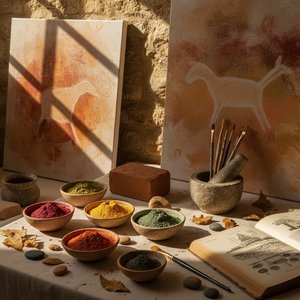
The Resonance of Earthly Tones: Exploring Nuance, History & Emotional Impact in Art
Explore the captivating world of earth tones in art! Discover historical context, emotional resonance & artistic techniques behind these timeless colors. Find inspiration for your home decor and museum-quality reproductions.