

 Náhled v interiéru
 Sdílet
 Sdílet
 Podrobnosti o díle
 Průvodce

 Stáhnout
 Podobné položky
 Rentgenové snímky
 Slideshow
 Statistiky
Πολυκράτης


 Zobrazit více
Získejte soubor připravený k tisku, který svou kvalitou výrazně převyšuje náhled na webu. Každý prodávaný digitální obraz pochází z vysokorozlišeného originálu v naší databázi – obvykle o šířce 5 000 až 15 000 pixelů – díky čemuž můžete tisknout ve velkém formátu, provádět těsný střih nebo si s jistotou užít i ty nejjemnější detaily.
Žádný soubor neopustí naše studio bez úprav. Digitální expert kontroluje barvy v porovnání s původním obrazem a v případě potřeby je upravuje, poté pomocí profesionálních nástrojů pro retuš zvyšuje ostrost a detailnost — přičemž vždy zůstává věrný tahům štětcem a stylu umělce. Výsledkem je obraz, který vypadá jako malba, nikoliv jako naskenovaný snímek s filtrem.
Schvalujete ještě před dokončením: náš expert vám digitální obraz zašle e-mailem k revizi do 72 hodin. Nejsste spokojeni? Požádejte o vylepšení či opravy, nebo si můžete vyžádat vrácení peněz, pokud kvalita neodpovídá očekávání.
Tuto kvalitu využívají vydavatelství, designová studia, galerie i tiskárny.
Digitální obrazy
Stáhněte si soubor ve vysokém rozlišení pro osobní prohlížení, tisk nebo kreativní projekty. ( Přepnout na tisk Koupit ručně malovaný obraz)
Součást každé objednávky digitálního obrazu
Profesionální digitální doručení, zaručené
Když si vyberete OriginalUniqueArt.com, nezískáváte pouze obrázek – získáváte digitální umělecké dílo s profesionálně vylepšenými detaily, zpracované s precizností a podpořené zárukou za spokojenost. Zde je vše, co vaše objednávka automaticky obsahuje:

Rychlé doručení e-mailem
Váš digitální obraz ve vysokém rozlišení vám bude zaslán e-mailem do 72 hodin od objednávky – připraven k okamžitému použití.

Digitální soubor s využitím AI
Vaše umělecké dílo je profesionálně optimalizováno pomocí pokročilých nástrojů umělé inteligence a manuální úpravy, což zajišťuje maximální úroveň detailu, ostrosti a přesnosti barev.

Doživotní bezplatné znovuodeslání digitálních obrazů
Soubor jste omylem smazali nebo ztratili? Žádný problém – kdykoliv vám ho znovu zašleme zcela zdarma.

Bez poplatků za dovoz – navždy
Užijte si své umělecké dílo okamžitě bez celních poplatků, daní nebo nákladů na dopravu – digitální stažení je vždy bez daňových povinností.

Záruka přesnosti barev
Díky profesionálním nástrojům a správě barev zajišťujeme, aby váš digitální obraz odrážel původní barvy co nejvěrněji.

100dená záruka spokojenosti
Pokud nebudete s digitálním obrázkem spokojeni, provedeme jeho revizi nebo vám vrátíme 100% platby do 100 dnů – bez jakýchkoliv dotazů.

100% záruka vrácení peněz
Nespokojeni? Získejte plnou náhradu peněz do 100 dnů od obdržení digitálního souboru – bez zbytečných dotazů.

Slevy při hromadných objednávkách
Koupě 3 obrazů ušetří 10% – Koupě 5 obrazů ušetří 15% – Koupě 10+ obrazů ušetří 20%. Ideální pro kreativní projekty, galerie a agentury.
Polycrates – A Titan’s Struggle Embodied in Marble
Mikhail Ivanovich Kozlovsky's sculpture *Polycrates*, created in 1790, stands as a testament to the Romantic spirit of its time—a dramatic portrayal of human resilience against overwhelming odds. The artwork depicts a nude male figure caught mid-movement, powerfully reaching upwards with one arm while his torso twists downwards, draped in fabric that suggests both vulnerability and defiance. This dynamic pose immediately draws the viewer’s eye, conveying an intense emotional narrative rooted in classical ideals yet infused with palpable struggle.- Subject Matter: The sculpture captures a pivotal moment—the death of Polycrates, King of Samos—a figure revered for his intellect and military prowess. Herodotus recounts the tale of Polycrates’ defiance against Xerxes I., highlighting his unwavering determination to protect his kingdom despite facing insurmountable pressure.
- Style: Kozlovsky adheres firmly to Neoclassical sculpture principles. The idealized human form reflects the Enlightenment fascination with rationality and beauty, mirroring the artistic trends prevalent in Paris during that era. However, unlike purely decorative sculptures of earlier periods, *Polycrates* possesses a profound psychological depth.
- Technique: Crafted from gypsum—a material chosen for its ability to capture subtle nuances of form—the statue exemplifies meticulous carving and polishing. Kozlovsky skillfully employed shading and modeling to create an illusion of three-dimensionality, emphasizing the musculature and drapery with remarkable precision. The sculptor’s dedication to capturing anatomical detail speaks volumes about his artistic mastery.
- Historical Context: Produced during the Napoleonic era, *Polycrates* reflects the broader anxieties surrounding political upheaval and the triumph of liberty over tyranny. It serves as a poignant reminder of human vulnerability in the face of formidable adversaries—a theme that resonated deeply with audiences grappling with revolutionary ideals.
- Resources: Wikipedia – Provides biographical information and historical context on Polycrates
- Artist Database: OriginalUniqueArt.com Artist Profile – Offers insights into Kozlovsky’s artistic style and oeuvre
- Artwork Database: OriginalUniqueArt.com Polycrates Reproduction – Explore high-quality reproductions of Kozlovsky’s masterpiece
- Russian Museum Virtual Collection: Kozlovsky M. I. Polycrates - Virtual Russian Museum – Access detailed information about the sculpture’s provenance and artistic significance
Otázky a odpovědi
Kdo je autorem díla "Πολυκράτης"?
Dílo "Πολυκράτης" vytvořil/a Michail Ivanovič Kozlovskij. Informace na této stránce popisují originální dílo umělce Michail Ivanovič Kozlovskij.
Jaký pocit vyvolává „Πολυκράτης“ od Michail Ivanovič Kozlovskij?
V díle "Πολυκράτης" doprovází Dramatické náladu Dramatický emoce.
Jak moc se zdá, že barvy díla „Πολυκράτης“ odrážejí světlo?
Luminance zaznamenaná pro dílo „Πολυκράτης“ od Michail Ivanovič Kozlovskij je Tmavý.
Biografie umělce
The Sculptor of Enlightenment Ideals
Mikhail Ivanovich Kozlovsky stands as a preeminent figure in the landscape of Russian Neoclassical sculpture, a master whose hands shaped the very essence of the Age of Enlightenment. Born in Saint Petersburg, Russia, his artistic journey began within the prestigious halls of the Imperial Academy of Arts. Under the tutelage of Anton Losenko, Kozlovsky embarked on a path that would eventually lead him far beyond the borders of his homeland, seeking inspiration in the great art capitals of Europe. His travels to Rome and Paris were not merely educational excursions but transformative odysseys that allowed him to absorb the burgeoning Neoclassical spirit sweeping through the continent.
The evolution of Kozlovsky’s style is a fascinating study in artistic maturation. His earliest endeavors retained a lingering connection to the dramatic, emotive sensibilities of the Baroque period. However, as he matured, his work underwent a profound metamorphosis, shedding ornamental excess in favor of Neoclassical monumentality and clarity. This transition saw him embracing the ideals of reason, order, and anatomical precision, mirroring the intellectual shifts of his era. By the time he returned to Paris in 1788 to supervise Russian students abroad, he had emerged as a sculptor capable of translating complex mythological narratives into enduring, dignified forms.
Mastery of Form and Mythological Narrative
Kozlovsky’s oeuvre is characterized by an extraordinary ability to breathe life into bronze and marble, capturing both the physical prowess of heroes and the ethereal grace of the divine. His works often serve as profound emblems of classical mythology, utilized to convey contemporary values of strength and wisdom. In pieces such as Hercules on Horseback, one observes a masterclass in realism; the meticulous rendering of equine and human musculature creates a sense of dynamic vitality that draws the viewer into the heart of the legend. His use of composition, often employing powerful diagonal thrusts, directs the eye through scenes of intense action and heroic struggle.
Beyond the depiction of raw power, Kozlovsky possessed a delicate touch for allegorical subjects. His sculpture Minerva and the Genius of the Arts, commissioned during the reign of Catherine II, exemplifies his ability to embody Enlightenment thought. Through the figures of the Roman goddess of wisdom and her artistic companion, he sculpted more than just myth; he captured the very aspiration of human intellect toward higher truth and order. His technical repertoire was equally diverse, ranging from the dramatic, gilded bronze of Samson Rending the Lion's Jaws—a centerpiece for the Grand Cascade at Peterhof Palace—to the expressive, martial character of the Suvorov Monument.
Legacy and Artistic Significance
The historical significance of Mikhail Kozlovsky lies in his role as a bridge between eras and a foundational pillar of Russian sculptural tradition. As a professor at the Academy of Arts, he played a crucial role in shaping the next generation of sculptors, ensuring that the principles of Neoclassicism would flourish in Saint Petersburg long after his passing. His contributions to the decorative splendor of imperial sites like Pavlovsk and Peterhof helped define the visual identity of the Russian Empire during a period of immense cultural growth.
His life's work remains a testament to the power of classical influence when wedded to technical mastery. Through his ability to adapt his manner from Baroque sensibility to Neoclassical grandeur, Kozlovsky achieved a level of permanence that transcends time. His sculptures continue to be celebrated for their:
- Anatomical Precision: A remarkable skill in rendering the complexities of human and animal forms with photographic realism.
- Symbolic Depth: The use of mythological figures to represent the enduring ideals of heroism, wisdom, and national triumph.
- Technical Versatility: An expert command over diverse media, including bronze casting and marble carving.
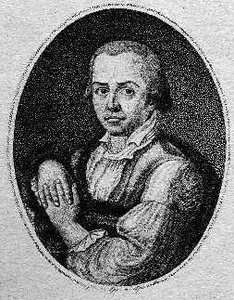
Michail Ivanovič Kozlovskij
1753 - 1802 , Rusko