
 Náhled v interiéru
 Sdílet
 Sdílet
 Podrobnosti o díle
 Průvodce

 Stáhnout
 Podobné položky
 Rentgenové snímky
 Slideshow
 Otázky a odpovědi
 Statistiky
Torn Out in the Spring. Triptych part 2


 Zobrazit více
Umělecké dílo zobrazené na této stránce je chráněno autorským zákonem, což znamená, že nemůžeme legálně vytvářet ani prodávat jeho identickou reprodukci. Tato ochrana je vymáhána na základě mezinárodních dohod, jako například Berberská úmluva a národními zákony, včetně těch stanovených v Americký autorský zákon – Díl 17. Všechna práva vyhrazena.
Tato metoda je plně v souladu s autorským právem, protože nezahrnuje kopírování ani duplikování chráněného díla. Jde o kreativní reinterpretaci – nový obraz, který je inspirován originálem, ale není s ním identický.
Giclée / Umělecký tisk
Giclée nebo plátěný tisk muzeální kvality s rychlou výrobou a širokou nabídkou povrchových úprav. ( Koupit ručně malovaný obraz Přepnout na digitální obraz)




P118B Kč10

P118H Kč10

P118W Kč10

P438Z Kč10

P508JH Kč12

P508YH Kč12

P805H Kč10

P805Z Kč10

P919BZ Kč10

P919G Kč10

P919XJ Kč10

P959ZH Kč10

P968JZ Kč12

W106C Kč8

W218G Kč10

W218JH Kč8

W218Y Kč10

W307PJ Kč10

W316G Kč10

W316PJ Kč8

W316Y Kč10

W398PJ Kč8

W4111J Kč10

W500HY Kč15

W500JH Kč15

W692G Kč12

W849H Kč8

W940BG Kč15

W953PJ Kč8




Vyberte si z našich přednastavených velikostí, které odpovídají původním proporcím díla.

Zadejte šířku a výšku, které potřebujete pro váš rám nebo stěnu. Tisk lze pouze oříznout, nikdy však nelze zvětšit obraz nad jeho původní rozměr, proto při výběru jiného formátu dochází ke ztrátě části obrazu. Před samotným tiskem vám zašleme digitální náhled k schválení. Obraz zobrazený na této stránce nenabízí skutečný výřez — ten uvidíte pouze v náhledu.
Celosvětové doručení () do 2 týdnů namísto standardních 4/5 týdnů. (11 listopad)

Zdarma celosvětová expresní doprava

Vysoce kvalitní lněné plátno

Kompletní pojištění přepravy

Záruka vrácení celního poplatku

Záruka věrného barevného souladu

100dení lhůta pro vrácení zboží (pouze při vadách výroby)

100% záruka vrácení peněz

Sleva při více objednávkách
 Skleněná varianta je dostupná pouze u rozměrů menších než 110 cm

Torn Out in the Spring. Triptych part 2
Giclée / Umělecký tisk
Rozměry reprodukce
-


Celková cena za vybrané možnosti reprodukcí
Kč 1768
A Fragmented Spring – Unveiling Mikhail Ardashnikov’s “Torn Out in the Spring”
Mikhail Ardashnikov's "Torn Out in the Spring," part of a larger triptych, is not merely a cityscape; it’s an immersive journey into the layered narratives of memory, myth, and the enduring pulse of Russian cultural heritage. Created in 2019, this work immediately draws the eye with its vibrant palette and dynamic composition, yet it's the subtle complexities beneath the surface that truly captivate. Ardashnikov, a St. Petersburg-based artist deeply rooted in historical research and a fascination with archetypal symbols, has crafted a scene brimming with both recognizable urban life and potent, almost dreamlike imagery.
The painting depicts a bustling city street, rendered with a confident, slightly abstracted style reminiscent of early 20th-century Russian realist painters. Buildings rise in the background, their forms echoing architectural traditions while simultaneously possessing an otherworldly quality. A prominent clock tower dominates the scene, its hands frozen at a specific moment – perhaps signifying a suspended time, a captured memory. Scattered throughout are details that hint at a deeper symbolic resonance: birds soaring above, dogs patrolling the streets, and figures engaged in everyday activities. These elements aren’t simply decorative; they contribute to a complex tapestry of meaning.
The Language of Symbolism – Myth and Memory
Ardashnikov's work is profoundly influenced by Russian folklore and historical narratives. The triptych as a whole, and “Torn Out in the Spring” specifically, can be interpreted through the lens of the *Skazka* tradition—Russian fairy tales that often blend reality with magic and symbolism. The presence of birds, frequently associated with freedom and spiritual insight in Russian art, suggests a yearning for transcendence within the confines of urban life. Similarly, the dogs, traditionally guardians and symbols of loyalty, might represent the enduring connection to ancestral roots amidst the rapid changes of modernity.
The title itself, “Torn Out in the Spring,” evokes a sense of disruption and revelation. Spring is a time of rebirth and renewal, but "torn out" implies something lost or fragmented—a memory unearthed, a truth exposed. This duality reflects Ardashnikov’s broader exploration of how personal experience intersects with collective history. The painting feels like a visual excavation, as if the artist is carefully piecing together fragments of the past to reveal a hidden narrative.
Technique and Material – A Layered Approach
Ardashnikov employs a mixed technique, combining elements of oil paint with other materials on paper. This layering creates a rich textural surface, inviting close inspection. The brushstrokes are visible, lending a sense of immediacy and spontaneity to the work while simultaneously contributing to its overall depth. The use of color is particularly striking – bold blues and greens contrast with warmer earth tones, creating a dynamic visual tension. It’s clear that Ardashnikov isn't simply replicating reality; he’s actively shaping it through his artistic choices.
Emotional Resonance – A Window into the Soul
"Torn Out in the Spring" is more than just a depiction of a city street; it’s an invitation to contemplate the nature of time, memory, and identity. The painting possesses a quiet intensity, drawing the viewer into its world with a subtle yet powerful emotional pull. There's a sense of melancholy interwoven with hope, suggesting that even in the midst of urban chaos, there remains a connection to something deeper—to our past, our heritage, and our own inner landscapes. Reproductions of this piece offer a remarkable opportunity to bring this evocative atmosphere into any space, serving as both a conversation starter and a source of contemplative beauty.
Otázky a odpovědi
Jakým způsobem se styl díla "Torn Out in the Spring. Triptych part 2" vztahuje k době svého tvůrce?
Dílo "Torn Out in the Spring. Triptych part 2" patří k období Contemporary Symbolism, jehož tvůrce působil v éře – Současné období.
Kdo je autorem díla "Torn Out in the Spring. Triptych part 2" a do kterého uměleckého směru patří?
Autorem díla "Torn Out in the Spring. Triptych part 2" je Mikhail Ardashnikov, který patřil k hnutí Contemporary Symbolism.
V jakém věku vytvořil/a Mikhail Ardashnikov dílo „Torn Out in the Spring. Triptych part 2"?
Mikhail Ardashnikov vytvořil/a dílo „Torn Out in the Spring. Triptych part 2“ v возрасте 56 let. Umělec se narodil/a v 1963 a dílo je datováno na 2019.
Související články
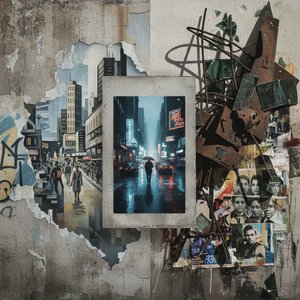
Concrete Visions: Exploring Representations of Urban Life in Modern & Contemporary Art
Explore the evolution of cityscape painting from Realism to contemporary art. Discover key artists & invest in timeless urban visions with OriginalUniqueArt's expert guidance and museum-quality reproductions.

Francis Bacon: Top 25 děl mistra expresionismu pro váš interiér | OriginalUniqueArt.com
Prozkoumejte top 25 děl Francis Bacona – mistra expresionismu. Objevíte jeho portréty, triptychy a emotivní malbu plnou temných barev. Reprodukce obrazů pro luxusní dekoraci interiéru na OriginalUniqueArt.com. Prohlédněte si celou kolekci online!
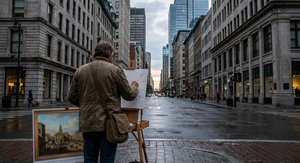
Urban Visions: A Historical & Artistic Exploration of the Cityscape in Painting
Explore the evolution of cityscape painting from historical maps to Impressionist masterpieces. Discover artists like Caillebotte & Utrillo. Find museum-quality reproductions at OriginalUniqueArt.

Concrete Visions: Exploring the Urban Landscape in Painting – From Realism to Contemporary Art
Explore the evolution of cityscape painting from Realism to contemporary art with OriginalUniqueArt. Discover key artists & invest in timeless urban visions. Expert guidance, museum-quality reproductions.
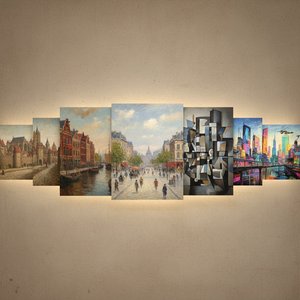
Urban Visions: A Historical & Artistic Exploration of the Cityscape in Painting
Explore the evolution of cityscape painting from historical maps to Impressionist masterpieces. Discover artists like Caillebotte, Utrillo & Matsumoto Shunsuke. Find museum-quality reproductions at OriginalUniqueArt.