
 Náhled
 Sdílet
 Sdílet
 Podrobnosti o díle

 Stáhnout
 Podobné položky
 Rentgenové snímky
 Slideshow
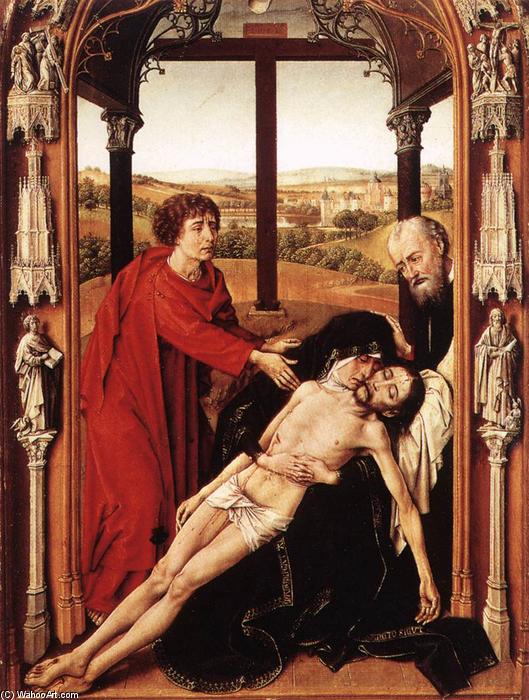
Pietà
 1500
1500 50.0 x 37.0 cm
 Museo de la Capilla Real
 Zobrazit více
Ručně malovaná olejová reprodukce
Ručně malovaná olejná barva na plátně ve vašem zvoleném rozměru i s rámem, vyrobená našimi umělci na zakázku. ( Koupit tisk Koupit obrázek)




































Vyberte si z našich přednastavených velikostí, které odpovídají původním proporcím díla.

Můžete zadat vlastní rozměry pro konkrétní rám nebo prostor. Pokud se vámi vybraná velikost neshoduje s proporcemi původního obrazu, dílo buď ořízneme, nebo jej doplníme ručně malovanými prvky. Před zahájením výroby vám bude zaslán digitální náhled ke schválení.
Upozorňujeme, že náhled na obrazovce neodpovídá skutečnému ořezu ani rozšíření. Pouze digitální náhled přesně zobrazí finální kompozici.
Ačkoliv je možné zvolit vlastní velikost, pro zachování původních proporcí doporučujeme vybrat rozměr z předdefinovaného seznamu.
Po přijetí objednávky vám tým OriginalUniqueArt.com zašle e-mail s pokyny a poskytne náhledovou verzi.
Celosvětová doprava () za 3–4 týdny namísto standardních 5 týdnů. (18 srpen). Bez kompromisů v kvalitě.

Zdarma celosvětová expresní doprava

Vysoce kvalitní lněné plátno

Kompletní přepravní pojištění

Záruka vrácení celního poplatku

Záruka přesného barevného shodu

60denní lhůta pro vrácení zboží (pouze při vadách výroby)

100% garance vrácení peněz

Sleva při hromadné objednávce
 Skleněná varianta je dostupná pouze u rozměrů menších než 110 cm

Pietà
Technika reprodukce
Rozměry reprodukce
-


Celková cena za výběr
$ 300
Biografie umělce
The Master of Meticulous Detail: The Life of Michel Sittow
In the grand tapestry of the Northern Renaissance, few threads are as finely woven as those left by Michel Sittow, a painter whose brush captured not only the physical likeness of royalty but the very essence of the human soul. Known variously as Master Michiel or Michael Sittow, this master of the Early Netherlandish tradition emerged from the Baltic shores of Reval—modern-day Tallinn, Estonia—to become one of the most sought-after portraitists in the courts of Europe. His life was a journey of movement and prestige, spanning from the merchant hubs of the North to the sun-drenched palaces of Spain, leaving behind a legacy defined by an almost supernatural precision and a profound psychological depth.
Born around 1469 into a family of skilled artisans, Sittow’s early years were steeped in the traditions of craftsmanship. His father, Clawes Sittow, was a painter and woodcarver, providing the young artist with a foundational understanding of form and material. However, it was his move to the vibrant, cosmopolitan center of Bruges around 1484 that would irrevocably alter the course of his career. It was here, in the heart of Flemish excellence, that he entered the studio of the legendary Hans Memling. Under Memling’s tutelage, Sittow mastered the delicate art of oil painting, learning to manipulate light and pigment to create textures so lifories they seemed to breathe upon the panel.
A Courtly Legacy and the Art of Portraiture
As his reputation grew, Sittow’s talent transcended regional boundaries, drawing him into the intimate circles of the most powerful dynasties of the age. His career was uniquely defined by his service to Isabella of Castile and her Habsburg relatives. As a court portraitist, he was tasked with more than mere documentation; he was an architect of image, crafting portraits that conveyed the dignity, piety, and authority of his subjects. This period of his life saw him navigating the complex political landscapes of Spain and the Netherlands, often working alongside other luminaries like Juan de Flandes.
The hallmark of a Sittow masterpiece lies in its quiet intensity. Unlike the grand, sweeping gestures found in some Italian Renaissance works, Sittow’s approach was one of restrained elegance and microscopic observation. His ability to render the subtle sheen of silk, the cold glint of jewelry, and the soft translucency of skin became his signature. In his hands, a portrait was not just a likeness but a window into the sitter's inner world, characterized by:
- Psychological Insight: A profound ability to capture a sense of introspection and quiet dignity in his subjects.
- Luminous Realism: The use of thin, translucent glazes to create a depth of color and light that defines the Netherlandish style.
- Meticulous Detail: An unwavering commitment to the minute textures of the physical world, from lace to velvet.
Devotional Depth and Enduring Significance
While his portraits secured his place in history, Sittow’s devotional works reveal a different facet of his artistry—one of deep spiritual resonance. In pieces such as The Virgin and Child or his poignant Pietà, the artist moved away from the courtly splendor of his royal commissions to explore themes of tenderness, sorrow, and divine grace. These works demonstrate his mastery of the emotional landscape, using the same precision applied to royal jewels to instead capture the weight of grief or the softness of maternal love.
The historical significance of Michel Sittow lies in his role as a bridge between the late Gothic traditions of his youth and the burgeoning humanism of the Renaissance. He carried the meticulous techniques of the Flemish masters into the heart of the Spanish court, influencing the development of portraiture in the Iberian Peninsula for generations. Though he passed away in the early 16th century, his ability to freeze a moment of profound humanity within a frame of exquisite beauty ensures that his name remains etched in the annals of art history, inviting every viewer to look closer and feel more deeply.

michel sittow (master michiel)
1468 - 1525 , Estonia
Rychlé fakta
- Artistic Movement Or Style: Early Netherlandish Painting
- Artists Or Movements Influenced By This Artist: ['Juan de Flandes']
- Artists Who Influenced This Artist: ['Hans Memling']
- Date Of Birth: c. 1469
- Date Of Death: December 1525
- Full Name: Michael Sittow
- Nationality: German-Scandinavian
- Notable Artworks:
- Virgin and Child
- Portrait of a Man
- Place Of Birth: Tallinn, Estonia

