
 Náhled v interiéru
 Sdílet
 Sdílet
 Podrobnosti o díle
 Průvodce

 Stáhnout
 Podobné položky
 Rentgenové snímky
 Slideshow
 Q&A
Q&A Statistiky
Laurits Anderson Ring

- 34.0 x 31.0 cm


 Zobrazit více
Giclée / Umělecký tisk
Giclée nebo plátěný tisk muzeální kvality s rychlou výrobou a širokou nabídkou povrchových úprav. ( Koupit ručně malovaný obraz Přepnout na digitální obraz)




P118B Kč10

P118H Kč10

P118W Kč10

P438Z Kč10

P508JH Kč12

P508YH Kč12

P805H Kč10

P805Z Kč10

P919BZ Kč10

P919G Kč10

P919XJ Kč10

P959ZH Kč10

P968JZ Kč12

W106C Kč8

W218G Kč10

W218JH Kč8

W218Y Kč10

W307PJ Kč10

W316G Kč10

W316PJ Kč8

W316Y Kč10

W398PJ Kč8

W4111J Kč10

W500HY Kč15

W500JH Kč15

W692G Kč12

W849H Kč8

W940BG Kč15

W953PJ Kč8




Vyberte si z našich přednastavených velikostí, které odpovídají původním proporcím díla.

Zadejte šířku a výšku, které potřebujete pro váš rám nebo stěnu. Tisk lze pouze oříznout, nikdy však nelze zvětšit obraz nad jeho původní rozměr, proto při výběru jiného formátu dochází ke ztrátě části obrazu. Před samotným tiskem vám zašleme digitální náhled k schválení. Obraz zobrazený na této stránce nenabízí skutečný výřez — ten uvidíte pouze v náhledu.
Celosvětové doručení () do 2 týdnů namísto standardních 4/5 týdnů. (3 listopad)

Zdarma celosvětová expresní doprava

Vysoce kvalitní lněné plátno

Kompletní pojištění přepravy

Záruka vrácení celního poplatku

Záruka věrného barevného souladu

100dení lhůta pro vrácení zboží (pouze při vadách výroby)

100% záruka vrácení peněz

Sleva při více objednávkách
 Skleněná varianta je dostupná pouze u rozměrů menších než 110 cm

Laurits Anderson Ring
Giclée / Umělecký tisk
Rozměry reprodukce
-


Celková cena za vybrané možnosti reprodukcí
Kč 1737
A Moment of Quiet Dignity
In the quietude of 1892, Michael Peter Ancher captured more than just a likeness in his portrait of Laurits Anderson Ring; he captured a soul. This intimate work serves as a profound testament to the Danish Realist tradition, presenting a man whose presence is felt through a heavy, contemplative silence. The subject, characterized by a distinguished beard and a steady, downward gaze, appears caught in a private moment of introspection. As he stands near a weathered wall, the soft interplay of light and shadow across his black suit creates a sense of physical weight and permanence. Ancher’s ability to render the texture of facial hair and the somber elegance of the attire invites the viewer into a shared space of reflection, making the painting feel less like a static image and more like a living, breathing encounter.
The composition is masterfully balanced, utilizing the natural environment to frame the subject's internal world. While the man remains the focal point, the presence of trees and distant figures in the background provides a sense of depth and narrative context. These secondary elements suggest a larger world continuing its rhythm around him, yet they remain softly blurred, ensuring that the viewer’s emotional connection remains tethered to Ring’s pensive expression. This technique—placing a singular, powerful character against a sprawling, natural backdrop—is a hallmark of Ancher’s style, echoing the rugged and honest spirit of the Skagen coastal life he so famously documented.
The Mastery of the Skagen Realist
To understand the technical brilliance of this piece, one must look to the artist's roots in the Skagen Painter colony. Michael Peter Ancher was a master of capturing the visceral essence of his subjects through a refined, realistic technique. In Laurits Anderson Ring, we see his expert command over tonal values and light. The way the light catches the edges of the subject's features against the darker tones of his clothing demonstrates a sophisticated understanding of chiaroscuro, used here not for theatrical drama, but to instill a sense of grounded reality. Every brushstroke serves to build the character’s dignity, from the meticulous rendering of his mustache to the subtle gradients that define the outdoor setting.
For collectors and interior designers, this painting offers a timeless elegance that transcends modern trends. The muted palette and classical composition make it an ideal centerpiece for a study, a library, or a sophisticated living space where one wishes to evoke a sense of history and intellectual depth. A high-quality reproduction of this work allows the quiet strength of Ancher’s vision to inhabit a contemporary home, providing a window into the late 19th century. It is an investment in atmosphere—a piece that does not shout for attention but commands respect through its understated beauty and the profound emotional resonance of its subject.
Otázky a odpovědi
Jaká jsou práva k reprodukci díla „Laurits Anderson Ring“ v instituci Skagens Museum?
Dílo „Laurits Anderson Ring“ od Michael Peter Ancher se nachází ve sbírce Skagens Museum a spadá do v rámci volného užití – autorská práva vypršela. Tento stav určuje, zda lze vytvářet reprodukce tohoto obrazu.
Jak si mohu prohlédnout náhled reprodukce „Laurits Anderson Ring“ od Michael Peter Ancher?
Chcete-li si prohlédnout náhled reprodukce díla „Laurits Anderson Ring“ od Michael Peter Ancher, otevřete stránku Náhled v prostoru tohoto díla.
Působí dílo "Laurits Anderson Ring" celkově spíše světle, nebo tmavě?
U díla „Laurits Anderson Ring“ od Michael Peter Ancher je zaznamenána jasnost bright při luminanci Gentle Luminance.
Biografie umělce
The Soul of Skagen: The Life and Legacy of Michael Peter Ancher
Michael Peter Ancher stands as one of Denmark’s most celebrated realist painters, a master whose brushstrokes are inextricably linked to the artistic fervor of Skagen. This remote fishing village, nestled where the Baltic and North Seas converge in Jutland’s far north, served as more than just a subject for Ancher; it was the very heartbeat of his creative existence. His canvases pulsate with an immediacy that captures not merely visual likeness but also the visceral essence of human experience against the backdrop of rugged coastal landscapes. Through his eyes, we witness the quiet dignity of a community defined by its struggle and its harmony with the unpredictable forces of nature.
Born on June 9th, 1849, in Rutsker, Bornholm, Ancher’s early life was shaped by modest circumstances. While his father’s mercantile struggles curtailed much of his formal schooling, a profound artistic inclination began to emerge within him. This innate talent was nurtured by the keen eyes of fellow painters Theodor Philipsen and Vilhelm Groth, who recognized his potential during their expeditions to Skagen. Though he eventually enrolled at the Royal Danish Academy of Art in Copenhagen, Ancher’s spirit was too restless for the confines of strict academic formality. He chose to depart prematurely, prioritizing the raw, lived experience of his subjects over the polished requirements of graduation, a decision that would ultimately define his authentic approach to realism.
The Painter Colony and the Light of the North
Ancher’s formative years coincided with the rise of the Skagen Painter colony, an influential gathering of artists drawn to the village’s dramatic light and atmospheric shifts. This group, spearheaded by figures like Philipsen, fostered a spirit of collaboration and experimentation that profoundly shaped Ancher’s vision. Alongside his close friend Karl Madsen, Ancher helped cement a movement dedicated to capturing the unique spirit of the North. His life was also deeply intertwined with the social fabric of Skagen; in 1880, he married Anna Brøndum, a fellow artist and daughter of the proprietor of Brøndums Hotel. This union not only connected him to the heart of the local community but also placed him at the center of an artistic hub where creativity and daily life were indistinguishable.
The work of Ancher is characterized by an unflinching portrayal of Skagen’s fishermen—men who embodied courage, resilience, and a profound connection to their ancestral traditions. His technique avoids mere sentimentality, opting instead for a rugged realism that honors the grit and salt of the maritime life. In his paintings, one can almost feel the spray of the sea and the weight of the nets. He possessed a singular ability to render the textures of weathered skin, heavy wool, and the shifting sands of the coast, creating works that serve as both historical documents and emotional portraits of a vanishing way of life.
Historical Significance and Artistic Triumph
The enduring significance of Michael Peter Ancher lies in his ability to elevate the mundane struggles of a small fishing village into the realm of high art. He did not merely paint landscapes; he painted the soul of a people. His major achievements reside in his capacity to capture the tension between human vulnerability and the immense power of the sea. By focusing on the dignity of labor and the quiet moments of repose among the fishing families, he created a visual legacy that remains a cornerstone of Danish national identity.
Today, Ancher’s work continues to resonate with viewers who seek a connection to the authentic and the elemental. His contribution to the Skagen movement ensured that the light and life of Northern Jutland would be preserved for eternity. Through his mastery of light and shadow, he transformed the fleeting moments of coastal existence into timeless monuments of human endurance, securing his place as a titan of 19th-century realism.

Michael Peter Ancher
1849 - 1927
Rychlé informace o umělci
- Full Name: Michael Peter Ancher
- Nationality: Danish
- Date Of Birth: 1849
- Date Of Death: 1927
- Place Of Birth: Rutsker, Bornholm Island
- Notable Artworks:
- Will he round the point?
- The Drowned Fisherman
- The Lifeboat is Taken through the Dunes
- Artistic Movement Or Style: Realism
- Artists Who Influenced This Artist:
- Wilhelm Groth
- Theodor Philipsen
- Artists Or Movements Influenced By This Artist: ['Skagen Painters']
Související články
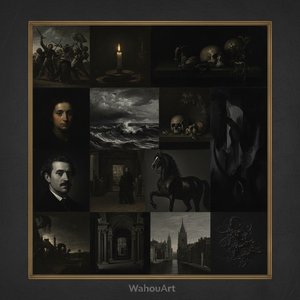
Top 10 slavných obrazů v odstínech černé – umění a dekorace s OriginalUniqueArt
Prozkoumejte 10 nejikoničtějších obrazů v odstínech černé od Rembrandta po Van Gogha. Objevte příběhy umění, techniky a inspiraci pro váš interiér s OriginalUniqueArt.com – reprodukce obrazů prvotřídní kvality.

Romantic Realism's Finest: 10 Masterpieces for Your Home | OriginalUniqueArt
Explore 10 defining masterpieces of Romantic Realism! Discover Courbet, Millet & Daumier's powerful paintings—capturing emotion and social realities. Find museum-quality reproductions for your home at OriginalUniqueArt.com.

James Abbott McNeill Whistler: Top 25 mistrovských děl pro váš interiér | OriginalUniqueArt.com
Prozkoumejte 25 ikonických děl Jamese Abbotta McNeilla Whistlera! Obrazy Nocturnes, portréty a estetismus. Inspirace pro interiér s uměleckými reprodukcemi nejvyšší kvality na OriginalUniqueArt.com. Objevte celou kolekci online.

Top 10 slavných obrazů v odstínech černé – Umění a dekor s OriginalUniqueArt
Prozkoumejte 10 nejslavnějších obrazů ovládaných odstíny černé. Objevte příběhy za uměleckými díly, techniky a inspiraci ikonických mistrů. Reprodukce obrazů s OriginalUniqueArt – luxusní dekorace pro váš domov. Prohlédněte si celou kolekci online!

Top 10 slavných obrazů s dominantní černou barvou | OriginalUniqueArt.cz
Prozkoumejte 10 nejslavnějších obrazů s dominantní černou barvou od Van Gogha, Muncha a dalších mistrů. Objevte příběhy za uměleckými díly, techniky a inspiraci. Reprodukce obrazů nejvyšší kvality na OriginalUniqueArt.com.