

 Zobrazit v interiéru
 Odeslat
 Sdílet
 Podrobnosti
 Průvodce

 Stáhnout obrázek
 Podobné kousky
 Rentgenové snímky
 Slideshow
 Statistiky
St Lawrence Distributing the Alms
 Oil On Canvas
- WallArt
- Early Renaissance
 1465
1465 100.0 x 97.0 cm
 Alte Pinakothek
 Přečíst si více
Giclée / Umělecký tisk
Giclée nebo plátěný tisk muzeální kvality s rychlou výrobou a širokou nabídkou povrchových úprav. ( Objednat ručně malovanou reprodukci Přepnout na digitální verzi obrazu)




P118B Kč10

P118H Kč10

P118W Kč10

P438Z Kč10

P508JH Kč12

P508YH Kč12

P805H Kč10

P805Z Kč10

P919BZ Kč10

P919G Kč10

P919XJ Kč10

P959ZH Kč10

P968JZ Kč12

W106C Kč8

W218G Kč10

W218JH Kč8

W218Y Kč10

W307PJ Kč10

W316G Kč10

W316PJ Kč8

W316Y Kč10

W398PJ Kč8

W4111J Kč10

W500HY Kč15

W500JH Kč15

W692G Kč12

W849H Kč8

W940BG Kč15

W953PJ Kč8




Vyberte si z našich přednastavených velikostí, které odpovídají původním proporcím díla.

Zadejte šířku a výšku, které potřebujete pro váš rám nebo stěnu. Tisk lze pouze oříznout, nikdy však nelze zvětšit obraz nad jeho původní rozměr, proto při výběru jiného formátu dochází ke ztrátě části obrazu. Před samotným tiskem vám zašleme digitální náhled k schválení. Obraz zobrazený na této stránce nenabízí skutečný výřez — ten uvidíte pouze v náhledu.
Celosvětové doručení () do 2 týdnů namísto standardních 4/5 týdnů. (24 říjen)

Zdarma celosvětová expresní doprava

Vysoce kvalitní lněné plátno

Úplné pojištění přepravy

Záruka vrácení celního poplatku

Záruka věrného barevného shodu

100dení lhůta pro vrácení zboží (pouze při vadách výroby)

100% garance vrácení peněz

Sleva při více objednávkách
 Skleněná varianta je dostupná pouze u rozměrů menších než 110 cm

St Lawrence Distributing the Alms
Giclée / Umělecký tisk
Velikost reprodukce
-


Celková cena
Kč 1716
The Alms of Saint Lawrence: A Window into Renaissance Tyrol
Michael Pacher’s “St Lawrence Distributing the Alms,” painted in 1465-70, isn't merely a depiction of a biblical scene; it’s a meticulously crafted microcosm of late medieval society and a testament to the burgeoning artistic currents flowing through the Alpine region of Tyrol. This polyptych panel, now housed within the Alte Pinakothek in Munich, offers a rare glimpse into the world of a 15th-century nobleman's chapel – a space designed not just for worship but also as a powerful statement of civic virtue and familial piety. Pacher’s genius lies in his ability to seamlessly blend the formal elegance of Italian Renaissance influences with the deeply rooted traditions of Northern European art, creating an image that is both strikingly modern and profoundly resonant.
The scene itself unfolds within a meticulously rendered architectural setting – a church dominated by a towering Gothic spire. At its center stands Saint Lawrence, depicted not as a heroic figure of martyrdom, but as a humble servant distributing alms to the impoverished inhabitants of the town. The figures kneeling before him are remarkably individualized, reflecting the growing trend in art towards naturalistic representation and psychological depth. Note the subtle variations in their clothing, gestures, and expressions – each conveying a distinct sense of need and gratitude. This level of detail was revolutionary for its time, demonstrating Pacher’s mastery of observation and his commitment to portraying human experience with remarkable sensitivity.
The Influence of Mantegna: Perspective and Spatial Drama
Pacher's journey to Padua in Italy proved transformative, profoundly shaping the trajectory of his artistic development. His encounter with Andrea Mantegna’s frescoes ignited a passion for perspective and spatial composition – elements that would become hallmarks of Pacher’s distinctive style. Mantegna’s innovative use of linear perspective, creating an illusion of depth on a flat surface, is evident in “St Lawrence Distributing the Alms.” The receding lines of the church walls, the carefully arranged figures within the foreground, and the subtle modeling of forms all contribute to a convincing sense of three-dimensionality. This technique was relatively new in Northern Europe at the time, and Pacher’s adoption of it marked a significant step towards embracing Renaissance artistic principles.
However, Pacher doesn't simply mimic Mantegna; he adapts these innovations to his own regional context. The overall composition retains a distinctly Gothic sensibility – the monumental scale of the church, the elaborate ornamentation, and the stylized figures all reflect the enduring influence of Northern European traditions. This synthesis of Italian Renaissance innovation and Northern Gothic style is what makes Pacher’s work so unique and compelling.
Symbolism and Civic Virtue
Beyond its technical brilliance, “St Lawrence Distributing the Alms” is rich in symbolic meaning. Saint Lawrence himself was a Roman martyred for refusing to participate in pagan rituals – his story served as a potent reminder of the importance of Christian faith and moral integrity. The act of distributing alms represented not only charity but also civic responsibility – a call to action for the wealthy elite to care for the poor and vulnerable within their community. The presence of prominent figures from local society, depicted alongside the beggars and the priest, underscores this message, suggesting that piety and social engagement were inextricably linked in 15th-century Tyrol.
Furthermore, the altarpiece’s polyptych format – with its movable panels – allowed for a flexible presentation of religious narratives. The specific arrangement of scenes could be adapted to suit different occasions and liturgical seasons, reinforcing the importance of faith within the daily lives of the community. The inclusion of family members in the scene also highlights the role of patronage in supporting the arts and promoting religious devotion.
A Legacy of Craftsmanship: Reproduction and Beyond
Today, “St Lawrence Distributing the Alms” stands as a remarkable achievement of late medieval art – a testament to Michael Pacher’s artistic skill, his innovative spirit, and his deep understanding of human nature. Reproductions offer an accessible way to experience the beauty and complexity of this masterpiece, bringing its rich symbolism and evocative imagery into homes and galleries around the world. When commissioning a reproduction, consider the meticulous detail and vibrant colors that capture the essence of Pacher’s original work – a true reflection of a pivotal moment in art history.
Otázky a odpovědi
Existuje průvodce k dílu „St Lawrence Distributing the Alms“ od Michael Pacher?
Pro dílo „St Lawrence Distributing the Alms“ od Michael Pacher je k dispozici stránka Průvodce: tiskem připravený informační list o uměleckém díle, navržený pro studenty a použití ve výuce.
Jaké barvy dominují dílu „St Lawrence Distributing the Alms“ od Michael Pacher?
Dílo „St Lawrence Distributing the Alms“ od Michael Pacher využívá paletu Earthy, přičemž hlavní barvou je Walnut (#80493a).
K čemu se doporučuje reprodukce díla „St Lawrence Distributing the Alms“ od Michael Pacher?
Reprodukce díla „St Lawrence Distributing the Alms“ od Michael Pacher je doporučována pro Reflective. Toto doporučení vychází z tématu, nálady a barevnosti tohoto díla.
Biografie umělce
Tyrolský most mezi světy
Michael Pacher, narozen kolem roku 1435 v alpské krajině Bolzana, představuje klíčovou postavu přechodu od gotické umělecké tvorby k rodícímu se duchu renesance v německy mluvících zemích. Nebyl pouze malířem; byl to řemeslník, který bezchybně propojoval malířství se sochářstvím, architekturu s jemným detailem a vytvářel oltáře, která nebyla pouhými náboženskými předměty, ale spíše pohlcujícími světy víry a vyprávění. Ačkoliv jeho raný život zůstává částečně zahalen tajemstvím – detaily o jeho počátečním výcviku jsou vzácné – je jasné, že Pacher disponoval vrozeným talentem, který byl vyživován uměleckými proudy protékající Tyrolskem v polovině 15. století. Jeho cesta se rozhodujícím způsobem obrátila během návštěvy Padvy v Itálii, kde narazil na revoluční fresky Andrea Mantegna. Tato zkušenost se ukázala jako transformující a vnesla do jeho díla nový pochopení perspektivy a prostorové kompozice – prvků, které ho odlišily od mnoha jeho současníků.Oltář svatého Wolfganga: Odhalení mistrovského díla
Pacherova reputace stojí nejpevněji na nádherném oltáři svatého Wolfganga, vytvořeném mezi lety 1471 a 1481 pro půlturistickou kostel v Rakousku. Nejde jen o prostou malbu; je to elaborate polyptych, mnohopanelové mistrovské dílo navržené tak, aby se rozbalovalo jako posvátný příběh. Geniální konstrukce oltáře umožňuje tři různé způsoby zobrazení: jeden pro každodenní bohoslužbu, druhý bohatší pro nedělní oslavy a plně rozšířenou verzi vyhrazenou pro zvláštní svátky. Každá konfigurace odhaluje odlišné scény z života Ježíše a Panny Marie, což vrcholí v dech beroucí centrální desce zobrazující Korunaci Panny Marie jako královny nebes – sochařskou scénu zářící božskou majestátností. Vnější křídla vykreslují epizody ze života samotného svatého Wolfganga, patrona poutníků a řemeslníků. Vědci naznačují, že jeho bratr, Friedrich Pacher, mohl přispět k malbě některých vnějších panelů, což podtrhuje kolaborativního ducha uvnitř dílny. To, co toto dílo skutečně vyniká, je jeho prostý rozsah, komplexnost a ohromující úroveň detailu jak v malovaných elementech, tak v intrikátně vytesaných postavách. Je to svědectví o Pacherově schopnosti ovládat několik uměleckých disciplín současně.Propojování disciplín: Malba, sochařství a architektonická vize
Kromě oltáře svatého Wolfganga Pacher demonstroval svou jedinečnou syntézu uměleckých forem i v dílech jako je Oltář církevních otců, dokončený kolem roku 1483 pro klášter Neustift. Zde mistrně rozostřil hranice mezi malířstvím a sochářstvím a vytvořil jednotný umělecký zážitek. Monumentální postavy církevních otců se zdají vyčnívat ze svých nisz, prostupující hmatatelným pocitem přítomnosti. Pacherova schopnost manipulovat se světlem a stínem tento efekt dále prohlubuje a dodává kompozici hloubku i realismus. On prostor pouze zobrazoval; on jej v rámci struktury oltáře skutečně *vytvářel*. Tento inovativní přístup zásadně ovlivnil pozdější generace umělců v severní Evropě, kteří se snažili napodobit jeho schopnost integrovat různé techniky do soudržného celku.Odkaz a trvalý vliv
Do roku 1467 si Pacher v Brunecku vybudoval prosperující dílnu a stal se významnou postavou tyrolské umělecké scény. Obdržoval zakázky od různých náboženských řádů, včetně franciskánů v Salzburgu kolem roku 1484. Bohužel mnoho jeho děl bylo časem ztráceno nebo poškozeno v důsledku konfliktů a přírodních katastrof – což je bolestivé připomínky křehkosti uměleckého dědictví. Navzdory těmto ztrátám zůstávají přeživší mistrovská díla trvalými svědectvími o Pacherově výjimečném talentu a inovativním duchu. Byl skutečným průkopníkem, který úspěšně překlenul propast mezi expresivními formami severní gotiky a rodícími se principy italské renesanční malby. Jeho odkaz spočívá nejen v kráse a technické brilanci jeho tvorby, ale také v jeho schopnosti vytvořit jedinečně osobní styl, který i o staletí později okouzluje a inspiruje diváky. Pacherovo dílo představuje zásadní okamžik v dějinách umění – dobu, kdy se tradice a inovace spojily a daly vzniknout novým uměleckým možnostem.
Michael Pacher
1435 - 1498 , Itálie
Rychlé informace
- Artistic Movement Or Style: Renesance a gotika
- Artists Or Movements Influenced By This Artist: ['Severoevropský umělec']
- Artists Who Influenced This Artist: ['Andrea Mantegna']
- Date Of Birth: ok. 1435
- Date Of Death: 1498
- Full Name: Michael Pacher
- Nationality: Tyrolský
- Notable Artworks:
- Svatov Wolfgangský oltář
- Oltář církevních otců
- Vzkříšení Lazara
- Korunovace Panny Marie
- Place Of Birth: Bolzano, Itálie
Související články
Fra Angelico: 25 mistrovských děl renesančního umění pro váš domov | OriginalUniqueArt.cz
Objevte 25 ikonických děl Fra Angelica – renesančního mistra andělských freskek a náboženských maleb. Prozkoumejte jeho techniku, inspiraci a duchovní poselství. Luxusní reprodukce obrazů pro váš interiér na OriginalUniqueArt.cz
Giotto di Bondone: Top 25 mistrovských děl renesance pro váš domov | OriginalUniqueArt.com
Objevte 25 ikonických děl Giotta di Bondone – průkopníka renesance! Prozkoumejte fresky, náboženské obrazy a mistrovská díla plná emocí. Najděte umělecké reprodukce pro váš interiér na OriginalUniqueArt.com.

El Greco: 25 mistrovských děl pro váš interiér | OriginalUniqueArt.com
Prozkoumejte 25 ikonických děl El Greco – španělského mistra renesance a baroka. Obdivujte jeho duchovní malby, portréty a unikátní styl na OriginalUniqueArt.com. Reprodukce obrazů pro váš interiér.

Sir Thomas Lawrence: Portraiture, Power & Regency Society's Aesthetics
Explore the captivating world of Sir Thomas Lawrence, Regency England's premier portraitist. Discover his artistic techniques, powerful representations of society, and enduring legacy. Expert insights for discerning art collectors.
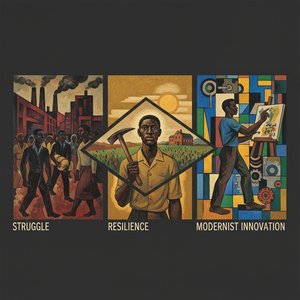
Jacob Lawrence: Narratives of Struggle, Resilience & Modernist Innovation
Explore the powerful narratives of Jacob Lawrence, a pivotal African American artist of the Harlem Renaissance. Discover his iconic 'Migration Series,' dynamic cubism style, and lasting impact on American art history.