Zobrazit v interiéru
 Odeslat
 Sdílet
 Podrobnosti
 Průvodce

 Stáhnout obrázek
 Podobné kousky
 Rentgenové snímky
 Slideshow
 Statistiky
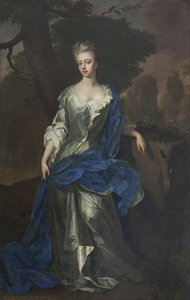
Portrait of an Unknown Lady
 Oil On Canvas
- WallArt
- Baroque Portraiture
 88.0 x 74.0 cm
 National Trust
 Přečíst si více
Ručně malovaná olejová reprodukce
Ručně malované olejné plátno v libovolném rozměru i s rámem, vyrobené našimi umělci na zakázku. ( Přepnout na tiskové verze Přepnout na digitální verzi obrazu)




P118B $10

P118H $10

P118W $10

P438Z $10

P508JH $12

P508YH $12

P805H $10

P805Z $10

P919BZ $10

P919G $10

P919XJ $10

P959ZH $10

P968JZ $12

W106C $8

W218G $10

W218JH $8

W218Y $10

W307PJ $10

W316G $10

W316PJ $8

W316Y $10

W398PJ $8

W4111J $10

W500HY $15

W500JH $15

W692G $12

W849H $8

W940BG $15

W953PJ $8




Vyberte si z našich přednastavených velikostí, které odpovídají původním proporcím díla.

Můžete zadat vlastní rozměry pro konkrétní rám nebo prostor. Pokud se vámi vybraná velikost neshoduje s proporcemi původního obrazu, dílo buď ořízneme, nebo jej doplníme ručně malovanými prvky. Před zahájením výroby vám bude zaslán digitální náhled ke schválení.
Upozorňujeme, že náhled na obrazovce neodpovídá skutečnému ořezu ani rozšíření. Pouze digitální náhled přesně zobrazí finální kompozici.
Ačkoliv je možné zvolit vlastní velikost, pro zachování původních proporcí doporučujeme vybrat rozměr z předdefinovaného seznamu.
Po přijetí objednávky vám tým OriginalUniqueArt.com zašle e-mail s pokyny a poskytne náhledovou verzi.
Celosvětová doprava () za 3–4 týdny namísto standardních 5 týdnů. (25 září). Bez kompromisů v kvalitě.

Zdarma celosvětová expresní doprava

Vysoce kvalitní lněné plátno

Úplné pojištění přepravy

Záruka vrácení celního poplatku

Záruka věrného barevného shodu

100dení lhůta pro vrácení zboží (pouze při vadách výroby)

100% garance vrácení peněz

Sleva při více objednávkách
 Skleněná varianta je dostupná pouze u rozměrů menších než 110 cm

Portrait of an Unknown Lady
Technika provedení
Velikost reprodukce
-


Celková cena
$ 300
A Window into the Late Seventeenth Century: Michael Dahl’s Portrait of an Unknown Lady
Michael Dahl's “Portrait of an Unknown Lady,” painted circa 1724, stands as a quintessential example of Baroque portraiture—a genre that flourished across Europe during the reign of Louis XIV and captivated audiences with its meticulous realism and opulent aesthetic. Executed by Dahl himself alongside Charles d’Agar, this canvas embodies the grandeur and sophistication characteristic of aristocratic patronage in England, reflecting a fascination for capturing not merely likeness but also conveying an aura of status and inner composure.
Composition & Technique: Mastering Light and Shadow
The artwork's composition prioritizes a balanced arrangement centered on the woman’s face, subtly offset to create visual interest. Dahl skillfully employs soft, blended lines—a hallmark of Baroque painting—to sculpt her features with remarkable precision. Layers upon layers of translucent oil paint build up texture, particularly noticeable in the drapery surrounding her torso and shoulders, hinting at the luxurious fabric – likely silk or satin – favored by the elite. The artist’s meticulous blending ensures that highlights illuminate her skin tone and clothing, while shadows deepen the sense of dimensionality, drawing the viewer's eye into the scene.
Color Palette & Symbolism: Restrained Beauty Amidst Dark Undertones
The color palette is deliberately muted, dominated by shades of pale green, creamy beige, and earthy browns—a palette that speaks to the prevailing taste for understated elegance during the Baroque period. These tones are juxtaposed against a deep brown or black background, amplifying the luminosity of the woman’s complexion and garments. The subtle inclusion of pink on her face adds warmth and delicacy, hinting at an idealized beauty – a common motif in portraiture aimed at projecting nobility and virtue.
Historical Context & Artistic Influence
Dahl's work emerged during a period marked by significant artistic innovation and royal patronage. He honed his skills initially in Sweden before relocating to London, where he quickly gained recognition as one of the era’s most celebrated portraitists. Dahl’s style draws heavily from Italian Baroque masters like Caravaggio and Rembrandt, demonstrating an understanding of chiaroscuro—the dramatic interplay between light and dark—that elevates the painting beyond mere representation.
Emotional Resonance: Confidence & Dignity Embodied
"Portrait of an Unknown Lady" transcends its formal subject matter to convey a profound sense of dignity and serenity. The woman’s direct gaze commands attention, projecting confidence and inner strength—qualities valued in aristocratic individuals who sought to project power and refinement. More than just capturing a likeness, Dahl succeeds in encapsulating the spirit of his sitter, inviting contemplation on themes of beauty, status, and timeless grace.
Biografie umělce
A Life Bridging Worlds: The Artistic Journey of Michael Dahl
Michael Dahl, a name synonymous with the elegance and refined grace of 18th-century portraiture, was a Swedish artist whose presence indelibly shaped the English art scene. Born in Stockholm around 1659 – sources subtly vary between 1658 and 1659 – his life wasn’t confined by national borders but rather defined by an ambitious pursuit of artistic mastery that propelled him across Europe, ultimately establishing him as a leading portraitist in England. His story is one woven with threads of familial sacrifice, rigorous training, a pivotal religious conversion born of opportunity, and the astute navigation of diverse cultural landscapes. The unwavering dedication of his mother, Catarina Dahl, to nurturing his talent formed the bedrock upon which his remarkable career was built – a legacy that would see him immortalize royalty, nobility, and leave behind a collection of exquisite paintings celebrated for their aristocratic allure.From Swedish Foundations to Italian Influences
Dahl’s artistic education commenced in Sweden under Martin Hannibal in 1674, an artist brought from Italy by David Klöcker Ehrenstrahl with the specific purpose of establishing a portrait academy. This initial training provided him with fundamental skills and techniques before he transitioned to study directly under Ehrenstrahl himself – a clear indication of Dahl’s burgeoning potential as a student. However, his ambition extended far beyond the confines of Stockholm. In 1682, he embarked on an extensive European educational odyssey, armed with a passport that facilitated travel and fueled a fervent thirst for artistic knowledge. His arrival in London proved to be a pivotal moment; he found himself under the tutelage of Robert White, a highly skilled engraver and painter, assisting him with engraving projects – including a portrait of King Charles XI of Sweden. This experience was invaluable, providing practical skills and an introduction to the intricacies of the English art world. Yet, it was his encounter with Godfrey Kneller that truly shaped his understanding of the market dynamics—Kneller imparted not only technical expertise but also the crucial pragmatism required to cater to public demand – a stark contrast to Ehrenstrahl’s more court-focused approach. Dahl's travels continued to Paris and then Rome, where he encountered a transformative opportunity.Rome, Conversion, and Patronage
The exiled Queen Christina of Sweden played a pivotal role in Dahl’s career during his time in Rome. Recognizing the strategic advantage of access to influential circles and papal patronage, Dahl underwent a significant religious conversion at her urging. This decision opened doors that would have otherwise remained firmly closed, allowing him to paint portraits of the Queen herself and present his work before Pope Innocent XI, who bestowed upon him a gold medal – a tangible testament to his burgeoning talent. The conversion, while perhaps strategically motivated, underscores Dahl’s remarkable adaptability and willingness to navigate complex social and religious landscapes in pursuit of artistic advancement. It was in Rome that he honed his skills further, absorbing the Baroque aesthetic that would become synonymous with his mature work—a style characterized by dramatic lighting, rich colors, and a sense of theatrical grandeur. The patronage system he encountered there proved instrumental in shaping his artistic vision and establishing him as a respected artist within European circles.A Master of English Portraiture
Upon returning to England, Michael Dahl swiftly established himself as a highly sought-after portraitist. He became renowned for his elegant and refined style, capturing not merely the likeness but also the status and personality of his aristocratic sitters. His portraits are distinguished by rich colors, meticulous attention to detail in textures, and an overall sense of grandeur—a reflection of the Baroque influences he had absorbed during his time in Italy. He painted numerous prominent figures, including Queen Anne, Prince George of Denmark, and a constellation of members from the English nobility. Notable works include striking portraits of Sir William Carew, John Churchill (1st Duke of Marlborough), and Sir Robert Walpole – each capturing the subject’s character with remarkable insight and skill. Perhaps one of his most impressive achievements is the triple portrait of the 2nd Earl of Burlington, the 1st Duke of Kingston upon Hull, and the 3rd Baron Berkeley of Stratton—a masterful display of his ability to balance individual characterization with compositional harmony, showcasing a sophisticated understanding of group portraiture.Legacy and Historical Significance
Dahl’s artistic style was a compelling synthesis of Swedish, Italian, and English influences. He absorbed the technical foundations from Hannibal and Ehrenstrahl, learned market savvy from Kneller, and benefited immensely from the patronage system he encountered in Rome. His work embodies the Baroque aesthetic prevalent during his time but infused with a uniquely refined sensibility—a testament to his artistic versatility. He profoundly influenced subsequent generations of portrait painters with his elegant style and technical proficiency, leaving an enduring mark on English portraiture. Beyond his artistic contributions, Michael Dahl’s success as a Swedish artist flourishing primarily in England highlights the international nature of artistic exchange during the Baroque period. He skillfully navigated different cultural contexts, establishing himself as a leading portraitist whose legacy continues to be admired today. His portraits offer invaluable insights into the lives and appearances of the English aristocracy during the early 18th century, serving as both historical documents and enduring works of art—a window into a bygone era of elegance, power, and artistic brilliance.
Michael Dahl
1658 - 1743 , Švédsko
Rychlé informace
- Artistic Movement Or Style: Baroko
- Artists Or Movements Influenced By This Artist: ['18. století portrét']
- Artists Who Influenced This Artist:
- Martin Hannibal
- David Ehrenstrahl
- Date Of Birth: 1659
- Date Of Death: 1743
- Full Name: Michael Dahl
- Nationality: Švédský
- Notable Artworks:
- Portrét Královny Anny
- Sir William Carew
- Place Of Birth: Stockholm, Švédsko
Související články
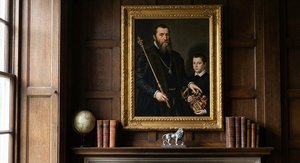
The Gaze of Power: Aristocratic Portraiture & Dynastic Ambition Through the Ages
Explore the fascinating history of aristocratic portraiture & its reflection of power, wealth, and dynastic ambition. Expert insights for discerning collectors at OriginalUniqueArt.
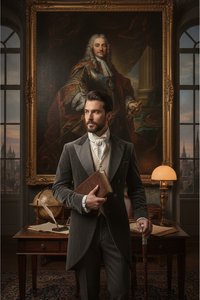
Timeless Sophistication: Iconic Masterpieces of the Elegant Gentleman and the Legacy of Baroque Portraiture
Explore the profound elegance of Baroque portraiture. Discover how masters used light and drama to define authority and identity through iconic masterpieces. Perfect for art enthusiasts seeking historical depth and museum-quality inspiration.

Drama and Light: A Definitive Guide to the Power and Emotion of Baroque Portraiture
Explore the dramatic world of Baroque portraiture. Discover how masters used chiaroscuro and light to evoke profound emotion during the Counter-Reformation. A definitive guide for art enthusiasts seeking to understand the power of 17th-century masterpieces.
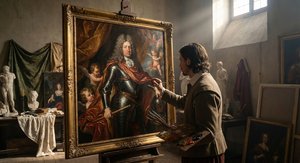
The Grandeur of Baroque Portraiture: Power, Emotion & Artistic Innovation
Explore the grandeur of Baroque portraiture! Discover Rubens, Van Dyck & the masters of 17th-century art. Uncover symbolism, techniques & lasting influence. Expert insights for collectors and enthusiasts.

Barokní mistrovská díla: 10 obrazů, které definovaly umělecký styl | OriginalUniqueArt.cz
Objevte 10 ikonických děl barokního umění – od Caravaggia po Rembrandta. Ponořte se do příběhů mistrů, technik a emocí tohoto velkolepého období. Reprodukce obrazů nejvyšší kvality na OriginalUniqueArt.com! Prozkoumejte celou kolekci online.