
 Náhled v interiéru
 Sdílet
 Sdílet
 Podrobnosti o díle
 Průvodce

 Stáhnout
 Podobné položky
 Rentgenové snímky
 Slideshow
 Otázky a odpovědi
 Statistiky
Peacocks

- 190.0 x 135.0 cm


 Zobrazit více
Giclée / Umělecký tisk
Giclée nebo plátěný tisk muzeální kvality s rychlou výrobou a širokou nabídkou povrchových úprav. ( Koupit ručně malovaný obraz Přepnout na digitální obraz)




P118B Kč10

P118H Kč10

P118W Kč10

P438Z Kč10

P508JH Kč12

P508YH Kč12

P805H Kč10

P805Z Kč10

P919BZ Kč10

P919G Kč10

P919XJ Kč10

P959ZH Kč10

P968JZ Kč12

W106C Kč8

W218G Kč10

W218JH Kč8

W218Y Kč10

W307PJ Kč10

W316G Kč10

W316PJ Kč8

W316Y Kč10

W398PJ Kč8

W4111J Kč10

W500HY Kč15

W500JH Kč15

W692G Kč12

W849H Kč8

W940BG Kč15

W953PJ Kč8




Vyberte si z našich přednastavených velikostí, které odpovídají původním proporcím díla.

Zadejte šířku a výšku, které potřebujete pro váš rám nebo stěnu. Tisk lze pouze oříznout, nikdy však nelze zvětšit obraz nad jeho původní rozměr, proto při výběru jiného formátu dochází ke ztrátě části obrazu. Před samotným tiskem vám zašleme digitální náhled k schválení. Obraz zobrazený na této stránce nenabízí skutečný výřez — ten uvidíte pouze v náhledu.
Celosvětové doručení () do 2 týdnů namísto standardních 4/5 týdnů. (8 listopad)

Zdarma celosvětová expresní doprava

Vysoce kvalitní lněné plátno

Kompletní pojištění přepravy

Záruka vrácení celního poplatku

Záruka věrného barevného souladu

100dení lhůta pro vrácení zboží (pouze při vadách výroby)

100% záruka vrácení peněz

Sleva při více objednávkách
 Skleněná varianta je dostupná pouze u rozměrů menších než 110 cm

Peacocks
Giclée / Umělecký tisk
Rozměry reprodukce
-


Celková cena za vybrané možnosti reprodukcí
Kč 1763
Melchior de Hondecoetter’s “Peacocks” – A Symphony of Baroque Detail
The Dutch Golden Age witnessed an unparalleled flourishing of artistic innovation, and Melchior de Hondecoetter stands as a towering figure within this era's remarkable canon. His mastery of animalier painting—a genre dedicated to meticulously capturing the beauty and dynamism of animals—reached its zenith in works like “Peacocks,” completed around 1683, now housed at The Metropolitan Museum of Art. This stunning canvas transcends mere representation; it embodies the Baroque spirit’s obsession with dramatic lighting, opulent textures, and an emotional intensity rarely achieved by his contemporaries.A Celebration of Exotic Beauty: Subject Matter and Composition
Hondecoetter's fascination with birds extended far beyond scientific observation. He sought to convey not just their physical appearance but also their inherent character—their grace, nobility, and even their subtle expressions of emotion. “Peacocks” exemplifies this approach perfectly. The centerpiece is a magnificent peacock, rendered in exquisite detail against a backdrop of lush foliage. Its iridescent plumage shimmers with an array of colors – emerald green, sapphire blue, ruby red – achieved through masterful layering of pigments and meticulous brushwork. Surrounding the peacock are several smaller peacocks and birds—including parrots—creating a dynamic composition that captures the vibrancy of nature. The artist’s careful placement of these figures contributes to a sense of depth and spatial illusion characteristic of Baroque art.Technique and Style: Baroque Precision Meets Emotional Resonance
Hondecoetter's technique is undeniably Baroque, prioritizing realism combined with expressive artistry. He employed oil paint on canvas—a medium favored during the period for its ability to produce rich colors and luminous effects—and utilized glazing techniques to build up layers of pigment gradually, resulting in a velvety surface texture that enhances the visual impact of the painting. The artist’s meticulous attention to detail is evident throughout “Peacocks,” from the individual feathers of the peacock to the delicate veins of the leaves. However, Hondecoetter didn't merely aim for photographic accuracy; he infused his work with emotion—a palpable sense of wonder and admiration for the natural world. This emotional resonance distinguishes him from other animaliers of his time who focused primarily on documenting specimens.Historical Context: The Baroque Aesthetic in Dutch Art
“Peacocks” emerged during a period of immense artistic creativity in Holland, coinciding with the reign of William III—a monarch deeply invested in fostering cultural excellence. The Baroque style, originating in Italy, had gained considerable traction across Europe, influencing artists and shaping aesthetic sensibilities. Hondecoetter’s embrace of this style reflects broader trends within Dutch art, where painters sought to convey grandeur, drama, and spiritual fervor. Furthermore, the painting speaks to the burgeoning interest in scientific exploration during the seventeenth century—a fascination with observing and representing the natural world that fueled artistic endeavors like “Peacocks.”Symbolism: Peacock as Emblem of Royalty and Virtue
The peacock’s inclusion in “Peacocks” is laden with symbolic significance. Throughout European art history, the peacock has served as an emblem of royalty—specifically the Holy Roman Emperor—due to its magnificent plumage resembling imperial robes. More broadly, it represents virtue, pride, and immortality—qualities highly valued during the Baroque era. Hondecoetter’s depiction captures not only the visual splendor of the bird but also its spiritual essence, elevating “Peacocks” beyond a mere botanical illustration into a profound meditation on beauty and nobility.Conclusion: An Enduring Legacy
Melchior de Hondecoetter's "Peacocks" remains an extraordinary testament to Baroque artistry—a painting that continues to captivate viewers centuries later. Its masterful technique, evocative composition, and symbolic richness exemplify the genre’s ambition to elevate art beyond mere representation, achieving instead a powerful emotional impact. It stands as a cornerstone of Dutch Golden Age art, securing Hondecoetter's place among the most celebrated animaliers of his time and ensuring that “Peacocks” will forever inspire admiration for its exquisite beauty and artistic brilliance.Otázky a odpovědi
Jak si mohu prohlédnout „Peacocks“ od Melchior De Hondecoetter ve formě skluzobránku?
K dispozici je sklízivka: stránka Slideshow díla „Peacocks“ od Melchior De Hondecoetter.
V jakém formátu je dílo „Peacocks"?
„Peacocks“ od Melchior De Hondecoetter je Portrait kompozice. Před výběrem velikosti tisku je vhodné si zkontrolovat její poměry stran.
Jak mohu objevit umělecká díla podobná dílu „Peacocks“ od Melchior De Hondecoetter?
Stránka Podobná díla pro dílo „Peacocks“ od Melchior De Hondecoetter obsahuje související umělecká díla.
Biografie umělce
The Avian Majesty of Melchior de Hondecoeter
In the golden twilight of the Dutch Golden Age, few artists captured the vibrant pulse of the natural world as vividly as Melchior de Hondecoeter. A master of the Baroque era, his brush possessed a rare alchemy, capable of transforming mere pigment into the iridescent sheen of a peacock’s plume or the delicate, translucent down of a songbird. Born in Utrecht around 1636, Hondecoetter emerged not merely as a painter of animals, but as a storyteller of the exotic and the magnificent. His work serves as a window into a century defined by global exploration, where the arrival of rare species from distant lands ignited a profound fascination with the wonders of the natural order.
The foundation of his extraordinary talent was laid through rigorous discipline and an unwavering commitment to anatomical truth. Apprenticeship under the esteemed Willem van Royen provided him with the technical scaffolding necessary to master the complexities of light and shadow. Yet, Hondecoetter’s genius lay in his ability to transcend mere scientific documentation. While he approached his subjects with the precision of a naturalist—studying musculature and skeletal structure with almost clinical devotion—he infused every composition with a theatrical energy characteristic of the Baroque movement. His canvases are never static; they are stages where birds interact, preen, and take flight amidst lush, atmospheric landscapes.
A Symphony of Color and Motion
To gaze upon a Hondecoeter masterpiece is to experience a sensory deluge. He rejected the muted, somber palettes that often characterized much of Dutch genre painting, opting instead for a bold, expressive use of color that commands the viewer's attention. His technique was a sophisticated balance of precise observation and expressive bravura. Through masterful rendering of texture, he could differentiate between the heavy, waxy surface of a waterfowl’s wing and the soft, airy lightness of a forest dweller. This tactile quality creates an immersive experience, pulling the observer into a world where the rustle of feathers feels almost audible.
The development of his style saw him move toward increasingly complex and dynamic compositions. He became renowned for his ability to arrange multiple subjects within a single frame, creating a sense of organized chaos that mirrors the untamed beauty of nature. These works often featured:
- Exoticism: The inclusion of rare, brightly colored birds that symbolized wealth, discovery, and the expanding horizons of the Dutch Republic.
- Dramatic Lighting: A use of chiaroscuro that highlighted the intricate details of plumage while casting deep, mysterious shadows in the surrounding foliage.
- Narrative Depth: Scenes that suggested a larger story, whether it be a moment of predatory tension or a peaceful interlude in a sun-drenched garden.
Legacy and Historical Significance
Melchior de Hondecoeter’s influence extended far beyond the borders of the Netherlands. As an animalier, he helped establish a specialized genre that would captivate collectors across Europe, from the courts of kings to the homes of wealthy merchants. His ability to marry scientific accuracy with high art ensured that his work was valued both for its aesthetic splendor and its contribution to the era's burgeoning interest in natural history.
Though his life ended in 1695, his artistic footprint remains indelible. He did not simply paint birds; he elevated them to subjects of profound dignity and drama. In an age of discovery, Hondecoeter acted as a visual chronicler of the earth's splendor, leaving behind a legacy of canvases that continue to breathe with life, color, and an eternal sense of wonder. His work remains a testament to the power of art to bridge the gap between the observed world and the human imagination.

Melchior De Hondecoetter
1636 - 1695
Rychlé informace o umělci
- Full Name: Melchior de Hondecoetter
- Nationality: Dutch
- Date Of Birth: 1636
- Date Of Death: 1695
- Place Of Birth: Utrecht, Netherlands
- Notable Artworks:
- A Cock
- The Menagerie
- Birds, Butterflies and a Frog Among Plants and Fungi
- Artistic Movement Or Style: Baroque
- Artists Who Influenced This Artist: ['None Known']
- Artists Or Movements Influenced By This Artist: ['William Hendrik Wilhemus van Royen']
Související články

Francisco Goya: 25 mistrovských děl španělského génia | OriginalUniqueArt.cz
Prozkoumejte 25 ikonických děl Francisca Goyi – od romantických portrétů po temné tiskoviny. Objevte příběhy, techniky a umělecký význam španělského mistra na OriginalUniqueArt.cz. Reprodukce obrazů pro váš interiér.

O nás
Objevte náš příběh! Přinášíme umění světové úrovně do vašeho života prostřednictvím odborného výběru, zakázkové tvorby a bezplatných náhledů. Osvědčeno jednotlivcům i firmám od roku 2000.
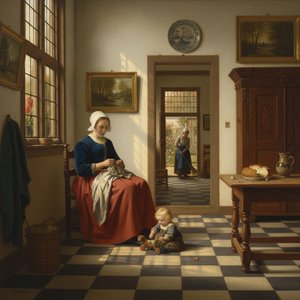
Pieter de Hooch: Illuminating Dutch Domestic Life & Golden Age Charm
Explore the captivating world of Pieter de Hooch, a master of Dutch Golden Age painting. Discover his innovative use of light, intimate domestic scenes, and lasting influence on art history. Learn more at OriginalUniqueArt.

Top 10 mistrovských děl holandského baroka – obrazy a umělci | OriginalUniqueArt.cz
Objevte 10 ikonických děl holandského baroka! Prozkoumejte příběhy Rembrandta, Vermeera a dalších mistrů. Repliky obrazů nejvyšší kvality pro váš interiér na OriginalUniqueArt.cz – inspirace a umělecké reprodukce online.

Golden Age Reflections: Dutch Baroque Painting & Cultural Innovation
Explore the Dutch Golden Age of painting! Discover key artists like Vermeer & ter Borch, their innovative techniques, and the rich cultural context behind these Baroque masterpieces. Learn about collecting & appreciating this iconic art period.