Text size

() ·

A painting made for you, by hand

Ubu Imperator

Ručně malovaná olejová reprodukce

Rukou malované olejné plátno v libovolném rozměru i s rámem, vyrobené našimi umělci na zakázku. ( Přepnout na tisk Přepnout na digitální obraz)

Popis sbírného předmětu

Ubu Imperator by Max Ernst – A surrealist painting depicting a man holding a colossal red vase or cannon amidst a detailed tableau featuring a bird, clock, and chair.

Biografie umělce

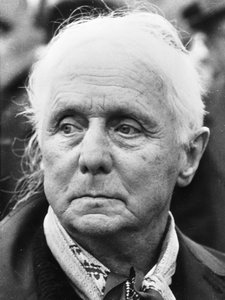
Max Ernst (1891–1976): Surrealist malíř, inovátor technik jako frottáž a koláž. Jeho díla evokují sny

from ·

Chapter 1

How large should it be?

Slide to change the size; the picture on the left shows the frame at its real width. The proportions of the original are kept.

Standardní velikost
na zakázku
CM
INCH

Vyberte si z našich přednastavených velikostí, které odpovídají původním proporcím díla.

šířka
výška

Zadejte šířku a výšku, které potřebujete pro váš rám nebo stěnu. Protože se jedná o ruční malbu, při výběru jiného formátu může umělec kolem obrazu domalovat o něco více, nebo jej mírně oříznout — rozhodnete si vy. Před zahájením malby vám zašleme digitální náhled ke schválení. Obraz zobrazený na této stránce neodpovídá skutečnému výsledku — pouze digitální náhled jej zobrazuje.

Chapter 2

How should it arrive?

Choose the edges of the stretched canvas

Choose your frame

Corner sample of the WhiteWrap canvas edge finish, stretched on masivní dřevo bars
White Kč1
Corner sample of the BlurSideWrap canvas edge finish, stretched on masivní dřevo bars
Blurside Kč1
Corner sample of the ExtendedWrap canvas edge finish, stretched on masivní dřevo bars
Extended Kč1
Corner sample of the P118B picture frame: tvarovaný polystyren, 5 cm wide and 3 cm thick
P118B Kč10
Corner sample of the P118H picture frame: tvarovaný polystyren, 5 cm wide and 3 cm thick
P118H Kč10
Corner sample of the P118W picture frame: tvarovaný polystyren, 5 cm wide and 3 cm thick
P118W Kč10
Corner sample of the P438Z picture frame: tvarovaný polystyren, 5.5 cm wide and 3.5 cm thick
P438Z Kč10
Corner sample of the P508JH picture frame: tvarovaný polystyren, 7 cm wide and 3.5 cm thick
P508JH Kč12
Corner sample of the P508YH picture frame: tvarovaný polystyren, 7 cm wide and 3.5 cm thick
P508YH Kč12
Corner sample of the P805H picture frame: tvarovaný polystyren, 5 cm wide and 3.5 cm thick
P805H Kč10
Corner sample of the P805Z picture frame: tvarovaný polystyren, 5 cm wide and 3.5 cm thick
P805Z Kč10
Corner sample of the P919BZ picture frame: tvarovaný polystyren, 7 cm wide and 3.5 cm thick
P919BZ Kč10
Corner sample of the P919G picture frame: tvarovaný polystyren, 7 cm wide and 3.5 cm thick
P919G Kč10
Corner sample of the P919XJ picture frame: tvarovaný polystyren, 7 cm wide and 3.5 cm thick
P919XJ Kč10
Corner sample of the P959ZH picture frame: tvarovaný polystyren, 5 cm wide and 3 cm thick
P959ZH Kč10
Corner sample of the P968JZ picture frame: tvarovaný polystyren, 6 cm wide and 4 cm thick
P968JZ Kč12
Corner sample of the W106C picture frame: masivní dřevo, 5 cm wide and 3 cm thick
W106C Kč8
Corner sample of the W218G picture frame: masivní dřevo, 5 cm wide and 3 cm thick
W218G Kč10
Corner sample of the W218JH picture frame: masivní dřevo, 5 cm wide and 3 cm thick
W218JH Kč8
Corner sample of the W218Y picture frame: masivní dřevo, 5 cm wide and 3 cm thick
W218Y Kč10
Corner sample of the W307PJ picture frame: masivní dřevo, 6 cm wide and 3 cm thick
W307PJ Kč10
Corner sample of the W316G picture frame: masivní dřevo, 6 cm wide and 3 cm thick
W316G Kč10
Corner sample of the W316PJ picture frame: masivní dřevo, 6 cm wide and 3 cm thick
W316PJ Kč8
Corner sample of the W316Y picture frame: masivní dřevo, 6 cm wide and 3 cm thick
W316Y Kč10
Corner sample of the W398PJ picture frame: masivní dřevo, 5 cm wide and 3 cm thick
W398PJ Kč8
Corner sample of the W4111J picture frame: masivní dřevo, 6.5 cm wide and 3.5 cm thick
W4111J Kč10
Corner sample of the W500HY picture frame: masivní dřevo, 7 cm wide and 5 cm thick
W500HY Kč15
Corner sample of the W500JH picture frame: masivní dřevo, 7 cm wide and 5 cm thick
W500JH Kč15
Corner sample of the W692G picture frame: masivní dřevo, 8 cm wide and 4 cm thick
W692G Kč12
Corner sample of the W849H picture frame: masivní dřevo, 5 cm wide and 3 cm thick
W849H Kč8
Corner sample of the W940BG picture frame: masivní dřevo, 7.5 cm wide and 4.5 cm thick
W940BG Kč15
Corner sample of the W953PJ picture frame: masivní dřevo, 6 cm wide and 3.5 cm thick
W953PJ Kč8
Corner sample of the H24-GOLD picture frame: řezané dřevo s gessu, 10 cm wide and 6 cm thick
H24-GOLD Kč30
Corner sample of the H24-SILVER picture frame: řezané dřevo s gessu, 10 cm wide and 6 cm thick
H24-SILVER Kč30
Corner sample of the H36-GOLD picture frame: řezané dřevo s gessu, 15 cm wide and 6.5 cm thick
H36-GOLD Kč45
Corner sample of the H36-SILVER picture frame: řezané dřevo s gessu, 15 cm wide and 6.5 cm thick
H36-SILVER Kč45

Moulding: . Overall size with the frame: .

Chapter 3

Who paints it, and should anything change?

Examples of what can be changed: Replace face with customer photo; Add pet (e.g., replace cat with dog); Include hidden message in background; Change background landscape or elements.
After order, OriginalUniqueArt.com team will email client for instructions and provide a mockup preview

Celosvětová doprava () za 3–4 týdny namísto standardních 5 týdnů. (1 listopad). Bez kompromisů v kvalitě.

Chapter 4

The finishing touches

A nameplate, as in a museum?

Detaily ryté bronzové plakety

This elegant plaque features the artist's name and the title of the artwork, finely engraved for a timeless presentation.

It is made from bronze with a refined, elegant finish. The text is precisely laser-engraved for a sharp and permanent result. Measuring 9x2 cm, the plaque is compact yet easy to read. It's built to be durable and scratch-resistant, offering a professional, museum-quality look. Mounting is simple thanks to the included adhesive backing.

Detaily průhledné akrylové desky

The plaque includes essential engraved details such as the artist's name, the title of the artwork, the date it was created, the type of media used-like oil on canvas or watercolor-a brief description of the piece, and a QR code that links to the complete artwork information.

It is crafted from clear acrylic, offering a sleek, modern appearance. The text is UV-engraved in black to ensure strong visual contrast. With a size of 10x15 cm, it ensures optimal readability. It comes equipped with two metal hooks for secure wall mounting. The plaque is designed to be weather-resistant, making it suitable for various environments, and it includes interactive features that work seamlessly with smartphone scanning.

Detaily černé akrylové destičky

This elegant plaque includes engraved information such as the artist's name, the title of the artwork, the date it was created, the type of media used (like oil on canvas or watercolor), a short description of the artwork, and a QR code for quick access to more information.

The plaque itself is made from refined black acrylic with a premium finish. The text is laser-engraved in white for high contrast and readability. Its size is 10x15 cm, designed to be easy to read. It comes with two metal hooks for professional mounting. The design is sleek and fits any interior style. It is also weather-resistant and durable, with built-in digital integration for mobile compatibility.

A protective varnish?

When do you need it?

Chapter 5

Your painting, as you ordered it

Ubu Imperator

Technika reprodukce

Rozměry reprodukce

-

Vybraní mistři umění

Vyšší míra detailu, jemnosti a delší doba výroby

-

Možnosti rámování reprodukcí

-

-

U děl nebo reprodukcí, u nichž je jakákoliv strana větší než 105 cm (přibližně 41 palců), bude rám dodán jako sestava v rozloženém stavu. Tato metoda zajišťuje bezpečné doručení a chrání dílo před poškozením během přepravy.

Vyžaduje se odborná montáž – nejedná se o produkt pro svépomocnou realizaci (DIY).
Sestava musí být složena a plátno napnuto zkušeným profesionálním rámovačem s použitím dřevěného lepidla (není součástí balení), kleští na napínání plátna a svorek pro udržení pravých úhlů křížů během schnutí lepidla. Nesprávná montáž nebo nerovnoměrné napnutí plátna může způsobit trvalé poškození uměleckého díla, které není kryto naší zárukou.

  • Jsou zahrnuty všechny lišty z masivního dřeva, přesně na míru nařezané.

  • Sestavuje se pomocí součástí balení (šroubů), plus dřevěného lepidla na rohové spoje, které není součástí balení a musí jej zajistit váš rámovač.

  • Vyžaduje se profesionální nářadí, které není součástí sady: kleště na napínání plátna a svorky pro udržení kolmosti příček během schnutí lepidla.

Důležité:
Spoje v rozích vyžadují lepidlo na dřevo, tyčinky musí být přichyceny pomocí svorek, dokud lepidlo zcela neuschne, a pro napnutí plátna na sestavený rám je zapotřebí kleští na natahování plátna. Žádný z těchto náčiní není součástí sady. Před objednáním této velikosti prosím zajistěte zkušeného profesionálního rámovače.

Popisek díla

-

-

Ochranný lak

Lesklý lak (zvýrazňuje barvy, chrání před světlem a vlhkostí)

-

Přizpůsobit své umělecké dílo

Příklady možných úprav: nahrazení obličeje fotografií zákazníka; přidání domácího mazlíčka (např. výměna kočky za psa); vložení skrytého vzkazu do pozadí; změna krajiny nebo prvků v pozadí.

-

Prioritní doručení

Celosvětové doručení () za 3–4 týdny namísto standardních 5 týdnů. (1 listopad). Bez kompromisů v kvalitě.

-

Expresní doručení

Celosvětová doprava () do 5 týdnů. (8 listopad).

V ceně

Celková cena za vybrané možnosti reprodukcí

Kč 6518

Celková cena Kč 6518

Skleněná varianta je dostupná pouze u rozměrů menších než 110 cm

Included with every order

  • Zdarma celosvětová expresní doprava
  • Vysoce kvalitní lněné plátno
  • Kompletní pojištění přepravy
  • Záruka vrácení celního poplatku
  • Záruka věrného barevného souladu
  • 100dení lhůta pro vrácení zboží (pouze při vadách výroby)
  • 100% záruka vrácení peněz
  • Sleva při více objednávkách

A Visionary Encounter in the Realm of the Unconscious

The canvas holds an arresting stillness, yet pulsates with a hidden, restless energy—a testament to the visionary approach of Max Ernst and his seminal work, “Ubu Imperator.” Painted in 1923 during the height of Dadaism and the burgeoning fervor of Surrealism, this monumental piece transcends mere representation; it is a deliberate provocation designed to unsettle the viewer and confront them with unsettling juxtapositions. Within this composition, we encounter a scene that feels plucked from a fever dream, where the boundaries between reality and the subconscious dissolve into a tapestry of strange, evocative forms.

At its heart, the painting presents a figure—presumably representing Ubu Imperator, the tyrannical ruler from Alfred Jarry’s absurdist drama—seated upon a throne constructed of interwoven branches. A disconcerting bird perches precariously atop this structure, serving as a poignant symbol of fragility and vulnerability juxtapared against the imposing, heavy grandeur of power. This tension highlights the inherent contradictions within human ambition and the precarious nature of authority. As the eye wanders through the detailed landscape, one might notice a clock dominating the composition, adding a layer of temporal anxiety to an otherwise timeless, dreamlike space.

The Alchemy of Texture and Technique

Ernst’s method was nothing short of revolutionary, abandoning traditional academic conventions in favor of an experimental process known as frottage. Deeply influenced by his fascination with psychoanalysis and Carl Jung's theories on the unconscious, Ernst meticulously rubbed pencil over textured surfaces—wood grain, fabric, even dried leaves—capturing their organic impressions onto the canvas beneath. This layering of textures is far from accidental; it serves as a conduit for accessing hidden realms of the imagination, mirroring the way the subconscious mind generates unexpected patterns and forms.

The resulting surface is riddled with subtle variations in tone and texture, creating an illusionistic depth that defies conventional perspective. For the collector or interior designer, this technique offers a tactile richness that brings a sense of movement and organic life to any space. The painting does not merely sit upon the wall; it breathes through its complex, scraped, and rubbed surfaces, inviting the viewer to lean closer and discover the secrets hidden within its many layers.

A Legacy of Rebellion and Surrealist Splendor

To possess a reproduction of “Ubu Imperator” is to hold a piece of art history that captures the very moment when the modern psyche began to explore its own shadows. Max Ernst, a primary pioneer of both Dada and Surrealism, used his work to grapple with the "why" of existence rather than just the "how." His refusal to adhere to formal training allowed him to invent entirely new visual languages, making his works timelessly relevant to contemporary tastes that value authenticity and psychological depth.

For those seeking to infuse a room with intellectual intrigue and emotional resonance, this piece offers an unparalleled opportunity. Whether placed in a sophisticated gallery-style living room or a curated study, the painting acts as a conversation starter—a window into a world where the bizarre becomes beautiful and the mechanical meets the organic. It is more than a decoration; it is an invitation to wonder, a fragment of a revolution that continues to captivate the modern soul.

Otázky a odpovědi

Jakou intenzitu barev má „Ubu Imperator“ od Max Ernst?

Barvy v díle „Ubu Imperator“ od Max Ernst mají Vivid intenzitu.

Kdy a z jakých materiálů bylo dílo "Ubu Imperator" vytvořeno?

Dílo „Ubu Imperator“ vzniklo v roce 1923 s využitím techniky Oil On Canvas. Materiál a datum popisují, jakým způsobem a kdy byl originál vytvořen.

Z jaké země pochází dílo Surrealism s názvem "Ubu Imperator"?

Dílo „Ubu Imperator“ vytvořil/a Max Ernst, narozený/á v Německo, v rámci směru Surrealism. Původ umělce/umělkyně propojuje toto dílo s Surrealism, jak jej praktikují umělci z Německo.

More about this painting

Náhled v interiéru Náhled v AR Přepnout na tisk Přepnout na digitální obraz Sdílet
Podrobnosti o díle Průvodce Přidat do oblíbených Stáhnout Podobné položky Rentgenové snímky Slideshow Q&A Statistiky

In numbers

  • 1923the year it was painted
  • 29frames to choose from
  • standard sizes, in its own proportions
  • 5weeks to paint and deliver it

About the original

Rozměry
100.0 x 81.0 cm
Max Ernst

Max Ernst

1891 - 1976, Německo

Quick facts about Max Ernst

  • Artistic Movement Or Style: Dada, Surrealismus
  • Artists Or Movements Influenced By This Artist:
    • Surrealismus
    • Dada
  • Artists Who Influenced This Artist:
    • Picasso
    • Van Gogh
    • Gauguin
  • Date Of Birth: 1. dubna 1891
  • Date Of Death: 1. dubna 1976
  • Full Name: Max Ernst
  • Nationality: Německý-Americký, Francouzský
  • Notable Artworks:
    • Ofrenda funeraria
    • The Equivocal Woman
    • L'Ange du foyer
  • Place Of Birth: Brühl, Německo

Biografie umělce

A Life Immersed in the Surreal

Max Ernst, narozený Maximilian Maria Ernst 1. dubna 1891 v Brühl u Kolína nad Rýnem, byl duchem volným a předurčeným k tomu, aby se stal jednou z klíčových postav 20. století ve světě umění. Jeho cesta nebyla cestou konvenčního uměleckého vzdělávání; spíše to byla sebevlastní průzkum poháněný filozofickou zvědavostí, psychologickým zájmem a hlubokým zklamáním z společenských norem. Jeho otec, učitel neslyšících a amatérský malíř, v něm zanechal jak citlivost k světu, tak rebélie proti zavedenému řádu. Tato raná duality se stala definující vlastností jeho umělecké vize.

Ernstovy akademické úsilí na Univerzitě v Bonnu – zahrnující filozofii, dějiny umění, literaturu, psychologii a psychiatrii – nebyly pouhými odbočkami, ale hluboce informovaly jeho pozdější tvorbu. Nebyl jen zájem o *jak* malovat; zkoumal *proč*. Tato intelektuální zvědavost ho vedla k setkání s průkopnickými díly Picassa, Van Gogha a Paula Gaugna na výstavě Sonderbund v Kolíně v roce 1912 – okamžik, který neodvratně změnil jeho uměleckou dráhu. Semena modernismu byla zasadena.

Dada’s Disruption and the Birth of Surrealist Visions

Rozhořčení první světové války se ukázalo jako milník pro Ernsta. Jeho zkušenosti jako vojáka na východní i západní frontě ho hluboce otřásly, což vedlo k hluboké nedůvěře k zavedenému řádu a touze po nových formách vyjádření. Toto zklamání našlo útočiště v rozvíjejícím se dadaismu, kterému se pevně zavázal poté, co se vrátil do Kolína v roce 1918. Vedle Hana Arpa – věrného přítele a spolupracovníka – se Ernst stal klíčovou postavou kolínské Dada skupiny, odmítl tradiční umělecké konvence a přijmul absurditu, náhodu a protiracionálnost.

Dada však byla jen mezikrok. V počátcích 20. let se Ernst přesunul do Paříže a připojil se k Surrealistům vedeným André Bretonem. To znamenalo posun směrem k prozkoumávání snu, nevědomí a iracionality. Vliv psychoanalytických teorií Sigmunda Freuda vedl Ernsta k tomu, aby odhaloval skryté hloubky lidské zkušenosti prostřednictvím svého umění. Nebyl zájem o zobrazení reality tak, jak se jeví, ale spíše o odhalení podkladních psychologických sil, které ji utvářejí.

Pioneering Techniques: Frottage, Grattage, and Collage

Ernstova umělecká inovace se rozprostřela za hranice předmětu; byl neúnavným experimentátorem s technikami. Nevzal pouze stávající metody – vynalezl nové. Možná jeho nejznámější příspěvek je frottage, proces otírání tužky nebo grafitu na texturované povrchy za účelem vytvoření neočekávaných a sugestivních obrazů. Tato technika, která vznikla z momentu nudy při pozorování dřevěných vláken, umožnila Ernstovi zapojit podvědomí a generovat tvary, které odporovaly vědomé kontrole. Blízce spojená byla grattage, kde se barva škrabe po plátně a odhaluje podkladové vrstvy.

Mistrovsky také využíval collage, sestavování rozptýlených prvků – obrázků z časopisů, vědeckých ilustrací, fotografií – do surrealistických kompozic, které podkopávaly konvenční představy o reprezentaci. Tyto techniky nebyly pouhé stylistické volby; byly nedílnou součástí jeho průzkumu nevědomí a touhy po narušení tradičních uměleckých hranic. Jeho obrazy často zobrazují opakující se symbolický obrazový materiál: ptáky (zvláště svého alter ego Loplop), pusté krajiny, znepokojivé juxtaposice a všudypřítomný pocit záhady.

A Legacy of Innovation and Influence

Rozruch druhé světové války přinutil Ernsta uprchnout z Evropy a hledat útočiště v USA. Pokračoval ve své tvorbě a experimentování s novými technikami po celou dobu svého vyhnanství, nakonec se vrátil do Francie po válce, kde zůstal aktivní až do své smrti 1. dubna 1976 v Paříži. Jeho vliv na další generace umělců je nezměřitelný.

Max Ernstovy příspěvky k Dadaismu a Surrealismu byly bezesporu průlomové. Zpochybnil umělecké normy, prozkoumal hloubky lidského nevědomí a vynalezl inovativní techniky, které inspirují umělce dodnes. Nebyl jen malíř; byl průzkumník, provokátor a vizionář, který rozšířil hranice umění samotného.

  • Klíčové díla: The Entire City, Euclides, Of This Men Shall Know Nothing, Forest and Dove
  • Vlivy: Pablo Picasso, Vincent van Gogh, Paul Gauguin, Sigmund Freud, Giorgio de Chirico
  • Směry: Dada, Surrealismus

Rychlé informace

  • Influences:
    • Dada
    • Symbolism
  • Year: 1923
  • Title: The Large Red Vase
  • Notable elements or techniques: Frottage, Grattage
  • Movement: Surrealism
  • Location: Private Collection

Artový kvíz

U každé otázky je pouze jedna správná odpověď.

Otázka 1:
What artistic movement is Max Ernst primarily associated with?
Otázka 2:
The painting prominently features a large red object resembling what?
Otázka 3:
What technique did Max Ernst invent to create images?
Otázka 4:
Besides the main figure, what other elements contribute to the composition of the artwork?
Otázka 5:
What is the overall mood or atmosphere conveyed by the painting?