
 Náhled v interiéru
 Sdílet
 Sdílet
 Podrobnosti o díle
 Průvodce

 Stáhnout
 Podobné položky
 Rentgenové snímky
 Slideshow
 Otázky a odpovědi
 Statistiky
Day and Night

- 112.0 x 146.0 cm


 Zobrazit více
Získejte soubor připravený k tisku, který svou kvalitou výrazně převyšuje webový náhled. Každý prodávaný digitální obraz pochází z vysokorozlišeného originálu v naší databázi – obvykle o šířce 5 000 až 15 000 pixelů – díky čemuž můžete tisknout ve velkém formátu, provádět těsný střih nebo si s jistotou užít i ty nejjemnější detaily.
Žádný soubor neopustí naše studio bez úprav. Digitální expert kontroluje barvy v porovnání s původním malířským dílem a v případě potřeby je upravuje, poté pomocí profesionálních nástrojů pro retuš zvyšuje ostrost a detailnost — přičemž vždy zůstává věrný tahům štětcem a stylu umělce. Výsledkem je obraz, který vypadá jako malba, nikoliv jako naskenovaný snímek s filtrem.
Schvalování před dokončením: náš expert vám do 72 hodin zašle obraz e-mailem k revizi. Nejsste spokojeni? Můžete požádat o úpravy či opravy, nebo si můžete vyžádat vrácení peněz, pokud kvalita neodpovídá vašim očekáváním.
Tuto kvalitu využívají vydavatelství, designová studia, galerie i tiskárny.
Digitální obrazy
Stáhněte si soubor ve vysokém rozlišení pro osobní prohlížení, tisk nebo kreativní projekty. ( Přepnout na tisk Koupit ručně malovaný obraz)
Součást každé objednávky digitálního obrazu
Profesionální digitální doručení, zaručené
Když si vyberete OriginalUniqueArt.com, nezískáváte pouze obrázek – získáváte digitální umělecké dílo s profesionálně vylepšenými detaily, zpracované s precizností a podpořené zárukou za spokojenost. Zde je vše, co vaše objednávka automaticky obsahuje:

Rychlé doručení e-mailem
Váš digitální obraz ve vysokém rozlišení vám bude zaslán e-mailem do 72 hodin od objednávky – připraven k okamžitému použití.

Digitální soubor s využitím AI
Vaše umělecké dílo je profesionálně optimalizováno pomocí pokročilých nástrojů umělé inteligence a manuální úpravy, což zajišťuje maximální úroveň detailu, ostrosti a přesnosti barev.

Doživotní bezplatné znovuodeslání digitálních obrazů
Soubor jste omylem smazali nebo ztratili? Žádný problém – kdykoliv vám ho znovu zašleme zcela zdarma.

Bez poplatků za dovoz – navždy
Užijte si své umělecké dílo okamžitě bez celních poplatků, daní nebo nákladů na dopravu – digitální stažení je vždy bez daňových povinností.

Záruka přesnosti barev
Díky profesionálním nástrojům a správě barev zajišťujeme, aby váš digitální obraz odrážel původní barvy co nejvěrněji.

100dená záruka spokojenosti
Pokud nebudete s digitálním obrázkem spokojeni, provedeme jeho revizi nebo vám vrátíme 100% platby do 100 dnů – bez jakýchkoliv dotazů.

100% záruka vrácení peněz
Nespokojeni? Získejte plnou náhradu peněz do 100 dnů od obdržení digitálního souboru – bez zbytečných dotazů.

Slevy při hromadných objednávkách
Koupě 3 obrazů ušetří 10% – Koupě 5 obrazů ušetří 15% – Koupě 10+ obrazů ušetří 20%. Ideální pro kreativní projekty, galerie a agentury.
The Enigmatic Landscape of Dreams: Unpacking “Day and Night”
Max Ernst’s “Day and Night,” painted in 1941, isn't merely a depiction of opposing forces; it’s an immersive descent into the subconscious. This oil-on-canvas work, measuring a substantial 112 x 146 cm, immediately captivates with its layered complexity – a deliberate orchestration of fragmented images, embedded paintings, and scattered sculptures that defy easy interpretation. Ernst, a pivotal figure in both Dada and Surrealism, masterfully employs his signature technique to challenge the viewer’s perception, inviting us into a world where logic dissolves and dreams take precedence. The painting isn't about representing reality; it’s about evoking a feeling – a potent blend of mystery, disorientation, and profound psychological depth.
The initial impact is one of controlled chaos. Rectangular frames, reminiscent of picture windows or portals, dominate the composition, each containing miniature scenes that seem to bleed into one another. These aren’t static snapshots; they're glimpses of fleeting moments, distorted landscapes, and abstract textures. The deliberate use of repetition – the recurring presence of these framed images – creates a hypnotic effect, drawing the eye deeper into the painting’s intricate web. Notice how some frames seem to be looking out at us, while others are lost within their own contained worlds, suggesting an exploration of both introspection and external observation.
Surrealist Techniques: A Symphony of Disparate Elements
Ernst's genius lies in his ability to seamlessly blend seemingly incompatible elements. “Day and Night” is a prime example of his mastery of Surrealist techniques, particularly the incorporation of frottage – a method he pioneered involving rubbing textured materials onto paper to create random patterns – and decalcomania, where paint is transferred from one surface to another under pressure. These processes deliberately introduce chance and spontaneity into the creative process, liberating the artist from conscious control and allowing subconscious associations to emerge. The inclusion of sculptures further amplifies this effect; they aren’t simply decorative additions but integral components of the painting's narrative, adding a tactile dimension to the visual experience.
Consider the interplay of light and shadow within the framed images. Some scenes are bathed in an almost ethereal glow, suggesting twilight or dawn, while others are shrouded in darkness, hinting at the mysteries of night. This duality is not merely aesthetic; it reflects Ernst’s broader exploration of opposing forces – day versus night, consciousness versus unconsciousness, order versus chaos. The careful manipulation of color—primarily dark blues and browns punctuated by flashes of vibrant hues within the framed images—contributes significantly to this evocative atmosphere.
Historical Context & Symbolic Resonance
“Day and Night” was created during a period of immense social and artistic upheaval – the early 1940s, amidst the turmoil of World War II. Surrealism, as a movement, offered an escape from the horrors of reality by delving into the realm of dreams and the subconscious. Ernst’s work aligns perfectly with this ethos, providing a visual language for exploring anxieties, fears, and desires that lie beneath the surface of everyday life. The inclusion of embedded paintings within the larger composition can be interpreted as a commentary on art itself – questioning its ability to accurately represent reality or offering alternative pathways to understanding.
Furthermore, the painting’s symbolism is rich and layered. The scattered sculptures could represent fragments of memory, lost identities, or the remnants of shattered dreams. The overall composition suggests a journey through an internal landscape—a quest for meaning in a world seemingly devoid of order. It's a testament to Ernst's ability to distill complex psychological themes into a single, powerfully evocative image.
Bringing “Day and Night” Home: A Reproduction Worth Cherishing
OriginalUniqueArt offers meticulously crafted hand-painted reproductions of Max Ernst’s “Day and Night,” allowing you to bring this extraordinary artwork into your own space. Our skilled artists replicate Ernst's intricate techniques with the utmost care, ensuring that every detail—from the subtle textures to the nuanced color palette—is faithfully reproduced. Whether adorning a gallery wall or serving as a focal point in a living room, this reproduction will serve as a constant source of contemplation and inspiration. Explore our high-resolution images and select the size and canvas material that best suits your vision. Discover more about “Day and Night” on OriginalUniqueArt.
Otázky a odpovědi
Jakou intenzitu barev má „Day and Night“ od Max Ernst?
„Day and Night“ od Max Ernst má Monochromatic barevnou intenzitu.
Je k dispozici prezentace pro „Day and Night“ od Max Ernst?
Diaporama díla „Day and Night“ si můžete prohlédnout na stránce Slideshow.
V jaké orientaci je dílo „Day and Night“ od Max Ernst?
Dílo „Day and Night“ od Max Ernst má formát Landscape. Tento formát určuje poměry kompozice.
Biografie umělce
Život a kořeny Maxa Ernsta
Max Ernst přišel na svět 2. dubna 1891 v německém Brühl. Vyrostl v katolické rodině střední třídy jako třetí z devíti dětí. Jeho dětství a mládí formovala klidná, disciplinovaná atmosféra domova, kde jeho otec Philipp působil jako učitel neslyšících. Philipp byl také amatérský malíř, a právě skrze něj se mladík poprvé setkal s uměleckými nástroji a samotným procesem tvoření.
K roku 1909, kdy byl studentem na Univerzitě v Bonnu, Max Ernst začal malovat. Toto rané období jeho života bylo poznamenáno rostoucím zájmem o vizuální svět, ačkoliv jeho cesta se později rozšířila daleko za rámec plátna. Stal se tvůrcem pracujícím s mnoha mediami – byl malířem, sochařem, rytírem, grafikem i poetou. Jeho raná léta nebyla o hledání jediné, pevné cesty, ale spíše o neklidné zvědavosti ohledně toho, jak lze reprezentovat svět i lidskou mysl.
Akademické ambice a rané umělecké vlivy
Cesta Max Ernst k umění byla formována hlubokou zvědavostí vůči lidské mysli a strukturám myšlení. Během studia na univerzitě v Bonnu se nezaměřoval pouze na štětec a plátno. Místo toho trávil čas studiem filozofie, dějin umění, literatury, psychologie a psychiatrie. Tyto obory mu poskytly rámec pro pochopení světa, který sahal mnohem dále než jen k prosté estetice. Zajímaly ho podstatné příčiny existence, snažil se porozumět mechanismům psychiky a historii lidského vyjádření. Tento intelektuální základ mu později umožnil překonat tradiční reprezentaci a prozkoumat skryté, iracionální vrstvy lidské zkušenosti.
Jeho raná léta byla charakterizována rostoucím spojením s uměleckou komunitou v Německu. V roce 1911 se stal součástí skupiny Die Rheinischen Expressionisten. Toto období jeho života definovalo hledání nového vizuálního jazyka. Významný zlom nastal v roce 1912, kdy navštívil výstavu Sonderbund v Kolíně nad Rýnem. Pohled na díla, která vytvořili Pablo Picasso, Vincent van Gogh a Paul Gauguin, zcela změnil jeho perspektivu. Tito umělci mu nabídli cestu, jak se vyhnout zavedeným normám. Cítil se přitažný k jejich přístupům, což ho navzdory všem překážkám nasměruje na cestu radikálního experimentování, které bude definovat jeho celou uměleckou dráhu.
Vliv první světové války
Vyvrcholení Velké války zásadně narušilo trajektorii Ernstova života. Byl zdržán vojenskou službou, kterou strávil čtyři roky jako voják na frontě. Jako dělostřelec čelil brutální realitě jak východní, tak západní fronty. Tato zkušenost nebyla pouhým přerušením jeho studií; byla to hluboká psychologická trauma. Chaos a destrukce, které byl svědkem, ho hluboce otřásly a podnítily v něm trvalý skepsis k modernímu světu a jeho zavedeným řádům.
Trauma tohoto konfliktu bylo tak absolutní, že se zdálo, že vymazalo jeho dosavadní já. Ve své vlastní autobiografii o této vnitřní smrti psal s překvapující jasností a konstatoval, že Max Ernst zemřel 1. srpna 1914. Tento pocit ztráty a následné zklamání ho nakonec popudí k radikální, antiracionální expresivní tvorbě v rámci hnutí, která následovala.
Dadaismus a kolínská skupina
Chaos Velké války zanechalo v Maxu Ernstovi hluboký skepticismus vůči strukturám moderního světa. Do roku 1919 se toto zklamání projevilo v Kolíně, kde se spojil silami s Hansem Arpem a Johannesem Theodorem Baargeldem, aby založil kolínskou skupinu Dada. Bylo to období intenzivní a neklidné tvorby. Spolu se svými novými společníky přispěl k vydání krátkodobých časopisů, jako byly Der Strom či die Schammade, a pomocí psaného slova se snažil prolomitat hranice toho, co bylo o umění považováno. Byl to čas radikálních změn, které zasáhly jak jeho tvůrčí činnost, tak i soukromý život, když se v roce 1919 oženil s Luise Straus, studentkou dějin umění.
Během těchto let se Max Ernst začal vzdalovat od tradičního malířství a našel nový jazyk v umění sestavování. Své první koláže vytvořil v roce 1919, kdy pracoval s fragmenty obrazových prvků, aby z nich vytvořil něco zcela odlišného od původních částí. Jedním z významných raných příkladů z tohoto období je Fiat modes, portfolio litografií, které demonstrovalo jeho rostoucí zájem o tyto fragmentované kompozice. Tyto experimenty nebyly pouze stylistickou volbou; byly způsobem, jak se orientovat ve světě, který již nepůsobil koherentně ani racionálně.
Surrealistické hnutí v Paříži
Do roku 1922 se neklidná energie, která poháněla jeho dadaistská léta, našla nový domov, když se Max Ernst přestěhoval do Francie. Usadil se v intelektuálních kruzích Paříže, kde našel pocit sounáležitosti mezi surrealisty. Stal se součástí úzce svázané skupiny vedené Andréem Bretonem, kruhu, který se snažil mapovat neznámé a bizarní oblasti lidské mysli. Bylo to období intenzivní spolupráce a společného směřování, kdy byly hranice toho, co může umění představovat, neustále posouvány do sféry snů a nevědomí.
Jeho přítomnost v tomto kruhu byla charakteristická hlubokým zapojením do slova i vizuálního obrazu. Spolupracoval s Paulem Éluardem na časopise Littérature, což byl projekt, který pomohl definovat dosah celého hnutí. Tato léta byla provázena neustálým hledáním nových způsobů, jak vizualizovat to iracionální. V roce 1924 jeho zvědavost vyvedla jeho mysl daleko za hranice pařížských ulic, když cestoval do Indonésie, což byla zkušenost, která přidala další vrstvy jeho neustále se rozšiřujícímu světonáhlědu.
- Oedipus Rex
- Celebes
Inovativní techniky a umělecké metody
Max Ernst byl neustálým experimentátorem, který se snažil obejít kontrolu vědomé mysli. Často se obracel k náhodě, aby našel své vizuální obrazy. To ho vedlo k vývoji techniky zvané frottage, při níž přikládal papír na texturované povrchy a obřehlval je tužkou nebo tuhou grafitovou čisticí tužkou. Tento prostý akt tření umožnil, aby se z dřevní struktury nebo žilkování listu vynořily nečekané tvary. Tuto myšlenku dále rozvinul skrze grattage, proces, při kterém škrábal barvu po plátně, aby odhalil textury předmětů umístěných pod ním. Tyto metody mu umožnily vytvářet krajiny, které působily zároveň organicky i neobvykle.
Jeho zájem o iracionalitu ho vedl i k technice decalcomania. Tím, že přenášel barvu z jedné plochy na druhou, dosahoval onirických zkreslení a vrstvených efektů, které působily, jako by vystoupily přímo ze snu. Byl také mistrem koláže, kdy pečlivě skládal nesourodé prvky – jako jsou vědecké ilustrace nebo výstřižky z časopisů – do kompozic, které zpochybňovaly náš vnímání reality. Scénu jen neobrázkoval; on ji stavěl z fragmentů světa, který ho obklopoval.
- The Elephant Celebes (1921)
- Europe after the Rain II (1942)
- The Robing of the Bride (1940)
Symbolika ptáků a Loplop
Podivná, osobní fixace ptáky provázela Max Ernst po celý jeho život. Nebyl to však pouhý zájem o přírodu, ale hluboká, zakořeněná obsese, která se zrodila z dětské vzpomínky. Vzpomínal si na okamžik, kdy jeho oblíbený domácí pták zemřel přesně ve chvíli, kdy se narodila jeho mladší sestra. Tato shoda se v jeho mysli zdála spojovat koncepty života a smrti, což proměnilo ptáky v symboly nesoucí v sobě jak osudové znamení, tak hluboké tajemství. Často je vnímal jako tvory, kteří dokážou překlenout propast mezi lidskou zkušeností a tím, co je nadpřirozené.
Tato fascinace nakonec nabrala fyzickou, až psychologickou podobu skrze ptáčí, freudovskou alter ego, kterému říkal Loplop. Tato postava nebyla pouhým opakujícím se motivem; byla to průvodce krajinami jeho vlastní mysli. Loplop se poprvé formálně představil v jeho kolážovém románu z roku 1929, La Femme 100 Têtes. V tomto díle pták vystupoval jako vypravěč, který čtenáře provází sérií sestavených obrazů a fragmentovaných realit. Díky Loplopovi našel Ernst způsob, jak personifikovat iracionální impulzy podvědomí a dát tvář – nebo zobák – těm částem sebe sama, které se vymykaly logice.
- Forest and Dove
Exil a život ve Spojených státech
Stíny druhé světové války nakonec dopadly i do uměleckého útočiště, které si Max Ernst vybudoval ve Francii. V roce 1938 se politická situace prudce obrátila proti němu a on byl internován v táboře Camp des Milles nedaleko Aix-en-Provence. Toto období izolace bylo pro něj těžkou nákyplou, zejména v době, kdy nacistický režim označil za nežádaného cizince. S eskalací války se nejistota jeho situace prohlubovala, což ho nakonec postavilo před drtivé rozhodnutí – opustit život, který si v Evropě tak pečlivě vybudoval.
Cesta za bezpečím se otevřela díky pomoci Peggy Guggenheimové. V roce 1941 utekl do New Yorku, do města, které se stávalo azylem pro mnoho jeho současníků. Tento přesun nebyl jen pouhou změnou prostředí; byla to totální vyvrženost z původního řádu. On i Guggenheimová se v roce 1942 svadřili a našli v sobě navzájem pocit stability uprostřed chaosu tehdejší éry. Během svého působení ve Spojených státech pokračoval v experimentování se svými metodami a hledal nové způsoby, jak přenést textury podvědomí na plátno.
- Napoleón en el desierto (1941)
- Day and Night (1941)
- Europe after the Rain II (1942)
Pozdní léta a poslední díla
Po letech života ve Spojenem Státu se Max Ernst v roce 1953 vrátil do Paříže. Tento návrat domů znamenal období významného uznání za jeho celoživotní experimentování. V roce 1954 získal Velkou cenu za malířství na 27. Benátském bienále. Jeho přítomnost v uměleckém světě zůstávala neochvějná, zatímco i ve svých pozdních letech pokračoval v neustálém zkoumání hranic svého média.
Jeho zvědavost ho často vedla k materiálům, které působily zároveň křehce i trvale. V roce 1966 vytvořil skleněnou šachovnici nazvanou Immortel. Toto dílo odráželo jeho schopnost nacházet magii ve fyzických vlastnostech předmětů, podobně jako u textur, které desetiletí odhaloval pomocí technik otírání a škrábání. Ve své tvůrčí činnosti zůstal aktivní až do své smrti v Paříži 1. dubna 1976.
Kde dnes spatřit jeho díla
Sledování stop neklidné představ Max Ernst představuje fascinující cestu skrze několik významných kulturních metropolí. Ve Benátkách uchovává sbírka Peggy Guggenheim díla, která odrážejí jeho hluboké pouto se surrealistickým kroužkem. Jeho přítomnost je však cítit i v sálech Metropolitan Museum of Art, kde jsou jeho experimenty s texturou a formou uchovány pro všechny, kteří studují transformace raného dvacetého století.
Cestovatelé se mohou s jeho tvorbou setkat také v Edinburghu v Národní galerii Skotska, jejíž sbírka nabízí jedinečnou příležitost vidět jeho vizi zblízka. Další významné fondy lze najít ve Staatsgalerie Stuttgart a v Muzeu v Tel Avivu, což zaručuje, že jeho vliv zůstává přístupný na různých kontinentech. Tyto instituce udržují jeho fyzické dědictví naživu a umožňují nám spatřit ty samotné povrchy, které škrábal a otíral, aby odhalil své obrazné světy.
- The Entire City (cca 1936)
- Europe after the Rain II (1942)
- The Robing of the Bride (1940)
- Oedipus Rex (1922)
- The Elephant Celebes (1921)
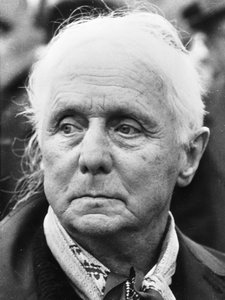
Max Ernst
1891 - 1976 , Německo
Stručné informace
- Artistic Movement Or Style:
- Dadaismus
- Surrealismus
- Artists Or Movements Influenced By This Artist: ['Surrealismus']
- Artists Who Influenced This Artist:
- Pablo Picasso
- Vincent van Gogh
- Paul Gauguin
- Date Of Birth: 1891
- Date Of Death: 1976
- Full Name: Maximilian Maria Ernst
- Nationality: Němec
- Notable Artworks:
- The Entire City
- Euclides
- Of This Men Shall Know Nothing
- Forest and Dove
- Place Of Birth: Brühl, Německo